


Ever wonder if spending a little extra on tires is really worth it? When you compare prices, you see that different sizes and special features can bump up the cost. In this guide, we'll chat about why some tires cost a bit more but might give you perks like a smoother, quieter ride or extra safety benefits (like better grip on wet roads).
Stick with us, and you'll learn how a careful look at tire prices might help you save money without sacrificing quality.
Tire Price Comparisons: Save Big on Quality Tires
When shopping for tires, it’s good to know how the type and size of your wheels affect the price. Some tires are budget-friendly, while others, especially high-performance ones, can be more expensive. This comes down to things like the quality of the materials, extra features (like less noise or run-flat safety), and how long they’ll keep you safe on the road. Think of this guide as your roadmap for knowing exactly what you’re paying for.
Different tire types and wheel sizes have their own price tags. For example, standard tires on smaller wheels are usually the most affordable. But if you’re after off-road or high-performance tires, you might have to pay a bit more. To give you an idea, a set of four standard tires for 15″–18″ wheels can range from $200 to $500, while larger wheels or special tires can cost a lot more. Check out the table below for a clear price breakdown by tire type and wheel size.
| Tire Type | Wheel Size | Price Range per Set |
|---|---|---|
| Standard | 15″–18″ | $200–$500 |
| Standard | 19″–22″ | $500–$1,200 |
| Standard | 22″–26″ | $1,200–$2,500 |
| Off-road/All-Terrain | 15″–18″ | $300–$700 |
| Off-road/All-Terrain | 19″–22″ | $1,000–$2,000 |
| Off-road/All-Terrain | 22″–26″ | $1,500–$4,000 |
| High-Performance | 15″–18″ | $500–$1,200 |
| High-Performance | 19″–22″ | $1,000–$3,500 |
| High-Performance | 22″–26″ | $2,500–$5,000 |
| Forged Wheels | 15″–18″ | $1,000–$2,000 |
| Forged Wheels | 19″–22″ | $1,200–$4,000 |
| Forged Wheels | 22″–26″ | $2,500–$6,000 |
This table is a quick way to see the different price ranges and helps you pick the right tires for your budget. Happy tire shopping!
Tire Price Variations: Impact of Tire Type and Size
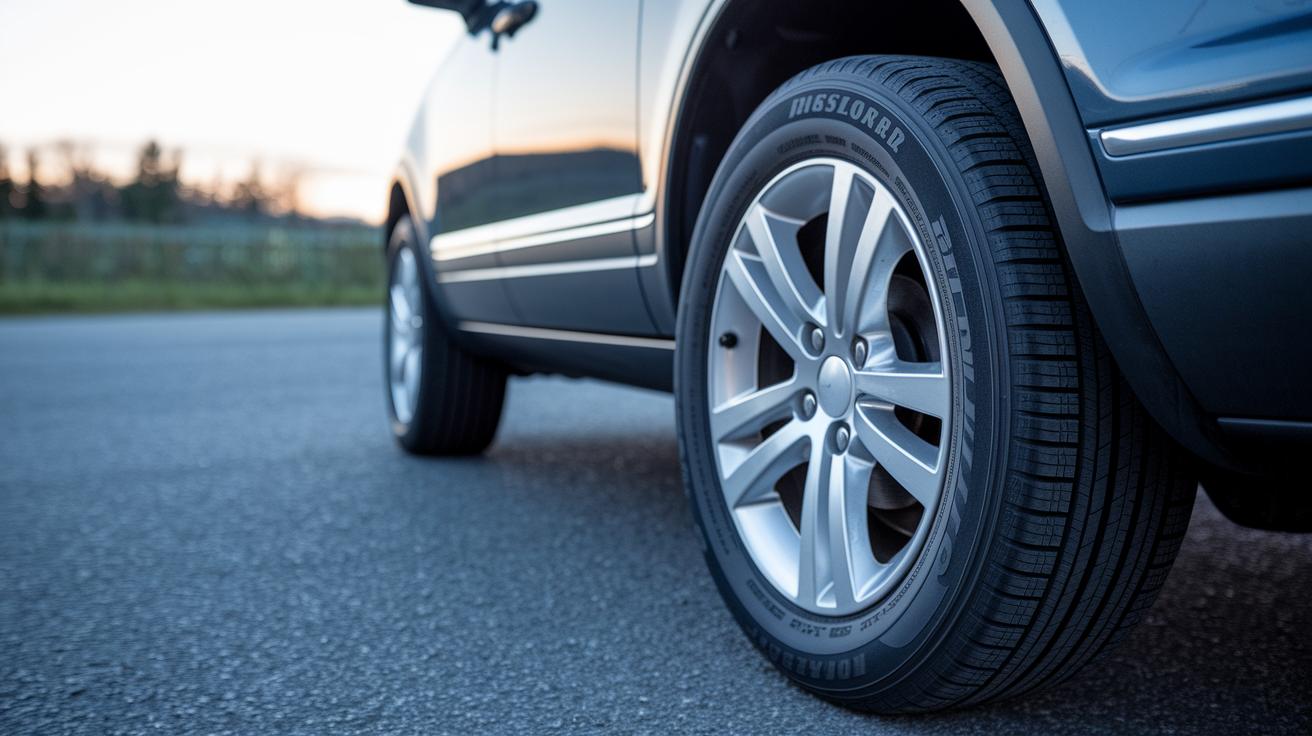
Today, picking a tire is about more than just the price. Modern tech, like sensors that check pressure and wear (which means how fast the tire's outer layer is used up), makes it easy to know when it's time for a change. Imagine your tire alerting you before a sudden temperature drop hits – little sensors that help keep you safe. These smart features add extra value that goes beyond a simple cost comparison.
While basic tires remain a friendly option for your wallet, many experts now say it's best to choose tires made for specific road or weather conditions. Studies show that cars with tires using innovative tread designs (the patterned grooves that improve grip) perform much better on wet roads. One pro even advises, "If you often drive in rain, opting for tires with proven wet grip can really boost your ride."
Wheel size isn’t just about the price tag – it changes the feel of your car too. Manufacturers are exploring ways to use larger wheels with better aerodynamics to help lower fuel use and give you a smoother ride. Recent tests also suggest that tires with run-flat support (which let you keep driving a short distance even after losing air) offer extra stability without a big jump in cost. In tough conditions, these tires can really enhance overall performance.
Nation-wide Tire Rate Survey and Retailer Price Comparisons
When you’re on the lookout for tire prices, it helps to check both online and in-store. Big names like Discount Tire, Tire Rack, Walmart Auto, and local shops all price their tires differently. Sometimes extra fees sneak in, so it’s wise to read the fine print on their websites or ask in person.
I once heard a smart shopper say, "I compared tire prices online and found that even with installation fees, my local dealer still offered the best deal." Mixing online price checks with a quick visit in person can really clear up any confusion about the total amount you’ll pay.
Keep in mind that the price isn’t just for the tire itself. Shipping fees, installation costs, and even local taxes can add a few extra dollars. Many stores also offer rebates or special bundles that can lower your overall cost. So, when you get your estimate, don’t hesitate to ask about any promotions. That way, you can compare national average rates with what’s available nearby and get a great deal without any surprises.
Online Tools and Calculators for Tire Price Comparison

Online tools make shopping for tires super simple. You can check out different offers, discount bundles, and even warranty packages with just a few clicks. Websites and apps let you filter by brand, tire size, special features, and price so you always see what fits your needs. And the best part? You get real-time pricing so you know the latest deals as you browse.
These tire checkers work like having a helper right in your pocket. They let you set filters to show only the options you care about, like tires that last longer or come with extra safety features. Some even send you alerts when a seasonal deal or discount bundle pops up. Plus, many of these sites are mobile-friendly, so you can compare prices on the go, anytime.
Using a tire price calculator is as easy as pie. First, choose the tire specs you want, such as the type and size. Then, add a few details about your car so the tool can match the best deals for your ride. Finally, you can compare several offers side by side to find the perfect price. This hands-on way of shopping helps you save money and make sure you’re getting quality tires for your car.
Balancing Cost and Quality in Tire Purchase Decisions
When you’re picking out tires, think about the neat extras they offer even if they cost a bit more at first. For example, some tires include special tread designs, noise-reducing compounds (that means less of that buzzing sound), and run-flat technology (letting you drive a little longer if you get a puncture). These perks improve safety with better grip and a quieter ride, giving you peace of mind on the road. Many drivers find that spending a bit more on quality tires pays off with fewer replacements later.
Upgrading to premium tires might seem pricey, but over time, they can save you money. They’re designed for better fuel efficiency and longer wear, so even though the price tag is higher, you end up buying new ones less often and using less fuel. We keep an eye on real-life reviews and tire ratings (tire brand ratings – https://tityres.com?p=3143) to see how they perform over time, ensuring you get the best bang for your buck.
When you’re weighing your options, look at the whole picture rather than just the price. Compare features like design improvements, built-in technologies, and warranty terms to what you need for your driving. And why not check out some user reviews and test results? They help you pick out tires that strike the right balance between quality and cost. Enjoy the ride.
Regional and Seasonal Trends in Tire Pricing
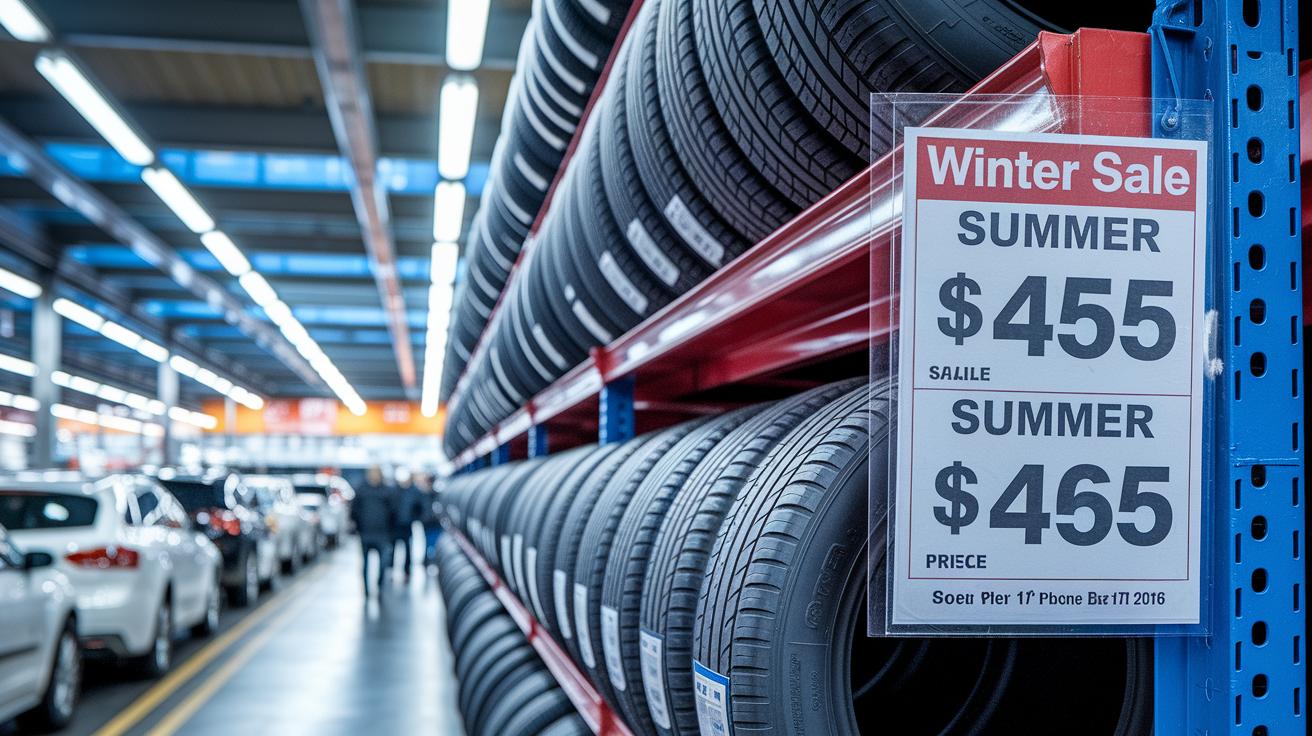
Tire prices can change with the seasons, much like the weather. For example, stores may offer discounts on winter tires when they want to clear out old stock after the cold season. On the flip side, summer tires might cost a bit more when more people need them. Sometimes, buying during the off-peak times can help you save money, it's a bit like catching a great sale on your favorite shoes.
Where you live also has a big effect on how much you pay. Local taxes, shipping costs, and the number of nearby stores can all change the price. In some areas, extra fees or long shipping distances might make tires more expensive. In busier regions with lots of dealers competing, prices can be lower. So, it’s always a smart idea to compare local prices to find the best deal without missing out on quality.
Customer Ratings and Reviews in Tire Price Comparisons
When you’re on the hunt for new tires, real reviews from fellow drivers can be a huge help. These review platforms show you what others have experienced when they bought tires. For example, many drivers share their thoughts on how long the tire lasts (durability), how well it holds the road (grip), and how smooth the ride feels. Trusted sites like consumer reports tire ratings bring together insights from everyday drivers and tire experts. So, when you’re reading through these reviews, keep an eye out for repeated mentions about fair pricing and how the tires perform over time. A good tip? Start with reviews that focus on price details. Maybe someone said, "I got great value even though the tire was a bit pricier upfront, worth every penny."
Timing can also play a big role in how much you spend. Tire sales and discount offers often show up during seasonal changes or store events. When you’re chatting with a seller, it can be smart to mention any similar deals you’ve seen online. You might say, "I noticed similar tires are on sale elsewhere." This little strategy can help you snag a real discount and keep your wallet happy.
Final Words
In the action, we explored how tire type and size shape range and cost. We broke down price ranges across retailers, compared standard to specialty tires, and looked at online tools to make tire price comparisons easy. We also weighed cost against long-term value, brushed on seasonal pricing, and showed how customer reviews can guide smart picks.
This guide helps you quickly match the specs you need with the best deals available. Happy driving with confidence and safety.
FAQ
What does a tire price comparisons calculator do?
A tire price comparisons calculator gathers tire data and instantly shows different prices, helping you easily spot affordable options by comparing features and offers in one glance.
What are the best tire price comparisons?
The best tire price comparisons offer detailed side-by-side views of tire types, sizes, and offers, making it simple to find the best value for your budget and needs.
How do I compare tire prices near me?
When comparing tire prices near you, check local retailer listings along with online data to score the best local deals that factor in shipping fees, taxes, and specific promotions.
How much does a set of 4 tires cost?
A set of 4 tires can range significantly, with standard sizes costing around $200 to $500 and larger or high-performance tires priced much higher, ensuring you have options that suit any budget.
How do I compare tires side by side?
Comparing tires side by side lets you review prices, performance features, and offers in one clear view, so you can choose the right tire based on your specific driving needs.
What is the average cost of tires and installation?
The average cost of tires and installation combines the tire price with setup fees, varying widely by tire type and size to fit both budget-friendly and premium choices.
What does a Midas tires price list include?
A Midas tires price list provides detailed pricing for various tire models available at Midas, showing you current deals and helping plan your tire service visit.
How can I find my tire size by make and model?
Finding your tire size by make and model means using an online tool that matches your vehicle details to the correct tire dimensions, ensuring a proper and safe fit.

