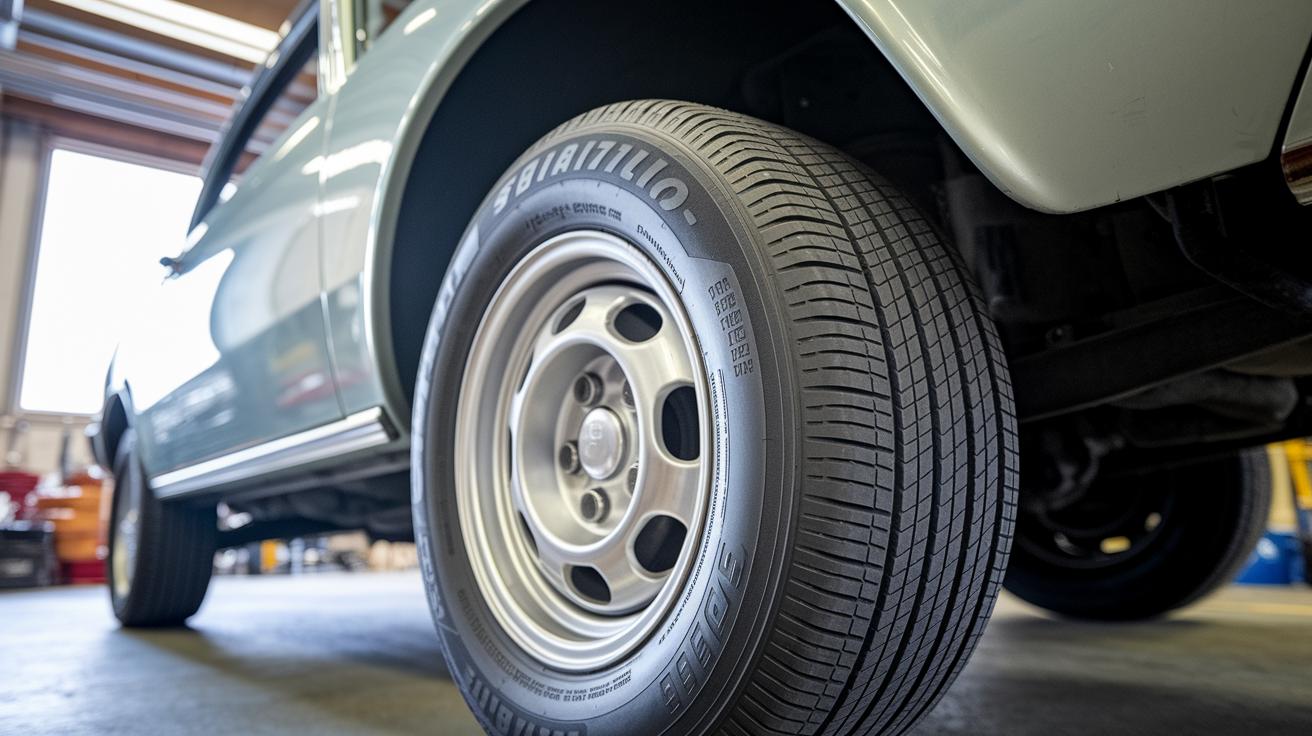


Ever looked at tire codes and wondered what they’re about? You’re not alone. Tire ratings give you a quick peek at how long a tire might hold up and how well it sticks to the road (that is, its road grip).
In this post, we’re breaking down the numbers and letters you see on your tire’s sidewall and showing you what they mean for keeping you safe and your ride smooth. Ever notice how some numbers tell you about treadwear (how fast the tire’s surface wears down), while certain grades hint at modern wet traction (how well your tire performs on a wet road)?
By the end, you’ll have a clearer picture of your tire’s abilities so you can make smarter choices for your next drive.
Tire Ratings Explained: Clear Tire Codes

Your tire sidewalls come with codes that give you a quick peek at how your tires perform. For example, the treadwear rating is a number you multiply by 100 to get an idea of the miles you might drive. So, if a tire has a 600 rating, you can expect roughly 60,000 miles under test conditions.
Then there’s the traction rating, shown as AA, A, B, or C. This tells you how well a tire grabs the road in wet conditions, with AA meaning it stops quickly when it’s wet. Next, the temperature rating, marked as A, B, or C, indicates how well a tire handles heat at high speeds. Grade A is the best you can get here.
You’ll also notice speed ratings and load indexes on the tire. Speed codes like H, V, or Z let you know the tire’s highest safe speed. Meanwhile, the load index is a number, like 95, that shows how much weight the tire can support.
All these codes give you a simple, at-a-glance overview of your tire’s important traits before you look deeper into its performance.
UTQG Ratings: Treadwear, Traction & Temperature and Their Safety Impact
UTQG ratings come from tests where tires are run for 7,200 miles on a 400-mile track in West Texas. They use very controlled conditions for things like alignment, pressure, and tire rotation. A control tire is set to a rating of 100, so if your tire gets a 200, it should last about twice as long as the control under those conditions. For example, a 600 rating points to roughly 60,000 miles. But remember, your driving style, the roads, and upkeep can change that number, kind of like checking your gas gauge before heading out.
The traction rating looks at how well a tire stops on wet roads. It earns grades like AA, A, B, or C based on its grip. An AA means it stops in the shortest distance, much like a friend who can brake quickly to dodge a puddle. On the other hand, a C grade shows the tire is at the lower end of acceptable performance. Good wet grip is important because it helps reduce the risk of hydroplaning when it rains.
Then there’s the temperature rating, which checks how a tire handles heat while you drive fast (up to 115 mph). The tire is tested on a rolling drum and gets a grade of A, B, or C. A tire with an A rating manages heat really well, much like a race car that stays cool even when pushed to the limit. A C rating means the tire meets the basic safety standard, though it isn’t as efficient at shedding heat. Keeping your tire cool is key in preventing blowouts at high speeds.
All three ratings, treadwear, traction, and temperature, work together to give you a better picture of how your tires will perform on the road. They impact wet braking, hydroplaning resistance, and handling at high speeds. Since tire manufacturers test their own control tires, you might see some differences in these ratings from brand to brand. It’s always a smart idea to compare a few options to find the most reliable match for your driving style.
Safety and performance go hand in hand. These ratings offer a snapshot of what you can expect when you hit the road.
Speed Classifications & Load Index Ratings on Tires

When you glance at a tire’s sidewall, you'll often see a letter that tells you the safe top speed for that tire. For example, an S-rated tire is good for speeds up to 112 mph, while a T-rated tire can handle about 118 mph. An H rating means the tire is built for roughly 130 mph, a V can take you up to 149 mph, and a Z rating is made for speeds beyond 149 mph. Think of a Z-rated tire like a high-performance option for those spirited open-road drives.
Next to these letters, there’s usually a handy number called the load index. This two- or three-digit number shows the maximum weight a tire can safely support (for instance, a load index of 95 means each tire can carry about 1,521 lbs). This is really useful when you're picking tires that match your vehicle’s weight, especially if you often haul extra cargo. You'll find this number printed right next to the tire size, making it simple to compare different options.
Sometimes you might also see symbols for load range or a ply rating. These markings reveal the tire’s strength, which is important for heavy-duty or light-truck tires. They also indicate the maximum inflation pressure the tire can handle (basically, how much air it can safely hold).
- Check the speed ratings to match your driving style.
- Look at the load index to ensure your tire suits your vehicle's weight.
- Notice any load range markings if you’re driving a heavier vehicle.
Reading these codes gives you a clear peek into a tire’s performance, so you know exactly what you’re getting without any guesswork.
Tire Ratings Explained: Treadwear, Mileage & Durability

When you look at a tire’s treadwear rating, think of it as a rough mileage guess. The lab tests multiply that number by 100, so if you have a 600 rating, your tire might last around 60,000 miles. It’s a bit like checking your fuel gauge before hitting the road – quick and really important.
But here’s the thing: these tests happen under fixed conditions. They use the same track, tire pressure, and rotations every time. In real life, how you drive, the weather, the types of roads, and how often you care for your tires can all change things. So a tire rated for 60,000 miles might wear out faster if you’re driving hard in rough weather.
All-season tires usually strike a balance, giving you decent longevity along with the grip needed for different weather. In the end, what really matters is pairing these test numbers with smart driving and regular maintenance.
Factors that can change your tire’s life include:
- Driving style
- Climate
- Road surfaces
- Regular tire upkeep
How to Use Tire Rating Symbols for Better Tire Choice
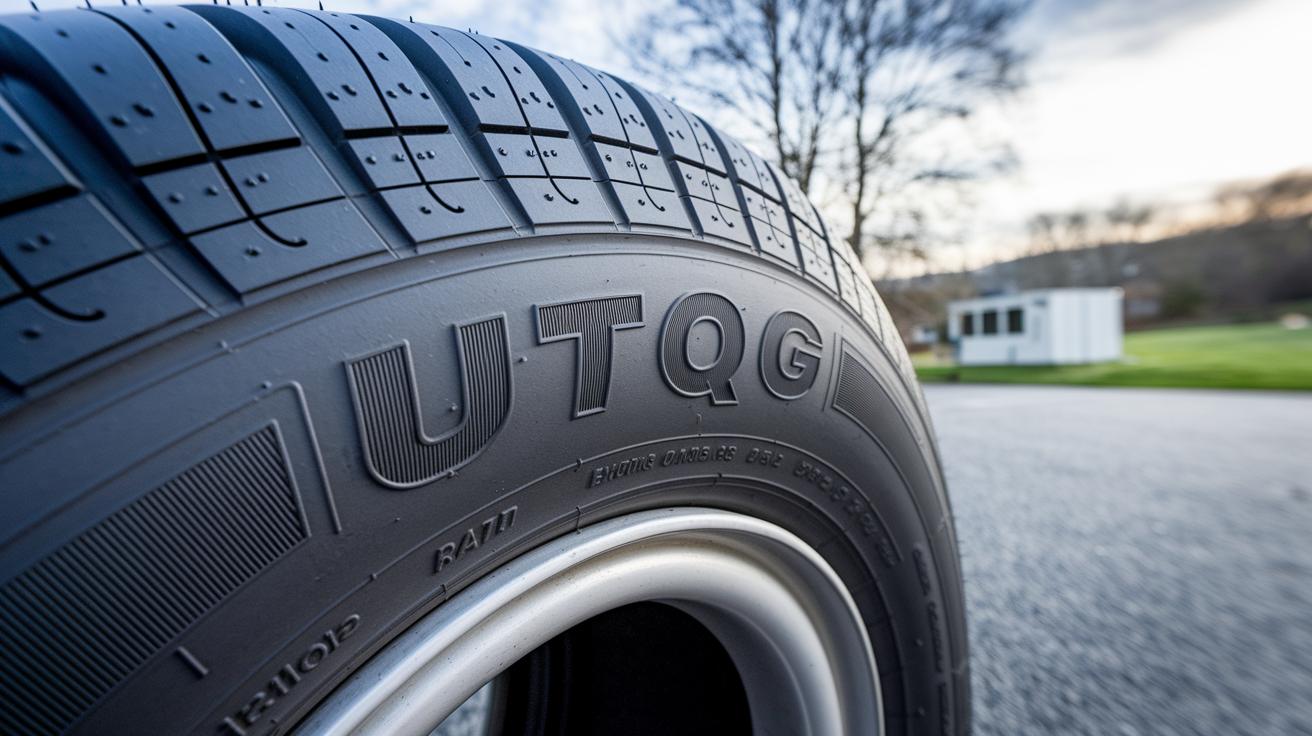
Imagine giving your tires a quick check-up, much like a routine visit to the doctor. The numbers and letters on the side of your tires tell you important details about them. For instance, the UTQG trio (which covers tread wear [how quickly a tire’s surface erodes], traction, and temperature) lets you know how long your tire might last and how well it can handle wet roads and higher speeds. It's a bit like checking your car's health before hitting the road.
Sometimes, tires made for snow or mud won't show these UTQG ratings, so it’s a good idea to keep an eye out when things seem missing. Always compare what you see on the tire with what the maker and other drivers report. You know how it is, getting a second opinion usually helps clear things up.
Here are some tips to keep in mind:
| Tip | Why It Matters |
|---|---|
| Match the ratings with your car’s needs | Your ride deserves tires that work well with its setup |
| Think about your everyday driving | Consider your typical roads and driving style |
| Double-check tire info | Cross-check self-reported details with trusted sources |
Taking a moment to read these symbols helps you pick tires that offer the right mix of safety and performance. Next time you're choosing new tires, you'll have a clear picture of what to expect, giving you that reassuring feeling every time you drive.
Final Words
In the action, we broke down key tire rating types, from treadwear and traction to temperature and speed. You learned how each sidewall code tells a part of the story behind safety and performance. We also showed you how the load index relates to the tire’s weight capacity, giving you a complete view of what to look for. This clear guide on tire ratings explained helps you pick the right tire and care for it properly. Stay confident on the road with smart choices and reliable insights.
FAQ
What do tire load ratings explain?
The tire load ratings explain a tire’s maximum weight capacity in pounds. Each rating number tells you how heavy a tire can be while keeping you safe on the road.
What information do tire speed and load rating charts provide?
The tire speed and load rating charts show the tire’s top speed (using letter codes) and its load capacity (with numbers). This helps you match tire performance to your vehicle’s requirements.
What does a tire speed rating of H mean?
A tire speed rating of H means the tire can safely handle speeds up to 130 mph (about 209 km/h), which helps you choose tires that suit faster driving conditions.
What does a tire ply rating chart indicate?
The tire ply rating chart indicates the tire’s strength and how much weight it can handle. Higher ply ratings mean the tire is designed to carry heavier loads without sacrificing safety.
What is the UTQG tire rating?
The UTQG tire rating explains a tire’s treadwear, traction, and temperature performance based on standardized tests. It lets you compare tire longevity and safety features to make an informed decision.
Which tire rating is better, H or T?
When comparing H and T ratings, an H tire supports speeds up to 130 mph while a T tire is rated for up to 118 mph. H is better if you need a tire for higher speed driving.
What do HT and LT stand for on tires?
HT stands for high performance tires designed to give you extra strength, while LT means light truck tires made for carrying heavier loads, ensuring durability on demanding roads.
Which speed rating is better, S or T?
An S rated tire can handle speeds up to 112 mph, while a T rated tire goes up to 118 mph. If you need a tire for a little more speed, the T rating is more appropriate.
Which tire rating is better, V or W?
A V rated tire is safe up to 149 mph, and a W rated tire is built for speeds up to 168 mph. W is better if you’re looking for tires that can manage higher speeds.

