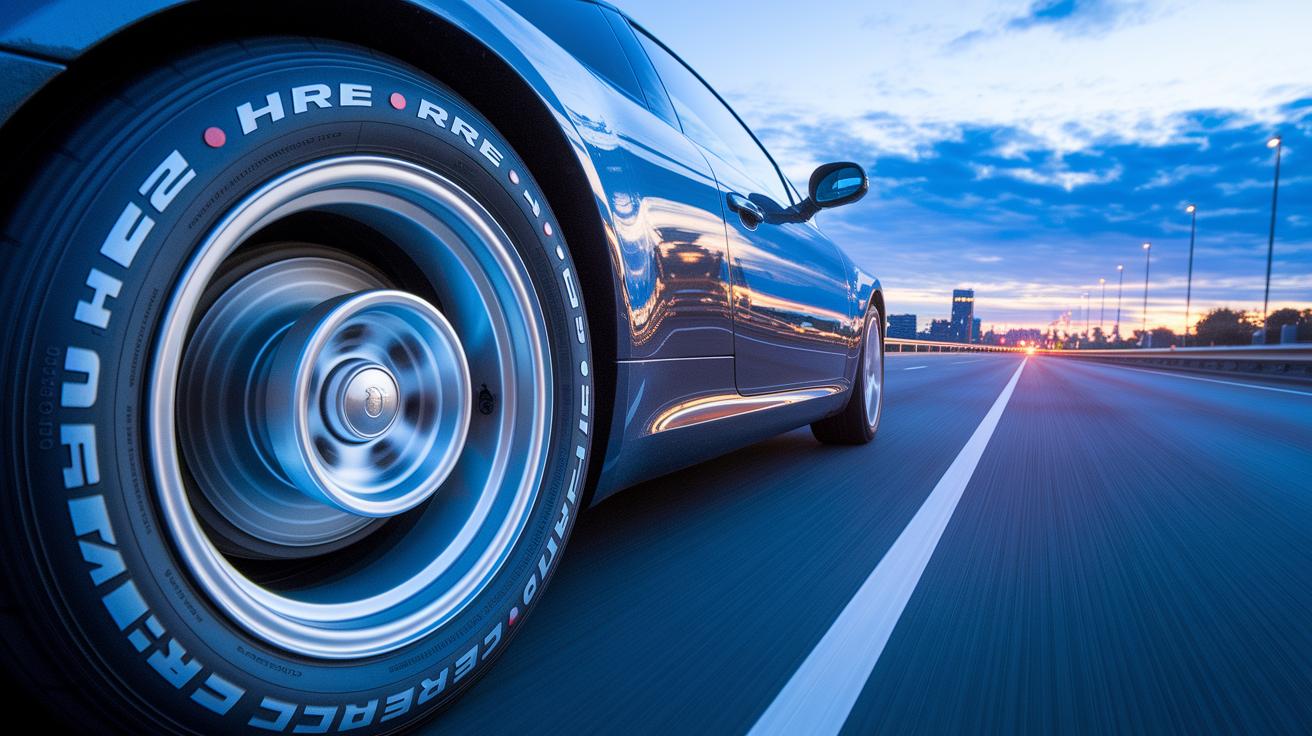


Ever notice a letter on your tire sidewall and wonder what it means? Those letters, H and V, aren’t random at all. They show how fast your tire can go safely. For example, an H rating means your tire can handle speeds up to 130 mph, while a V rating allows up to 149 mph.
So, does this matter for your everyday drive or only when you’re taking it sporty? This guide breaks down the differences between H and V ratings. Once you know what each means, you can choose the best tire for your car and feel confident every time you take the wheel.
tire ratings h vs v: Speed Meets Performance
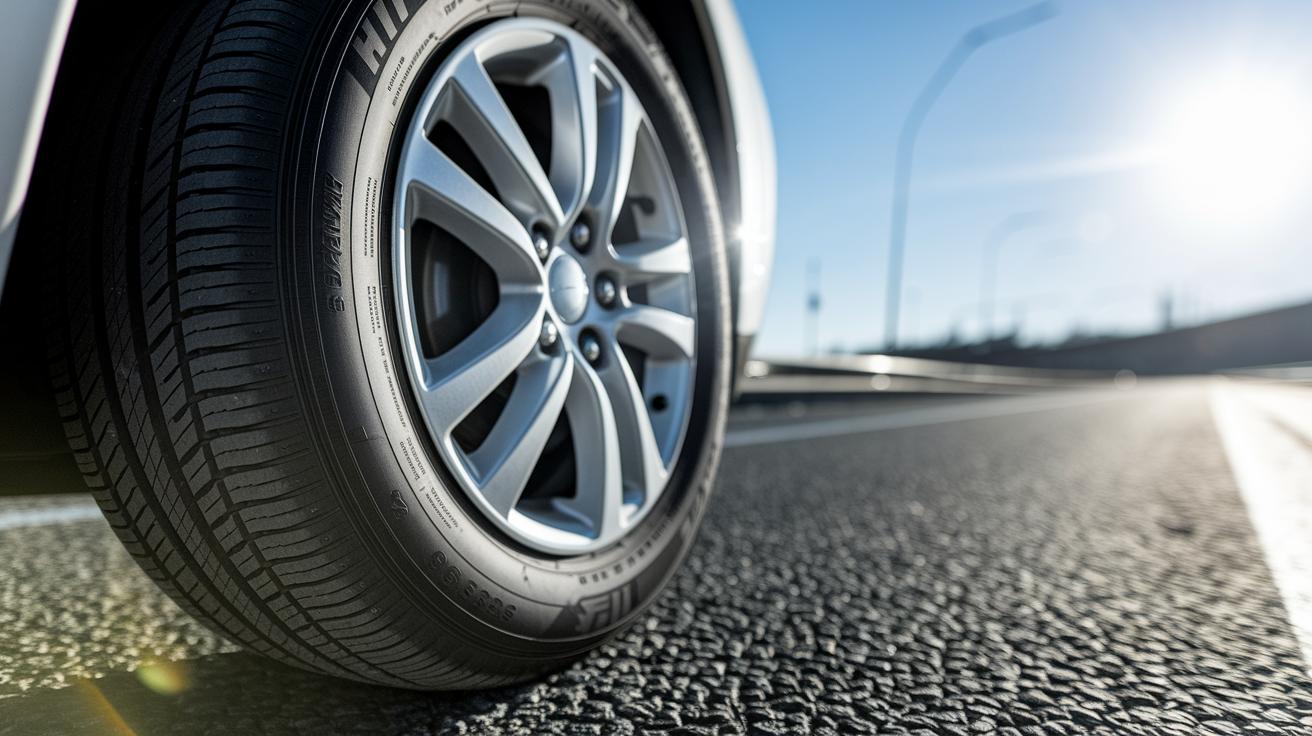
Ever taken a close look at your tire and noticed a letter next to the weight rating? That letter tells you the top speed your tire is safe to handle, much like your car's speedometer shows how fast you can go. For instance, when you spot an H or a V, it's simply guiding you on how fast you can safely drive.
An H rating means the tire is built to work well up to 130 mph (210 km/h). You'll often find these tires on family sedans, SUVs, and other everyday cars that need a good mix of safety, comfort, and durability. They use a firmer rubber (a type of mix that makes the tire tougher) to keep the ride smooth and the tread lasting longer. But if you push these tires beyond 130 mph, they can heat up quickly, which might wear out the tread faster and slow your braking.
On the other hand, a V rating means the tire is designed for speeds up to 149 mph (240 km/h) and is a better fit for performance or sporty cars. These tires use a softer rubber and a stiffer design, giving you sharper handling and a firmer grip at high speeds. However, this also means they might not feel as comfortable and could wear out quicker compared to H-rated ones. So, while V-rated tires are great for when you want a bit of extra pep in your drive, H-rated tires are there to back you up for daily reliability.
Speed Rating Testing and Chart for H vs V

We check tire speed ratings using a one-hour test at 100°F, kind of like taking a car for a spin on a hot day. This test follows strict ECE and SAE standards (rules that help make sure tires perform safely) so you know the letter on the tire side really matches its top safe speed.
During the test, experts carefully watch the tire's temperature and performance, almost like keeping an eye on the steady hum of the engine on a long drive. They make sure the tire’s build and rubber mix (the material that gives you grip) handle high speeds without wearing out too soon or losing control. In simple terms, this test groups tire speeds from A1 to Y, and the ZR mark even brings together some W and Y-rated tires.
This clear, step-by-step process means you can trust the tire rating to tell you exactly how fast each tire can go safely.
| Rating Letter | Max Speed (mph) | Max Speed (km/h) |
|---|---|---|
| H | 130 | 210 |
| V | 149 | 240 |
Performance Comparison for H vs V Rated Tires
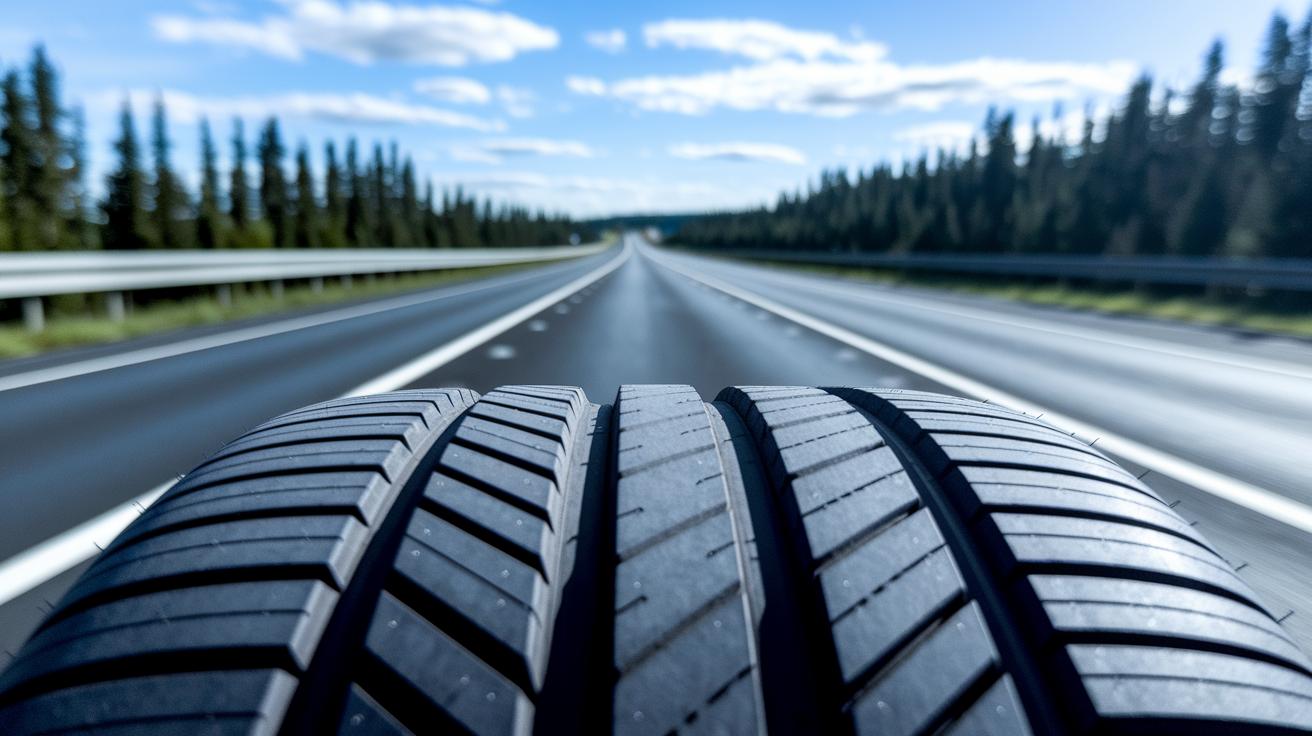
When we talk about tire performance, a few details really make a difference. For example, H-rated tires are made from a tougher, denser kind of rubber that helps keep heat in check. This means you get a smooth ride even when the tires get warm. On the other hand, V-rated tires use softer rubber and have stiffer sidewalls to boost their quick handling at higher speeds. This design is great for extra grip and sharper steering, but it can also mean they heat up faster if you're driving hard for a long time.
H-rated tires are perfect for everyday driving. Their firmer mix not only manages heat better but also helps the tread last longer (tread wear means how quickly the tire’s surface wears away). You can count on them to offer a comfy ride with less shaking on average roads. Many drivers like that these tires keep things stable and predictable, which is important when you’re covering a lot of miles.
V-rated tires, though, bring a sportier feel to the table. They focus on grip and quick handling, which makes them fun when you’re taking more active turns. But remember, this sporty build can sometimes lead to a shorter tread life and a bit less comfort, especially in cooler weather when the rubber can get firm. So if you love speed and that fast, responsive steering, V-rated tires are a great choice, but they might need a bit more care to keep them performing at their best.
Load Index and Safety Factors in H vs V Ratings
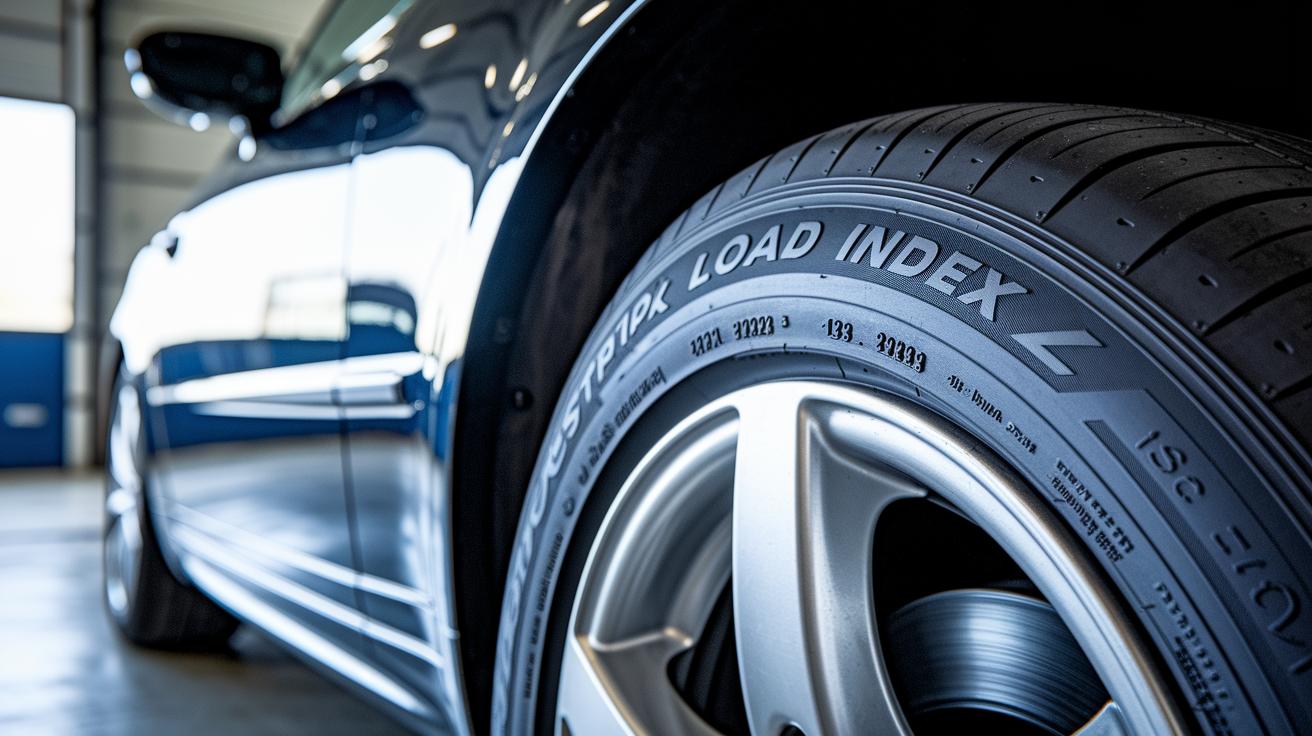
The load index is that number on your tire sidewall next to the speed letter. It tells you the most weight your tire can safely carry. Think of it like a guide for how heavy your load can be without hurting your tire's performance. You'll usually find it right by the speed rating, whether it’s an H or a V. Your car’s manual will also tell you the right load index and speed rating to use with your vehicle.
Matching the right load index with the proper speed rating is really important for keeping your tires in top shape. This combo means the tire's weight capacity fits with the safe speed you can drive. When they work together, you enjoy better steering, stable braking, and a tire that handles heat well. It’s like knowing your tires are ready for both the load and the pace of your ride.
Using tires with the wrong load index or speed rating can cause real problems. If a tire is overloaded or driven too fast under a heavy load, it can get too hot. That extra heat speeds up wear on the tread, makes steering less sharp, and in some cases, could even lead to tire failure. So, keeping these numbers in check helps you stay safe and ensures your ride performs well.
Vehicle Applications for H versus V Rated Tires
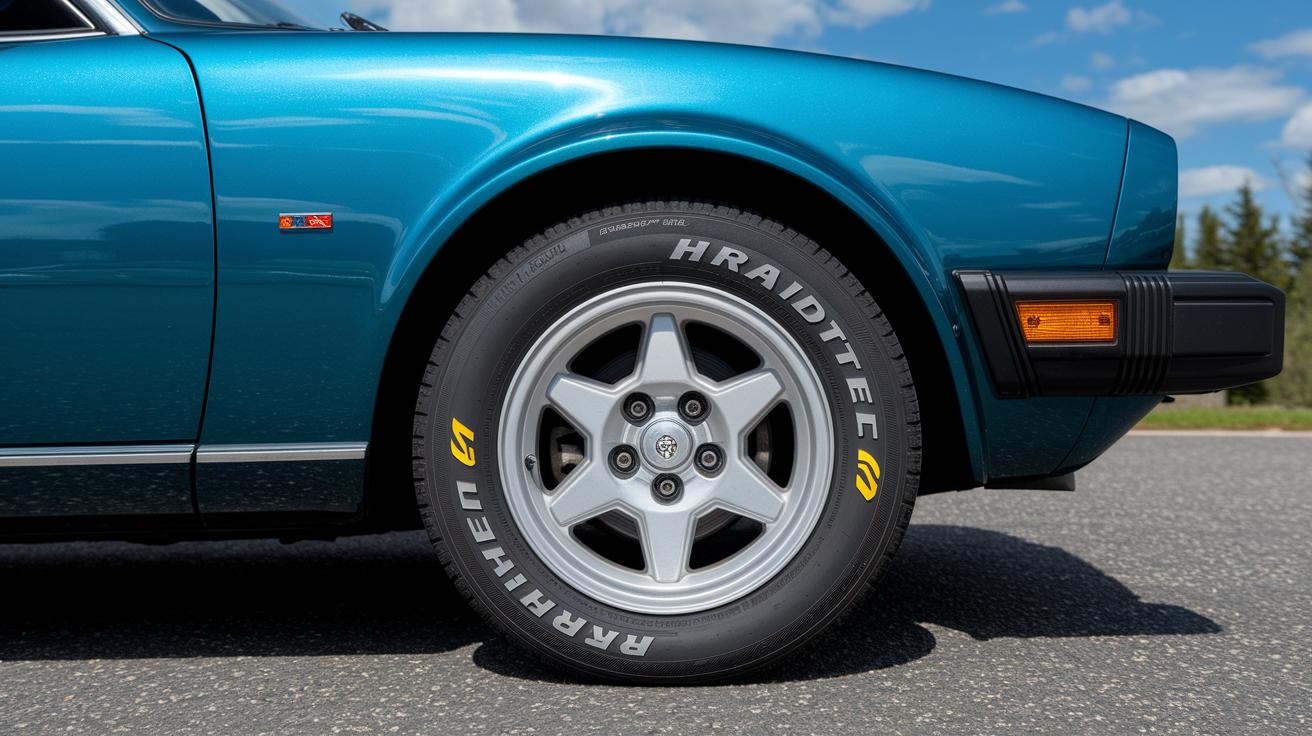
When you're picking out tires, it's all about matching them to your car and how you drive. Many everyday drivers find that H-rated tires work well on models like the Toyota Camry or Honda CR-V. These tires handle the daily grind, school runs, quick errands, or just cruising around town, with a smooth ride and steady performance. And when every wheel has the same rating, your car feels balanced and reliable. But if you're driving a car built for a little more excitement, like a BMW 3 Series or Porsche Cayman, V-rated tires might be the way to go for that sharper, more responsive feel when you need quick handling and dynamic curves.
H-Rated Tire Applications
For most drivers, H-rated tires are a smart choice. Cars like the Honda Accord or Ford Escape that sport these tires tend to give a comfortable ride on everything from busy highways to bumpy back roads. They use a harder rubber compound (a tougher mix that helps manage heat even on rougher roads) to keep things stable. Imagine this: on a rainy afternoon drive, an H-rated tire offers a steady grip, as reliable as a good friend guiding you through an unexpected detour. It means you get tires that stick with you in everyday conditions, no matter what the weather throws your way.
V-Rated Tire Applications
If you’re after a sportier drive, V-rated tires really make a difference. For vehicles like the Chevrolet Camaro or Audi S4, these tires bring quick handling and precise steering to the table. They come with a softer rubber compound and stiffer sidewalls (designed to hold their shape for sharp turns), which means they perform best on twisty, curvy roads where every second counts. Picture this: during a spirited drive on winding roads, a V-rated tire reacts as quickly as a race car taking a sharp corner. Even though they might not last as long on the road, these tires give you that extra agility and control when performance matters most.
Cost and Maintenance Impacts of H vs V Speed Designations
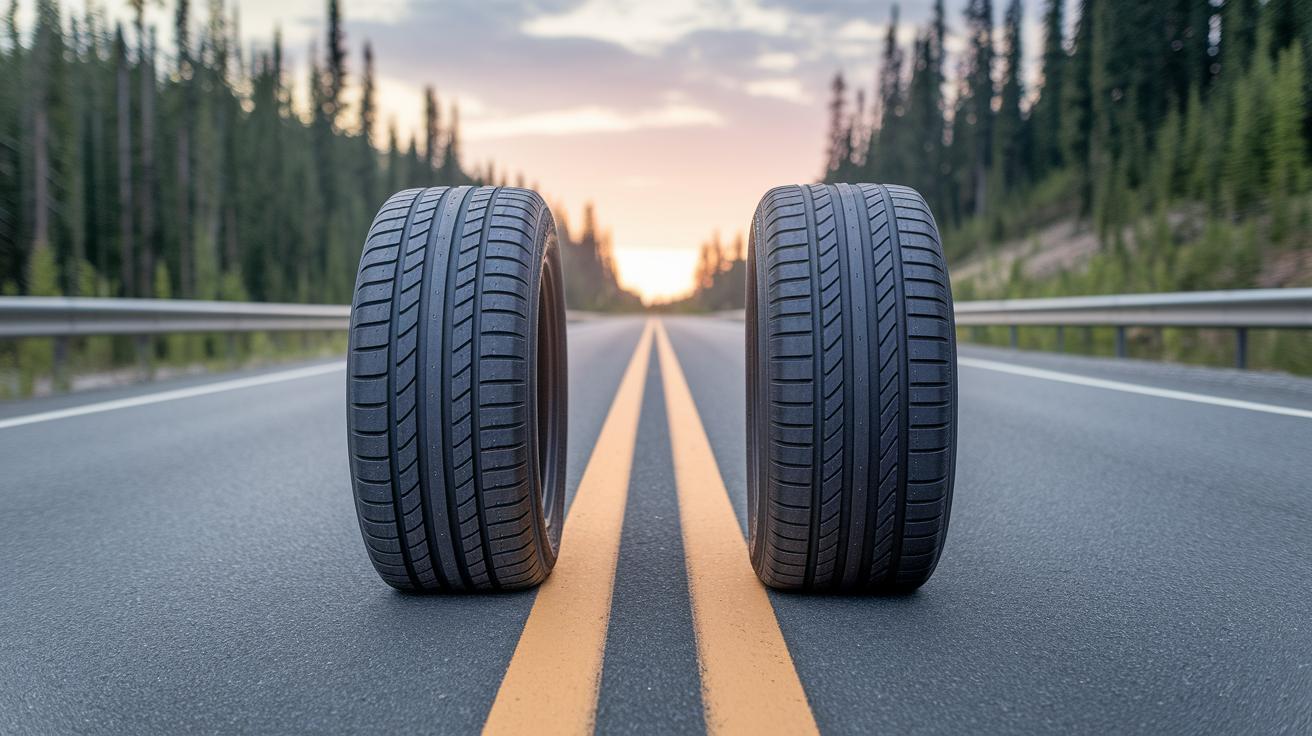
H-rated tires usually cost less and stick around longer, which means you pay less for every mile you drive. Their firmer rubber mix helps them handle heat better on your daily trips. But V-rated tires are made for a bit extra zip, they come with a higher price tag because their softer compounds boost quick handling and grip. That same design can lead to faster tread wear and a small drop in fuel efficiency. Imagine you're checking your fuel gauge on a long drive and noticing that every extra mile with V-rated tires might cost you a bit more, not only in dollars but also in how soon you need a new set.
Keeping your tires in good shape is key to saving money over time. Make sure your tires are properly inflated and paired with the right load-speed setting so you get the best performance for your buck. Regular checks for wear, and matching all four tires with the same rating, go a long way in extending their life. A little extra care now can save you from unexpected trips to the service center later.
Final Words
In the action, we broke down tire ratings h vs v, explaining how the sidewall letters tell you which speeds you can safely reach. We looked at the testing methods, compared performance differences, and explained how vehicle type plays a role in choosing the right tire. We also touched on the cost differences and ways to maintain tire longevity. It’s all about making smart choices that keep every drive safe and smooth.
FAQ
Do H or V rated tires last longer?
H rated tires tend to last longer because they use harder compounds built for durability, while V rated tires focus on performance with softer, more wear-prone rubbers.
How are H vs V rated tires discussed on Reddit, Michelin, and Costco?
Reviews often highlight that H rated tires offer smoother rides and longer tread life, while V rated tires are praised for sharper handling and improved grip.
How do H vs V rated tires perform on SUVs?
For SUVs and daily drivers, H rated tires are typically preferred for their durability and comfort, whereas V rated options may offer sportier handling, which isn’t always needed.
How do H vs V rated tires compare in snowy conditions?
Although speed ratings don’t determine snow performance, H rated tires may perform better in cold weather due to their tougher compounds, while V rated tires focus on handling.
What does a V speed rating mean for tires?
A V speed rating indicates the tire is safe at speeds up to 149 mph, using softer compounds and stiffer sidewalls for improved performance at high speeds.
What does an H speed rating mean for tires?
An H speed rating means the tire is safe to use at speeds up to 130 mph, built with harder compounds that promote a smoother ride and longer tread life.
Which is better, V or H rated tires?
The answer depends on your driving needs; H rated tires offer durability and comfort, while V rated tires deliver enhanced handling and performance at higher speeds.
Can you replace V-rated tires with H-rated ones?
It’s possible if your vehicle’s specifications allow it, but it’s best to follow your car’s manufacturer guidelines to keep safety and performance in check.
What’s the difference between 102V and 102H?
The main difference is the speed rating; 102V is approved for higher speeds than 102H, which means they have different performance characteristics under high-speed conditions.
What do H and V ratings indicate for tires?
These ratings show the maximum speed the tire is designed to handle safely—up to 130 mph for H rated tires and up to 149 mph for V rated tires.

