


Ever thought about how one tire might cause more trouble than it's worth? Every year, over 1 billion old tires pile up. But here's the cool part: tire recycling turns this waste into something valuable. Imagine tires being cut up, crushed, and transformed into products like fuels or even materials that help improve our roads (they add strength and durability). It's like taking what we thought was trash and giving it a second life to help keep our surroundings safe and green.
Isn't it amazing how a little change can make a big difference?
How Tire Recycling Technology Transforms End-of-Life Tires

Every year, over 1 billion scrap tires pile up, attracting bugs and rodents that can be dangerous to our health. Tire recycling turns these old tires into useful products while keeping our environment cleaner. The process starts by taking off the rims to recycle the steel, then cutting the sidewalls so the tires are easier to manage. This first step makes it a breeze to move on to the next phase in heavy-duty recycling machines.
Think of the recycling process as a pit stop on a long road trip. First, the tires are collected and sorted. Then they go through de-rimming (removing the metal rim) and sidewall cutting. Next, the tires are broken down by shredding or grinding them into smaller bits. Finally, the materials like rubber, steel, and textile (the fabric part) are separated. Each step is important in taking a big, messy pile and turning it into something valuable.
Once these steps are done, the tires get even more attention. They undergo mechanical shredding, screening, and cleaning. This further chops the tires into tiny parts so that materials such as fine rubber powder, liquid oil, gas, and carbon black can be recovered. With high-tech equipment, these recycled materials are then reused in making new products like road additives or alternative fuels. Pretty cool, right?
In the end, tire recycling technology does more than just clear up piles in landfills, it also helps us reclaim useful raw materials. By transforming old tires into components for a cleaner, greener future, the process tackles both environmental and health issues in a smart, sustainable way.
Mechanical Destruction Methods in Tire Recycling Technology
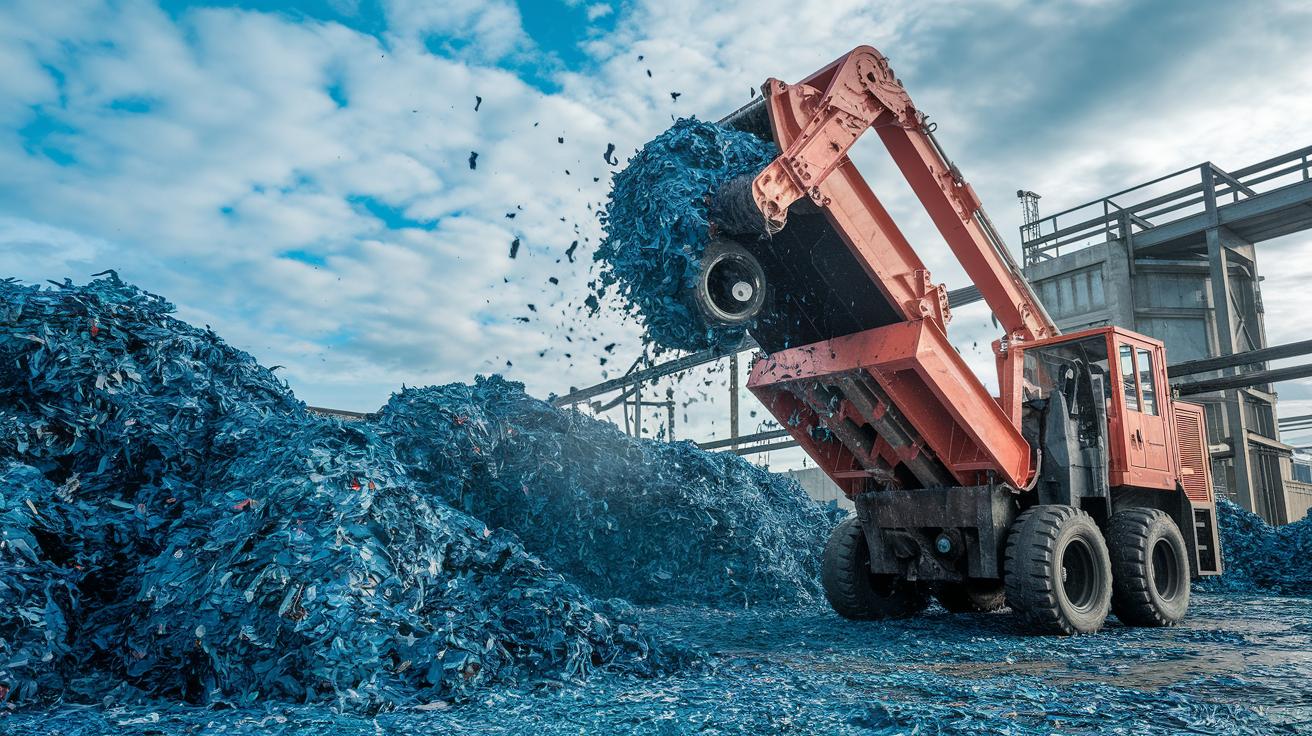
Ever wonder how old tires get a second life? Tire recycling now uses smart crushing and grinding systems that turn whole tires into useful crumb rubber. Machines like single-shaft and double-shaft cutters break tires apart quickly with a strong mechanical shred. It’s like giving a tire a good, hard workout!
Next, there’s ambient grinding. This process crushes tires at room temperature without any extra cooling. Then, there’s cryogenic grinding where liquid nitrogen (a very cold liquid at –196 °C) is used to soften the tire for a more even break. Finally, cold granulation further smooths out the rubber pieces to get scrap rubber ready for reuse. All these steps help make sure the recycled rubber holds up to quality standards.
These crushing and grinding steps work hard to shrink tire size and sort out different materials. Special gear like vertical balers, horizontal balers, sidewall cutters, and rim separators make the process even easier. They break tires into small bits, usually between 1 mm and 10 mm, which means more rubber is recovered while waste is kept to a minimum. The powerful combination of shredding and fine grinding gives us top-quality recycled rubber, making the whole journey greener and cleaner every day.
| Method | Equipment | Output Size |
|---|---|---|
| Mechanical Shredding | Single-/Double-shaft Cutters | 1-10 mm |
| Ambient Grinding | Room-Temperature Crushers | 1-10 mm |
| Cryogenic Grinding | Liquid Nitrogen Systems | 1-10 mm |
| Cold Granulation | Precision Granulators | 1-10 mm |
Pyrolysis Systems and Chemical Innovations in Tire Recycling Technology
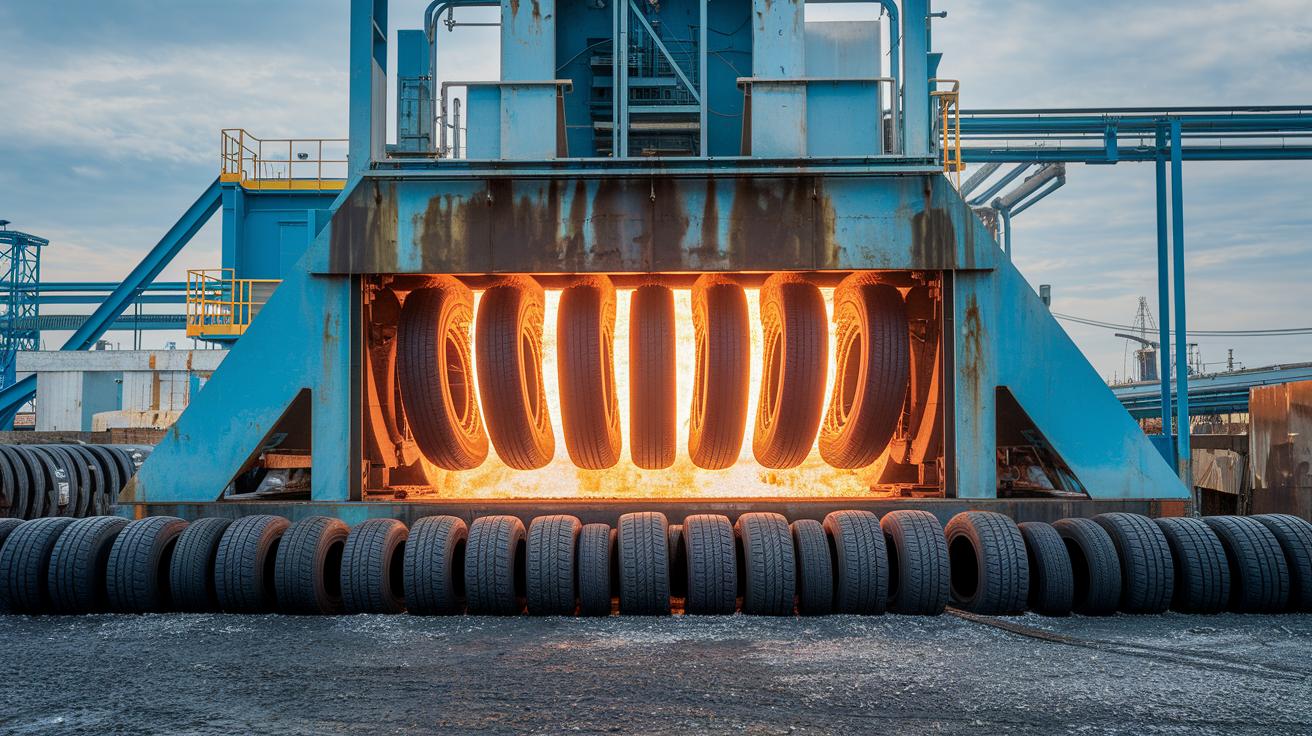
Pyrolysis systems heat old tires in special, oxygen-free chambers at temperatures between 400 and 600 °C. Under this heat, the rubber softens and its large molecules break down into smaller parts, like taking apart a big puzzle into simple pieces. This process turns tires into handy products such as pyrolysis oil, syngas, and carbon black. It’s almost like breaking a heavy tire into basic ingredients that can be used to make cleaner fuels and other industrial materials.
In Genan’s setup, every bit of the tire is broken down with care. Their process produces roughly 75% rubber powder (tiny pieces of rubber), 15% steel, and 10% textiles. Think of it as a high-tech oven that transforms tire waste into useful materials while cutting down our need for new raw resources. Safety and eco-friendliness go hand in hand here.
New techniques that work at the molecular level are also improving recovery rates. These advances ensure that even more energy is squeezed out from old tires, making fuel systems even more efficient. In short, these innovations show that even tires we think of as junk can be reborn as the building blocks for a greener tomorrow.
Environmental Impact Analysis of Tire Recycling Technology
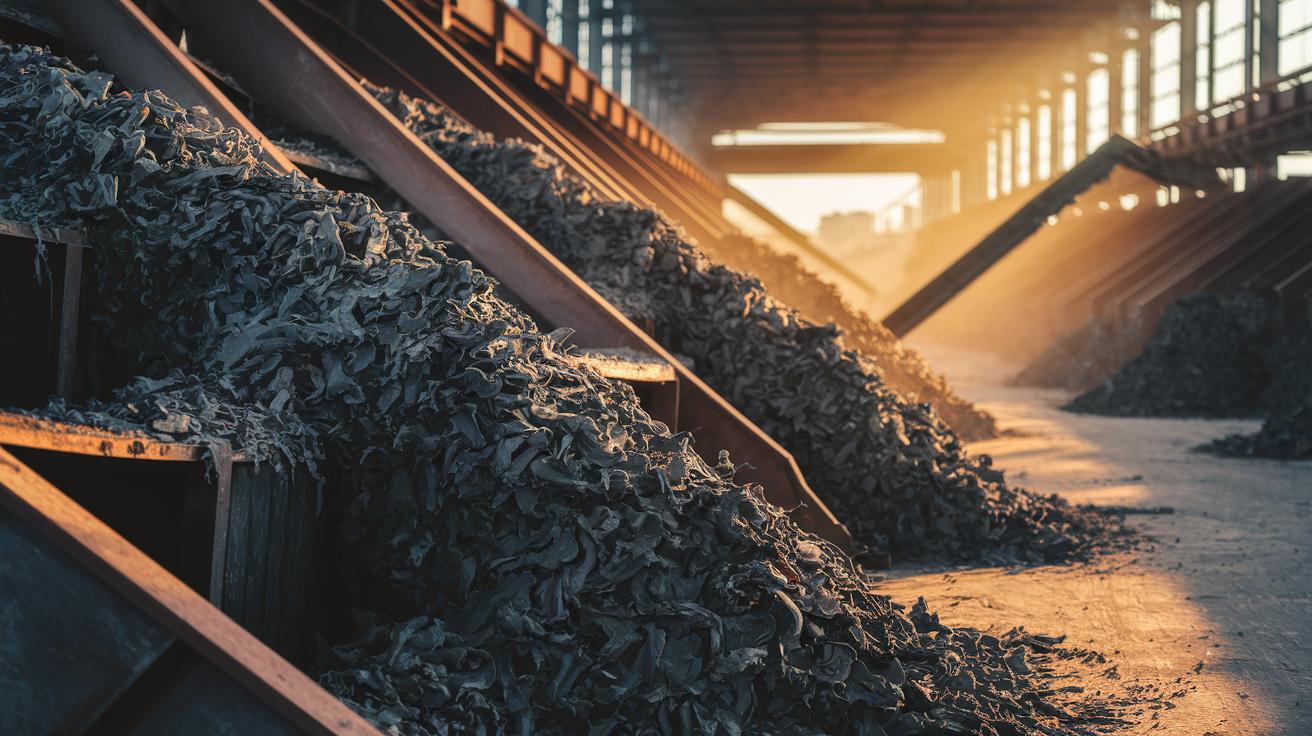
Tire recycling keeps old tires from piling up in landfills and helps protect our health by reducing bugs and pollution. Instead of ending up in a dump, worn-out tires get a new life by being turned into products like fuel for cement kilns, rubberized asphalt, playground surfaces, athletic tracks, and even materials for landscaping. This process not only cuts down on waste but can also lower CO₂ emissions by about 30% compared to using completely new rubber. It’s a smart way of reusing what we already have and taking care of our natural resources.
Looking at the whole life cycle of tire recycling, we see clear ways to save energy and protect our communities. When old tires are reworked into new materials, it means we use less fossil fuel and release fewer greenhouse gases. This method gives tires a second chance in everyday settings, from play areas to construction sites, making our surroundings cleaner and lowering costs at the same time. It’s like breathing new life into something that was once discarded, paving the way for a greener, cost-effective future.
Industrial Innovations and Case Studies in Tire Recycling Technology
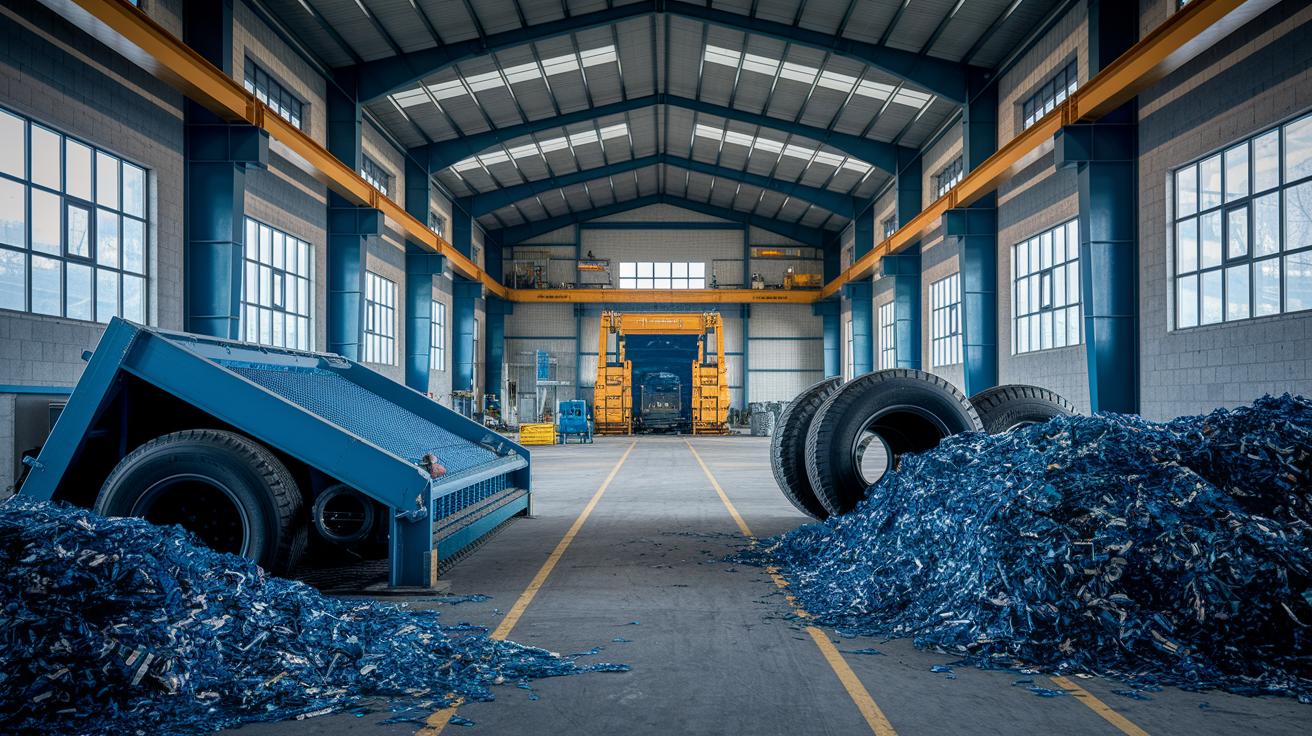
New machines and updated processes are changing the way we recycle tires. In Australia, the Fornnax 10 TPH plant processes tons of tires quickly. And companies like CM Shredders use machines that cut tires into smaller pieces on a global scale. Many facilities now turn old tires into useful materials with steady results. They mix solid mechanical work with clever digital help. For example, Eldan’s AI sorting system (a computer tool that spots unwanted bits easily) finds foreign objects fast. Eco Green has introduced tire solutions that work with different tire types, and Gradeall offers a G-eco series along with MKII/MKIII balers (machines that compress tires) to make the work smoother.
- Fornnax 10 TPH plant: Handles a large volume of tires
- Eldan AI detection: Quickly spots unwanted parts
- CM Shredders: Uses modular machines around the world
- Eco Green: Offers tire crumb solutions that adapt well
- Gradeall G-eco series: Provides versatile tire recycling systems
Everyday results show that these improvements really make a difference in handling waste and recovering materials. Many centers are using advanced tools and updated methods to reduce waste and offer reliable recycled products. Across several regions, a drive for better rubber recovery has led to steadier quality. These real-world examples prove that new machinery isn’t just speeding up work, it is turning used tires into valuable resources for new projects. The blend of improved mechanical tools and smart sorting brings a cleaner, greener future to industrial tire recycling.
Future Trends and Challenges in Tire Recycling Technology

The tire recycling world is shifting gears with some pretty cool changes. New rubber technology and process automation like smart sorting systems and chemical devulcanization (a way to soften rubber by breaking its bonds) are setting the stage for better tire reuse. This change fits right in with plans to reuse materials, but there are bumps along the road. High costs, inconsistent materials, and loopholes in the rules are real challenges. Manufacturers are now trying out smaller, flexible plants and tapping into new markets for recycled materials that could help keep costs low.
| Trend/Challenge | Description | Implications |
|---|---|---|
| Automated Sorting | Using smart sensors to better identify materials | Speeds up processing and improves recovery |
| Chemical Devulcanization | Using chemicals to break down rubber bonds | Improves the quality of recovered rubber |
| Scalable Modular Plants | Small facilities that meet local recycling needs | Lowers costs and adapts to market changes |
| Regulatory Gaps | Different waste rules across areas | Slows overall adoption of recycling methods |
These trends and hurdles are pushing the industry to adapt fast. As new innovations roll out and rules get updated, we’ll see how well we can recover and reuse tire materials.
Final Words
In the action, we saw how tire recycling technology breaks down old tires into useful materials through simple steps like collection, de-rimming, shredding, and chemical conversion. The blog touched on how mechanical and chemical methods turn scrap into rubber, steel, and oil. We also explored how these innovations cut waste and boost sustainability while helping manage scrap tires safely. This smart mix of tried-and-true processes with fresh ideas gives us hope for a cleaner future on the road. Keep rolling forward with confidence and safety.
FAQ
What is tire recycling technology stock?
The tire recycling technology stock represents investments in companies that develop methods to break down used tires. These companies focus on transforming scrap tires into reusable materials through processes like shredding and pyrolysis.
What do tire recycling technology companies do?
Tire recycling technology companies use modern equipment to process old tires into new materials like rubber, steel, and textiles. This helps reduce waste while providing eco-friendly products for various industries.
How profitable is a tire recycling business?
The profitability of a tire recycling business depends on factors like processing efficiency, market demand for recovered materials, and regulatory support. Efficient operations can lower costs and result in healthy profit margins.
Do tires actually get recycled?
Tires do get recycled through methods such as mechanical shredding and chemical processes like pyrolysis. These methods transform old tires into useful products such as crumb rubber, oil, and steel, reducing landfill waste.
How much do you get paid for recycling tires?
Payment for recycling tires varies by region and depends on the volume of tires processed and current market prices for recovered materials like steel and rubber. Rates are often set by recycling programs and local markets.
Is it better to recycle tires or burn them for energy?
Recycling tires is generally better than burning them for energy. Recycling recovers reusable materials and minimizes harmful emissions, making it a more sustainable and environmentally friendly method for managing waste.

