


Have you ever felt a bump in your ride even when the road looks smooth? It could be time to check your tires.
Switching their spots (that’s tire rotation) helps them wear out evenly, kind of like sharing the load on a long trip. When your tires are balanced (fixing little weight issues), your car handles better and stays steady on any road.
Taking a few moments for tire care can really make your drive safer and smoother.
Tire rotation and balance: Smooth, Reliable Care
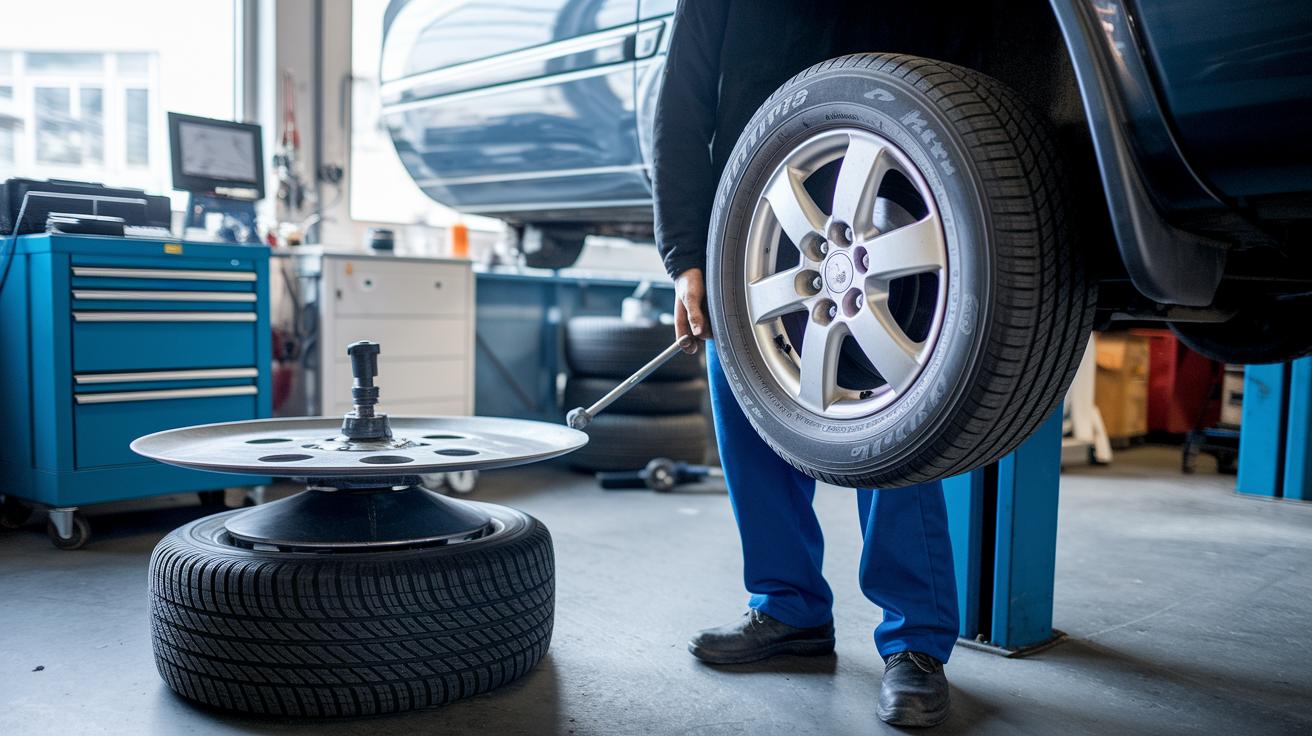
Tire rotation means moving your tires from one spot to another so they wear out evenly. When tires don't wear the same across all sides, you might end up with uneven tread, which can make your ride bumpy and shorten their life. Mechanics usually follow the manufacturer’s pattern, kind of like swapping seats in a car to give everyone a fair turn at the comfiest spot.
Wheel balancing takes a slightly different approach. It uses computer tools to spin your wheels and check for any heavy spots that might cause shakiness. If a heavier spot is found, a small weight is added to the lighter side. Think of it like balancing a seesaw: add a bit to the lighter end, and soon everything evens out for a smoother drive.
Together, tire rotation and wheel balancing keep your ride steady and safe. They help your tires last longer and can even prevent costly repairs down the road. Regular maintenance like this is a simple way to ensure your vehicle stays in top shape.
Key Benefits of Regular Tire Rotation & Balancing
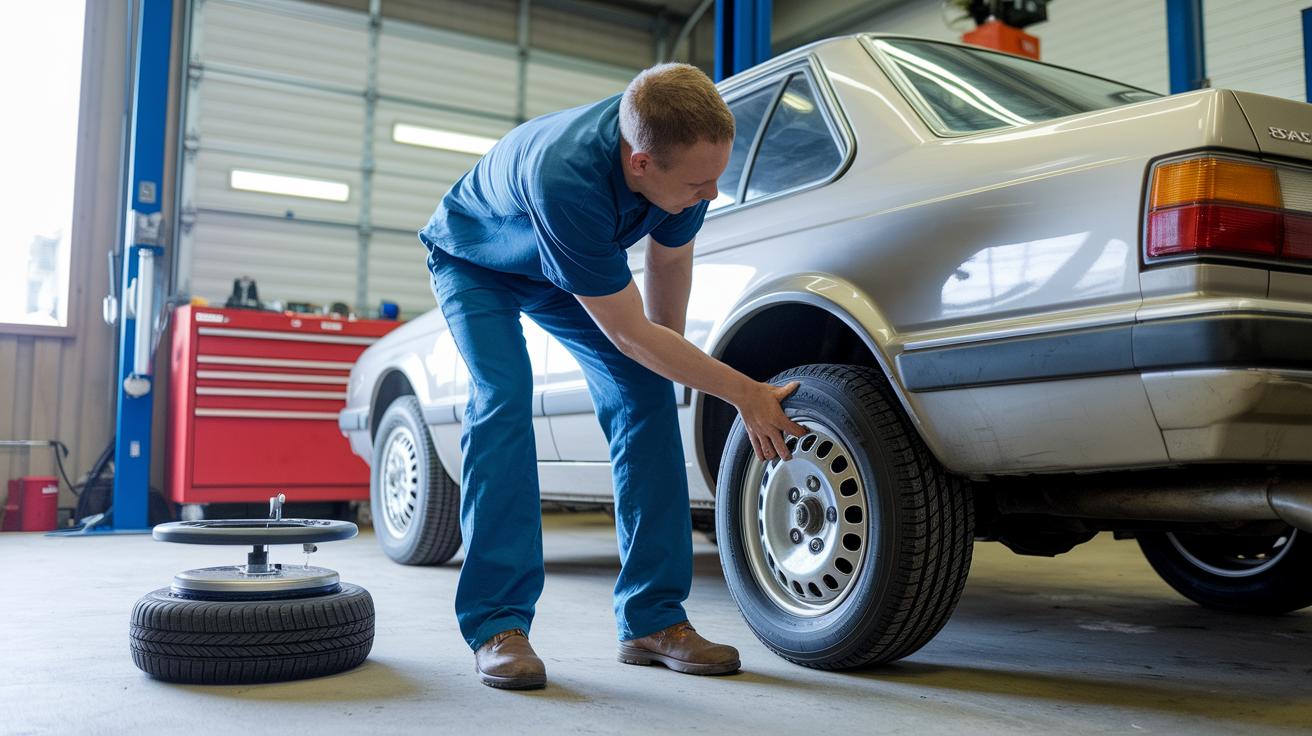
Rotating your tires and keeping them balanced helps them wear out evenly, giving you a smoother ride. When you switch the tires around, every tire gets a fair share of the road, which means they last longer and your car handles and brakes better. Balancing takes care of those little shakes caused by uneven tire weight, kind of like tuning up your car so each part works together.
This practice brings lots of benefits: even tire wear, reduced vibrations for a smoother drive, less extra wear on a single tire, and reduced strain on your steering and suspension. It also boosts traction on different road surfaces and ensures steadier handling overall.
Looking after tire rotation and balancing not only protects your tires but can also help you avoid pricey repairs later on. In truth, keeping your tires in check means you enjoy a safer, more reliable ride every time you hit the road.
Recommended Intervals for Tire Rotation & Balancing
It helps to give your tires some love by checking their rotation and balance regularly. This simple step keeps your ride smooth and makes sure your tires wear evenly over time. Experts say to watch your mileage and the weather to decide when to get these services done.
Here are a few things to keep in mind:
- Mileage Driven – If you’re racking up miles fast, you’ll need to rotate and balance your tires more often.
- Vehicle Type – Different cars and tire styles may do better with specific rotation schedules.
- Manufacturer Guidelines – Always check your car’s owner’s manual for advice that best suits your ride.
Following a routine, like every 5,000 to 8,000 miles or with every other oil change, helps stop uneven tire wear and eases strain on key parts like your suspension. Keeping up with these checks not only makes each drive smoother but also helps your tires stick around longer.
Step-by-Step Shop Procedure for Rotation & Balancing
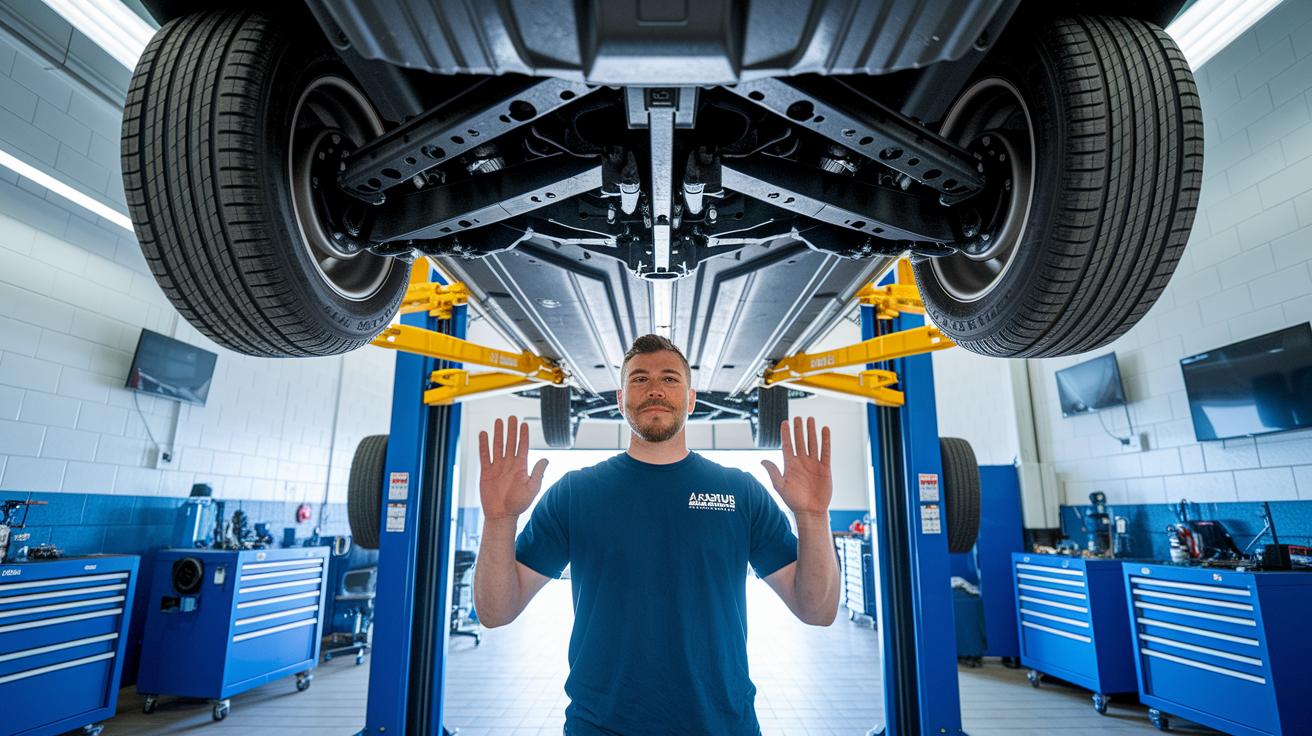
At our service center, our friendly technicians take care of your tires with a thoughtful step-by-step process. They start by checking your vehicle's drive system and picking the right tire movement pattern. For example, if you have front-wheel drive, they might use a forward-cross pattern; if it's four-wheel drive, an X-pattern works best; and for directional tires, a side-to-side swap is the way to go. This careful approach spreads out tire wear, helping your tires last longer and keeping your ride smooth and safe.
Tire Rotation Procedure
First, our technicians gently lift your car using a hydraulic lift (a machine that safely raises the vehicle). They then remove the lug nuts (the bolts that hold the tire on) and take the tires off one by one. Following the car manufacturer's suggested rotation pattern, swapping the front tires to the back and the back tires to the front, they place the tires in the right spots based on the car’s axle setup. Once every tire is back in place, they tighten the lug nuts to just the right torque (a specific, measured tightness). Think of it as re-arranging seats so every tire gets its turn on the road, preventing uneven wear and keeping your wheels perfectly aligned.
Wheel Balancing Procedure
After the rotation, the focus shifts to balancing your wheels. Each tire is mounted on a dynamic spin balancer, a machine that spins the tire to check for wobbles and heavy spots. When a heavy spot is detected, the technician adds a small weight, either an adhesive or clip-on type, to balance out the tire. Then, they do a final lug nut check and even take a short test drive to make sure everything feels just right. This extra step ensures that your drive stays smooth, reducing vibrations and easing the strain on your suspension.
Cost Overview for Tire Rotation & Balancing Services

If you’re planning your car’s regular check-up, it helps to know what you might be paying for tire rotation and balancing. On average, a tire rotation costs about $20 to $40, and balancing usually runs around $40 to $60. When you opt for both services together, you can expect to pay roughly $60 to $100.
Prices might vary depending on where you live, if your car has larger wheels, or if the service includes small weights (tiny metal pieces used to balance your tires). Some shops even throw these services into a multi-point inspection or an oil change, which can make the overall deal even sweeter.
| Service | Typical Cost Range | Notes |
|---|---|---|
| Rotation Only | $20–$40 | Based on standard service centers |
| Balancing Only | $40–$60 | Depends on vehicle wheel size and weight type |
| Combined Service | $60–$100 | Often bundled with oil changes or inspections |
Keep an eye out for coupons or service bundles, too. Local shops often run special deals that combine tire rotation and balancing, so be sure to ask about any current promotions when setting up your appointment.
Diagnosing & Treating Uneven Tire Wear

Your car gives you little hints when your tires need a closer look. If you see that the tread isn't even or if you feel a small shake at higher speeds, it might be time for a check-up. Keeping an eye on your tires during regular drives helps you spot problems early and keeps your ride smooth.
Identifying Wear Patterns
- Cupped or scalloped tread: This shows that your tire might be off balance or that things like your shocks (parts that help absorb bumps) are wearing out.
- Feathered edges: When the edges of the tire look worn or like they are "cut" in one direction, it can mean your wheels might not be aligned properly.
- Vibration on highways: If you experience a steady buzz or shake when cruising, one or more wheels could be out of balance.
- Excessive wear on the front edges: When one spot on the tire wears down faster than the rest, it might be a sign that your tires need to be rotated so the wear is spread out evenly.
If your drive feels rough and shaky, balancing the tires might do the trick by fixing the uneven weight spread around the wheel. But if you spot quicker wear on certain parts of the tread, switching the positions of your tires (rotation) could help even things out again. Checking your tires regularly, even just a quick look at the tread, is a smart way to catch these signs early before they become bigger problems.
Choosing Local Providers for Tire Rotation & Balancing

When you're looking for a shop to handle your tire rotation and balancing, start by checking out local places with lots of positive reviews. It helps a ton if the shop clearly lists its prices and backs up its work with a warranty. And if you can book your appointment online without any fuss, it's a real win.
Good reviews are like hearing from a trusted friend, so look for spots that consistently earn top ratings. Also, be sure the technicians are certified (like having ASE certification means they've proven their skills). Clear, upfront pricing goes a long way in keeping things simple. And a user-friendly online booking system means you can set up your appointment quickly and easily.
Keep an eye out for seasonal deals or bundled packages that might include extra services like tire inspections or re-torque checks (making sure your wheels are tight). Planning ahead before the busy season can help you steer clear of any delays.
- Reviews: Look for A-rated customer feedback and consistent high ratings.
- Certifications: Choose technicians with ASE certification.
- Pricing Transparency: Find services with clear, upfront pricing.
- Appointment Ease: Look for user-friendly online booking systems.
- Promotions: Seek out seasonal deals or bundles that include additional checks.
A quick search for "tire rotation near me" is a great way to find a trusted local provider ready to keep your ride smooth.
Final Words
In the action, we covered how tire rotation and balance help even out tread wear and reduce vibrations. We walked through the simple procedures and shared tips on recognizing wear and selecting local service providers.
This chat reminds us that a regular check-up can improve ride smoothness and safety. Keep your tires in top shape, and hit the road with confidence.
FAQ
Q: What is the cost for tire rotation and balancing services?
A: The tire rotation and balance cost typically ranges from $60 to $100 for a combined service, with rotation alone costing around $20–$40 and balancing around $40–$60. Prices vary by provider and vehicle specifics.
Q: Where can I find tire rotation and balance services near me?
A: The tire rotation and balance near me query points you toward local service centers. Many shops offer these services, often bundled with oil changes, which you can search for using local listings or trusted provider links.
Q: How is tire rotation different from balancing and alignment?
A: The tire rotation vs balancing vs alignment comparison clarifies that rotation moves tires to even wear, balancing corrects uneven weight distribution, and alignment fixes steering angles and suspension geometry.
Q: How often should tires be rotated and balanced?
A: The recommended tire rotation and balance frequency is every 5,000 to 8,000 miles or with every other oil change. Regular maintenance helps promote even tread wear and extend tire life.
Q: How long does a tire rotation and balance take?
A: The tire rotation and balance process usually takes about 45 minutes to an hour in most service centers, though exact timing may vary depending on the shop and vehicle type.
Q: What does a tire rotation and balance diagram show?
A: A tire rotation and balance diagram illustrates the pattern used to move tires across different positions, ensuring even tread wear and showing how each wheel’s weight is corrected for optimal performance.
Q: Does a tire rotation include balancing?
A: The question of whether a tire rotation includes balancing is answered by noting that rotation moves tire positions while balancing addresses uneven weight; many shops offer them as combined services, but they are distinct procedures.

