


Ever noticed that a simple tire rotation can save you both time and money? If you drive long distances, keeping your tires in tip-top shape really makes a difference.
When you put more than 15,000 miles on your car each year, your front tires tend to wear out faster because of constant steering, braking, and quick starts. Rotating your tires regularly helps them wear evenly. In plain language, that means a safer ride and one that feels a lot smoother.
Here, we’re sharing a few easy tips on how to rotate your tires to help them last longer and boost your car’s performance on long trips. It’s all about simple steps that keep your ride rolling strong.
Commuter-Focused Tire Rotation Fundamentals

If you drive long distances, rotating your tires often is a must. When you hit more than 15,000 miles a year, the front tires wear faster because they do most of the steering, braking, and speeding up. Rotating your tires every 10,000 to 15,000 miles helps keep the tire wear (how fast the tire surface fades) even. This not only makes your ride safer but also smoother. Ever picture your tires whispering to each other, "Keeping us rotated helps our grip stay just right"?
Safety is key when you decide to do the rotation yourself. Start by parking on a flat surface and pulling the parking brake. And remember, only loosen the lug nuts while the tires are on the ground; this stops them from spinning dangerously. Never work under a car that’s only supported by a jack, instead, use jack stands to secure your work area. I always double-check that nothing’s around me and that I’ve got all my tools ready before lifting the car, and it really helps avoid mishaps.
Having the right tools makes the whole process a lot easier. You'll need a jack, four jack stands, a lug wrench, and a tire pressure gauge. It might also be a smart idea to add a torque wrench (a tool that helps you tighten lug nuts to just the right level) and some work gloves to your kit, just to keep your hands safe. Plus, doing your own maintenance lets you spot any issues early before they turn into expensive repairs.
• Jack
• Four jack stands
• Lug wrench
• Tire pressure gauge
• Torque wrench (optional)
• Work gloves
Optimal Tire Rotation Intervals for Long-Distance Rides

If you drive over 15,000 miles a year, sticking to a regular tire rotation schedule really makes a difference. Car manufacturers suggest that front-wheel-drive cars have their tires rotated every 5,000 to 7,500 miles. This helps the tires wear evenly, keeping the rubber strong and may even boost your fuel efficiency by about 2%.
Think about it this way: your front tires handle all the steering and braking in city traffic, which means they wear out faster. Waiting until you hit 10,000 to 15,000 miles before rotating them can lead to uneven tread depth, which isn’t safe. If you drive roughly 200 miles every day, checking your tires about every three months is a smart idea. And if you mostly cruise on highways, rotating your tires along with your oil change works great.
Tailor your tire rotation schedule to match your driving style, the load you carry, and the roads you take. A little extra care keeps your tires in better shape for longer.
| Commute Type | Recommended Interval (miles) | Notes |
|---|---|---|
| Daily commuter (~200 mi/day) | 5,000–6,000 | Check every 3 months |
| Highway-only (~6,000 mi/month) | 6,000–7,500 | Rotate with oil changes |
| Mixed urban/highway (10,000 mi/yr) | 5,000 | Shorter interval for stop-and-go traffic |
Choosing the Right Rotation Pattern for Commuter Vehicles
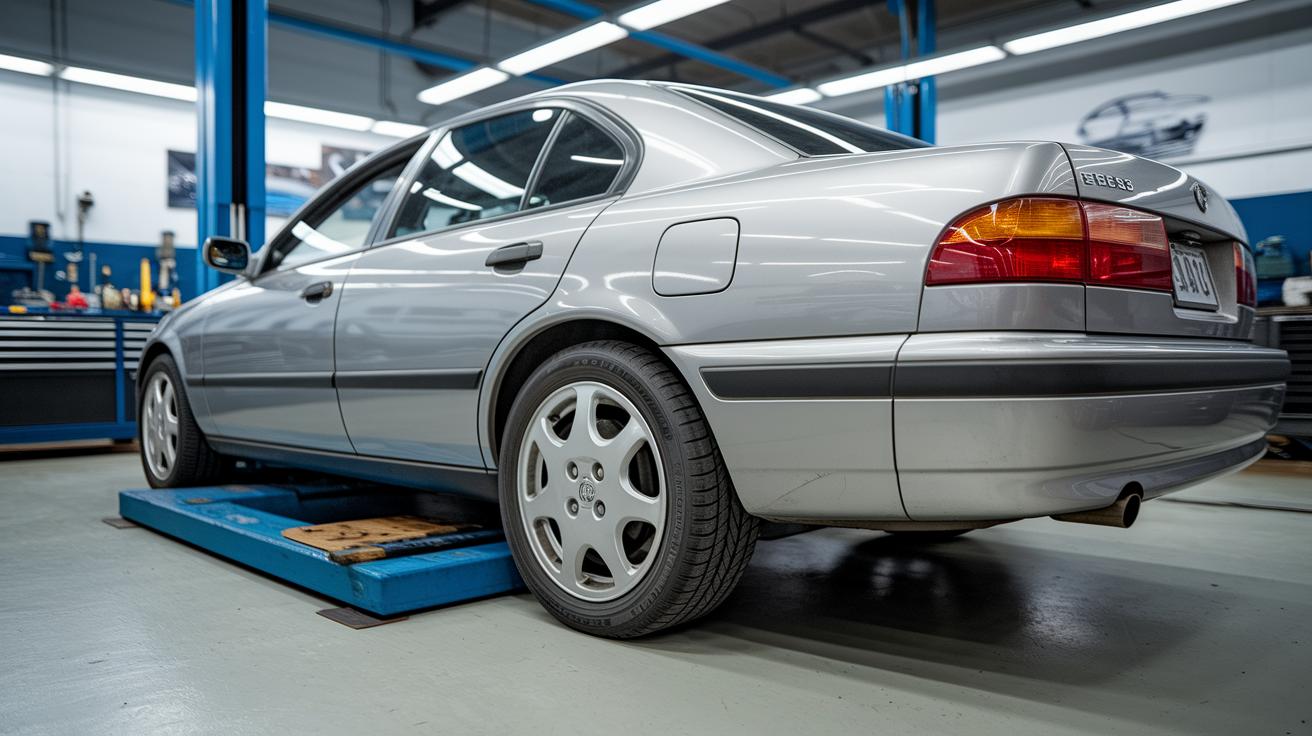
If your car has racked up lots of miles, choosing the right tire rotation pattern is really important. It helps spread out tire wear so your ride stays safe and smooth.
For most front-wheel-drive vehicles, the forward cross pattern is the best bet. In this method, the front tires move directly to the rear, while the rear tires cross over to the front. This even distribution helps balance out the extra wear from steering and braking.
If you drive a rear-wheel-drive or all-wheel-drive car, you might want to try the rearward cross pattern. Here, the rear tires move straight to the front and the front tires cross to the back. This switch helps even out the extra strain that happens at the front during regular driving.
When you have non-directional tires (tires that can turn in any direction) that are all the same size, the X-pattern is a smart choice. With this method, each tire moves diagonally to the opposite corner, which spreads the wear out nicely. But if your tires are directional (designed to roll in one specific direction) or if your car uses different sizes in the front and rear, a side-to-side pattern works better. This pattern simply swaps tires from the left side with those on the right, keeping their overall orientation the same.
Matching the proper pattern to your drivetrain and tire type helps prevent uneven wear and keeps your wheels working their best. Want to learn more? Check out tips on spotting tire wear to know exactly when it’s time to rotate your tires (https://tityres.com?p=1497).
DIY vs Professional Tire Rotation for High-Mileage Commuters

If you're clocking over 15,000 miles a year, you have a couple of solid choices when it comes to rotating your tires. You can roll up your sleeves and do it yourself with a basic toolkit that costs under $20, and usually, it takes about an hour. This hands-on method lets you check your tires up close, but you need to be careful, if you don’t tighten the lug nuts (the fasteners that keep your tire secure) to the right torque (tightness), you might run into problems or even damage your tires.
On the other hand, you can let the pros handle it for around $50 to $100. Skilled technicians can do the job in under an hour, and they also check things like wheel alignment and balance to make sure everything is working as it should. This extra inspection helps protect your car’s warranty and can catch little issues you might miss when doing it yourself. Plus, some shops even offer a free rotation when you buy new tires or bundle the service with an oil change, which can be a nice time-saver.
In truth, doing it yourself can feel rewarding and save a bit of cash, but skipping safety steps might lead to trouble down the road. Scheduling a professional rotation might cost a bit more and require planning ahead, but you get a documented service and a thorough check-up. If you want to read more about the details, check out this link: professional vs DIY tire rotation: key considerations.
For anyone who drives a lot, weighing these options carefully will help keep your tires balanced and wearing evenly, which in the end can extend their life.
Advanced Tire Rotation Inspection and Maintenance Tips for Long-Distance Commuters

If you drive more than 15,000 miles in a year, it's a good idea to look beyond just checking your tire pressure and obvious wear. Notice any subtle vibrations or pulsing that change with your speed. This steady pulse might be a sign of a hidden imbalance or an internal defect (a problem you can’t see just by looking).
Hot or cold weather can also affect your tires in unexpected ways. On a hot day, if your tires get hotter than usual, they might be under-inflated or have hidden damage. In colder weather, the rubber can become stiff and hide early cracks. Using a portable tire temperature gauge is like having an extra tool to spot potential issues before they grow into bigger problems.
It helps to keep a little record of any recurring vibrations or temperature changes. This log gives your technician useful clues, making it easier and faster to pinpoint the issue. It’s a simple step that can save you from unexpected tire troubles on your long trips.
| Indicator | Potential Issue | Diagnostic Tip |
|---|---|---|
| Rhythmic vibration | Hidden imbalance or defect | Check with advanced vibration analysis |
| Excessive tire heat | Under-inflation or internal damage | Use a tire temperature gauge to monitor |
Maximizing Savings and Warranty Benefits with Regular Tire Rotations
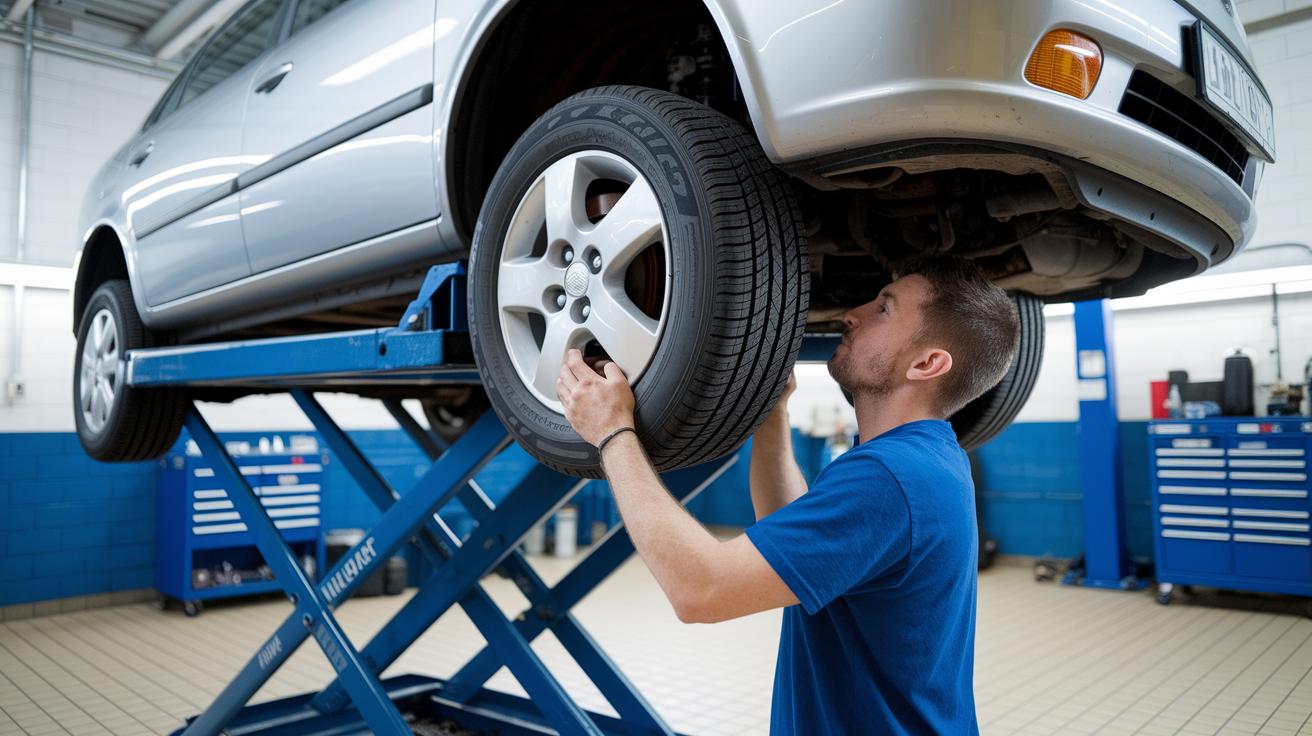
Keeping your tires in rotation not only helps your vehicle stay safe but also saves you cash in the long run. Rotating your tires every 5,000 to 7,500 miles can boost their life by about 20%, which might save you around $300–$500 per set. Plus, lots of tire makers require these rotations to honor a treadwear warranty (that’s a promise covering how fast the tire’s surface wears out), so sticking to a regular schedule is a win for your wallet and warranty.
You can even cut service costs by roughly 15% when you bundle tire rotations with oil changes or wheel alignments. It’s like taking care of several jobs during one visit, which means less hassle and fewer bills. And if your service center has a loyalty program or offers financing options, you can spread out your expenses without feeling the pinch all at once.
It’s a smart idea to jot down your tire rotation mileage and note the pattern you used. This little record keeps your warranty claims smooth and might even bump up your car’s resale value. For those who put on serious miles each year, spending a bit of time on proper tire care can be a simple way to save money and boost your ride’s performance.
Final Words
In the action of keeping your tires in top shape, this discussion covered the basics of tire rotation, the ideal intervals for various commutes, and the different patterns to fit your vehicle type. We looked at DIY versus professional services, shared handy safety tips, and even touched on ways to save money while keeping your ride smooth and safe.
Following tire rotation best practices for long-distance commuters sets you up for a secure, efficient drive. Enjoy the confidence that comes with every well-maintained mile.

