


Ever wonder why swapping your tires is so important, especially for a front-wheel drive car? Many folks skip this quick checkup, but it can really boost your safety on the road.
Your front tires work harder when you steer and brake, which means they wear out faster. Regularly switching them around helps keep every tire in good shape for smooth stops when you really need them.
Think of it like balancing a seesaw. A little care goes a long way in keeping each ride safe and steady.
How to Rotate Tires on a Front-Wheel Drive Vehicle
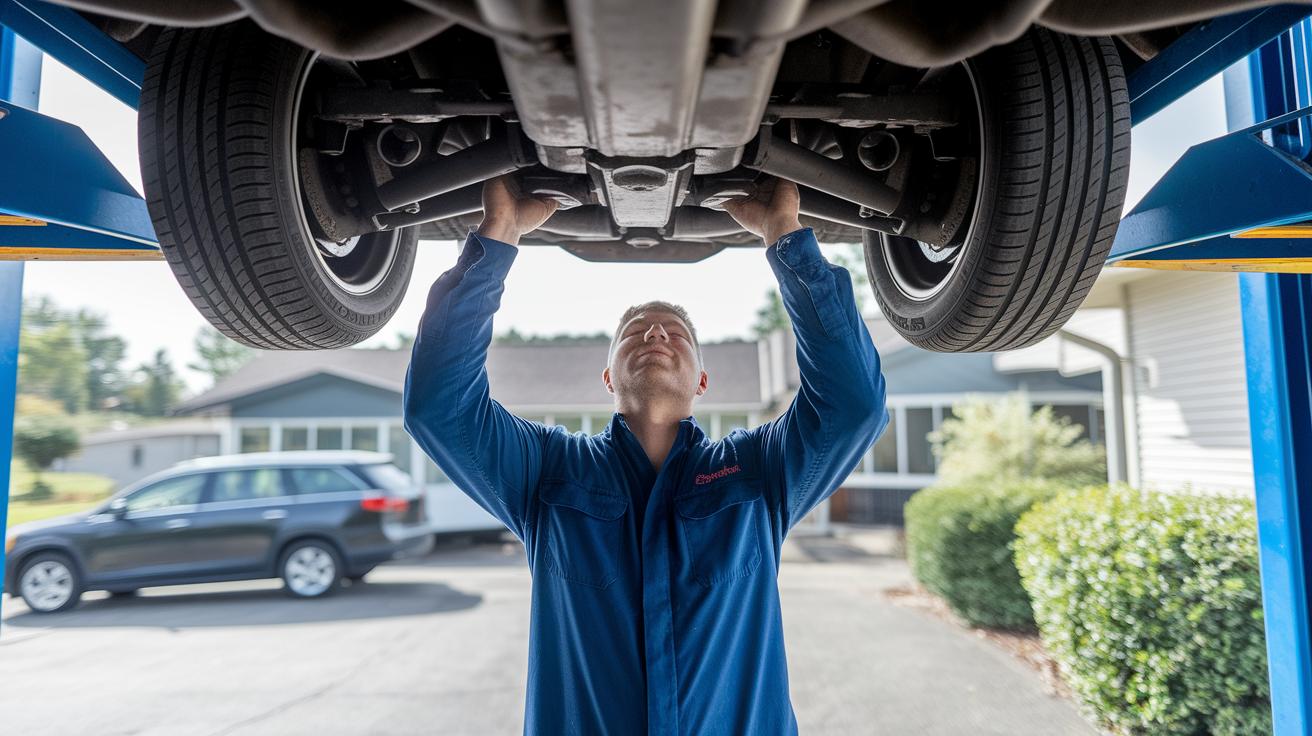
First, get your workspace set up on a flat, level surface and gather your basic tools: a jack, lug wrench, jack stands, and a torque wrench (a tool that ensures bolts are tightened to the right level). While your car is still on the ground, slightly loosen the lug nuts on each tire so they don't spin. Front-wheel drive cars tend to wear the front tires faster because the engine weight and extra work in steering and braking put more stress on them. This simple prep step helps keep everything safe and smooth.
Next, use the jack to lift the car and place jack stands under it for extra security. Once the car is raised safely, remove all the lug nuts and take off each tire one at a time. Now, swap the tires: move the front tires to the rear on the same side and bring the rear tires to the front on the opposite side. Taking your time with this process prevents uneven wear and helps maintain balanced handling and stopping power.
After you’ve repositioned the tires, hand-tighten the lug nuts on each one before lowering the car back down. Once the tires touch the ground, use your torque wrench to tighten the lug nuts following the manufacturer’s instructions. This careful process not only makes your tires last longer but also helps keep your steering and braking reliable. Remember, rotating your tires every 5,000 to 8,000 miles is a smart way to keep your vehicle running smoothly.
Tire Rotation for Front Wheel Drive Boosts Safety

Rotating your tires on a front-wheel drive car helps them last longer and keeps you safe on the road. When you follow a proper rotation plan, you shift the wear evenly, which means your car handles better and brakes reliably. For example, in a forward cross rotation, your front tires move straight to the back on the same side, while the rear tires come forward on the opposite side. This helps because the front tires often wear out quicker due to more stress. Another option is the X-pattern rotation, where the tires swap places diagonally. And if your car uses directional tires (tires designed with a specific direction for better grip), then you only rotate them from front to back on the same side.
Using a clear rotation method also keeps your ride balanced and makes the most out of your tires. Check out the simple table below for a quick look at common rotation methods and when to use them:
| Pattern | Tire Movement | Best For |
|---|---|---|
| Forward Cross Rotation | Front tires move to the rear on the same side; rear tires move to the front on the opposite side | Front-wheel drive cars |
| X-Pattern Rotation | Swap tires diagonally | Even wear on uniform tire sizes |
| Directional Tires Rotation | Move tires front-to-back on the same side | Tires with specific, one-way tread patterns |
| Five-Tire Rotation | Includes a full-size spare tire | Vehicles that use their spare to balance tire wear |
Optimal Frequency and Scheduling for Front-Wheel Drive Tire Rotations

Your front-wheel drive tires should ideally get rotated every 5,000 to 8,000 miles so they wear evenly. Try to time this with regular check-ups like oil changes to keep things simple. If you drive on bumpy roads or in heavy traffic, you might need to swap them sooner, so be sure to check your owner's manual and keep an eye on how your tires are holding up.
It also helps to bundle your tire rotation with other routine maintenance tasks. For instance, while you're following standard guidelines for when to do a tire rotation or checking your overall car maintenance schedule, you can easily line it up with your oil change. This keeps your service visits organized and helps you catch any surprises before they become a problem.
Key Benefits of Regular Tire Rotation on Front-Wheel Drive Vehicles

Rotating your tires regularly makes them wear out evenly, so they last longer (tread wear is just how fast the surface fades). Even wear means your car handles smoothly and your steering stays precise, imagine taking a turn where everything responds just right.
Switching your tires at the recommended times gives you that safe, consistent feeling every time you hit the road. Your brakes and steering work just as they should, so you can drive with confidence knowing your car's performance and safety are on point.
Avoiding Common Mistakes in Front-Wheel Drive Tire Rotation

Let’s talk about some safety tips you might have missed. Mixing up how you place directional tires can mess with the tread (that’s the part that touches the road) and lower your grip on the pavement. Also, skipping a five-tire rotation might mean your spare wears out differently than the others.
Here’s what to do:
- Make sure you install directional tires in the right order.
- If you can, include the spare in your tire rotation so all your tires wear evenly.
Final Words
In the action, this guide covered safe tire rotation practices on fwd vehicles. We walked through DIY steps, rotation patterns, and recommended scheduling intervals while highlighting simple safety safeguards and common pitfalls. The discussion brought forward why regular tire rotation for front wheel drive is key to even wear and reliable performance. Maintaining proper tire care keeps your ride smooth and secure. It feels good to know how a few smart steps make a real difference on the road. Enjoy the drive with peace of mind.
FAQ
What is the best tire rotation pattern for front-wheel drive?
The best tire rotation pattern for front-wheel drive moves the front tires to the rear on the same side and the rear tires to the front on the opposite side, balancing wear and extending tire life.
How do I rotate tires on a front-wheel drive at home?
The process for rotating tires at home starts with parking on a flat surface, loosening lug nuts before jacking, securing the vehicle on jack stands, swapping tires, and then torquing the nuts to the proper specification.
Is tire rotation necessary for front-wheel drive vehicles?
Tire rotation is necessary for front-wheel drive vehicles because it evens out wear, supports consistent handling and braking, and helps avoid the need for premature tire replacement.
Is alignment needed after tire rotation?
Alignment is generally not required after a tire rotation unless you notice uneven tire wear or a pull in the steering, which could signal that an alignment is overdue.
How much does tire rotation cost?
Tire rotation cost usually varies between $20 and $50 at professional shops, though doing it yourself can save money if you invest in the right tools and follow safe procedures.
What are the tire rotation patterns for different drivetrains like AWD, RWD, and 4×4?
Each drivetrain requires a specific tire rotation pattern; for example, front-wheel drive often uses a forward cross method, while AWD, RWD, and 4×4 vehicles may need same-side or side-to-side rotations based on the tires’ design and directionality.
What insights can be found on tire rotation discussions like those on Reddit?
Tire rotation discussions on Reddit offer practical DIY tips, recommendations on safety practices, and firsthand experience from users, providing real-world insights for successful front-wheel drive tire maintenance.

