


Ever notice how a simple tire rotation can be like a secret trick to a smoother ride? Skipping this quick step might cause your tires to wear unevenly (that means one tire might have less tread than the others), which can make your brakes and steering a bit off balance.
Rotating your tires helps keep everything even, so your car stays steady, even when the road is wet. Imagine your tires gripping the road like reliable buddies, giving you the confidence to enjoy every drive.
In this post, we'll chat about how a tire rotation can boost your car's safety and make your rides feel more controlled and smooth.
How Tire Rotation Boosts Vehicle Safety and Handling

Rotating your tires is like giving your car a little refresh. When you move your tires from the front to the back and sometimes swap them from side to side, it helps them wear evenly. Even tread wear (the pattern on your tire's surface that touches the road) is key to keeping your brakes strong and your grip steady.
Even wear means every tire touches the road in the same way, which helps your car stop smoothly even on wet or slippery days. Ever notice how a steady ride makes all the difference? Balanced tires let your car handle turns better and lower the chance of a tire blowing out suddenly.
Small differences in tire wear can affect how your car brakes and steers. By rotating your tires regularly, you help your car keep a stable cornering grip and reliable stopping power. It’s a simple step that leads to a smoother, safer ride every time you hit the road.
Optimizing Tire Wear Patterns for Enhanced Safety
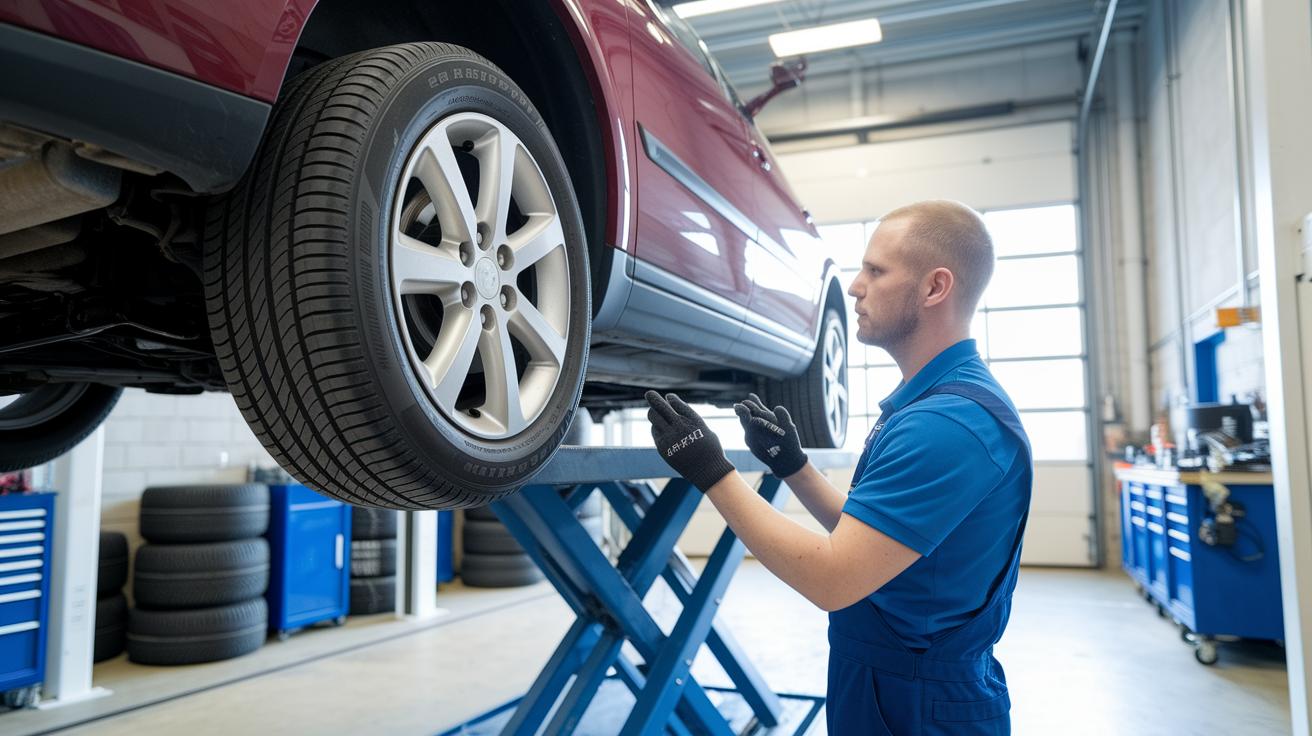
When your tires wear unevenly, it can make your car feel less stable during sharp turns and hard braking. Rotating your tires helps spread out the work each tire does during acceleration, braking, and turning. Imagine braking hard on a rainy day and feeling confident because your tires are balanced.
Balanced tires grip the road better during quick turns, giving you steadier steering and more reliable stopping power. Think of it like a team effort where every tire plays its part so your car can handle slick roads with ease.
Switching your tires from spots with more weight to spots with less can really boost their performance. This rotation method helps each tire grow even wear patterns, which in turn helps your car react better during sudden stops. Safety is key here, when your tires work evenly, you lower the chance of unexpected skids.
In short, regular tire rotation isn’t just a maintenance task; it’s a smart way to keep your ride safe and smooth.
Scheduling Guidelines for Tire Rotation and Maintenance

Experts say it’s a good idea to rotate your tires every 5,000 to 8,000 miles. This often happens when you’re due for an oil change, so why not switch up your tires at the same time? It’s a simple step that makes your ride smoother, can boost your gas mileage by up to 3%, and even makes your car quieter on the road.
Keeping track is super easy. You can jot down your mileage in your car’s logbook or set a reminder on your phone. Regular tire rotations not only make your tires last longer but also help keep your car balanced, which means better braking and steering every time you hit the road.
Think of tire rotation as a two-for-one deal: you get improved performance and extra safety all in one go. And if you’re curious about more details, check out how often you should rotate your tires at https://tityres.com?p=79 for more mileage tips and expert advice.
Selecting the Right Tire Rotation Pattern for Your Drivetrain

Choosing the best tire rotation pattern is important if you want your car to run smoothly. If your vehicle has unidirectional tires (tires made to work in one direction), try swapping the front and back tires. This simple step spreads the wear evenly so your tires stick around longer.
For cars with rear-wheel drive, you might try the rearward cross method. It means moving the tires diagonally , front tires go to the back and back tires cross over to the front. Ever notice how uneven tire wear can mess with your brakes? This pattern helps keep the grip and steering just right.
For front-wheel-drive cars, the forward cross system is a smart choice. In this setup, the front tires go to the opposite back positions and the rear tires move up on the same side. This keeps things balanced and helps your car handle corners safely.
For all-wheel-drive vehicles, give the X-pattern rotation a try. This method swaps tires diagonally so each tire gets a turn in different spots, like a relay race where every tire leads the pack. It’s a great way to handle various road conditions and keep your ride smooth and safe.
DIY vs Professional Tire Rotation: Impact on Safety and Precision

If you try doing your own tire rotation, you could save a few bucks with basic tools costing less than $20. But when you handle balance restoration (making sure your tires are evenly tightened) on your own, small mistakes can lead to uneven torque and misalignment. This might mean your tires don’t grip the road as well, even if you stick to recommended check-ups.
Some folks use home tricks to avoid these issues, yet their makeshift fixes often just don’t measure up to professional equipment.
Professional tire rotation uses special tools and expert know-how to get things right. Technicians rely on torque wrenches (tools that ensure bolts are tightened to the right level), chasis lifts, and balancing machines to hit the perfect numbers every time. They also check for sidewall damage and irregular wear that could signal alignment or suspension problems.
Sticking to proper maintenance intervals and proven methods, professional services offer a safer, more consistent ride. It might cost a bit more, but that extra precision brings the comfort of knowing your tires are at their best.
Monitoring Tire Health for Consistent Handling Performance

Just as you'd glance over your car before a long drive, giving your tires a quick check keeps your ride safe and smooth. Every month, a simple look at your tires can help catch early signs of wear that might make steering awkward or affect how well you take corners. Start with the tread (those grooves on your tire), it should read above the 2/32" mark, which is the minimum safe depth. Look closely at the wear bars (small ridges in the grooves) as they tell you when the tread is getting too low.
Next, check the tire sidewalls for any cuts or bulges. These little issues might mean the tire isn’t bending the way it should during turns, which can throw off your handling. And don’t forget to check the tire pressure with a gauge. Too much or too little air can cause uneven wear and make your car feel less steady on the road.
It can be really helpful to keep a simple log of your monthly check-ups. If you notice one tire looks more worn on one side, it might be a sign to see a pro.
- Measure your tread each month
- Look for wear bars, cuts, or bulges
- Check your tire pressures regularly
Taking these small steps can give you better steering control and a consistently smooth drive, ensuring each journey is as safe as it is enjoyable.
Performance and Efficiency Gains from Routine Tire Rotation

When you rotate your tires regularly, it helps them wear evenly. This even wear makes sure your car's grip stays balanced, so it handles turns and sudden stops more smoothly. One driver mentioned, "After my routine tire rotation, the car reacted faster in tight maneuvers." That’s a real-world example that shows these benefits do add up.
Tests have shown that even tread wear makes your car handle better. In controlled tests, drivers recorded up to a 5% shorter stopping distance after rotating their tires. One user explained, "I measured a noticeable shift in my vehicle's responsiveness after rotation, and that 5% cut in braking distance made all the difference during sudden stops."
| Performance Metric | Observed Improvement |
|---|---|
| Tire contact consistency | Better control and handling |
| Braking distance | Up to 5% reduction |
- Even tire wear leads to smoother handling
- Shorter braking distances during tests
- Real user feedback that proves better performance
Final Words
In the action, we explored how regular tire rotation keeps your ride steady and safe. We broke down how moving your tires helps spread wear evenly, which boosts traction and braking. We also looked at scheduling rotations and choosing patterns that best match your vehicle. This guide shows how a proper tire rotation impact on vehicle safety and handling can keep your car in top shape. Keep up with these tips, and you'll enjoy smoother, safer rides every time.

