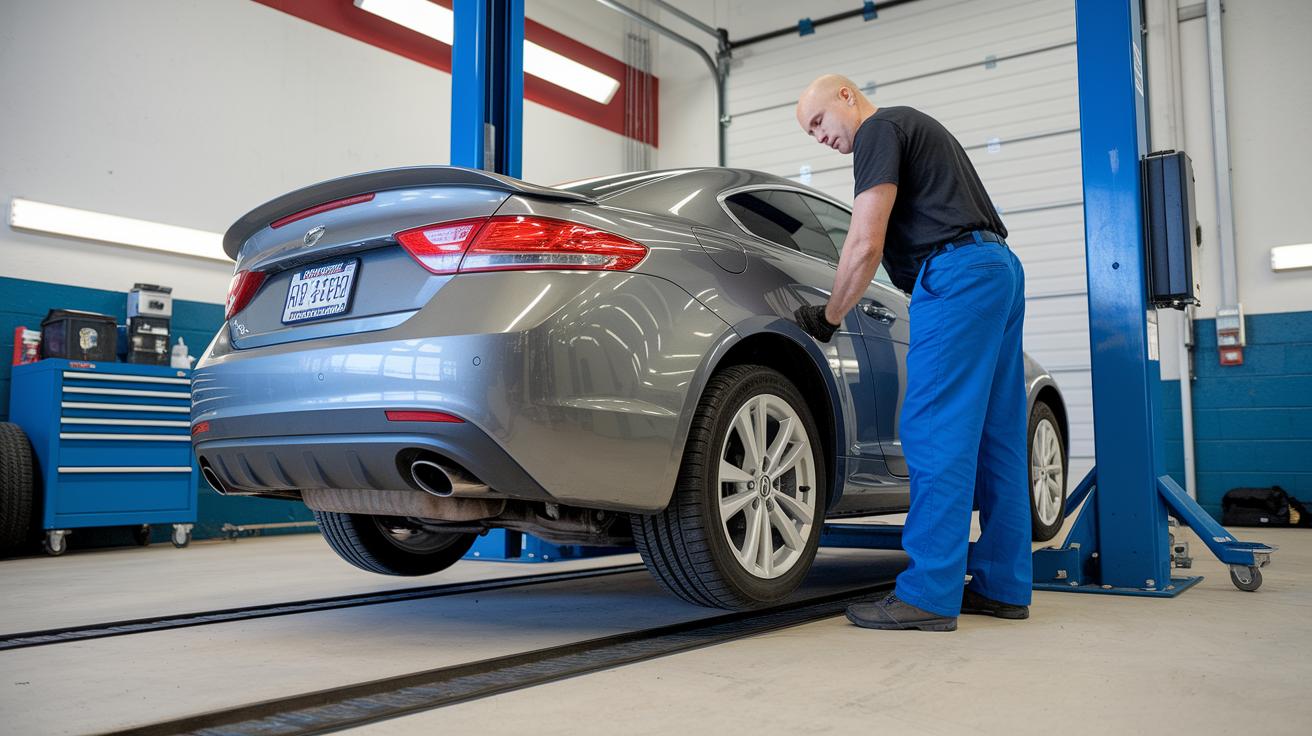


Ever notice how a quick tire swap can do wonders for your ride? It might seem odd, but if your car is a rear-wheel drive (that's when the back wheels power the car), switching the tires from the front to the back can give you extra grip and a smoother handle.
This simple trick helps your tires wear (that is, the surface of the tire wears down) more evenly, which means they stick around longer and even make your car feel a bit bouncier on the road.
Sometimes, a small change like this is all you need to boost your car’s performance. Just follow the easy steps, and you might soon feel the difference in your drive.
How to Rotate Tires on Rear-Wheel Drive Vehicles: Step-by-Step RWD Guide

Rotating your tires on a rear-wheel drive is an easy routine that helps keep them wearing evenly and your car running smoothly. Trucks and sports cars especially get a boost in traction when you swap the tires. Most folks use what’s called the Rearward Cross method, where the back tires move straight to the front and the front tires cross over to the back. This simple switch actually makes a big difference by improving grip and extending tire life. You usually want to do this every 6,000 to 8,000 miles.
You’ll need a few basic tools, a lug nut wrench, a car jack, and some jack stands, to get the job done right. Here’s how to roll through the process:
- Start by loosening the lug nuts on all four wheels while your vehicle is still on the ground.
- Lift the vehicle with your car jack and set it safely on jack stands.
- Remove the rear tires and place them straight in the front spots.
- Take off the front tires and move them diagonally to the opposite rear positions.
- Hand-tighten the lug nuts to hold the tires in place, then use your wrench to tighten them in a star pattern.
- Slowly lower your vehicle back down and finish tightening the lug nuts with a torque tool.
- Finally, check each tire’s pressure and adjust them to the manufacturer’s recommended PSI.
Always work on a flat, steady surface and use sturdy jack stands, you should never rely on the jack alone. After a short drive, give the lug nuts another check to ensure everything is secure. Keeping up with these simple steps and regular tire pressure checks can help you enjoy a safer, smoother ride.
Optimal Frequency for Rear-Wheel Drive Tire Rotation
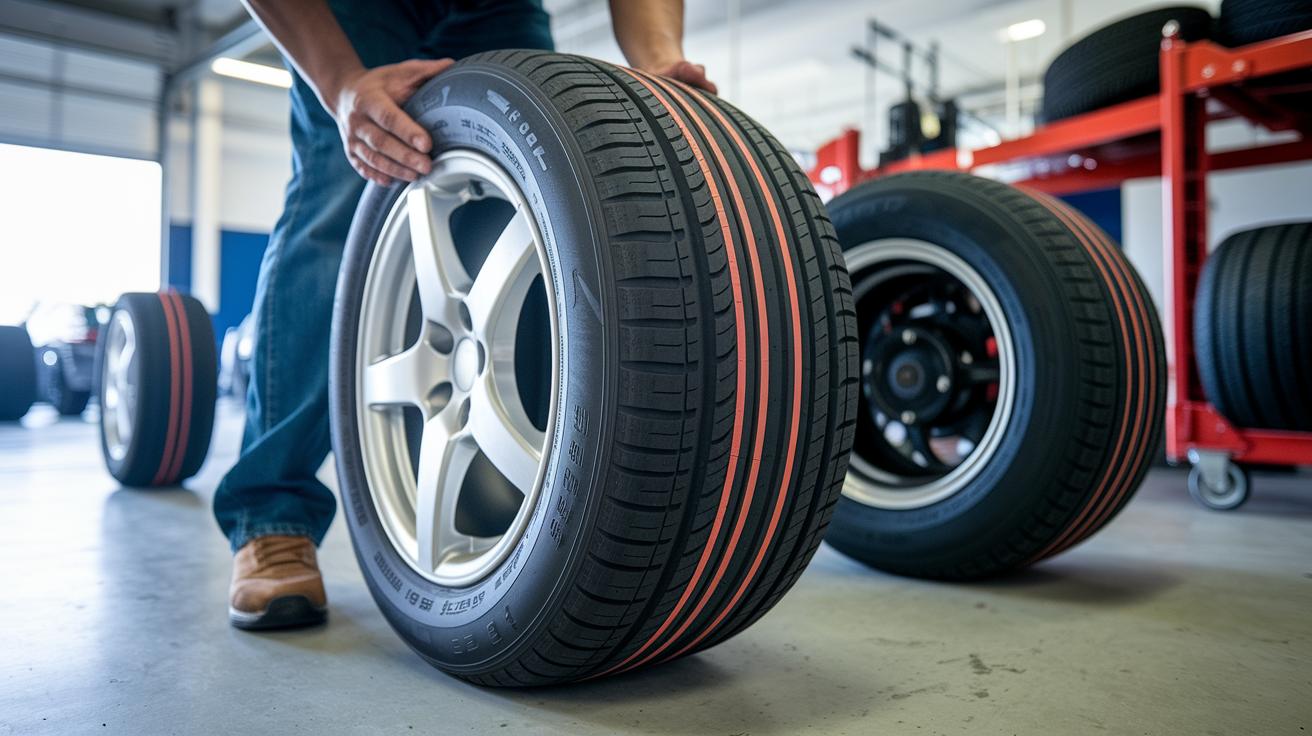
If you drive a rear-wheel car, most experts say swap your tires every 6,000 to 8,000 miles. This helps all your tires wear down evenly so you get a smoother ride and more reliable stopping power.
Keep in mind, things like the tire's makeup (the rubber compound), how hard you drive, and even what your owner’s manual suggests can change this timing. And if you like to put the pedal to the metal, you might notice uneven wear a bit sooner.
So, take a little time to check your tires now and then and flip them when needed. By tuning into how your tires are performing and keeping up with your car’s guide, you’ll enjoy a steadier grip on the road and get more life out of your tires.
Choosing the Right Rotation Pattern for Rear-Wheel Drive

If your car has regular tires that aren’t built to go one way, try the rearward cross pattern. Check out our guide for step-by-step details. Fun fact: using this method can help your tires last longer, much like a smart pit stop keeps a race car running at its best.
But if your tires show arrows or other clear tread patterns, swapping them front-to-back is the way to go. This keeps the tire’s grip intact and stops uneven wear, making sure your ride handles smoothly. For example, if you notice arrows on the tread, a simple front-to-back swap is your best bet.
And don’t forget: always check your tire sidewalls for any markings and follow the tire maker’s recommendations.
Essential Tools and Safety Tips for DIY RWD Tire Rotation
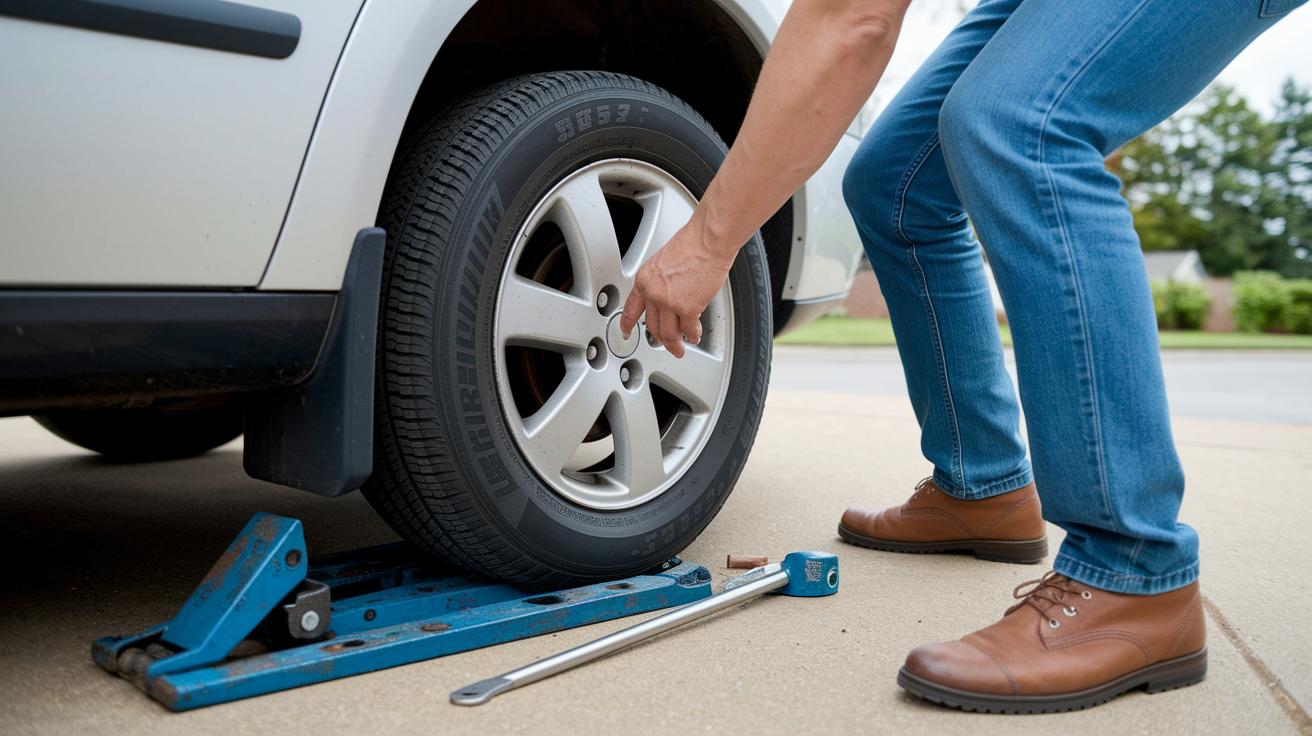
When you're ready to switch out your rear-wheel drive tires by yourself, having the right tools makes all the difference. You’re going to need a lug nut wrench (that handy tool for loosening your bolts), a car jack, jack stands, wheel chocks, and a torque wrench (this one ensures your lug nuts are tightened correctly). For a full run-down of what you need, check out our tire installation tools link.
Work on a flat, level surface and be sure to set wheel chocks behind the wheels you aren’t working on to stop any unwanted rolling. Use your car jack only to lift the vehicle for a short time before you switch to sturdy jack stands, don’t rely on the jack alone because it can tip over unexpectedly. Also, remember to tighten your lug nuts in a star or starburst pattern so all the pressure is spread out evenly, which helps prevent things like warped brake rotors.
Before lowering your car back onto the ground, take a moment to check that the jack stands are stable and re-check the tightness of your lug nuts. A quick tire pressure check after everything is done will make sure your ride is safe and sound. Following these simple steps can keep your rear-wheel drive working smoothly and safely.
Post-Rotation Alignment and Balance Checks for RWD Vehicles

After you swap your tires, take a moment to make sure the wheels are lined up right. When they’re out of line, your tires can wear unevenly and your car might feel odd during quick turns or sudden stops. You can check the alignment by comparing the wheel positions with your car's guidelines. It’s a small step that helps keep your rear-wheel drive steady and gives you a smoother ride.
Next, check the air in each tire and fill them to the maker’s recommended pressure (the exact number they suggest). Also, give the lug nuts another look to be sure they’re snug, too loose or too tight might cause a little wobble or make the car pull to one side. Listen carefully for any odd sounds or differences in how your car feels on the road. These extra checks help keep your ride balanced and can even make your tires last longer.
Troubleshooting Common Rear-Wheel Drive Tire Rotation Issues

When you're swapping tires on a rear-wheel drive, you might bump into a few common issues that can mess with your car's feel and safety. For instance, you could see uneven wear if you don't stick to the right rotation pattern, or you might notice a vibration if lug nuts aren’t tightened properly (that means they could be too loose or too tight). And if a jack stand isn’t holding firm, your tire might not be secure during the change. Knowing these pitfalls can really help you spot and fix problems on the fly during your DIY project.
- Make sure you follow the Rearward Cross method exactly so your tires wear evenly.
- After about 50 miles, re-torque your lug nuts to keep them snug and steady.
- Check your tire tread depths regularly to catch any unusual wear that might mean something's off with your rotation.
- Use a calibrated torque wrench to tighten the lug nuts just right, no room for them to be too loose or over-tightened.
- Keep an eye on your jack stands to ensure they remain solid and secure the vehicle while you work.
Taking these steps into account helps you avoid common mistakes and keeps your tires working their best. A little extra care with each step means your rear-wheel drive will keep running safely and smoothly mile after mile.
Final Words
In the action, we broke down how to rotate tires on rear-wheel drive vehicles. We covered the Rearward Cross pattern, timing for rotations, the essential tools you need, and safety tips to keep your work on track.
We also touched on alignment, balance checks, and troubleshooting common issues. This guide helps you master tire rotation on rear wheel drive so you can enjoy better tire performance and safety every time you hit the road.
FAQ
Q: What are the tire rotation patterns for 4×4, front-wheel drive, AWD, and RWD vehicles?
A: The tire rotation pattern for each drivetrain depends on vehicle design. For 4×4 models, a method like the Rearward Cross is used, front-wheel drive swaps front with rear, and AWD follows its own setup.
Q: What is the typical tire rotation cost?
A: The tire rotation cost is generally modest. Many tire shops offer rotation services at a reasonable fee, which varies based on service location and vehicle type.
Q: Is tire rotation necessary, especially for rear-wheel drive vehicles?
A: Tire rotation is necessary to even out tire wear and extend tire life. Rear-wheel drive vehicles benefit by having tires rotated every 6,000–8,000 miles to maintain a safe and stable ride.
Q: Where can I find a tire rotation service near me?
A: You can find a tire rotation service near you by searching online, checking local auto shops, or using service directories to locate trusted centers offering tire maintenance.
Q: How do I do tire rotation on a rear-wheel drive vehicle?
A: The process starts with loosening lug nuts, then lifting and securing the car on jack stands. Next, swap the tires using the Rearward Cross pattern, re-torque the lug nuts, and check the tire pressure.
Q: Do AWD and RWD vehicles require different tire rotation schedules?
A: Both AWD and RWD vehicles need tire rotations to balance wear. AWD models often call for shorter intervals, while RWD vehicles typically follow a 6,000–8,000 mile schedule for optimal performance.

