


Ever notice your car feeling a bit off even when you keep up with maintenance? It could be that your tires are burning out a specific spot. A tire rotation moves them around so they wear evenly (tread wear is just how fast the tire’s surface gets used up), giving your car a steadier, smoother ride. It's a simple trick that not only lasts your tires longer but also helps your car perform safely. So, every few thousand miles, swapping your tire positions is a smart and affordable way to keep your ride in top shape.
Tire Rotation Service: Enjoy Smooth Rides
When you get a tire rotation, you're simply switching the positions of your tires to help them last longer. Front tires usually wear out faster because they do extra work like steering and braking. Rotating your tires keeps the wear even so none of them get old too soon.
This simple maintenance step can really stretch out the life of your tires and keep your ride safe. Whether you go to your local dealership or an independent shop, getting your tires rotated every 5,000 to 8,000 miles can prevent uneven wear that might cause problems later.
| Benefit | Description |
|---|---|
| Even wear | Your tires wear out uniformly, reducing the chance of early damage. |
| Enhanced safety | Balanced tires improve your car’s handling and safety on the road. |
| Warranty compliance | Many manufacturers require tire rotation to keep your warranty valid. |
| Affordable | The service usually costs between $20 and $50. |
Local shops offer tire rotations that are easy to get. Dealerships might charge between $30 and $50, while many independent places charge around $20 to $35. And if you're handy and have a jack and jack stands at home, you could even try it yourself. Before you decide, check out reviews and ratings to find a shop with certified techs and current equipment. This way, you can keep enjoying smooth rides and avoid any unwelcome surprises on the road.
Benefits of Tire Rotation Service for Tire Longevity

Regularly rotating your tires is like giving them a well-deserved break while keeping your ride safe and smooth. When you switch their positions, you help even out the wear (the gradual wearing down of the tread, which is the part of the tire that touches the road) because tires face different forces depending on where they sit. This simple step not only improves braking and traction but also eases stress on the tire’s structure.
Even wear means that each tire wears at a similar rate. For example, the front tires, which handle more of the car’s power, can wear out faster. Rotating them can lead to roughly a 20% longer tire life, a win for your wallet and for your safety.
When tires wear evenly, your car handles better too. It means smoother braking and more secure turns, plus you’re more likely to meet warranty requirements since many manufacturers require documented rotations. In short, regular tire rotation saves you money by reducing the need for early replacements.
This easy, preventative maintenance not only extends your tires’ lifespan but also contributes to a safer, quieter ride every time you hit the road.
Standard Tire Rotation Service Patterns & Procedure Details
Forward Cross Pattern
For front-wheel-drive vehicles, this method moves the front tires straight back on the same side. Then, the rear tires cross over to the front on the opposite side. This simple switch helps even out wear, especially since front tires handle most of the braking and steering. It’s a lot like smoothly shifting gears on a quiet drive.
Rearward Cross Pattern
This pattern is perfect for rear-wheel-drive cars. Here, the rear tires move directly up to the front on the same side, while the front tires cross diagonally to the back. This rearrangement keeps tire wear balanced and the driving feel steady, almost like swapping seats so everyone gets a fair turn experiencing the road.
X-Pattern
Ideal for all-wheel-drive or four-wheel-drive vehicles, the X-Pattern makes each tire cross diagonally from one side and axle to the opposite. This way, every tire feels a mix of conditions, which helps keep wear even. Think of it as giving each tire its own share of the road, leading to a more secure grip and smoother ride.
Side-to-Side & Front-to-Back Pattern
This method works best for cars with directional or size-specific tires. With the Side-to-Side technique, you simply swap tires from the left to the right on the same axle. The Front-to-Back method swaps tires between the front and rear but keeps them on the same side. Including a full-size spare in the rotation helps keep everything fair. Many drivers appreciate how straightforward and effective this method can be.
| Pattern | Vehicle Type | Tire Movement |
|---|---|---|
| Forward Cross | FWD | Front-to-back same side; rear cross-to-front |
| Rearward Cross | RWD | Rear-to-front same side; front cross-to-rear |
| X-Pattern | AWD/4WD | All tires cross diagonally |
| Side-to-Side | Directional/Size-specific | Swap left and right on same axle |
| Front-to-Back | Directional/Size-specific | Switch between front and rear on same side |
Recommended Frequency for Tire Rotation Service

Regular tire rotation helps keep your ride smooth and your tires wearing evenly. Most car makers say you should rotate your tires every 5,000 to 8,000 miles, which usually lines up with every other oil change. Doing this simple check helps stop uneven wear that can mess with your handling and braking. It also makes your tires last longer and keeps your car in great shape.
Here’s a quick look at typical guidelines based on your vehicle type:
| Drivetrain | Recommended Mileage |
|---|---|
| FWD (Front-Wheel Drive) | Every 5,000 miles |
| RWD (Rear-Wheel Drive) | Every 6,000 miles |
| AWD/4WD (All or Four-Wheel Drive) | Every 5,000–7,000 miles |
| Electric | Every 5,000–8,000 miles |
If your tires are new, you might need to rotate them a bit sooner just to keep the wear even from the get-go. And since each type of vehicle has its own wear pattern, these numbers are a handy rule of thumb. Always check your owner’s manual for the details that fit your ride best.
Tire Rotation Service Pricing, Deals & Combo Offers
When you get your tires rotated, costs can change a lot depending on where you go. Independent shops often charge between $20 and $35, while dealerships usually ask for about $30 to $50. If you need wheel balancing (which helps keep your tires straight and your ride smooth), expect an extra $10 to $20.
Some places even bundle an oil change with your tire rotation for a total of $40 to $60. And if you find a seasonal deal or a coupon, you could shave off about 10-15%, making it even easier on your wallet.
| Provider Type | Rotation Cost | Balancing Fee | Combo Price |
|---|---|---|---|
| Dealership | $30-$50 | $10-$20 | $40-$60 |
| Independent Shop | $20-$35 | $10-$20 | $40-$60 |
| National Chain | $25-$45 | $10-$20 | $40-$60 |
| Mobile Service | $30-$50 | $10-$20 | $40-$60 |
- Look for discount coupons in local ads or online.
- Mix services up, like booking an oil change along with your rotation combo.
- Try to schedule your appointment on a less busy day for extra savings.
- Sign up for loyalty programs to grab regular discounts.
Digital Booking & Mobile Tire Rotation Service Options

Booking your tire rotation online is super easy. Many shops let you pick an appointment in real time, so you can schedule your service when it fits your busy day. Whether you're at home or on the go, using your smartphone or computer to book is just a few taps away. Plus, you'll get quick confirmations and handy reminders via text or email that keep everything running smoothly.
Here's a simple breakdown:
| Step | What to Do |
|---|---|
| 1 | Select the service on the website or app |
| 2 | Pick the date and time that works for you |
| 3 | Enter your vehicle details |
| 4 | Receive your confirmation and reminders |
Mobile services take convenience one step further. A mobile technician can come right to your house or workplace, usually finishing the tire rotation in 30 to 45 minutes. It’s a hassle-free option that lets you keep your busy schedule while still enjoying evenly rotated tires.
Selecting Your Tire Rotation Service Provider
Finding a great spot for your tire rotation is all about choosing a place with friendly, skilled technicians and lots of happy customers. When you’re checking out a shop, be sure to look for these basics:
- Certifications: Find technicians with the proper credentials (like ASE or AAM, which show they know their stuff).
- Reviews: Read what other drivers have to say to see if the service is trustworthy.
- Equipment: Make sure they use modern, well-cared-for tools.
- Location: Pick a shop that's close by for an easy visit.
- Pricing: Compare costs to see if the rates are fair.
- Warranties: Ask if they offer any warranties to protect your investment.
Sometimes, big names like Walmart or Costco offer tire rotations for as little as $15 to $25. But if you like a more personal touch, local shops or mobile services might be the way to go, even if their prices run a bit higher, around $40 to $60. In the end, you want a service that’s convenient, has trained experts, and uses the right equipment so you know your car is in good hands.
Tire Rotation Service FAQs & Troubleshooting Tips
-
Can I perform a DIY tire rotation?
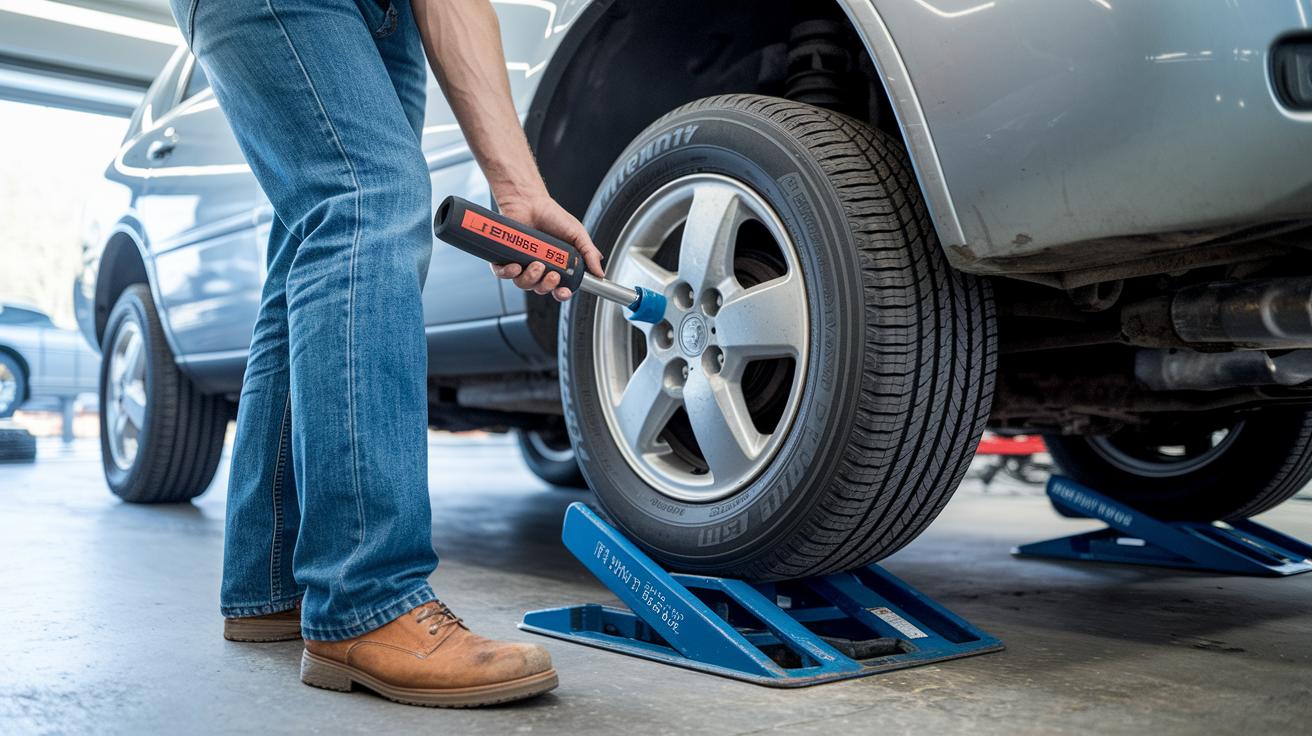
You sure can try it yourself if you have the right tools like a jack and jack stands and follow simple safety steps. Just be sure to secure your jack well before lifting your car. -
How long does a professional tire rotation usually take?
A pro typically wraps it up in about 30 to 45 minutes, kind of like a quick pit stop. -
What checks should be made right after a rotation?
Once your tires are rotated, take a minute to check that the lug nuts are tight and your tire pressure is just right. Think of it like making sure the screws on a door are snug. -
What might vibrations during driving indicate?
If you feel your car shaking, it might be a sign that your tires need balancing. -
How can uneven tire wear signal an issue with a DIY rotation?
Uneven tread wear could mean that the lug nuts weren’t aligned properly or the tires weren’t rotated correctly. -
What troubleshooting steps can be taken when noticing unusual tire wear?
If you spot some odd wear patterns, check your tire pressure and lug nut tightness to catch any issues early. -
When should a professional be consulted about DIY rotation work?
If you’re not 100% sure about what you’re doing or the problems keep coming back, it’s a smart move to call in a professional.
If you notice uneven wear or strange vibrations, take another look at your lug nuts and tire pressure to keep your tires safe on the road.
Tire Rotation Service for Electric & Performance Vehicles
When you drive an electric car, the extra battery weight means your tires can wear out faster. For instance, a Tesla might need its wheels moved around a bit differently because its regenerative braking (using the electric motor to slow you down) makes the tires work in a special way on the road.
Performance tires, especially ones built to go in one direction or that come in a specific size, might need a unique rotation pattern. Sometimes, a simple side-to-side or front-to-back swap is the best way to help them handle the extra stress during a fun, spirited drive.
Nowadays, systems like TPMS (Tire Pressure Monitoring System, which tells you if your tires have the right amount of air) make it a lot easier to keep tabs on your tire health. It’s like having a little helper that keeps an eye on your tire pressure and alerts you when something’s off.
Here are some steps to keep your ride smooth and safe:
- Change your tire rotation pattern depending on your car’s drive system and the type of tires you use.
- Check your tire pressure on a regular basis to keep them at the perfect level.
- Use the info from your TPMS to make sure maintenance happens at the right time and to catch any issues early.
- Remember to recycle old tires so you help out the environment by cutting down on waste.
Final Words
In the action, this blog post covered every detail about tire rotation service, explaining why changing tire positions helps even out wear and keeps drivers safe. We touched on service patterns, ideal rotation frequencies, pricing options, and digital booking solutions. The article also offered helpful FAQs and advice tailored for modern vehicles like EVs and performance models. All this info is designed to help you choose the right tire rotation service and keep your tires performing reliably. Drive safe and enjoy the smooth ride.
FAQ
How much does tire rotation usually cost, including services like wheel balancing at places like Jiffy Lube and Valvoline?
The tire rotation cost typically ranges from $20 to $50. Some locations add an extra $10 to $20 for balancing, so check local prices at shops like Jiffy Lube or Valvoline for accurate quotes.
How do I find tire rotation services near me, and do many oil change packages include a free rotation?
Searching for tire rotation services near you is easy. Many oil change deals come with free rotations, so use local directories or online maps to locate shops that offer this combined service.

