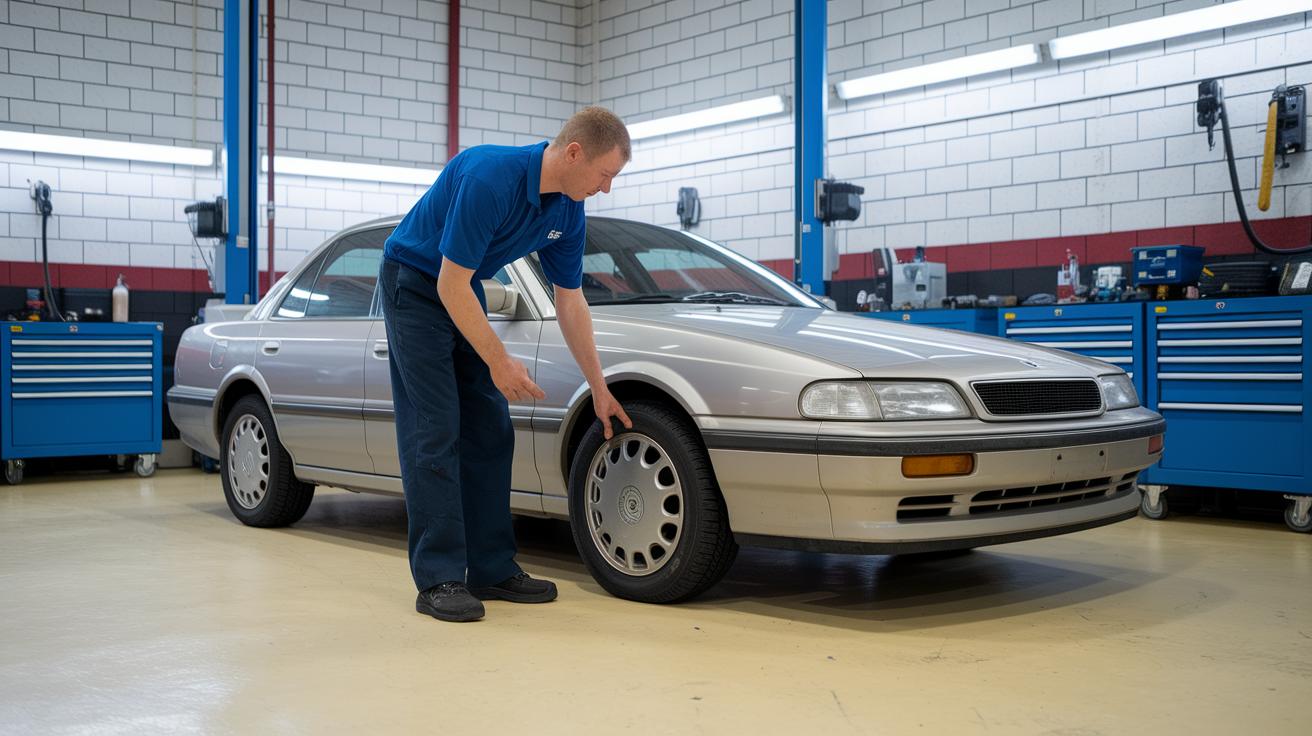


Ever notice how your tires sometimes wear out unevenly? If your car has seen tens of thousands of miles, the usual tire rotations might not be enough.
Old tires need a special kind of care to stay balanced and safe. In this article, you'll pick up some simple tire rotation tips that help spread out wear, even boost your fuel economy, and keep your car handling nicely on the road.
Using these easy tricks is like giving your tires a little extra help, so you can drive with more confidence no matter how far you go.
Core Tire Rotation Techniques for High-Mileage Vehicles
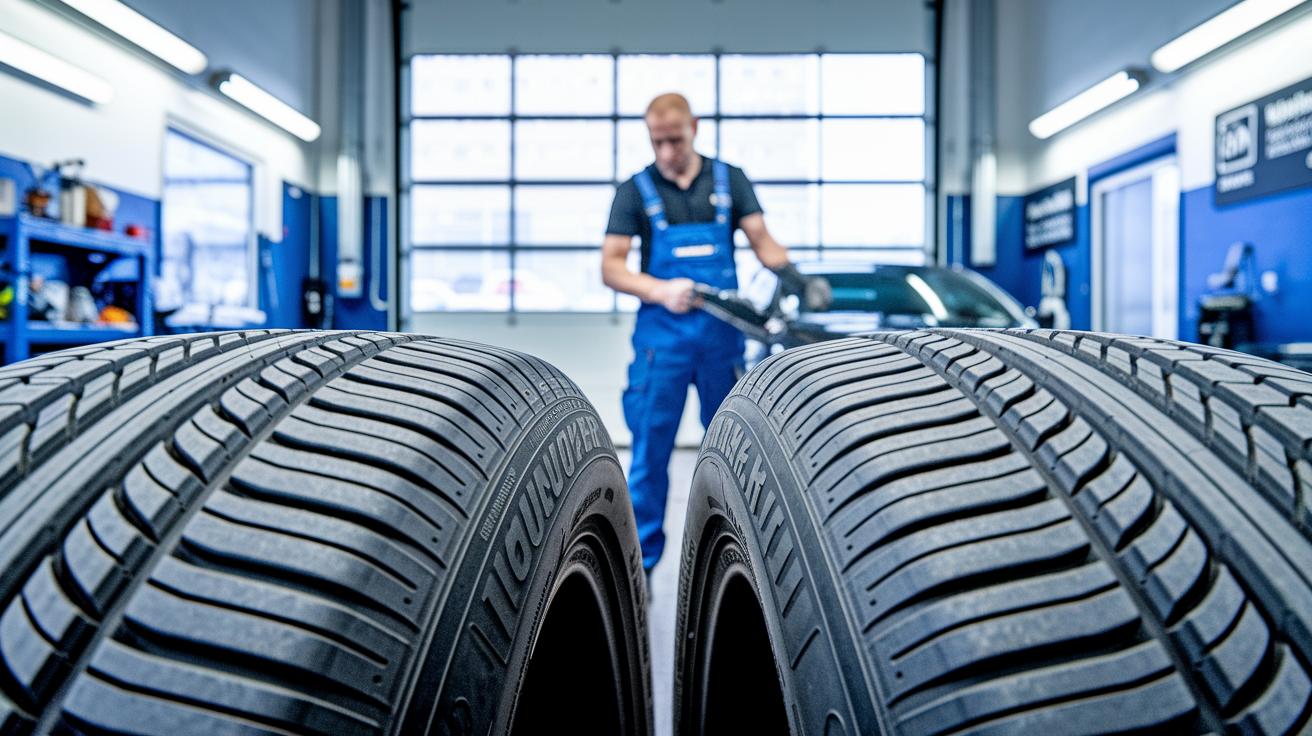
High-mileage tires wear in a different way than new ones. After about 50,000 miles, they start to show uneven wear because they’ve spent so much time on the road. A simple switch from front to back may not be enough. Using special rotation methods can help balance the wear, which in turn boosts safety, fuel economy, and handling.
Targeted tire rotations make sure every part of your tire gets its fair share of the road. By moving your tires around with specific techniques, you smooth out the wear and keep them in better shape for a longer time. This approach works especially well for cars that have traveled many miles and face unique wear challenges.
- Forward cross: Move the front tire to the rear on the same side and switch the rear tire to the front on the opposite side. This works great for front-wheel drive vehicles.
- Rearward cross: For rear-wheel drive vehicles with matching tire sizes, swap the rear tire to the front and move the front tire to the back on the opposite side.
- X-pattern: Swap your tires diagonally so that each tire moves to the opposite corner. This helps even out wear on all sides and is a solid option for all-wheel drive cars.
- Staggered side swap: If your car has different tire sizes at the front and back, simply switch tires from one side to the other to ensure the right sizes stay in place.
- Custom offset: Adjust your tires based on specific wear marks. This method fixes unusual wear spots and keeps your car’s performance steady.
Using these rotation techniques evens out tire wear, extends the life of your tires, and helps keep your ride smooth and safe even after many miles.
Interval Scheduling for High-Mileage Vehicle Tire Rotations
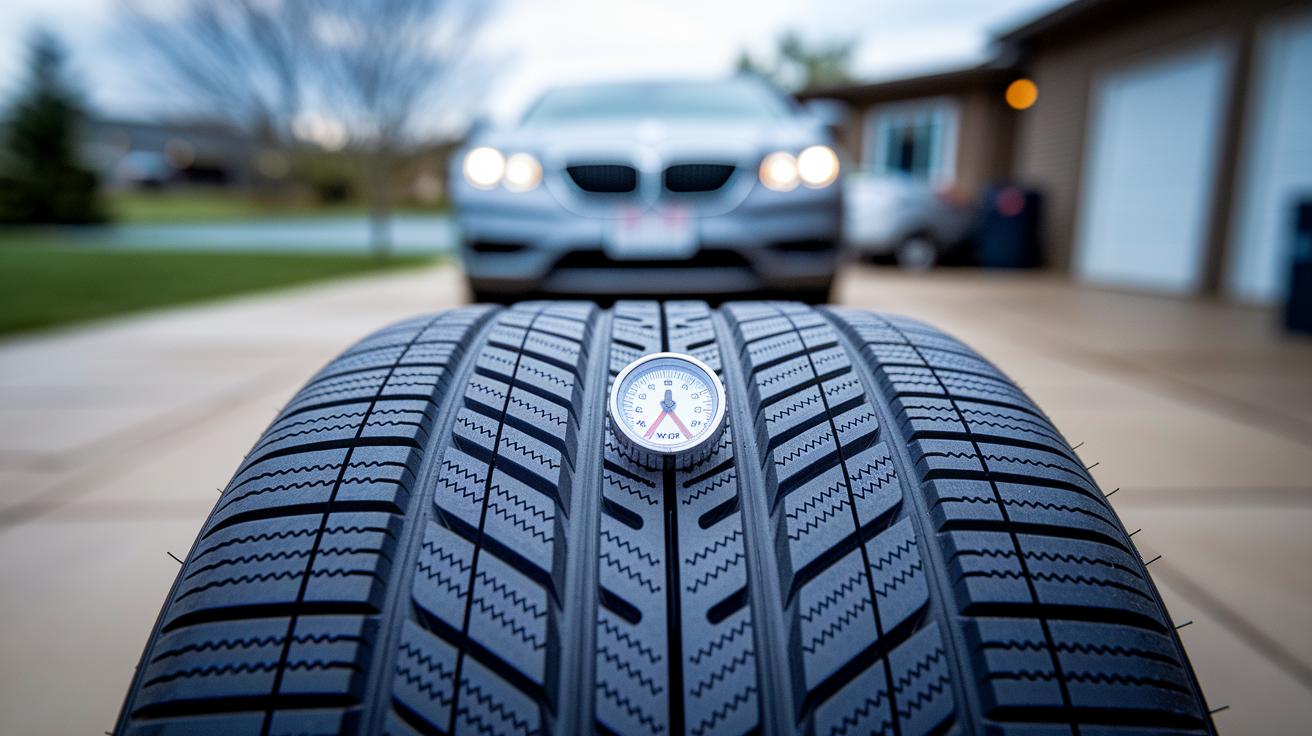
If your car racks up a lot of miles, its tires tend to wear out faster. That means sticking to the usual 6,000 to 8,000-mile rotation schedule might not be enough for you. When you drive tens of thousands of miles, you may need to rotate your tires more often so they wear out evenly and keep a good grip on the road.
Waiting too long between rotations can cause uneven wear and may affect how well your tires hold the road, especially when conditions get tricky. Keeping up with regular tire rotations not only balances the wear but also helps you avoid spending a lot on new tires later on.
| Driving Profile | Rotation Interval (miles) | Notes |
|---|---|---|
| Light | 8,000 | Minimal stress usage |
| Mixed-use | 7,000 | City and highway driving |
| Highway | 6,500 | Consistent long-distance driving |
| Aggressive-driver | 6,000 | Faster wear expected |
If you shop around for ways to check your tire wear using simple tools like gauge measurements and visual inspections, you can decide if you need to change your rotation interval. This extra care can keep your tires in top shape even when you're pushing your car hard.
Diagnosing Tread Wear and Ensuring Even Rotation
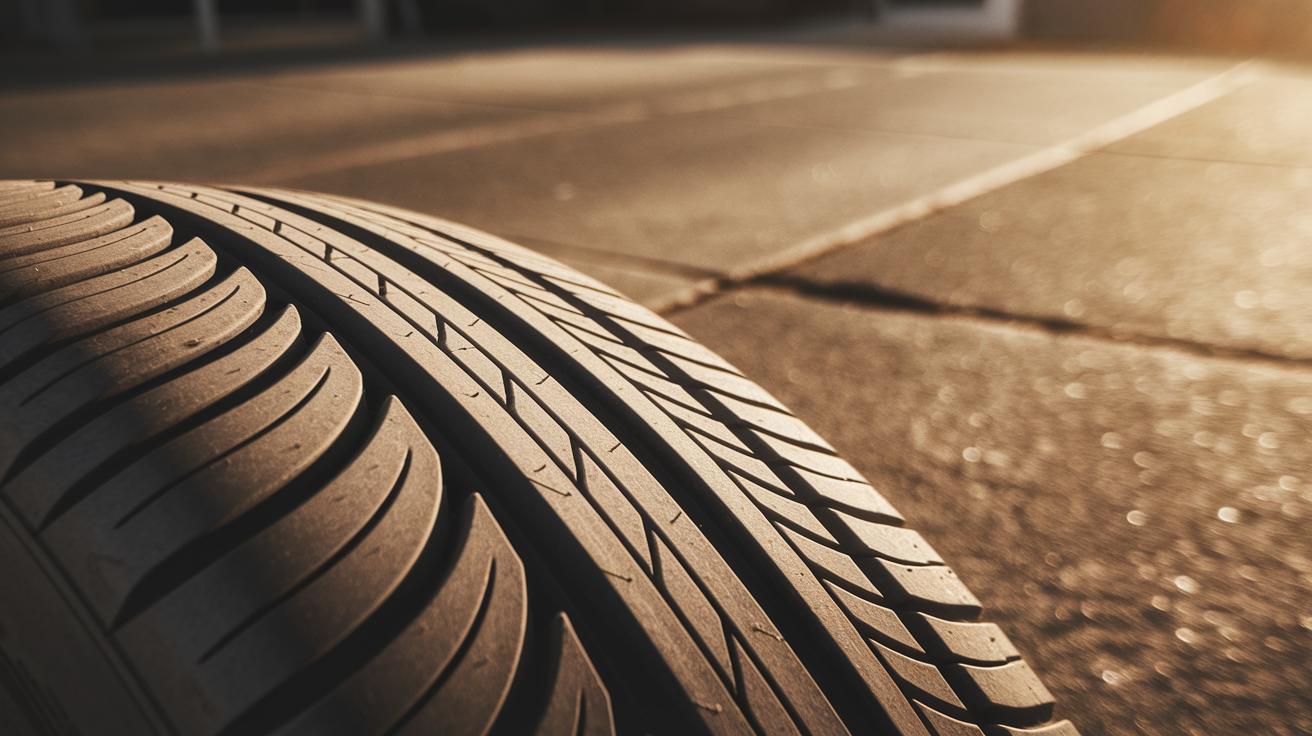
When your tires rack up lots of miles, they start showing signs of wear that can hint at problems like poor alignment or uneven pressure. You might spot cupping, feathering, or differences between the center and the edges (shoulders) of the tire. These signs often come from your tires being loaded unevenly, wheels that aren’t aligned right, or tire pressure that isn’t steady. Paying attention to these marks can help you pick the best way to rotate your tires, so they wear evenly and keep you safe on the road.
Checking your tires regularly with a few simple tools gives you a clear picture of how they’re doing. Here are some steps you can take:
- Measure the tread: Grab a tread depth gauge (a tool that lets you know how deep your tire’s grooves are) and take readings at three to five spots on each tire.
- Check visually: Give your tires a good once-over to spot any clear signs of wear across the surface.
- Inspect the sides: Look at the sidewalls for any cracks or bulges that could signal trouble.
- Uneven grooves: Notice if one side’s grooves are deeper than the other, which might mean the wear isn’t even.
- Foreign objects: Look out for nails or puncture marks that might mess with the tire’s even wear.
- Tread block gaps: See if the spaces between the tread blocks (the solid parts of your tire) seem wider or uneven.
Choosing the right way to rotate your tires after these checks can help bring back an even wear pattern. Tackling these issues early means your tires work better together, keep a steady grip, and last longer.
Custom Rotation Patterns for Aged Vehicles

High-mileage tires can still get plenty of life with the right rotation method. A few small changes in timing and where you move your tires can make a big difference for older cars.
Forward Cross Rotation
For front-wheel-drive cars, swap the front tires to the back on the same side and move the back tires to the front on the opposite side. This helps even out wear from steering and braking. For older rides, keep an eye on any uneven wear and think about rotating them a bit more often.
Check out the tire rotation pattern – https://tityres.com?p=378
X-Pattern Rotation
If you drive an all-wheel or four-wheel-drive vehicle, try moving each tire diagonally to the opposite corner. It spreads out wear more evenly over the whole tire. For tires that have seen a lot of miles, check the edges closely as they might wear down faster, and adjust your rotation schedule if needed.
Check out the tire rotation pattern – https://tityres.com?p=378
Rearward Cross Rotation
For rear-wheel-drive vehicles, move the back tires straight to the front while sending the front tires to the back on the other side. This helps balance the extra wear that often happens at the rear. With high-mileage vehicles, watch out for any unusual wear and make sure to check your alignment and tire pressure regularly.
Check out the tire rotation pattern – https://tityres.com?p=378
Side-to-Side Rotation
This method works well when you have different tire sizes between the front and rear, like with staggered setups. By switching tires from one side to the other, you can smooth out wear differences. For older vehicles, take a closer look at the tire shoulder areas to see if you need to make any more tweaks.
Check out the tire rotation pattern – https://tityres.com?p=378
Choosing the right rotation method for older vehicles means you need a bit of extra care. Keep watching your tire wear and adjust your routine when necessary to help your tires perform their best.
Post-Rotation Balancing and Alignment for High-Mileage Tires
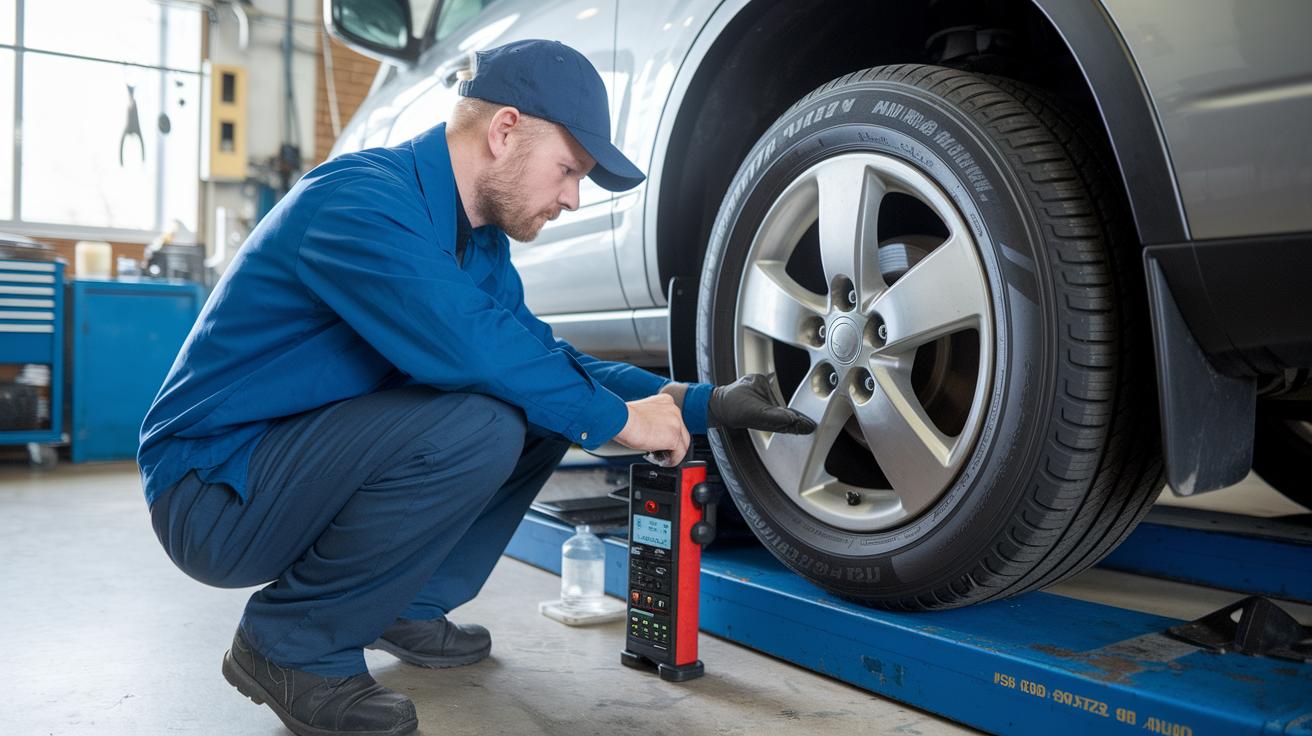
After you rotate your tires, it’s a good idea to check their balance and alignment. High-mileage rides can sometimes lead to uneven rims that create little shakes when you're driving. A quick balance check helps spread the weight evenly, so your tires don’t put extra strain on your rims.
Balancing your wheels and getting the alignment right makes sure things like camber (the tilt of the wheel), toe (how the tires point), and caster (the angle of the steering pivot) are all in line. If your wheels are off, you might see odd tire wear and feel a change in how your car handles. A routine check right after a rotation helps catch these issues early before they turn into bigger problems.
There are a few tools you might come across:
| Tool | Description |
|---|---|
| Bubble balancer | A simple tool that spots basic imbalances. |
| Spin balancer | This one spins the tire to notice any shifts in weight as it turns. |
| On-vehicle balancer | Makes sure the tire is balanced while it’s actually on your car. |
Getting your balance and alignment just right leads to nimble steering and can even extend the life of your tires. It helps keep them in full contact with the road, reducing vibrations and ensuring your ride stays smooth and safe.
Expert Maintenance Tips to Extend Aging Tire Life
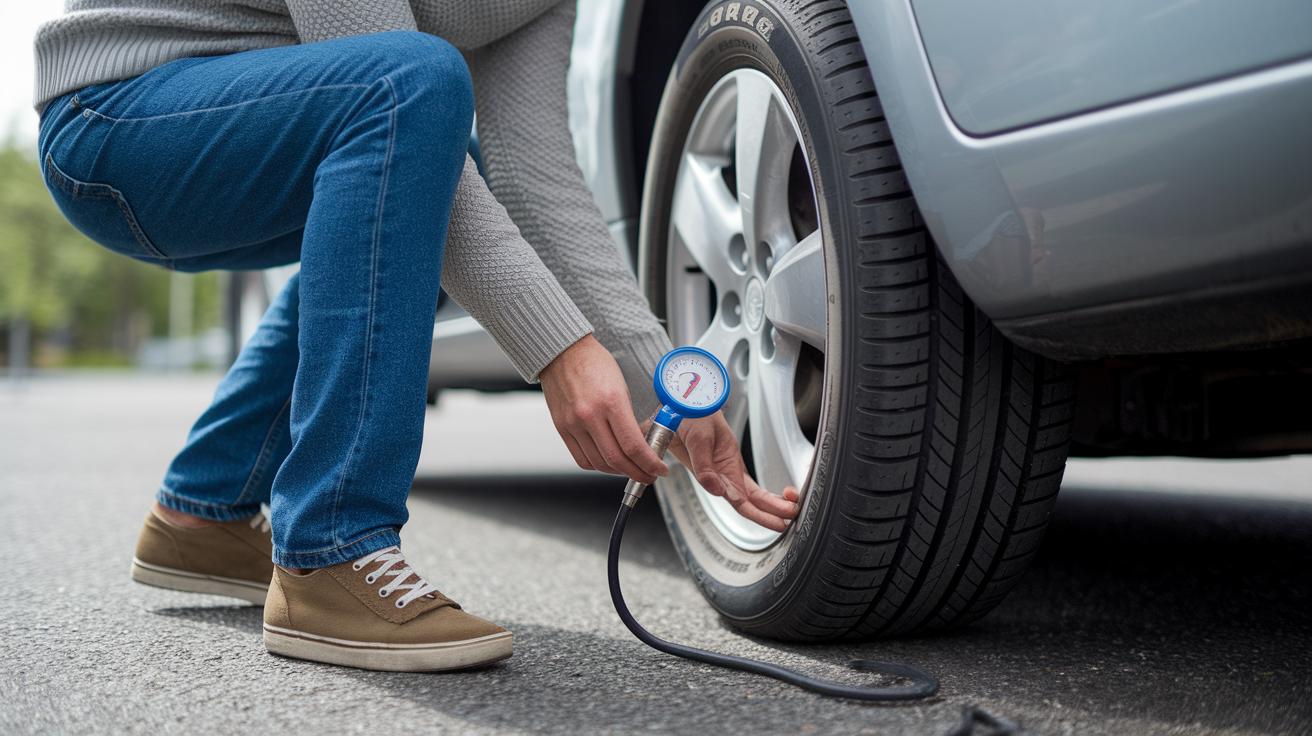
Checking your tires every week is a smart way to catch early signs of problems like low pressure or dry rot (when the tire rubber starts to crack). It’s like giving your car a quick look-over before a long road trip. Taking a moment to check helps you spot issues before they turn into something bigger.
Here's a simple way to stay on top of it:
- Pressure check: Use a basic gauge to make sure your tire pressure matches what the manufacturer recommends.
- Sidewall look: Give each tire a good once-over for any cracks, bulges, or signs of dry rot.
- Clean the rims: Remove dirt and grime from the wheel rims so they don’t cause corrosion or mess up the tire's seal.
- Lug-nut check: Verify that your lug nuts are tightened to the right setting to avoid leaks or any damage.
- Sealant use: When small leaks pop up, use a sealant approved by the manufacturer to keep your tire in good shape.
Rotating your tires along with regular checks of brakes and suspension can really boost your car’s overall performance. It’s like timing an oil change right when you replace the filter, everything just runs smoother together.
Keeping up with these simple maintenance steps not only helps your tires last longer but also makes your ride safer and saves you money down the road. Stick with a regular routine, and you’ll face fewer surprises while enjoying a smoother, more confident drive.
Final Words
In the action, this article covered smart ways to handle tire wear on vehicles that have seen a lot of miles. We talked about using proven rotation patterns and setting the right mileage intervals to keep tires even and safe. There was also a close look at spotting wear signs and checking balance and alignment after rotations for a smoother ride.
When you use these tire rotation techniques for high-mileage vehicles, you're not just maintaining tires, you’re driving with increased confidence and safety.
FAQ
What is the best tire rotation pattern for 4×4 and high-mileage vehicles?
The best 4×4 tire rotation uses an X-pattern where tires swap diagonally. This method helps even out wear, especially in vehicles with high mileage.
What is the typical tire rotation cost?
The tire rotation cost usually ranges from $20 to $50 at most service centers, though prices can differ based on vehicle type and local rates.
What are the tire rotation patterns for rear-wheel drive and front-wheel drive?
For rear-wheel drive, a rearward cross swap is common, while front-wheel drive vehicles often benefit from a forward cross rotation to balance wear.
What is the best tire rotation pattern for AWD vehicles?
AWD vehicles typically perform best with an X-pattern rotation, which swaps tires diagonally to keep wear even and maintain traction.
What does tire rotation direction mean?
Tire rotation direction refers to the specific order in which tires move from one spot to another, ensuring that wear is evenly distributed.
Is tire rotation necessary?
Tire rotation is necessary because it evens out tread wear, extends tire life, and helps keep your vehicle handling smoothly on the road.
Is it okay to rotate your tires every 10,000 miles or is 5,000 miles too soon?
Tire rotation intervals usually range between 6,000 and 8,000 miles. Rotating at 10,000 miles might lead to uneven wear, while 5,000 miles can be acceptable depending on driving conditions.
Do you rotate tires front-to-back or diagonally?
Tire rotation methods vary; front-to-back swaps work well for many vehicles, but diagonal rotations are often better for AWD and 4×4 vehicles to achieve more uniform tire wear.

