


Have you ever wondered what your tires would say if they could talk? Modern tire safety tools now give you a friendly alert when tire pressure falls or the tread starts to wear down (tread wear means the outer surface wearing away). It’s like your car is giving you a little nudge and saying, "Hey, time for a check-up!"
These smart tires have built-in sensors that keep an eye on how healthy they are. They even come with self-adjusting systems that help keep everything running smoothly. This means your ride gets a boost in both performance and safety every time you hit the road.
Next time you’re out driving, just think about how cool it is that your car is looking out for you. Isn’t it nice to know that even your tires have your back?
Emerging Tire Safety Innovations Enhancing Road Security
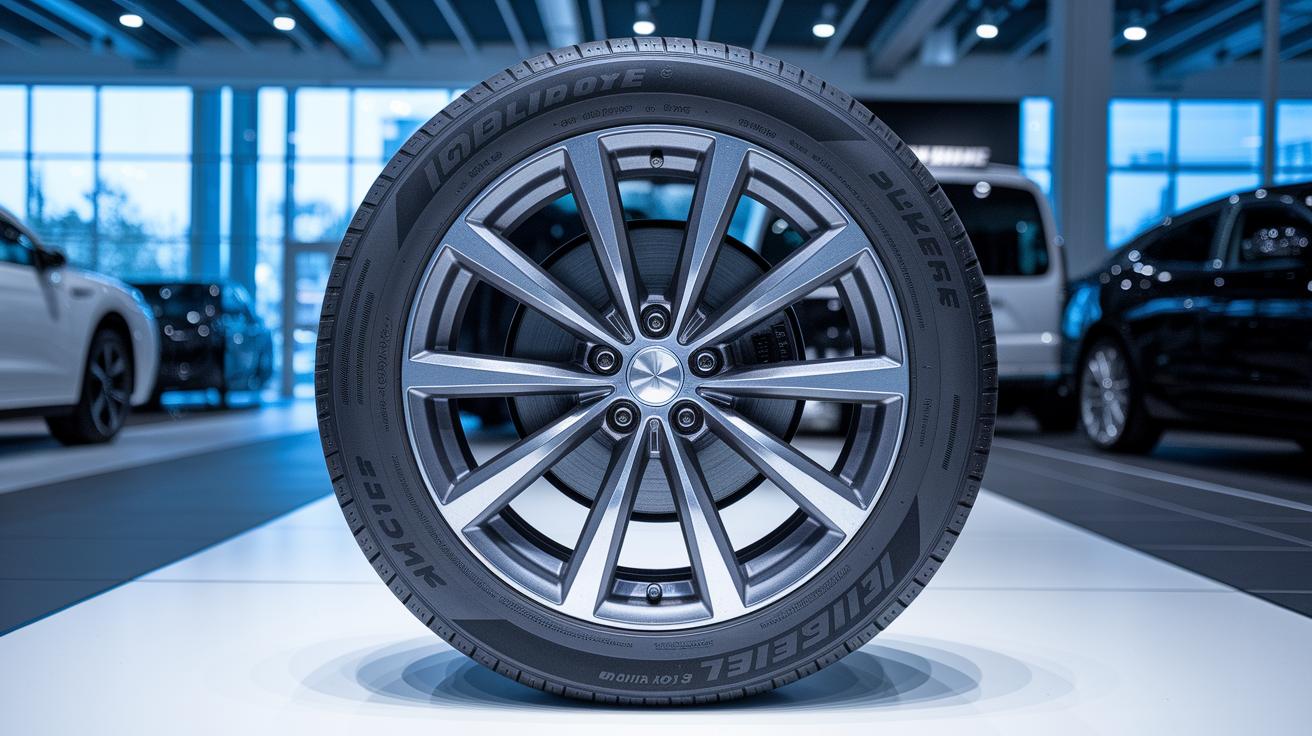
New tire technology is making our roads safer with smart, earth-friendly ideas. These modern systems mix automation, connectivity, and cleaner power to help tires work better while letting you know right away if something’s not right. It’s like having your car whisper, "Hey, check your tire!" when an issue pops up.
Today’s tires come with built-in sensors that keep an eye on everything, like tire pressure, temperature, and even how quickly the tire’s surface (tread wear) is using up. This info is sent straight to you so that if a tire starts to wear unevenly, you know about it before it turns risky.
Some cool ideas behind these modern tires include:
- AI-powered sensors that keep tabs on tire health
- Run-flat designs that let you drive safely even with a puncture
- Self-inflating systems that pump up the tire automatically
- Airless lattice structures built tough for everyday driving
- Real-time alerts for tread wear issues
- Emergency pressure responses to handle sudden changes
These advancements not only make tires safer but can also boost your car’s fuel efficiency and handling. For example, run-flat technology means you can keep going after a puncture, kind of like having a spare tire built right in. And with digital safety checks keeping an eye on every sensor reading, potential problems get spotted early, making every drive a bit more secure.
Intelligent Pressure Monitoring and TPMS Advancements in Tire Safety
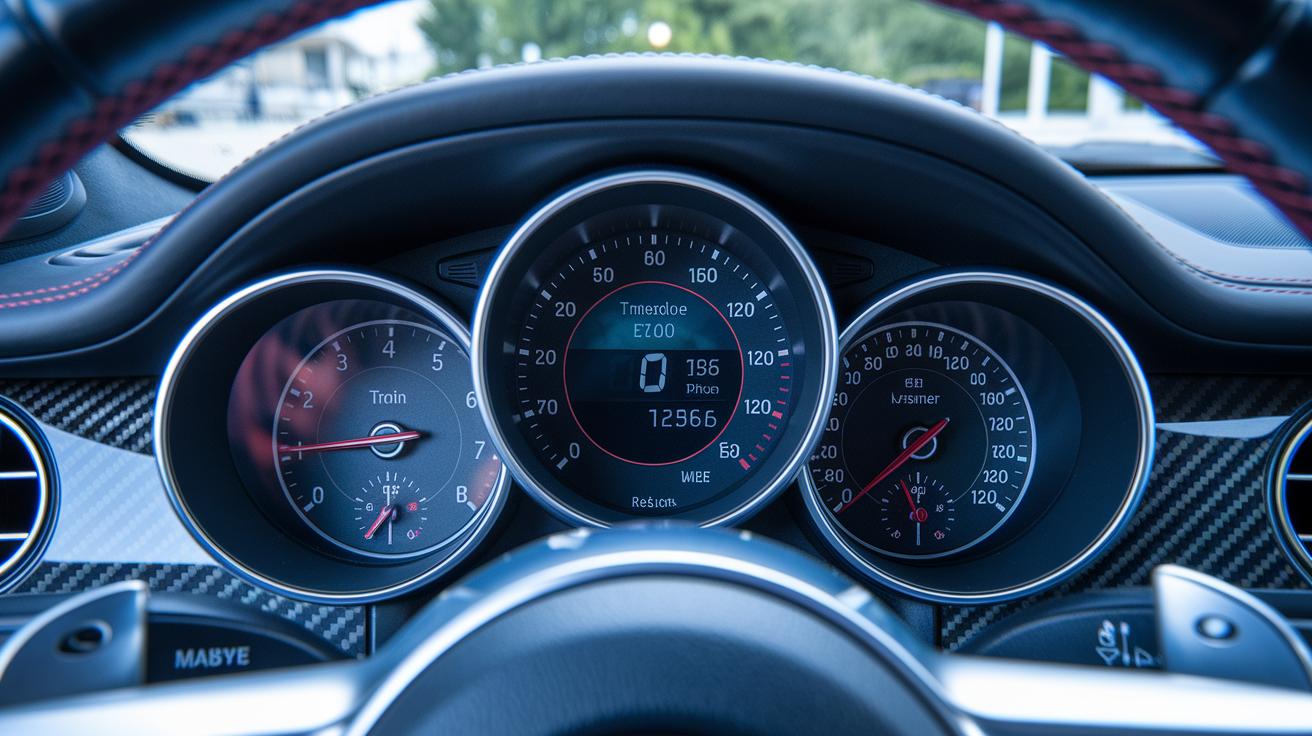
Next-generation digital tire pressure systems keep an eye on your tires' pressure and heat levels, alerting you right away if things drop or spike. Our smart, computer-based system even catches little temperature changes and adjusts things automatically so you don't have to stress. Picture this: your system might say, "Temperature too high, making adjustments now!" This mix of real-time data and automatic tweaks takes tire safety to a whole new level.
The software-driven TPMS, a neat tire technology, constantly watches your tire conditions with self-inflating features that adjust pressure on their own. This means your tires get the right pressure without any extra work from you, helping them carry loads well and avoid uneven wear from shifting pressures. With these clever features, you get clear, precise info without manual checks, leading to a smoother ride and tires that stick around longer.
Smart Sensor Integration and Real-Time Diagnostic Tracking for Tires

Today’s smart tires mix new tire safety features with smart sensors that give you a full picture of your tire health. They keep an eye on tire pressure, tread depth (that’s the part of the tire that meets the road), temperature, and even the road conditions outside. Imagine getting a quick alert, like “Pressure dropping, check your tires!” when everything isn’t right.
Then, machine learning steps in to predict wear patterns before you even notice a change. It feels like your car is quietly telling you when to take care of it, much like the soft sound of the engine on a quiet drive.
Plus, IoT diagnostics gather all this data and send it to cloud systems and your vehicle’s own network. It works like the tech in the latest cars, making sure you’re always updated in real-time. This way, you can take care of your tires early on without being bombarded by constant reminders.
Advanced Material Developments and Structural Integrity Monitoring in Tire Safety
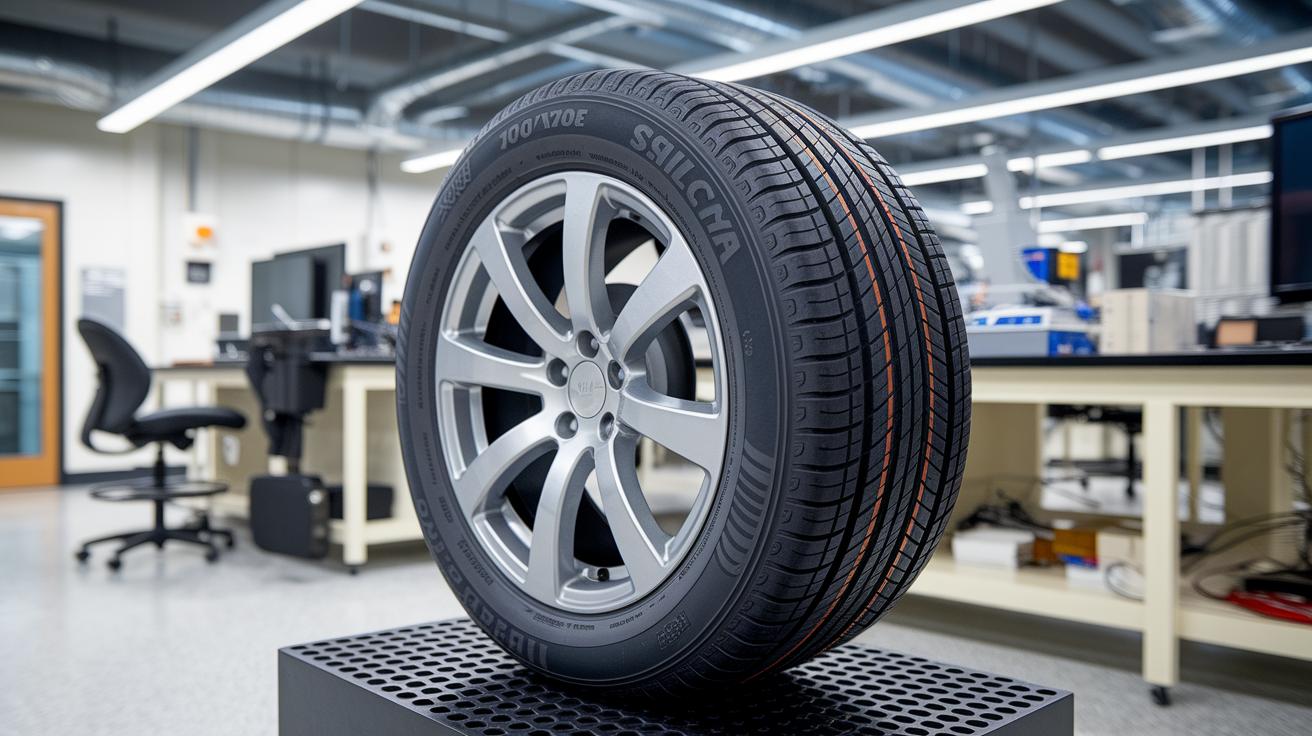
New tire materials are changing the way your ride performs under pressure. Engineers are blending silica-based compounds (which help improve grip and durability) with eco-friendly ingredients like soybean oil and plant-based polymers from dandelion roots. This smart mix gives you better traction, lowers resistance so your tires don’t work as hard, and makes them last longer for that smooth ride. Think of it like your tire adapting to a sharp turn just like a skilled driver adjusting to the road.
Inside your tire, built-in sensors work much like a check engine light, keeping an eye on its inner strength. They measure stress and catch even the smallest issues before they grow into big problems. When something seems off, you get a quick alert, helping you steer clear of potential hazards.
New ways to manage heat in tires have come a long way too. Special channels inside the tire help move excess heat away, keeping temperatures balanced during heavy loads or fast drives. This clever heat control not only helps preserve the tire’s tread but also lowers the risk of sudden blowouts when the tire is really pushed.
All these improvements start with ongoing work on tougher, more resilient compounds. With smart material choices, built-in sensors, and advanced heat control working together, every mile you drive becomes a bit safer and gives you more confidence on the road.
Run-Flat and Self-Sealing Tire Designs: Safety Enhancements

Run-flat tires are built with extra strong sidewalls so you can keep driving after a flat. They let you go up to 50 miles at 50 mph after a puncture, giving you time to pull over safely without a roadside hassle. You can learn more about this neat technology at the run-flat tire technology page.
Self-sealing tires work a bit like a magic patch. When a nail or something sharp pokes through the tire tread, a special layer automatically seals up the hole and puts the air back in. You don’t need to do anything extra, it's like your tire takes care of itself.
There’s also a cool system in some tires that adjusts the sidewall stiffness when the tire pressure drops unexpectedly. This emergency pressure response system even sends instant alerts to your car’s display so you’re in the know. That way, even if there’s a small failure, your vehicle stays steady and stops faster, keeping you safer on the road.
| Design | Safety Feature |
|---|---|
| Run-flat Tires | Extra strong sidewalls let you drive up to 50 miles at 50 mph after a puncture |
| Self-sealing Tires | Automatically seals small holes to restore tire pressure |
| Emergency Response | Adjusts sidewall stiffness and sends quick alerts to your display |
Future Predictive Maintenance Algorithms and AI-Powered Diagnostics for Tire Safety
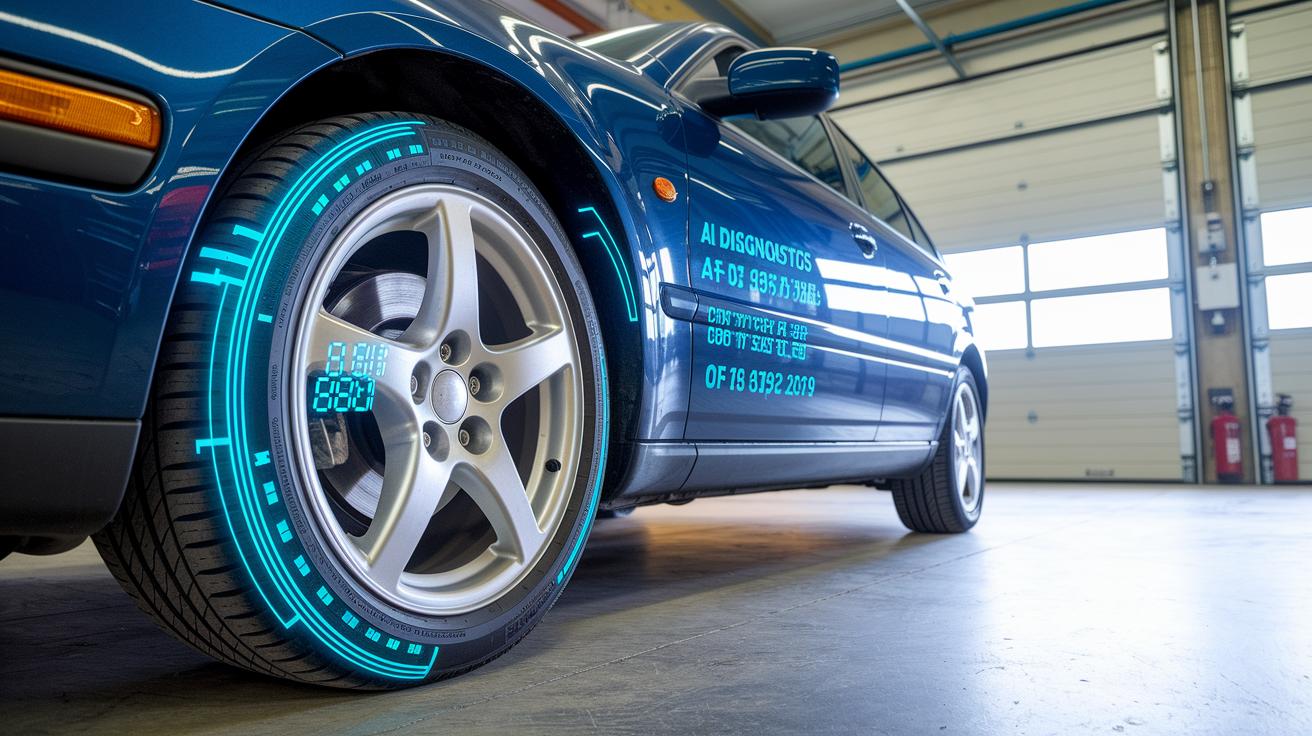
Imagine your car telling you when your tires need care before you even hear anything off. Clever algorithms check tire wear data (which shows how fast your tire’s surface fades) and road conditions in real time. They keep an eye on small changes in tread and road impact, so they can predict when service is needed and help avoid surprises. In short, this smart system shifts tire care from a last-minute fix to a well-planned service, saving you time and hassle.
Then there are AI-powered diagnostic tools that swap out old, clunky equipment. These tools send live tire performance numbers into virtual simulations (digital twins) that were even highlighted at MEMA Annual Conference 2025 and Japan Mobility Show 2025. They compare your tire's current state with its ideal condition to catch any issues early on. And when they work with self-driving technology, you get smooth remote monitoring that lets your tires check themselves while you enjoy the drive.
Cloud-based tire analytics bring together data from lots of sensors to show you a clear picture of your tire health. This new approach not only boosts safety but also lowers lifecycle costs, keeping you confidently on the road. It’s like having a trusted friend who always has your back, making sure you ride safely and stress-free.
Final Words
In the action, the post explored smart sensors, intelligent pressure monitoring, and advanced run-flat designs that keep you safe on the road. It highlighted resilient compounds, self-sealing tires, and AI-powered diagnostics that all work together to boost tire performance. The insights into predictive maintenance and real-time diagnostic tracking show how tire safety technology advancements drive reliable performance. These innovations promise smoother rides and a more confident drive. Enjoy the road ahead with a smile and the peace of mind that modern tire technology brings.
FAQ
What information does a tire safety technology advancements PDF provide?
A tire safety technology advancements PDF outlines smart features such as AI-driven sensor arrays, run-flat designs, and self-inflating systems that boost safety and performance, giving readers a clear view of modern tire advances.
What can I learn from a tyre technology PDF?
A tyre technology PDF explains innovations like real-time tread wear alerts, digital monitoring, and resilient compound developments, offering practical insights into how improved tire designs enhance road safety and efficiency.
What are tyre technology courses about?
Tyre technology courses teach the basics of modern tire design, maintenance, and advanced safety features. They provide hands-on guidance and technical knowledge to help both enthusiasts and professionals keep vehicles safe.
How do airless tires work?
Airless tires use a lattice structure that eliminates the need for air, preventing flats and reducing maintenance needs. This design offers consistent performance and greater durability during everyday driving.
What basic information should drivers know about tires?
Drivers should know that tires provide the crucial contact between car and road. They improve grip, absorb shocks, and now include smart systems for monitoring pressure and tread wear for added safety.
What is the primary function of tires?
Tires serve as the vital link between the vehicle and the road, providing grip, cushioning impact, and supporting vehicle weight, while modern innovations now offer real-time safety alerts and enhanced durability.

