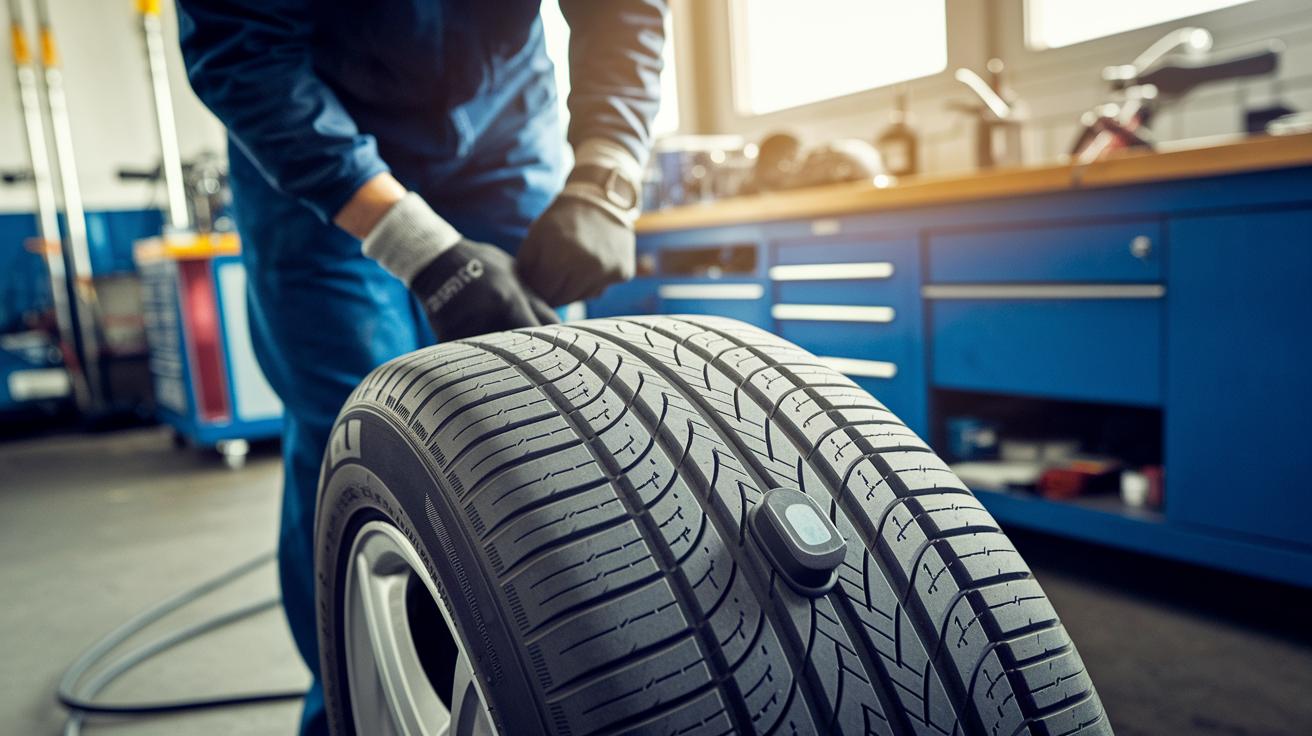


Ever wonder if a few easy steps could help your tire sensors last longer? Think of your sensors as your car's trusty sidekick that gives you a heads up when something seems off.
Taking a moment to check them and give them a gentle clean can really save you from unexpected problems down the road. In this article, we're sharing some simple, straightforward tips to help your sensors go the distance and keep your ride smooth.
Ready to treat your tire sensors to a little extra care on your next drive?
Essential Tire Sensor Maintenance for Optimal Performance
Your TPMS gives you real-time tire pressure info by using little sensors on each tire or by reading signals from your car's ABS system (the tech behind your brakes). It lets you know when tire pressure gets too low, which helps you avoid flats and blowouts. Think of it like a trusty co-pilot that always has your back.
Keeping your tire pressure spot-on is super important. Regularly checking your tires helps the system work right, and proper upkeep means your dashboard always tells you what’s really going on. For instance, when your tires are at the right pressure, the sensors are less likely to mess up. You can check out more tips on tire pressure and sensor care here: https://tityres.com?p=3133.
• Check tire pressure every month using a good-quality gauge.
• Keep an eye on the warning light for any signs of trouble.
• Look over your sensors when you get your tires rotated to catch any problems early.
• Gently clean the sensor area and valve stems with a soft cloth and a bit of mild detergent.
• Watch your sensor batteries, which usually last between five and ten years.
• Recalibrate your TPMS after you replace tires or sensors to keep the data accurate.
Taking these steps not only keeps your TPMS reliable but also improves your overall ride. Regular sensor care helps your tires grip the road better, prevents uneven wear, and can even boost fuel efficiency. When your sensors work the way they should, you get a smoother ride and better handling, making sure your car and its tires are always performing at their best.
Tire Sensor Maintenance Tips: Boost Sensor Lifespan

If your TPMS warning light comes on, it's a good idea to pull over safely and take a closer look at your sensors. A quick visual check can catch small issues early and help them give you the right tire pressure. Plus, a regular cleaning routine goes a long way in making sure your sensors last and your ride stays safe and smooth.
First up, gather your gear. You’ll need a soft brush, a bit of mild detergent, a tire pressure gauge, and a clean cloth.
Next, give some attention to the valve stems. Gently wipe around them with your brush and a little detergent. For extra tips, you can check the "tire valve maintenance guide" at https://tityres.com?p=3271.
Then, take care of the sensor housing. Clean it carefully to remove any dirt, but avoid using high-pressure water since that could hurt the sensor seals.
Afterward, inspect the sensors closely for any signs of damage like cracks, corrosion, or any physical issues.
Try to make this a regular habit by checking and cleaning your sensors every couple of months so they keep performing their best.
Following this easy cleaning routine not only helps your sensors work properly but also avoids false alerts or misreadings. Regular care keeps your tire sensors sharp, ensuring you maintain accurate tire pressure and enjoy a safer drive.
Tire Sensor Battery Replacement and Power Management for Reliability
Your sensor batteries usually work well for about five to ten years before they start to show signs of getting old. When you see a low-battery warning on your dashboard, it’s time to give your sensors a closer look. Checking on your battery health during regular service visits helps catch problems early. This way, your tire pressure data stays reliable, keeping your drive safe and steady.
It’s a good idea to check your battery health every time you have your vehicle serviced. If you notice the battery performance dropping – usually around the five-year mark – replace the sensor batteries right away. Take out the old batteries carefully; think of it like handling a delicate tool, making sure not to force anything. After you put in the new batteries, try a quick restart by turning your ignition off and on again. This simple step gives the sensor a chance to reconnect properly with your car’s computer.
Following these steps not only extends the life of your batteries but also helps keep your tire sensors working accurately, so you can enjoy every drive with a bit more peace of mind.
Tire Sensor Recalibration and Relearn Procedures After Service

After any work on your wheels, like rotations, replacements, or swapping out a sensor, it’s a good idea to recalibrate your tire sensors. This reset helps your car’s system show you the right tire pressure info. If the system isn’t set up correctly, you might see the wrong warnings or miss an important alert while driving. Trust me, taking a few extra steps now can make a big difference on the road.
First, turn your ignition on and off a couple of times to get the sensor into reset mode.
Next, press the reset button on your dash (if you’re not sure which one, check your owner’s manual).
Then, take a calm drive at about 25 mph for 10 minutes so the system can learn the spot of each sensor.
Watch your dashboard for a light that shows the sensor has been recognized.
If your model suggests it, go through the ignition cycle one more time to finish the process.
Finally, use your tire pressure gauge to double-check that everything is reading correctly.
| Vehicle Type | Relearn Method |
|---|---|
| Sedan | Do the ignition cycle followed by a 10-minute steady drive at 25 mph. |
| SUV | Press the reset button and then complete a drive-cycle recalibration. |
| Truck | Follow vehicle-specific steps to reinitialize the sensors. |
Troubleshooting Common Tire Sensor Errors and Warning Codes
Have you ever had your TPMS light pop on and wondered what was wrong? It usually means one of your tire sensors isn’t working as it should. Sometimes, you might see codes like C2170 (which means a low battery in the sensor) or C2199 (a sensor glitch). Using a diagnostic tool can really help because it reads these error codes and shows if the sensor is at fault or if something like loose metal nearby is causing trouble.
The best way to handle this is to take a careful, step-by-step approach. First, scan your tire system with a diagnostic tool to catch any error codes early. Next, take a quick look at each sensor to make sure they’re straight and not blocked by any debris. This extra check not only clears the error codes but also makes sure your sensors can keep sending you accurate tire pressure info while you drive.
- Scan the TPMS with a diagnostic tool to spot any error codes
- Inspect each sensor for visible damage or misalignment
- Clear the codes using the correct reset steps
- Watch the sensor signal to make sure it stays steady
- Run the scan again after making any fixes
Professional Tire Sensor Services: When to Seek Expert TPMS Maintenance

Sometimes, your tire sensors start acting up, those warning lights pop on for no clear reason or the readings go all wonky. When that happens, it might be best to let a specialist take a look. These issues can be tricky, like a sensor that just isn’t working right, your car’s computer (ECU) not talking properly to the sensor, or even needing an update to the sensor’s programming. Experts have special tools to figure out what's wrong and can even reprogram newer sensors so they match up perfectly with your vehicle's settings.
Here are a few signs it might be time to call in the pros:
- Warning lights keep flashing even after basic fixes.
- Relearn attempts fail after tire rotations or when you get new tires.
- The sensor shows signs of damage or behaves unpredictably.
- Your car’s computer is giving off inaccurate pressure readings.
- Programmable sensors need a tune-up to sync properly.
- There are firmware updates or tech issues that are hard to sort out on your own.
Paying for expert service might seem like a bit more now, but it can save you from constant little troubles later on. With a proper check-up and careful calibrations, your tire sensors will work like a trusty co-pilot, keeping you safe and your ride smooth.
Tire Sensor Maintenance Tips: Boost Sensor Lifespan
When the seasons change, your tire sensors can feel the stress. You might notice that the air pressure readings shift when it gets cold or hot. Cold weather can even cause sensor seals to freeze, and hot days can drain the battery faster. Taking a few extra steps now can help keep your sensors working smoothly and keep you safe on the road.
Try to check your sensor readings every time the weather turns. It’s like giving your tires a little health check, simple and reassuring. You can also use covers or shields to protect your sensors from rain and debris. It’s a bit like giving them a raincoat on a wet day.
Another tip is to store your tires in a place that's not too damp or too hot. Keeping them in a steady environment can help prevent problems later on. Before you switch back to your regular tires, test the sensors to be sure everything is working right. That way, you catch any issues early.
Taking the time for these small checks each season can really pay off. It helps the sensors keep giving you accurate readings and lasts longer. In truth, a little routine care is like a pit stop that keeps your ride running safe and smooth.
Final Words
in the action, this article broke down essential steps for keeping your tire sensors in check. We covered sensor cleaning, battery care, and recalibration after service while offering tire sensor maintenance tips along with troubleshooting advice.
By following these simple checks and adjustments, you can boost your vehicle safety and performance every day. Regular pressure monitoring system check and thoughtful sensor care make a real difference. Stay confident on the road and enjoy a smooth, safe drive.
FAQ
Frequently Asked Questions
What are some basic TPMS sensor maintenance tips for Ford and other vehicles?
The TPMS sensor shows your tire pressure and safety status. Regularly check tire pressure, clean sensor housings, and follow your car’s manual for maintenance intervals to keep the system working right.
How do I service my tire pressure monitoring system and how often should it be checked?
Servicing your tire pressure monitoring system means doing monthly pressure checks, cleaning sensor parts, and scanning for error codes. Routine reviews help catch issues early and keep your system in good shape.
How can I fix tire pressure sensor faults, reset issues, or replace sensors if needed, and what might it cost?
Fixing a tire pressure sensor fault may involve resetting the sensor, checking sensor batteries, or replacing a damaged unit. Costs vary by vehicle and service center, so ask your local repair shop for a price estimate.

