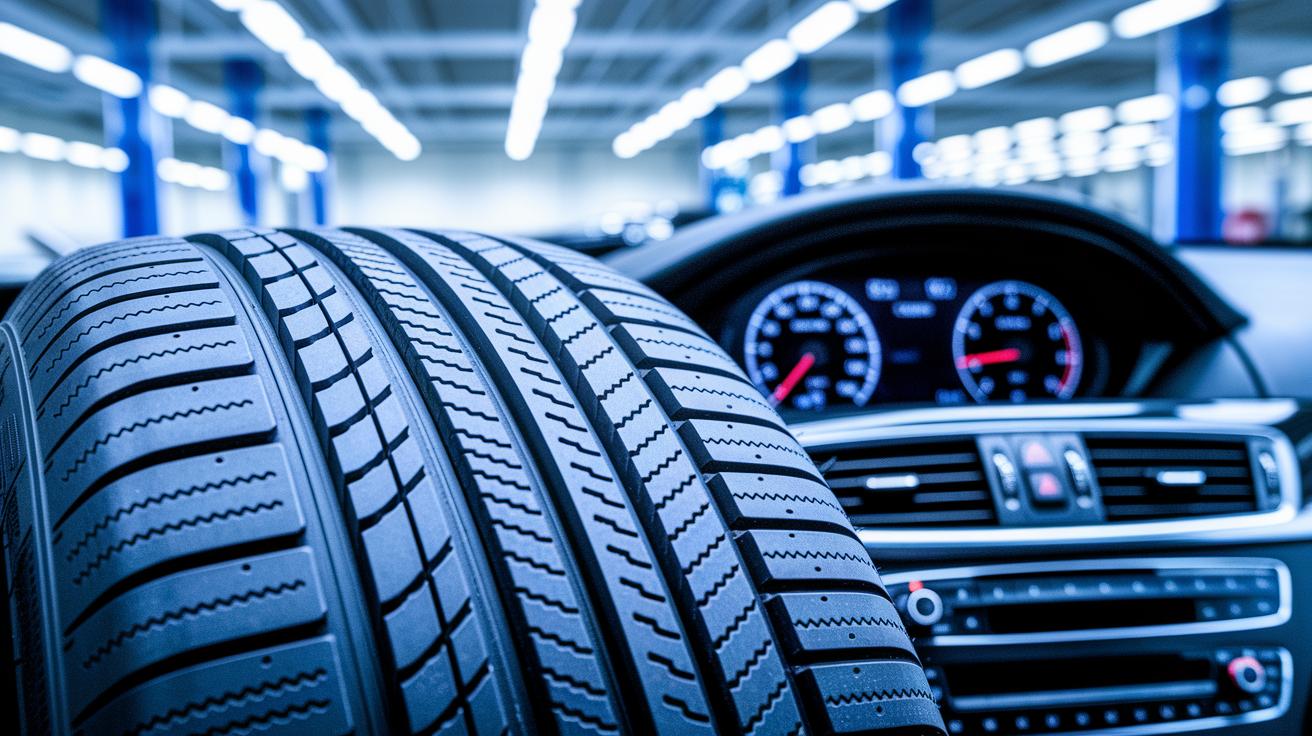


Have you ever noticed when your car seems to know a tire is off? Each tire has a little sensor that acts like a tiny guardian, keeping an eye on the air pressure (that is, the amount of air inside your tire). When something isn’t quite right, the sensor sends a quick alert to your dashboard, much like a friend letting you know it’s time to take a closer look.
This simple setup helps catch problems early so you can enjoy a smoother, safer ride. In this article, we talk about how these smart sensors work and why they really make a difference for every driver.
How Tire Sensor Technology Operates in Modern Vehicles
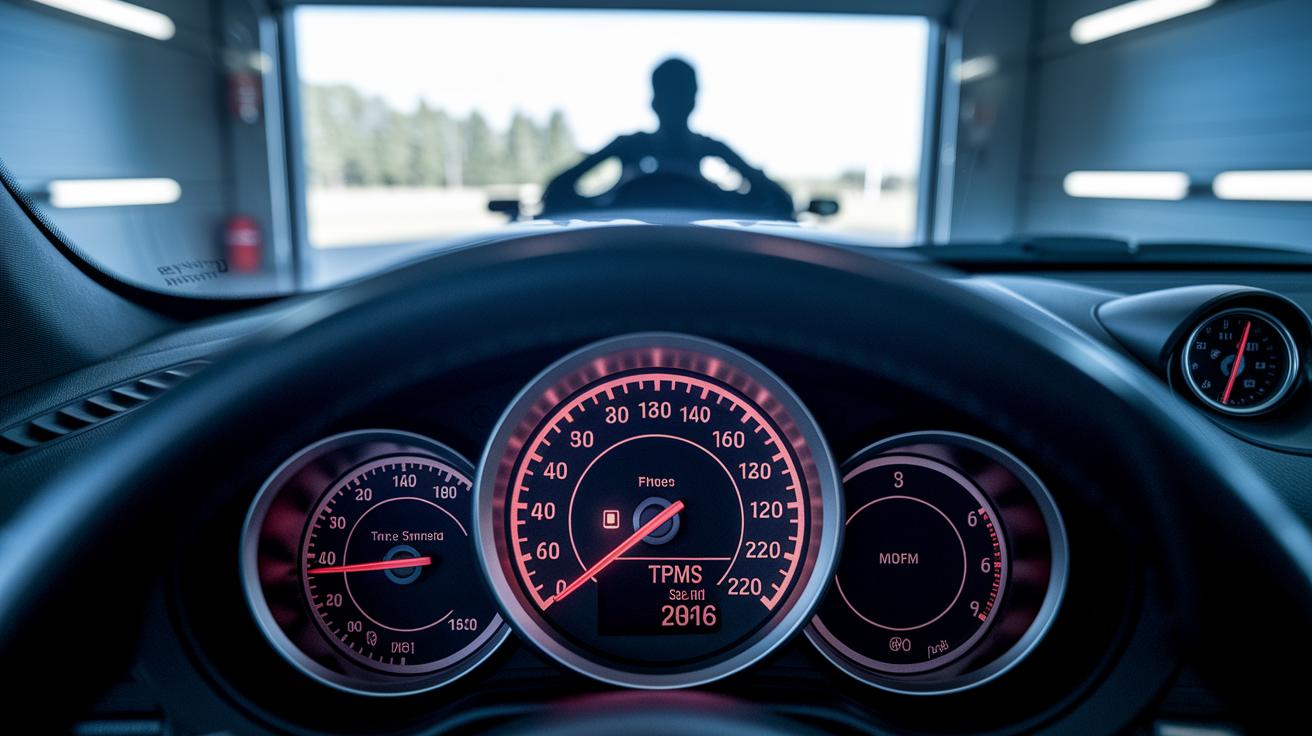
Tire sensors help keep your car safe in a simple, smart way. Each tire has a little pressure sensor that notices when the air pressure changes and turns that change into an electrical signal. Think of it like your car checking its pulse whenever a tire’s pressure isn’t quite right.
Some cars use what's called Direct TPMS. With this system, sensors in each tire send live pressure updates right to your dashboard – like a tiny messenger letting you know when things are off. Then there’s indirect TPMS, which works differently. Instead of its own sensor, it uses the car’s ABS wheel-speed sensors to guess tire pressure by looking at how the wheels spin. Before these clever sensors came along, drivers often had no way to know when their tires were underinflated, which could be risky.
Rules like the TREAD Act of 2000 now require all new cars in the U.S. to have these tire sensors. This means every car meets a basic safety check that helps prevent tire damage, saves fuel, and even makes the tires wear more evenly. When your tires stay at the right pressure, your car handles better and you get a smoother ride.
With TPMS, your car takes care of monitoring tire pressure automatically. You just drive, and your car keeps an eye on everything, alerting you early if something isn’t right. It's like having a friendly pit crew that keeps you safe on every journey.
tire sensor technology explained: Simple and Smart

Inside each tire sensor, you'll find a special diaphragm that feels pressure (it might be called MEMS or piezoresistive, which is just science talk for detecting pressure). It works with strain gauges to pick up even the smallest changes, almost like it's listening to your tire's quiet breathing. If something feels off, the sensor notices right away.
Next, a small RF transmitter with its built-in antenna sends this information wirelessly to your car’s TPMS control unit (that system keeps track of tire pressure). So when your tire’s pressure shifts, the data zips over instantly, like having a tiny communication hub right in each tire.
A sealed lithium battery powers the sensor and usually lasts anywhere from 5 to 10 years. Inside, a microcontroller and a signal-processing chip work together to understand the pressure data and keep the wireless connection steady. Plus, the sensor is housed in a tough case that can handle chemicals, extreme temperatures, and the rough conditions inside a tire.
With smart hardware design, careful battery management, and reliable parts, every sensor is built to give you steady, trustworthy monitoring. This means you can drive with the confidence that your tire’s health is always being checked.
Installation and Calibration Best Practices for Tire Sensors

First, make sure you’ve got the right sensor model that your vehicle manual mentions. This simple check stops any mix-ups later on.
Next, take the tire off the rim. Think of it like opening a door to see what’s hidden behind it, you get a clear look at where the valve stem sensor goes.
Now, attach the sensor assembly just like the guidelines say. Use a torque wrench if you can so that it isn’t too tight or too loose, which helps keep everything safe.
Once it’s in place, program the sensor’s unique ID using a proper TPMS (tire pressure monitoring system) diagnostic tool. After that, you might want to check out the guidance on integrating smart tires with your vehicle’s system for more useful tips.
Then, run the TPMS relearn or calibration procedure specific to your car. This could mean turning the ignition on and off or driving a bit at a set speed to sync the sensor with your system, much like tuning a radio until you get that clear station.
Finally, make sure the sensor pairing is right by comparing the pressure reading on your dashboard with an external gauge. This last check helps ensure your car runs safely and just as it should.
Maintaining and Troubleshooting Tire Sensor Modules

Keeping your tire sensor modules in good shape is like giving your car a gentle check-up. Start by taking a peek at your tire pressure once a month to catch any signs of underinflation early on. This simple visual check helps you know if the sensor is reading correctly or if it needs some extra care. For more helpful hints, check out this guide on Maintenance tips for smart tires to extend lifespan.
Sometimes, you might notice that the sensor data seems to vanish for a moment. This can happen because of things like extra add-ons on your car or a little damage to the antenna wiring. When this occurs, try comparing the readings with an external tire pressure gauge to figure out what’s really going on.
Diagnosing Sensor Battery Failure
- Use a multimeter to check the battery voltage.
- Keep an eye out for low-power warnings from the sensor or if a warning light stays on the dashboard.
- If you see these signs, it’s time to replace the battery. Regular battery checks can catch problems before the sensor stops working completely.
Interpreting TPMS Error Codes
| What to Look For | What to Do |
|---|---|
| Error codes like DTC C2121 or C2122 | If you see these, the sensor might have a low battery, a glitch, or pairing issues |
| Reading error codes | Follow the instructions in your vehicle’s manual or a trusted service guide |
By following these simple steps, you can keep your tire sensor modules reliable. This helps ensure that your tire pressure stays safe and your car performs at its best. Isn't it great knowing that a few regular checks can make such a difference in your ride?
Direct vs Indirect TPMS: A Comparative Analysis
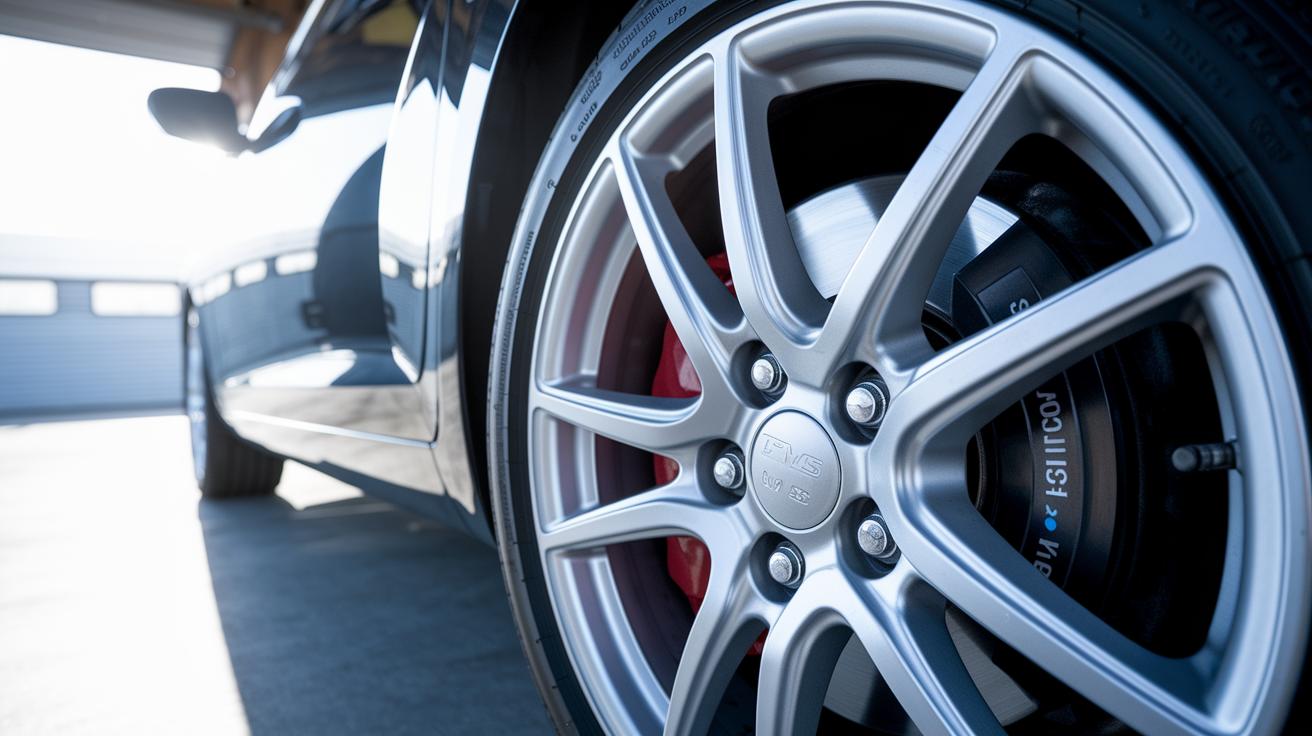
Direct TPMS sensors attach right on the tire and tell you the real air pressure inside each tire. They work with an accuracy of about ±1–2 psi, so you get a clear picture of your tire pressure at any time. On the other hand, indirect TPMS doesn't check the air directly. Instead, it looks at your car’s ABS wheel-speed data (the system that keeps your brakes in check) to guess if your tire might be low, with an accuracy of about ±3–5 psi. Both systems come with their own perks and ways to calibrate, making each one a fit for different driving habits.
Then there’s the hybrid option. Hybrid TPMS mixes the best of both worlds by combining real-time sensing with a smartphone-based check. It blends the accuracy of on-tire sensors with the ease of technological updates, which is pretty neat if you enjoy a modern, connected ride.
| Sensor Type | Measurement Method | Accuracy | Calibration Frequency |
|---|---|---|---|
| Direct TPMS | On-tire sensor that checks pressure | ±1–2 psi | Manual relearn after tire rotation |
| Indirect TPMS | Uses ABS wheel-speed data | ±3–5 psi | Automatically adjusts while driving |
| Hybrid TPMS | Direct sensing with smartphone help | ±1–2 psi | Calibrated via smartphone |
This table shows side by side how each method keeps an eye on your tire pressure to help your car run safely and smoothly.
Benefits of Tire Sensor Technology for Safety and Efficiency

Tire sensor technology gives you an early heads-up if something isn’t right with your tire pressure. These handy sensors send real-time updates so you know when your tire pressure strays too far (about 20% off the ideal level), almost like a friendly tap on the shoulder saying, "Hey, you might want to check your tires!" This quick alert can stop problems like blowouts or flats before they become a big hassle on the road.
Keeping your tires pumped to the right pressure isn’t just about safety, it also helps you save on gas by up to 3% and can even extend the life of your tires by about 25%. That means more miles between tire changes and fewer stops at the pump. When your tires are just right, your car handles better and brakes more quickly, which is especially useful when you're carrying extra weight or need to stop suddenly.
This system works closely with your car’s onboard computer, putting all your tire data in one easy-to-read place. It’s like having a mini dashboard assistant that helps you keep an eye on your tire performance and reminds you to do a little maintenance before a small issue turns into something big. It’s all about making every drive a safe and smooth ride.
Final Words
In the action, we took a close look at tire sensor technology explained in simple terms. We covered how sensors pick up pressure changes, how modules are installed and calibrated, and why they remain a key safety tool. We compared direct and indirect systems and tackled troubleshooting tips that help keep your tires in top shape. Each part of the article paints a clear picture of tech that boosts safety and fuel efficiency. Here's to confident, reliable driving every time.
FAQ
How do TPMS sensors get power?
The TPMS sensors are powered by internal lithium batteries that supply energy for sensing and wireless data transmission, keeping the system running independently from the vehicle’s main power source.
Where are tire pressure sensors located?
The tire pressure sensors are mounted inside the tire, usually attached to the valve stem on the wheel rim, where they continuously monitor air pressure and send data to the vehicle’s receiver.
Tire pressure Monitoring System reset
The TPMS reset involves reprogramming or relearning the sensor IDs so they sync with your vehicle’s control unit, restoring accurate pressure readings after maintenance or sensor changes.
Changing wheels with tire pressure sensors
Changing wheels with TPMS sensors requires careful handling during the swap and a subsequent recalibration process to ensure that the sensors accurately communicate pressure data to the car’s monitoring system.
Tire pressure sensor price
The tire pressure sensor price can vary by brand and model, with sensors typically costing a moderate amount that reflects their advanced features and reliable performance for accurate tire monitoring.
Tire pressure sensor replacement
Replacing a tire pressure sensor means removing the worn-out unit and installing a new one that matches your vehicle’s specifications, followed by recalibration to ensure precise tire pressure data is maintained.
TPMS technology
TPMS technology involves using on-tire sensors that measure air pressure and transmit information wirelessly to notify drivers of significant pressure deviations, enhancing vehicle safety and handling.
TPMS sensor replacement cost
The TPMS sensor replacement cost depends on the sensor type and vehicle model, usually including both the sensor price and labor charges, all aimed at preserving tire safety and overall vehicle performance.
What are the three types of TPMS sensors?
There are three types of TPMS sensors: direct sensors that measure tire pressure, indirect sensors that infer pressure from wheel speeds, and hybrid systems that combine direct measurement with added smartphone features.
How does the tire sensor work?
The tire sensor works by using a pressure-sensitive diaphragm and strain gauges to detect changes in air pressure, which are then converted into electrical signals and sent wirelessly to your vehicle’s monitoring module.
Can I replace TPMS sensors myself?
You can replace TPMS sensors yourself if you have the right tools and follow proper procedures, though many drivers opt for professional help to ensure calibration accuracy and proper system function.
How long do TPMS batteries last?
TPMS batteries typically last between 5 and 10 years, with gradual performance decline prompting replacement when sensors start showing signs of low power or inconsistent pressure readings.

