


Ever wonder what those tire letters mean when it comes to speed? This easy chart shows exactly what each rating stands for, whether you're towing a small trailer or cruising in a fast car.
Think of it like a road map that leads you toward safe and smart tire choices. The guide walks you through ratings from low numbers to those impressive ones that might easily be missed.
On this page, you'll quickly find out which tire fits the speed you're after, making it simple to choose the right tire for your ride.
Interpreting the Tire Speed Ratings Chart

This chart is your quick guide to understanding how fast different tires can go. It lays out tire ratings in easy-to-read letters. You'll see ratings that start with trailer tires from A1 (which means up to 3 mph) and go through K (up to 68 mph). Then, it shifts to passenger tires that begin at L (about 75 mph) and reach all the way to Y (up to 186 mph), plus a special ZR category for tires meant for speeds over 149 mph.
Each rating letter tells you the tire’s top speed in both miles per hour and kilometers per hour. It also lets you know if the tire is best for trailers or for regular cars, along with where it’s commonly used. For example, an H rating usually shows up on sports sedans and coupes, meaning the tire is built for speeds of around 130 mph, while V-rated tires are made for high-performance vehicles that can hit up to 149 mph.
| Rating Letter | Max Speed (mph & km/h) | Tire Type | Typical Vehicle Usage |
|---|---|---|---|
| A1 | 3 mph / 5 km/h | Trailer | Very light trailers |
| B | 15 mph / 24 km/h | Trailer | Light utility trailers |
| C | 23 mph / 37 km/h | Trailer | Small trailers |
| D | 31 mph / 50 km/h | Trailer | Mid-sized trailers |
| E | 39 mph / 63 km/h | Trailer | Common utility trailers |
| F | 46 mph / 74 km/h | Trailer | General trailer use |
| G | 54 mph / 87 km/h | Trailer | Heavier trailers |
| H | 130 mph / 210 km/h | Passenger | Sports sedans & coupes |
| L | 75 mph / 121 km/h | Passenger | Entry-level vehicles |
| T | 118 mph / 190 km/h | Passenger | Family cars |
| V | 149 mph / 240 km/h | Passenger | High-performance cars |
| W | 168 mph / 270 km/h | Passenger | Sports models |
| Y | 186 mph / 300 km/h | Passenger | Ultra high-speed touring |
| ZR | >149 mph / >240 km/h | Passenger | Extreme performance sports cars |
To use the chart, simply find the letter that on your tire. Then, check what top speed the rating corresponds to and see if the tire is meant for trailers or for passenger vehicles. This makes it super easy to ensure your tire supports the speed your car can safely go. Next, if you want more details on tire ratings overall, you can look at the tire load ratings chart.
Breakdown of Tire Speed Rating Letters in the Chart

In this section, we look at how tire speed ratings match up with everyday driving. Each letter, from L to ZR, tells you a tire's top speed while giving a peek into its grip on the road, braking power, and how long the tread might last (that means how fast the tire surface wears out). Some folks say that higher ratings give you snappier handling, but they might wear out quicker when used for regular driving.
- L: Stays safe up to about 75 mph; these are common on basic vehicles.
- N: Gets you around 87 mph; you can see these on some light truck tires.
- S: Tops out at roughly 112 mph, which works great for daily driving.
- T: Can hit up to 118 mph; it offers a solid mix of performance and tread longevity. For instance, one driver found T-rated tires to be just right for city driving.
- H: Pushes to about 130 mph; you’ll find these on sporty sedans and coupes.
- V: Rated for around 149 mph; built for high-performance rides, though tests show they might wear a bit faster.
- W: Lets you reach speeds of up to 168 mph; these are seen on models designed for extra speed.
- Y: Can manage about 186 mph; made for vehicles that need ultra-high-speed touring.
- ZR: Goes beyond 149 mph; these are designed for extreme performance in sport models.
Balancing good grip and long-lasting tread is key. Even though higher-rated tires often mean better handling and sooner stopping, they might ask for a bit more care to keep them in great shape.
Comparing Tire Speed Classifications for Cars, Trucks, and Trailers

When choosing tires, it's important to match them to your vehicle because each one needs a specific speed rating for safe and smooth driving. For regular cars, you usually see ratings from L to Y. These tires work well for speeds from about 75 mph up to 186 mph, giving you the grip and stopping power you need, whether you're on a quick highway drive or just running errands.
Light trucks use a smaller range of ratings, from N to T. These tires are built to handle heavier loads and keep your vehicle stable, with top speeds around 118 mph. They are made to support the extra weight and different driving conditions that trucks often face.
Trailers have their own set of ratings that start at A1 and go up to K. With maximum speeds between 3 mph and 68 mph, these tires are all about slow, steady movement rather than high-speed performance. Using a tire that doesn’t match the original speed rating can hurt how your vehicle handles and even affect fuel efficiency. Manufacturers strongly recommend sticking to, or even exceeding, the original equipment speed rating.
| Vehicle Type | Rating Range | Max Speed |
|---|---|---|
| Passenger Cars | L–Y | 75 mph to 186 mph |
| Light Trucks | N–T | 87 mph to 118 mph |
| Trailers | A1–K | 3 mph to 68 mph |
Sticking with the recommended speed classification helps your vehicle handle the way it was designed to. If you mix the ratings or choose one that isn’t right, you might lose some control or drive less efficiently. So, it’s always a wise idea to follow the vehicle's original speed rating guidelines.
Locating and Reading Speed Rating Symbols on Tire Sidewalls

When you take a look at your tire, check the sidewall for a mix of numbers and letters. These markings show the tire size, the load index (how much weight your tire can safely carry), and then a letter that tells you the speed rating. For example, in "225/50R17 94H", the H is the speed rating, which means the tire has been tested to handle a certain maximum safe speed in controlled settings.
- First, look at the tire’s sidewall to see all the markings.
- Next, find the load index number; the speed rating letter comes right after it.
- If you see a ZR marking, that tells you the tire is made for speeds higher than 149 mph.
- Finally, compare the speed rating with what your vehicle’s manual recommends.
If the marking is hard to read or has faded because the tire is old or worn, take a peek at your vehicle's manual. You could also check with a tire expert to help figure out the tire’s performance numbers.
Factors Affecting Tire Speed Rating Selection

Speed ratings for tires come from serious tests done by the SAE. They run the tire for one full hour at 100°F in a controlled setting. This test checks if the tire can handle heat and still perform well at high speeds. In the process, tire makers look at the quality of the materials, the design of the tread, and even the tire’s inner construction. It’s a bit like stressing out a car’s engine to see that it won’t overheat on a long drive.
In everyday driving, though, many factors can change how a tire behaves compared to lab tests. Different loads, changing weather, and tire wear might all affect its high-speed performance. When temperatures swing or your vehicle carries extra weight, the tire might not work exactly as expected. Balancing speed with durability isn’t just about lab tests, it’s about keeping an eye on how the tire actually performs on the road, ensuring a safe and steady trip.
- Load impact: How much weight the tire is supporting, which affects its stress.
- Inflation: Keeping the air pressure just right for the best performance.
- Compound: The mix of rubber can change how well the tire handles heat.
- Construction: The tire’s inner design helps determine its overall strength.
- Wear: As the tread wears down over time, the tire’s effective speed rating might drop.
Practical Application of the Tire Speed Ratings Chart for Tire Selection
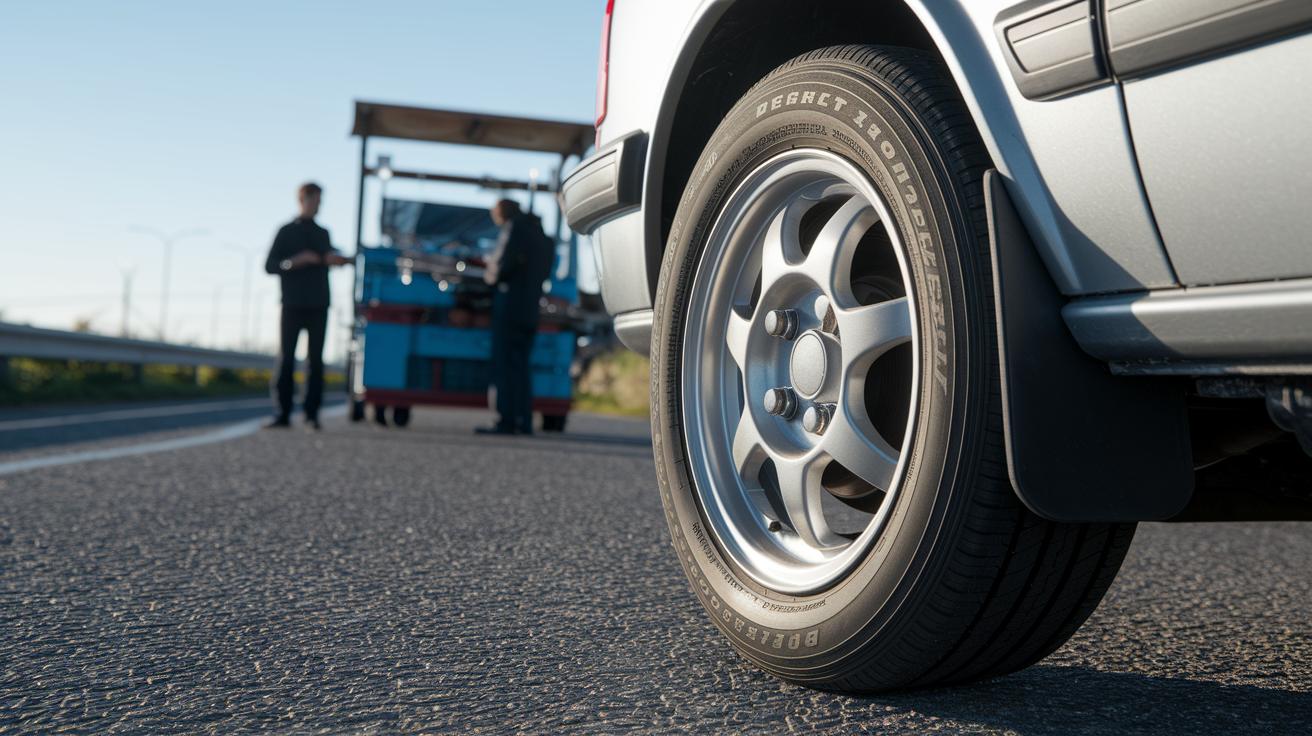
When picking tires, it’s important to match or even beat your vehicle’s original speed rating. This chart helps you choose tires that let your car run smoothly and safely. With the right speed rating, you get tires that hold a good grip at high speeds while keeping a balance between performance and wear (how quickly the tire surface wears out).
Here are some simple tips for making the right choice:
- Check your vehicle manual to see your original speed rating.
- Choose tires that at least match this rating.
- For sports cars, go for ZR-rated tires if you need extra heat resistance at fast speeds.
- Make sure to balance high-speed potential with how long the tire tread will last.
- Think about how you drive day-to-day or when you feel like driving a bit faster.
- Look at tire markings and talk with a tire expert if you’re unsure.
If you ever feel lost about which tire is right for you, chatting with a tire specialist is always a smart move. For more detailed info about tire performance, check out the tire ratings explained guide at tityres.com.
Final Words
In the action, we explored how tire speed ratings tell the story of your tire's ability to perform. We broke down clear markings on tire sidewalls, compared ratings for cars, trucks, and trailers, and discussed factors that affect a tire’s speed capabilities. Using our tire speed ratings chart can help you match the right tire to your drive and keep things running safely. Every detail builds toward making smart, confident decisions behind the wheel. Enjoy the drive and keep safe.

