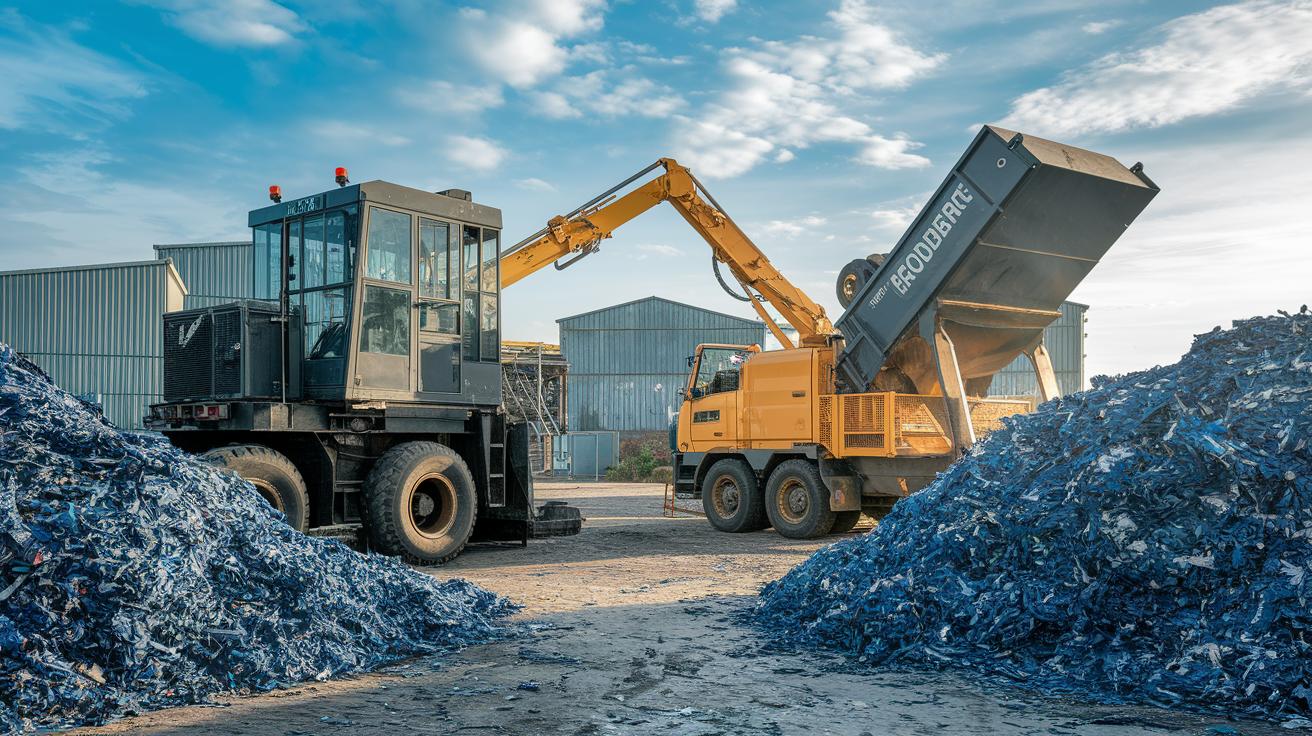


Ever thought about how old tires could help make our world greener? Tire recycling and eco-safe tech are giving our wheels a fresh look. Companies mix reused materials, plant-based rubbers (yep, that means natural rubber from plants) and other nature-made compounds to create tires that reduce waste and keep you safe on the road. In this article, we explore how clever changes in tire design can give you a smoother ride while taking care of our planet.
Understanding Tire Sustainability: Core Recycling and Eco-Innovation Strategies

Tire sustainability means making tires that are kind to our planet while still giving you a safe and smooth ride. Companies are working hard to mix green materials with the usual ones so that tires deliver great performance without harming nature. For example, some manufacturers are exploring rubber from plants like guayule and dandelions instead of using oil-based rubber. This simple switch helps lessen our reliance on oil and keeps our roads safe.
Innovations like using silica (a substance that boosts tire grip and can be found in nature) are also making a difference. Rice husk ash, a by-product from rice production, is added into tire materials. Did you know rice husk ash can boost wet grip by up to 15% and lower rolling resistance (this means your tires need less energy to roll)? This leads to safer driving on rainy days and a quieter ride in busy city areas.
Recycling is another big part of the picture. Companies now use recycled carbon black (rCB) to replace old oil-based fillers. This switch helps cut down on waste and uses fewer natural resources. For instance, Michelin uses up to 40% sustainable materials now and aims for all of them by 2050. Studies show these eco-friendly materials work just as well as the traditional ones.
New eco-innovations are finding clever ways to reuse materials without giving up tire performance, whether you’re on a highway, navigating city streets, or drifting through country roads. Reducing waste, energy use, and boosting tire grip are the cornerstones of making tires that are truly sustainable for all drivers.
Advanced Recycling Technologies for Tire Sustainability
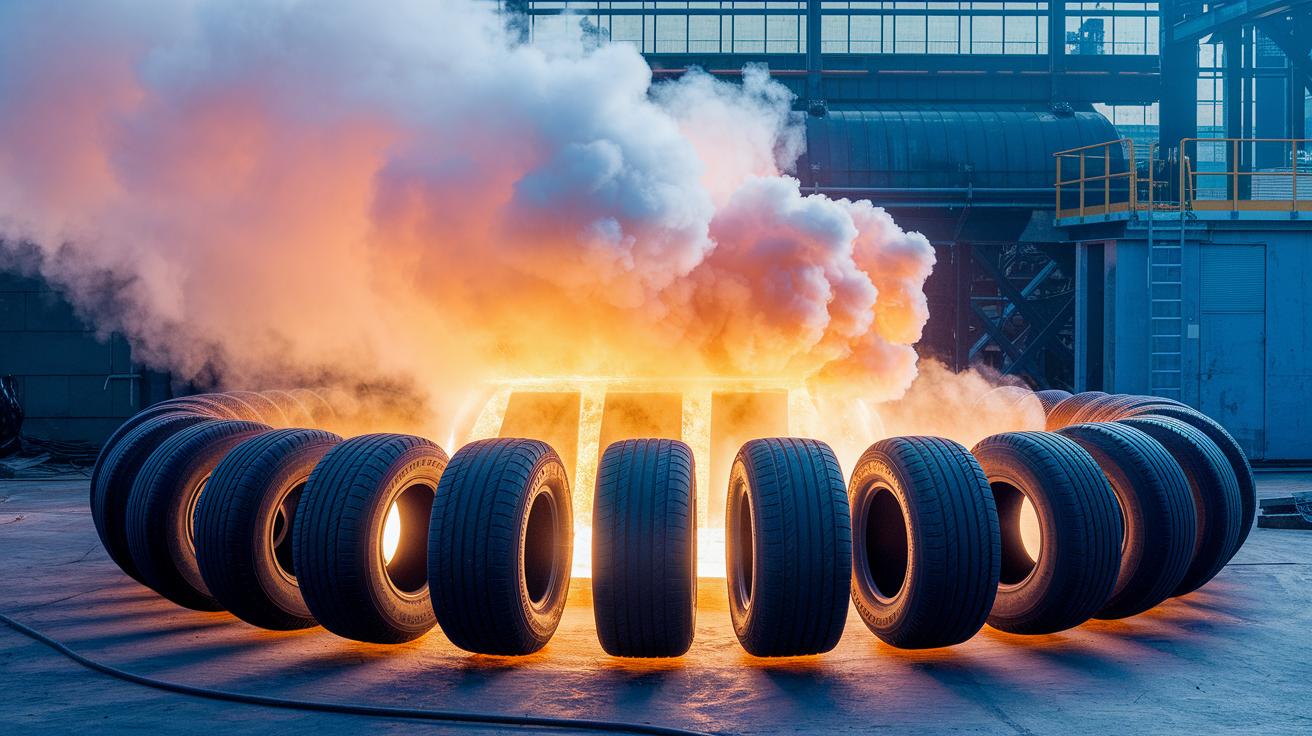
Ever notice how giving old tires a second chance makes a real difference? Tire recycling is moving fast, helping us reuse materials and cut down on waste. One cool method is pyrolysis. Here, tires get heated between 400 and 800 °C, which creates pyrolytic oil, gas, and char. This process not only recovers energy but also offers an eco-friendly substitute for traditional carbon black.
Next up is devulcanization. This technique uses chemical or biological methods to break the sulfur bonds in rubber (those are the bonds that hold the rubber together). What you get is reclaimed elastomer, the stretchy part of the tire, which can be mixed into new tire compounds. Then there’s mechanical grinding, a simple way to turn tires into crumb rubber. This crumb is perfect for blending into asphalt or making safe, fun playground surfaces. It’s like giving a familiar, worn-out tire a brand new role.
Then we have cryogenic grinding. In this process, tires are frozen at a bone-chilling –196 °C, making the rubber brittle and easy to break into a fine powder. This fine rubber works great in coatings and sealants. Researchers are also exploring new methods like solvent separation and multi-phase extraction. These approaches aim to recover tire compounds without using heaps of energy, which keeps costs down and benefits our environment.
| Process | Temperature | Main Output | Typical Applications |
|---|---|---|---|
| Pyrolysis | 400–800 °C | Oil, gas, char | Fuel, rCB substitute |
| Devulcanization | 100–200 °C | Reclaimed elastomer | New tire compounds |
| Mechanical | Ambient | Crumb rubber | Asphalt blend, mats |
| Cryogenic | –196 °C | Fine rubber powder | Coatings, sealants |
Eco-Friendly Material Innovations in Tire Sustainability
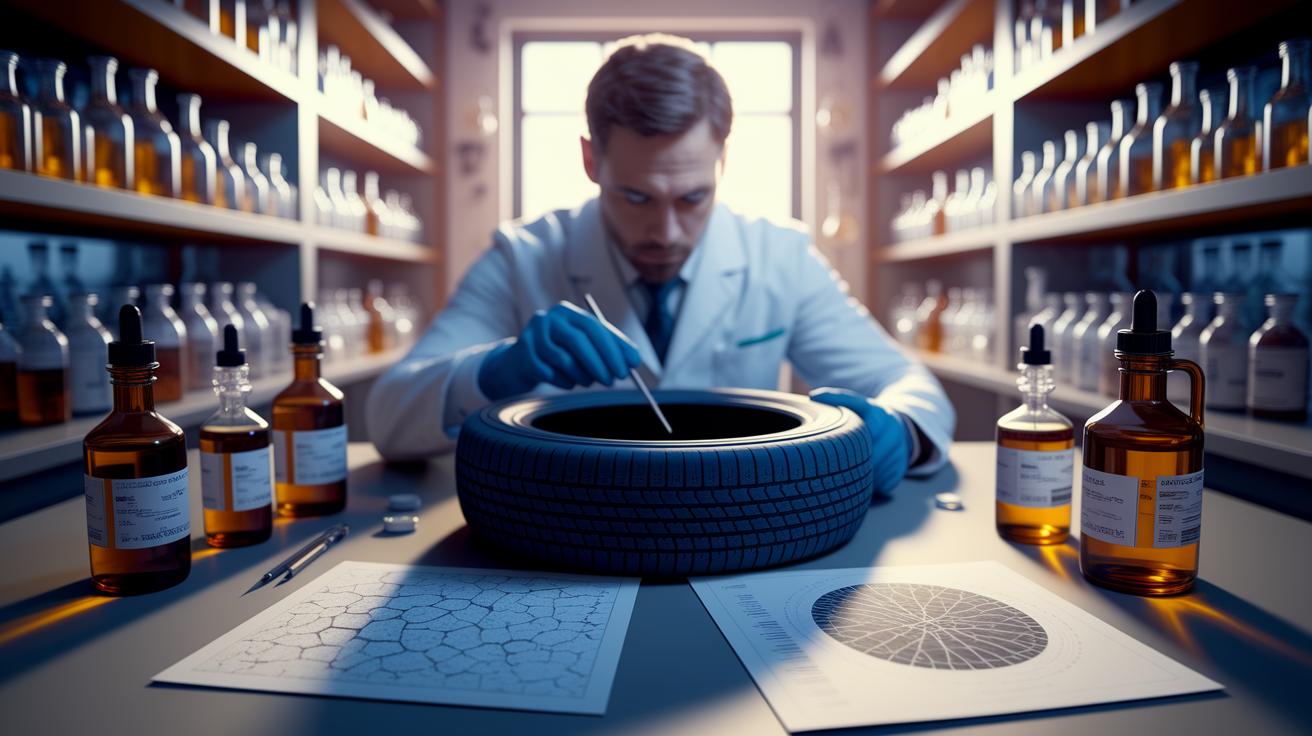
Using oils made from plants now helps boost tire compounds. Recent lab tests show that mixing in 10–20% bio-based oils can keep tires cooler and manage heat better during high-speed rides. One study even found that tire tread lasted 5% longer during tough testing, almost like adding a special ingredient that gives an old recipe a fresh, new spark.
New trends are pushing tire science forward with advanced polymer mixes that stand up well to extreme temperatures. New techniques are also cutting down on energy use while still meeting high performance needs. Think of it as a smart recipe, mixing the right elements can turn an ordinary tire into a high-performing ride, just like the perfect song can make a drive unforgettable.
Closed-Loop Manufacturing and Circular Economy in Tire Sustainability
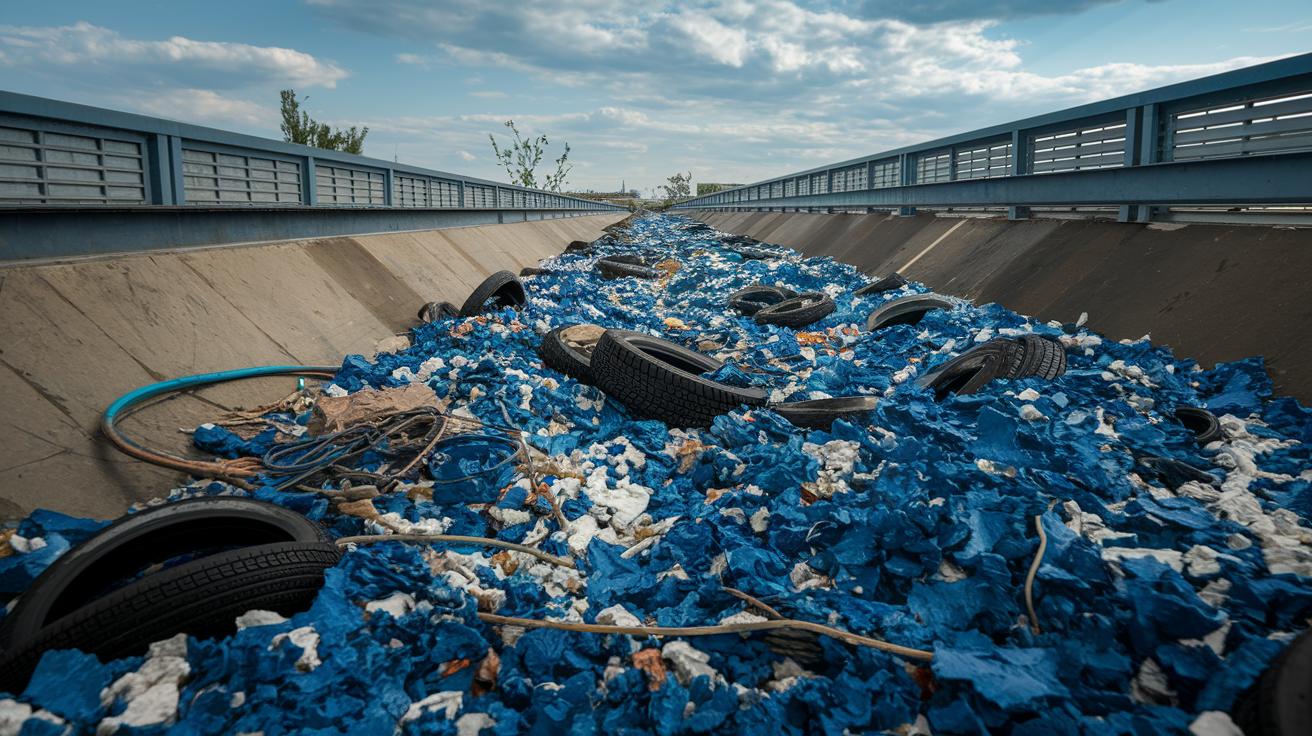
Many tire makers are changing the game by reusing parts from old tires. They take steel bead wires (the strong metal rings inside tires) and rubber pieces that once ended up in the trash, and mix them back into new tires. They even recycle things like carbon black (a powder that adds strength) and rubber powder to form fresh tire compounds. This way, every tiny bit of material finds a new purpose, and waste becomes a thing of the past.
They also use water reclamation systems that cut water use by 30%. Automated machines help sort materials and feed production lines, leading to 25% less scrap waste. These digital helpers work quickly to recover materials, making sure that fewer resources go to waste during the process.
Big brands are leading the way by adding recycled steel, reclaimed rubber, and even bio-oils into their tire blends. For example, Michelin is now able to use up to 40% sustainable content with these closed-loop methods. They turn byproducts into useful ingredients through precise recovery techniques. It’s a smart blend of traditional performance and eco-friendly practices that not only cuts waste but also protects our resources for the long haul.
Environmental Impact Reduction Through Tire Sustainability Innovations
When you choose sustainable tires, you get more than just a smooth ride. These tires have lower rolling resistance (which means they use less energy while they roll) and can help save you about 3–5% on fuel. Imagine cruising down the road and knowing that every mile is a little less demanding on your gas tank.
These eco-friendly tires also make city driving a bit quieter, cutting noise by around 2–3 dB. That means fewer disruptions on busy streets and a more peaceful drive around town. It really feels like the car is gently humming along.
Recycling old tires is another smart move. By reusing tire materials, manufacturers can reduce CO₂ emissions by roughly 200,000 tons for every million tires processed. In simple terms, turning old tires into new ones helps clean our air.
And there’s more good news. New methods like thermal reprocessing help save energy when making tires. When factories use clean electricity along with these techniques, they cut down even more on unwanted emissions. In other words, the process of making our tires becomes a lot greener.
All these innovations show that sustainable tire tech does more than keep your vehicle performing, it helps take care of our environment too.
Future Prospects and Policy Incentives in Tire Sustainability
Michelin’s goal to use 100% sustainable materials by 2050 is a bold move. It shows how the tire world is shifting to match eco-friendly ideas with great performance. When Michelin shared this plan, it really sparked excitement among tire makers. They’re proving that green tires can work just as well as the old ones, keeping us safe on both wet and dry roads.
Companies are busy refining their methods. They’re finding ways to save energy during production and using greener chemicals (that is, substances that are less harmful to the environment). Standards like ISO help guide these efforts. For instance, some innovators are testing techniques to lower energy use, which not only cuts costs but also reduces emissions. It’s like hitting two birds with one stone!
Governments are getting in on the action too. They’re backing these new tire technologies with policies like Extended Producer Responsibility (EPR) programs and tax credits for recycled materials. These incentives make it easier for tire makers to switch to more sustainable practices, saving money while protecting our planet.
Working together is proving key. Public and private groups are partnering up to fund research and build the right infrastructure for these new materials. This teamwork makes it simpler to bring greener tire options to market, connecting tire companies, regulators, and researchers in a shared mission.
On top of that, studies show that better energy efficiency in tire production can lower overall costs. This blend of technical improvements, friendly policies, and financial perks is paving the way for eco-friendly tires that keep safety and performance at the forefront.
Final Words
In the action, we covered how sustainable practices are reshaping tire performance. We took a look at recycling methods like pyrolysis, devulcanization, and innovative material uses such as rice husk ash for better grip. We also explored how closed-loop processes help reduce waste and boost efficiency. This clear focus on tire sustainability: recycling and eco-innovation technologies makes it easy to see how these advancements help drivers stay safe and confident. It’s a bright step forward for our roads and our environment.
FAQ
What does Hankook innovative performance mean?
Hankook innovative performance means that the company uses smart designs and quality materials to boost tire grip, handling and durability while keeping safety and driving comfort in mind.
What is meant by Hankook innovation?
Hankook innovation refers to the brand’s ongoing efforts to improve tire technology, from design to material choices, aimed at better performance and fuel efficiency without compromising safety.
What is Hankook Technodome?
Hankook Technodome is a platform where the company showcases its latest tire technology, demonstrating advanced eco-friendly materials and performance enhancements through clear, live examples.

