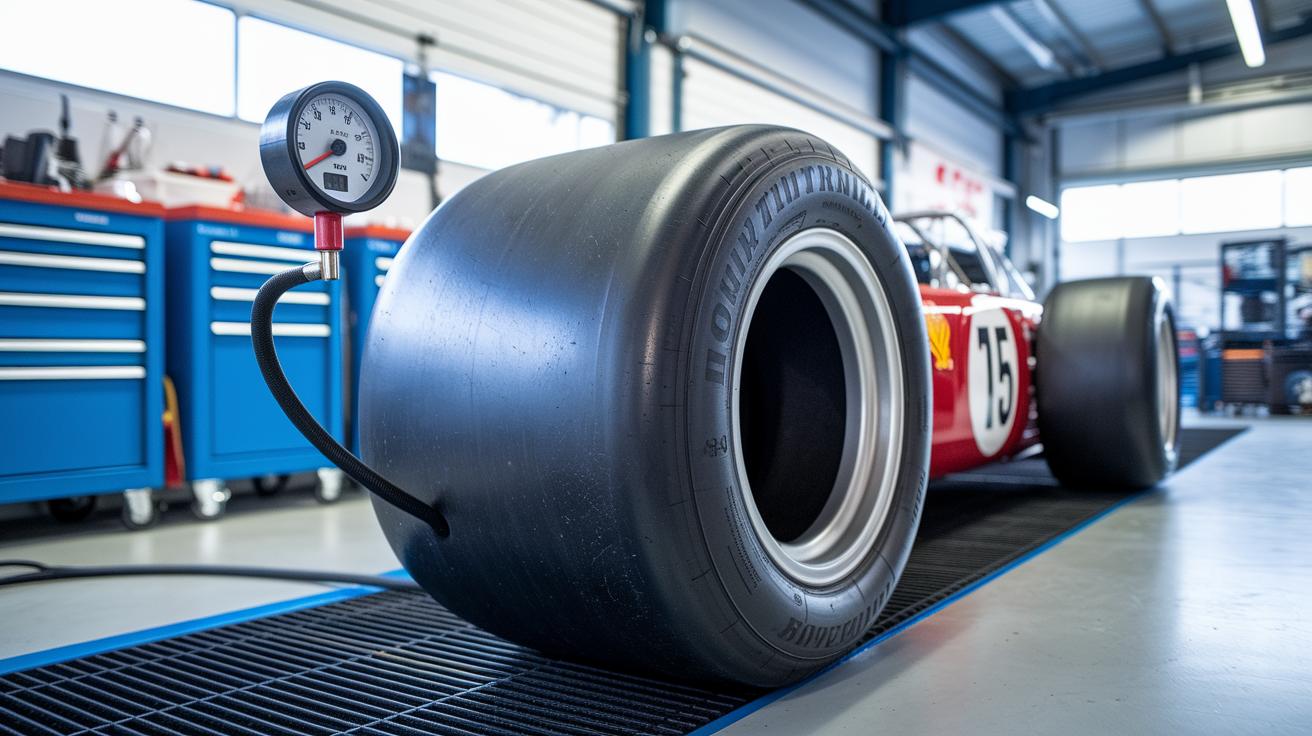


Ever notice how your tires seem to heat up quickly on a long drive? Tire temperature ratings tell you how much heat your tire can handle before the rubber starts to break down (losing grip and strength).
Think of it like an engine that needs a break. When your tire gets too hot, it can’t work as well, much like an overheated engine that starts to lose power.
Knowing these ratings helps you choose the right tires for your driving style and the weather. In short, keeping track of tire temperatures is key to a smooth, safe ride.
What Tire Temperature Ratings Mean and Why They Matter

Tire temperature ratings show how much heat a tire can handle before its rubber starts to break down. When a tire gets too hot, its structure can weaken much like an engine that overheats if it isn’t cooled properly. This means keeping things cool is key to a smooth and safe ride.
The government’s Uniform Tire Quality Grading system includes these heat ratings. In the US, the National Highway Traffic Safety Administration requires all passenger tires to have at least a C rating. Manufacturers give tires one of three letter ratings:
- A Rating: Great for high-speed driving or really hot weather because it handles heat very well.
- B Rating: Good for everyday driving with moderate heat.
- C Rating: Meets the basic safety standard, best for cooler conditions.
Checking the tire’s temperature rating is important for every driver. When you’re picking out new tires or checking your current ones, knowing whether they’re A, B, or C rated can help you stay safe. For example, if you often drive fast or in really hot areas, A-rated tires reduce the risk of tire problems. But if you mainly drive in milder weather, B or even C-rated tires might be just fine. This simple bit of info can help you choose the right tire for your needs, making your ride both safer and longer lasting.
How Tire Temperature Ratings Are Determined

Tire heat ratings are set by the manufacturers after lots of careful lab tests under what’s called the UTQG framework (a set of guidelines for tire quality). In these tests, tires are driven on special tracks that mimic real-life conditions, using preset speeds and steady ambient temperatures. This helps see how well the tire’s materials – like the rubber compound (the mix of chemicals that make up the tire) and the tread design – handle heat buildup when in use. The ratings you see give you a fair, objective way to compare different tires without getting into the details of government rules.
During testing, technicians look at five main things that affect a tire’s ability to deal with heat. First, they check the rubber compound to see how it stands up to high temperatures. Second, they study the tread pattern to see how its design helps cool the tire. Third, they consider how much load (the weight from the vehicle) the tire is handling since heavier loads can lead to more heat. Fourth, they monitor the speed because faster speeds create extra friction and heat. And fifth, they make sure the test track’s temperature stays consistent for accurate results.
These careful and repeatable tests make sure that tire temperature ratings are both trustworthy and similar across different brands. By keeping the testing conditions the same for every tire, manufacturers can assign ratings that really show how well a tire stands up to heat. This way, you get clear, honest information that helps you pick tires that have been thoroughly checked in conditions that feel just like real driving.
Impact of Tire Temperature Ratings on Performance and Durability
When tires warm up, the rubber starts to wear out faster. Think of it like soft wax melting in the sun. If a tire isn’t built for high temperatures, its structure can lose strength and create problems later on.
Hot conditions can make your tires unsafe. When a tire gets too warm, the whole structure can weaken and lead to blowouts. Research shows that most blowouts can be prevented if you monitor and maintain your tires. And when you're driving fast, extra friction heats them up even more, so keeping an eye on the temperature is key for both lasting performance and safety.
Tires are rated by how well they handle heat. A-rated tires do a much better job than B- or C-rated ones. They break down slower when things heat up, which means they keep their grip longer on hot roads or during fast driving. B-rated tires offer a moderate level of heat resistance, while C-rated tires, which just meet the basic standard, work best in cooler conditions.
Temperature ratings let you know how much heat a tire can tolerate before it starts to break down. Traction ratings, on the other hand, tell you how well the tire grips on wet or icy roads. Both numbers matter if you want a tire that's safe and effective. A tire might handle heat well but still need extra grip for slippery conditions, so it’s smart to consider both when choosing your tires.
Tire Temperature Ratings: Elevate Performance

Matching your tire’s temperature rating to your ride isn’t just about numbers, it really boosts your car’s overall performance on busy roads. Picture it like checking your engine gauges before a long drive; if you live in a hot area, you might need tires that handle heat better. Advanced tire materials and tread designs work together with these ratings to ensure a steady grip, even on long, sun-soaked highways.
A-rated tires are built for speeds over 115 mph and tough, hot conditions. They can reduce heat buildup by up to 20% compared to regular tires. B-rated tires work well for everyday driving, while C-rated tires offer the basics for cooler areas and slower speeds. Here’s a quick table that sums up what each rating offers:
| Rating | Speed Capability | Heat Management | Tire Technology |
|---|---|---|---|
| A | >115 mph | Up to 20% improved heat control | Advanced tread compound |
| B | Everyday driving | Balanced heat control | Standard design |
| C | <75 mph | Baseline control | Basic design |
If you drive in hot weather, check out tips on tire installation for warm climates to keep your ride safe. Picking the right temperature rating reduces the chance of tire failures and helps your tires last longer. Regular checks, like keeping an eye on your tire pressure and how fast the tread wears (this shows how quickly the tire’s surface erodes), ensure your tires perform steadily, even when the heat is on.
Reading Tire Temperature Ratings on the Sidewall and UTQG Charts
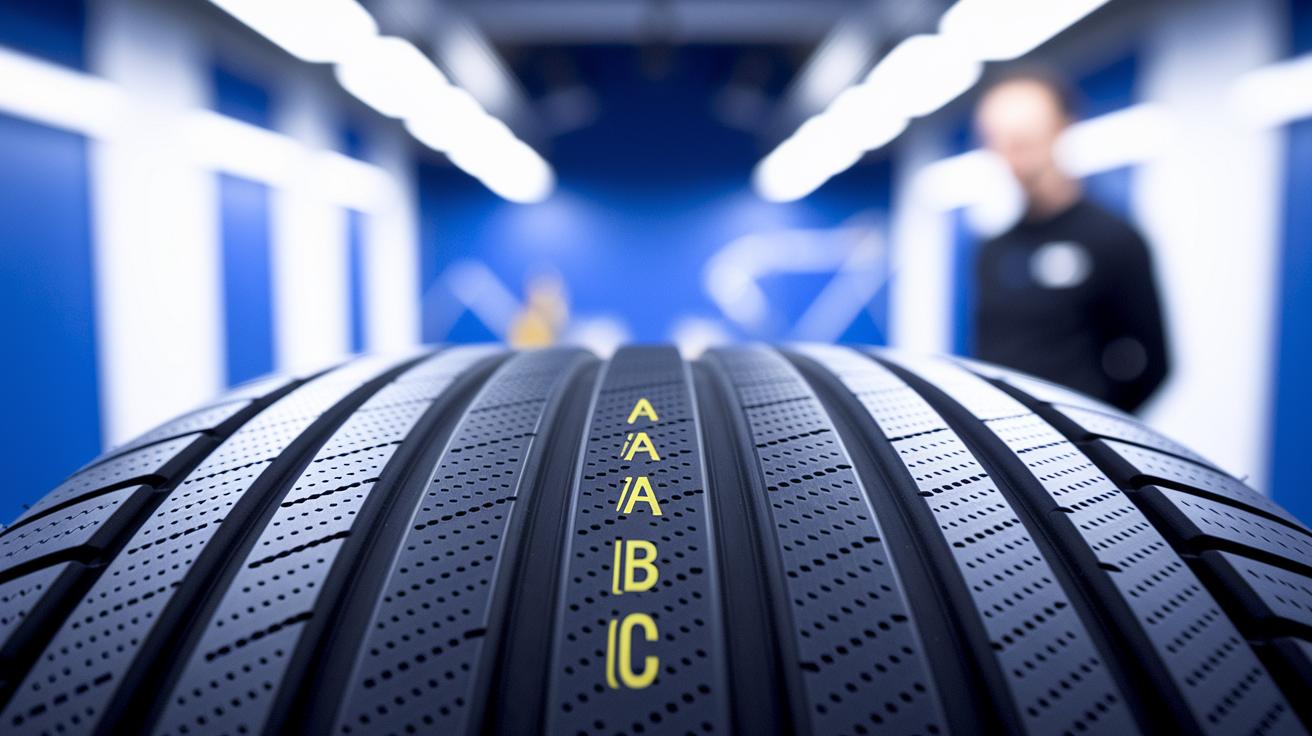
Have you ever taken a close look at your tire’s sidewall? Right there, along with the tire size and treadwear grade (how fast a tire’s surface might wear out), you’ll see a temperature rating. This letter shows you how well the tire can stand up to heat, and you'll find it in the same spot on every tire, making it easy to notice.
Then there’s the UTQG chart. It breaks things down into three parts: treadwear, traction (how well the tire grips the road), and temperature rating. Next to the temperature part, you’ll see a letter, A, B, or C, which tells you how much heat the tire can handle. This simple layout makes it a breeze to compare different tires, especially when you want one that stays cool under pressure while keeping a good grip on wet roads.
Next time you’re shopping for new tires, take a moment to check out the sidewall details and the UTQG chart. It’s a quick tip that helps you pick tires suited for the weather you face, whether it’s hot or mild. It’s like getting a little insider scoop to ensure a safe and smooth ride.
Final Words
In the action, we explored how tire temperature ratings help prevent breakdowns and guide safe driving. We broke down the UTQG system, showing what A, B, and C ratings mean and how they set the standard for tire performance.
We also talked about how testing protocols set these ratings and why matching the right tire for your driving needs matters.
Keep in mind, checking tire temperature ratings can boost your confidence on the road and keep your ride smooth.
FAQ
What is a tire temperature ratings chart?
A tire temperature ratings chart lists the tire’s ability to handle heat by using designations like A, B, or C. It helps drivers compare how well tires manage high temperatures.
What does a tire traction rating indicate, and how do ratings like A vs B compare?
A tire traction rating explains the tire’s performance on wet surfaces. Ratings such as A versus B tell you how effective a tire is at gripping wet roads.
What is considered a normal tire temperature in Celsius?
Normal tire temperature in Celsius typically ranges from 50°C to 70°C during everyday driving. This heat is generated by friction and can vary with speed and conditions.
What does a tire temperature rating B mean?
A tire temperature rating of B means the tire is built to handle moderate heat. It is designed for everyday driving in most climates, providing reliable performance.
What is a good tire temperature rating?
A good tire temperature rating depends on your driving conditions. Generally, an A rating is ideal for high speeds or hot climates, offering superior heat resistance and safety.
Is a 300 treadwear rating better than a 500 treadwear rating?
A 500 treadwear rating generally means a tire lasts longer than one rated 300. The trade-off might be in grip, so the best choice depends on your driving style.
What is better, an H or V speed rating on tires?
An H rating indicates the tire is approved for lower top speeds compared to a V rating. Choosing between them should match your vehicle’s speed needs for safe driving.
What is the difference between LT and P rated tires?
LT-rated tires are made for light trucks, while P-rated tires are for passenger cars. The better option depends on your vehicle type and how you use it.

