


Have you ever wondered if your tires could really save you during a heavy rain? Tire traction ratings show you how fast your car might stop on wet roads. They come in grades like AA, A, B, and C, which give you a simple way to see how safe your tires are.
Imagine you’re driving and suddenly, the rain picks up. A good set of tires with a top rating can help keep your car steady on the slick road. In this post, we break down what each of these ratings means and how they can make your ride smoother and safer.
So next time you check your tires, remember that a little safety check can go a long way.
tire traction ratings: Boost Safety & Performance
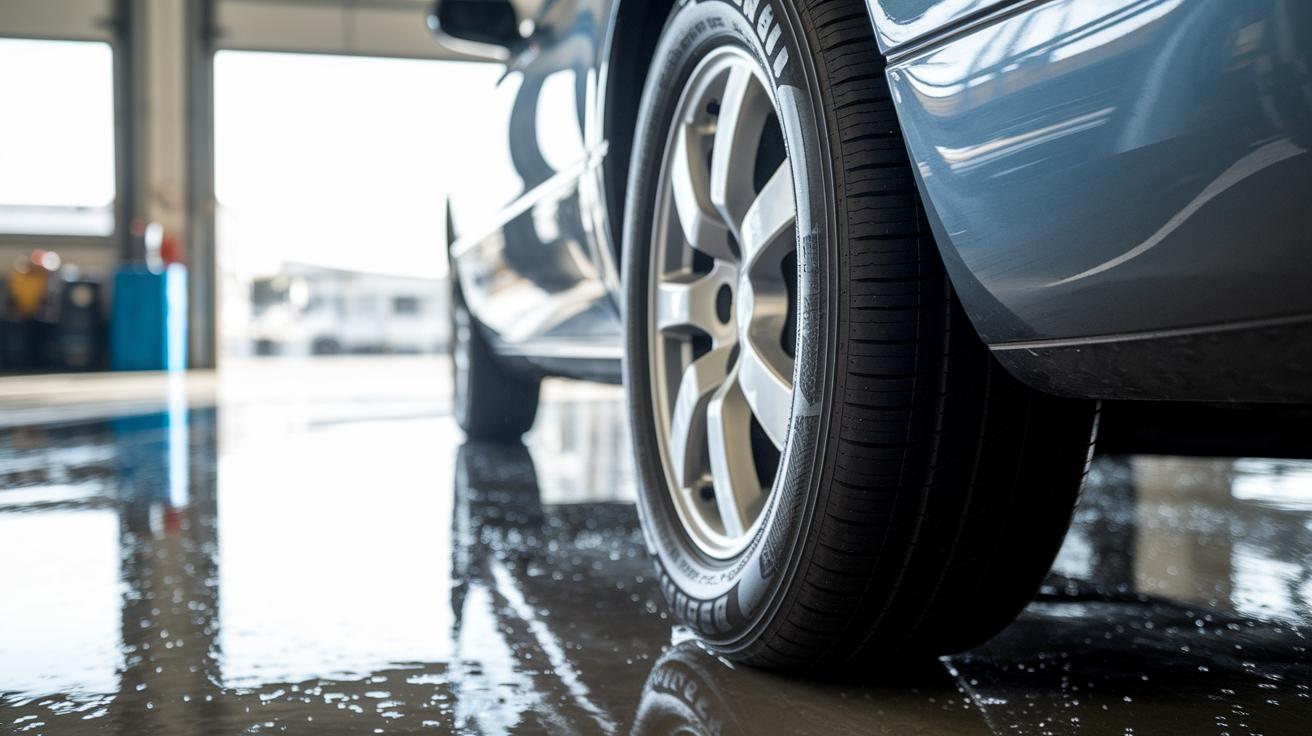
Have you ever thought about how well your tires hold onto wet roads? Tire traction ratings show you exactly that. They come in four grades, AA, A, B, and C, to let you know how your tires will stop during straight braking tests on both asphalt and concrete. AA-rated tires provide the quickest stop (the car stops fastest on wet surfaces), while a C rating means it takes a little longer. Just remember, these ratings only apply to new tires and don’t tell you how well a tire handles turns.
When you're checking your tires, take a peek near the TREADWEAR and TEMPERATURE marks on the sidewall. Seeing a grade like AA or B means you’ve got a clear sign of how good the tire is at stopping on a wet road. It’s like choosing a safety shield to help keep you in control when the roads get slick.
| Rating | Wet-Stop Performance |
|---|---|
| AA | Best grip and shortest stopping distance |
| A & B | Good grip and decent stopping distance |
| C | Longest stopping distance |
Did you know that cars with AA-rated tires can stop noticeably faster in heavy rain? This means a safer drive when the weather turns nasty. Using these traction ratings is a simple and practical way for drivers to compare tire safety features at a glance. So, next time you’re picking out tires, you can count on these ratings to help keep every drive as safe as can be.
How UTQG Traction, Treadwear & Temperature Grades Relate
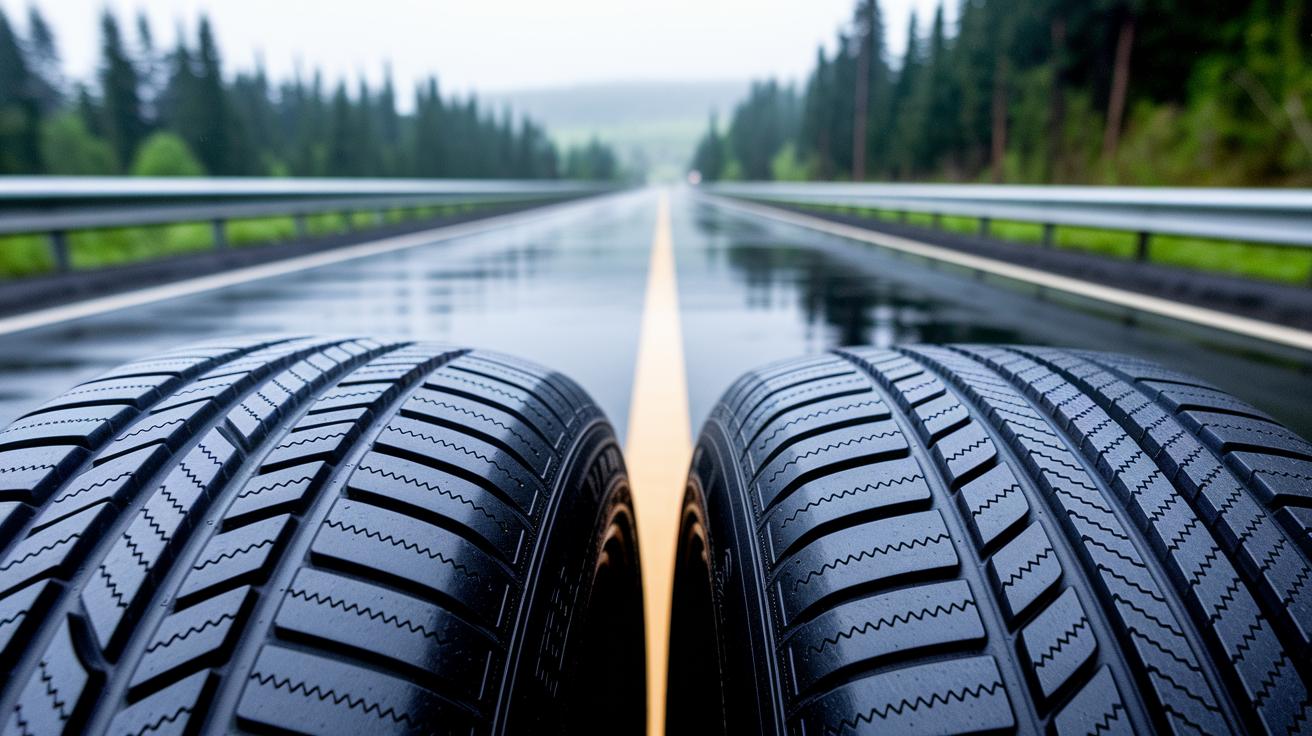
UTQG might sound like a jumble of letters, but it simply breaks down a tire’s performance into three easy parts, treadwear, traction, and temperature. Treadwear is a guide to how long your tire’s surface (the tread) might last under controlled lab tests. For example, a tire with a 400 treadwear rating should outlast one with a 300 rating, a bit like comparing fuel efficiency between two cars from the same maker.
Traction tells you how well a tire can stop on wet roads. It’s rated from AA down to C. A tire marked AA can come to a halt quicker on slick surfaces than one labeled C. This comes from simple lab tests where tires are braked in a straight line on wet concrete or asphalt. So when you see the traction grade along with the treadwear number, you’re getting a quick peek at how the tire handles rainy conditions.
Temperature is the last piece of the puzzle. Tires get an A, B, or C rating to show how well they shed heat during testing. Even if a tire gets a C, it still meets safety standards as long as you keep it properly inflated and avoid overloading. Think of it like checking your tire pressure before a long drive, it helps you get the most out of what the ratings tell you.
Put together, these UTQG ratings give you a clear snapshot of a tire’s lifespan, its grip on wet roads, and how it deals with heat. It’s like having a friendly roadside guide to help you choose the best tire for a safe, smooth ride.
Testing Methods Behind Traction Performance Charts

Car makers check how well tires grip wet roads using lab tests under very specific conditions. In one test, a tire stops from 40 mph on a wet track with a set water depth. It is a bit like a timed race where every tick counts and the tire earns a grade from AA to C.
The tests give clear numbers about road grip, but they do not cover how a tire handles curves, turns, or even worn-out tread. A tire that does well on wet straight roads might act differently on a twisty path or after lots of miles.
By using these fixed test numbers in UTQG ratings, manufacturers create a basic grade for tire grip. This method gives us a peek into how traction is scored, even if it does not capture real-world changes like long-term use or varying road conditions.
Comparing Traction Across Wet, Dry & Winter Conditions

Ever notice that tire ratings often only talk about stopping on wet roads? UTQG traction ratings are meant to show just that, how well your tire can stop on a wet surface. But they don't give you a clue about how your tires will perform on dry roads or when it's snowy. So, a tire that shines in a wet test might not be the best for everyday dry drives or winter weather.
When you're driving on dry pavement, factors like the tire’s rubber mix and how the tread is set up really count. For example, siping (tiny cuts in the tread that help with grip) and how firm the tread blocks are will make a big difference. Winter tires, however, are built in a special way. They use unique designs and softer rubber compounds (which stay flexible in freezing temps) to handle snow and ice. Look out for symbols like the Three-Peak Mountain Snowflake, which tell you the tire is ready for cold weather.
All-season tires try to mix the best of both worlds. They offer fairly good wet braking, steady grip on dry roads, and can handle a bit of snow too. Their tread compounds and siping patterns are balanced to work in different temperatures. For more details on how these tread features compare, you might want to check out "The Science Behind Innovative Tire Tread Designs."
In the end, the way your tire is made, from its compound to its siping, plays a key role in how it handles wet, dry, or wintry roads.
Applying Traction Ratings to Tire Selection
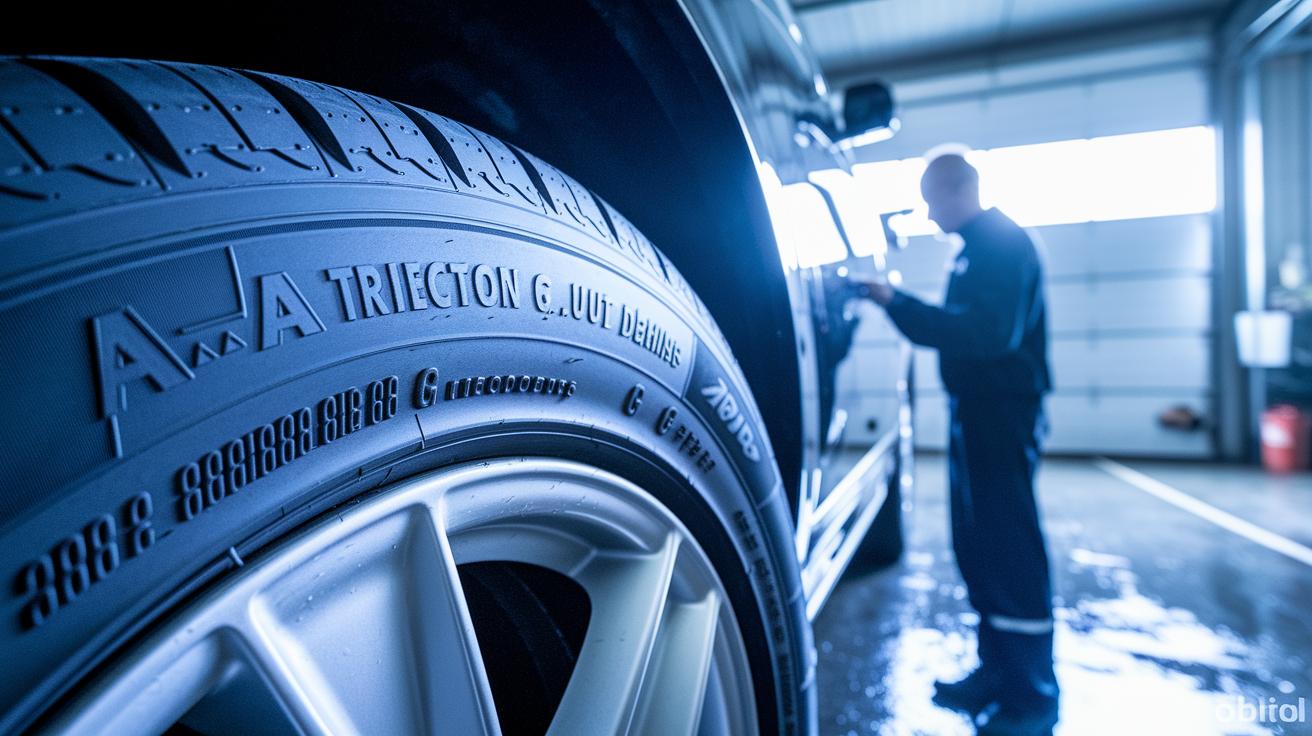
When you're checking out tires, start by looking at the AA to C traction numbers on the side. These grades tell you how well a tire sticks to the road when it's wet. For instance, if you see an AA, that tire is designed to help you stop faster on a rainy day.
Manufacturers sometimes list extra details like g-force numbers along with the UTQG ratings (a measure of tread wear, which shows how quickly the tire's surface wears out). This side-by-side info makes it easier to compare how different tires perform on wet roads.
Here are a few tips to help you use traction ratings when picking out your tires:
- Look at the grade first to narrow down your choices for wet-road performance.
- Check brand websites or use lookup tools to see how the traction grade matches up with prices and treadwear warranties.
- Remember that tires with a higher traction grade usually cost a bit more, but they can improve your safety during rainy conditions.
By following these simple steps, you can easily compare and choose tires that offer a good mix of cost and better braking in wet weather.
Common Misconceptions About Tire Traction Ratings

When you first look at a tire's traction rating, it only tells you how well the tire can stop on wet pavement. It doesn’t mean the tire will perform the same on different road surfaces.
Treadwear warranties work on a prorated system. Imagine you expected your tire to last a long time, but instead, it only covers half that distance. In that case, you get partial credit toward a replacement.
- Wet-stop grades do not guarantee performance on every kind of road.
- The ratings come from tests with brand new tires.
- Treadwear warranties only offer partial credit if the promised mileage isn’t met.
Final Words
In the action, the article explained how tire traction ratings show wet-road stopping power using AA to C grades. It brought clarity by outlining UTQG benchmarks, detailing test methods for wet pavement grip, and comparing performance in different weather. The insights also debunked misconceptions about these ratings and highlighted how to use them when choosing tires. Each idea was broken down like a clear road sign, helping you understand what matters most. It's all about driving with confidence and safety on every ride.
FAQ
FAQ
Q: What are tire traction ratings charts, PDFs, and Reddit discussions about?
A: Tire traction ratings charts, PDFs, and Reddit discussions refer to resources showing tire grades (AA to C) that indicate wet braking performance. They help drivers compare tire grip from standardized tests.
Q: What is the difference between tire traction ratings A and B, and what does traction A mean?
A: Tire traction ratings A and B compare a tire’s wet stopping ability. Rating A offers shorter stopping distances than rating B, meaning the tire performs better in wet conditions during straight-line braking tests.
Q: How does traction rating A compare to AA and which is best?
A: Traction rating AA is the top grade, offering the best wet traction and shortest stopping distances, while rating A is slightly lower. AA is considered the best for reliable wet-road performance.
Q: What is the best traction rating for a tire?
A: The best traction rating for a tire is AA because it delivers the shortest stopping distances on wet surfaces, enhancing safety during sudden stops in rainy conditions.
Q: What does the UTQG traction rating on tires mean?
A: The UTQG traction rating indicates a tire’s wet braking performance based on lab tests. It’s one aspect of the UTQG system, which also includes treadwear and temperature grades for overall tire evaluation.
Q: What does a tire temperature rating show?
A: A tire temperature rating shows a tire’s ability to dissipate heat under laboratory conditions. It indicates how well the tire handles heat build-up, which can affect overall performance and safety.
Q: Is a treadwear rating of 300 better than 500?
A: When comparing treadwear ratings like 300 and 500, 300 suggests faster tread wear in similar conditions. These ratings only compare within the same brand, so a 500 rating typically means longer-lasting tread.
Q: What is better, an H or V tire speed rating?
A: H and V tire speed ratings indicate different maximum speeds. An H-rated tire supports lower speeds while a V-rated tire supports higher speeds. The best choice depends on your vehicle’s requirements and driving style.

