


Have you ever glanced at the number on your tire and wondered what it really means for your drive? This number tells you how long your tire might hold up (tread wear: how fast the tire surface erodes) and hints at how smooth your ride could be.
If the number is high, you might get more miles out of your tires. But if it’s lower, you could be looking at more visits to the tire shop. It’s a bit like your tire giving you a friendly nod, letting you know it’s built for a steady grip and long-lasting performance.
In this post, we break down what these numbers mean so you can choose the right tires and keep enjoying your journey.
Understanding the Basics of Tire Treadwear Ratings

Have you ever looked at the numbers on your tires and wondered what they mean? The UTQG system, developed by the DOT and NHTSA, helps you get a sense of how long your tires might last and how they perform. It checks three things: treadwear (which shows how fast the tire's surface wears out), traction (how well the tire grips wet roads), and temperature (its ability to handle heat). Think of it as a handy guide to the tire’s endurance, grip, and heat resistance.
Treadwear ratings are expressed as numbers. To figure out the estimated mileage, you simply multiply that number by 100. For example, if a tire shows a rating of 600, it should roughly run for about 60,000 miles under normal conditions. This easy math trick makes it simple to compare different tires.
But real-world performance can vary. These ratings come from tests on government-run tracks, and because the manufacturers report the results, your personal driving habits, road conditions, and tire care can affect the mileage you see. Plus, some tires made for special purposes might not even have UTQG markings. So, while these ratings are a useful starting point, remember that your everyday driving might change things up a bit.
How UTQG Tests Create the Treadwear Performance Scale

On a government-run test track, tires are driven for 7,200 miles to see how quickly they wear out. Each tire is compared to a “control” tire – one that is driven under exactly the same conditions – so any differences in wear are easy to spot. They then give the tire a number that shows if it wears out faster or slower than the control. This simple step helps us get a clear picture of how durable a tire might be on the road.
Next, manufacturers share these results using a set of standard test rules, even though the tests only cover specific conditions. The tire’s sidewall carries the grade, showing its relative endurance in these controlled settings. Sometimes, though, you won’t see a rating if a tire isn’t required to go through UTQG testing. This method of comparing to a control tire gives drivers a dependable way to understand a tire’s treadwear performance under repeatable conditions.
Translating Treadwear Ratings into Mileage Estimates

To guess how long your tires might last, just multiply the treadwear rating (a number that tells you how fast a tire wears out) by 100. So, if a tire has a 400 rating, you’re looking at roughly 40,000 miles. This simple math helps you compare how durable different tires might be.
| Treadwear Rating | Estimated Mileage |
|---|---|
| 300 | 30,000 miles |
| 400 | 40,000 miles |
| 600 | 60,000 miles |
| 800 | 80,000 miles |
Keep in mind that these figures are just rough estimates. Your actual tire life might be more or less based on how you drive, weather, road conditions, and how well you maintain your tires. I remember noticing that my tires seemed to last longer on smooth highways compared to bumpy city roads. Real-world conditions really make a difference.
Tire Treadwear Rating: Boosts Tire Endurance

When you’re picking out new tires, UTQG scores give you a quick peek at how long a tire might last. You can usually spot this number on the tire’s side, and it lets you line up different brands side-by-side. But remember, since tire makers report these figures themselves, they can sometimes paint an overly sunny picture. I always double-check online specs, warranty details, and what other drivers say.
- Make sure the tire’s side shows the grade as promised.
- Look over the warranty and any mileage limits.
- Read up on real-road reviews and customer experiences.
- Choose a tire that matches how and where you drive.
These simple checks help you get a balanced idea of a tire’s quality. While UTQG scores point to solid performance in tests, real-life factors, like how you drive or how well you maintain your tires, can change the wear. So, take your time, compare the facts, and pick the tire that fits your driving needs best.
Factors Affecting Tire Longevity Beyond Treadwear Rating
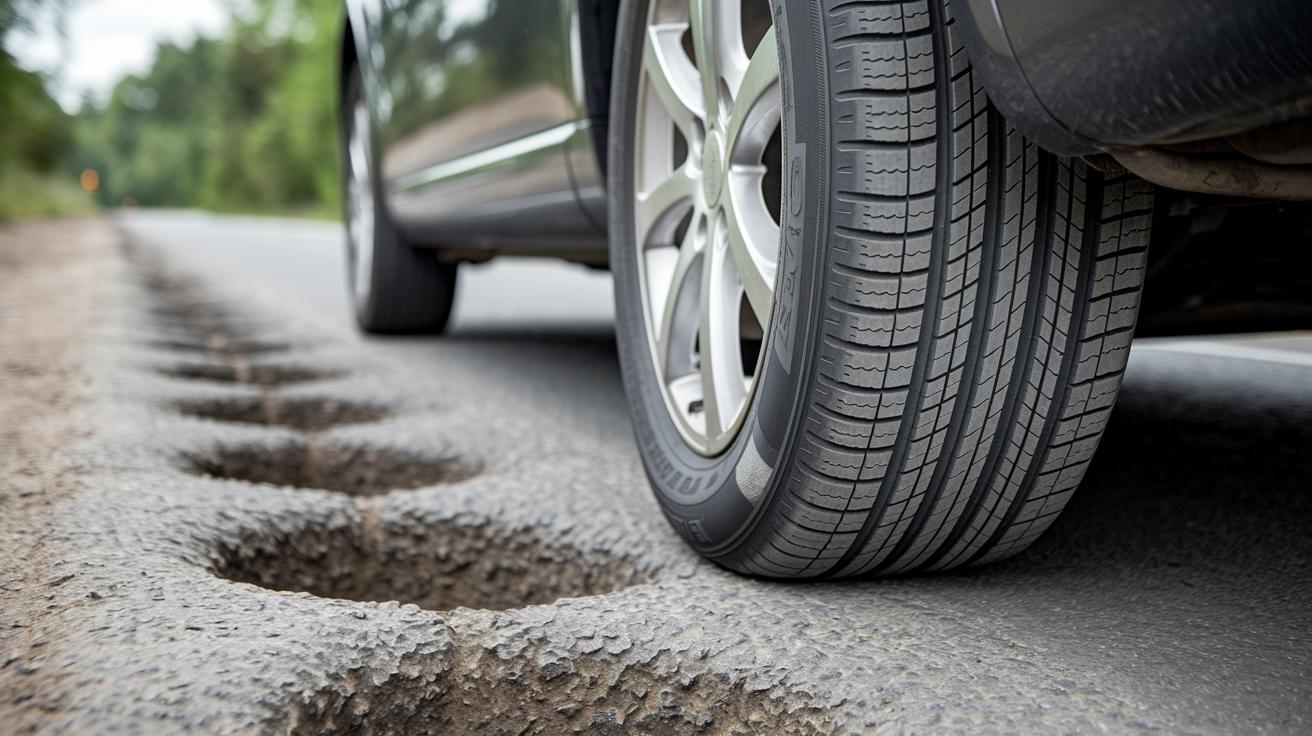
When it comes to tire life, it’s not just the treadwear number that matters. The way you drive, how quickly you speed up, how sharply you take turns, and everyday things like the weight you carry, proper air pressure, alignment, weather, and even the road surface all play a part. It’s a bit like looking after your favorite shoes; if you walk on rough pavement or wear them out too fast, they won't last as long. For example, if you often drive on roads full of potholes, you might see your tires wearing out quicker than someone who mostly enjoys smooth highways.
Treadwear ratings only give you part of the picture. There’s also the UTQG system, which includes traction and temperature scores. The traction score (ranging from C to AA) shows how well your tires grip wet roads, while the temperature score (from A to C) lets you know how a tire handles heat buildup at higher speeds. Think about it this way: a tire with an AA traction rating and an A temperature rating tells you that it not only holds on tight when it rains but also keeps cool enough for a bit of fast driving. These extra ratings help you understand a tire’s overall strength beyond just the treadwear number.
Other things that affect a tire’s life are the materials used in the tire, how its sidewall is built, and how often you give it a little maintenance love. Regular tire rotations and checks for balance work like quick pit stops, helping even out wear so your tires stick with you for longer.
Durable Tire Selection Tips Using Treadwear Ratings

When you’re shopping for new tires, think about your driving habits. If you mostly cruise on highways and put many miles on your car, a tire with a higher treadwear rating (a number that hints at how long the tire might last) could be a smart choice. It also helps to check the mileage warranty to see what the maker promises.
I remember the time I used a tire-matching tool just for my car. It cleared up the confusion by showing which tire fit my driving style and the car’s needs best. Next, mixing in ratings from the UTQG (a rating given by tire manufacturers), feedback from other drivers, and results from independent tests gives you a full picture of each tire’s endurance.
It’s important to balance the label on the tire with how you actually drive every day. Even a tire with a great rating comes from controlled tests, so everyday factors like road conditions, speed, and proper tire care really matter. Choosing a tire that matches your driving style keeps your car safe and makes every drive feel confident.
Final Words
In the action, we unpacked the basics of how UTQG works, explained how numbers relate to miles, and highlighted real-world factors.
We also offered practical tips to compare brands and choose tires that fit your driving needs.
This article shows that even when numbers guide you, considering everyday driving habits and tire care is key. Ride with confidence knowing your tire treadwear rating reflects a blend of technical insight and real-life experience.
FAQ
What is a tire treadwear rating calculator or chart?
The tire treadwear rating calculator or chart shows a number that, when multiplied by 100, gives an estimated tire life in miles. It helps drivers compare durability quickly.
What does a 0 treadwear rating mean?
The 0 treadwear rating means the tire didn’t register measurable wear during testing. It’s unusual and might indicate a special tire type or a unique testing scenario.
How many miles is a 300 treadwear tire estimated to last?
The 300 treadwear rating translates to roughly 30,000 miles using the standard multiplier, although driving habits and conditions can change real-world mileage.
How many miles is a 400 treadwear tire estimated to last?
The 400 treadwear rating suggests an estimated 40,000 miles under normal driving conditions, but factors like maintenance and road type can affect actual life.
How many miles is a 600 treadwear tire estimated to last?
The 600 treadwear rating estimates about 60,000 miles when multiplied by 100. Actual mileage will vary depending on driving style, road conditions, and care.
How many miles is a 700 treadwear tire good for?
The 700 treadwear rating pretty much indicates around 70,000 miles. Regular tire care and standard driving conditions help achieve this estimated mileage.
Is a 420 treadwear rating good, and how many miles does it suggest?
The 420 treadwear rating indicates roughly 42,000 miles. While it’s lower than some ratings, its performance can meet everyday driving needs if the tire is properly maintained.
How many miles is a 500 treadwear tire estimated to last?
The 500 treadwear rating estimates about 50,000 miles. This calculation provides a general guideline, though real-life results depend on driving practices and conditions.

