


Ever wonder what your tires would say if they could talk?
When your tires shake just a little, a process called tire vibration analysis (a way to spot tiny shifts) picks up on those signals and tells you how your tires are really doing.
Smart systems work with clever tools to catch things like uneven wear (when your tires wear out at different speeds) before they become big problems. A small change in the shake can be a hint that your tires need a quick checkup, saving you time and money on repairs.
It’s pretty amazing how a few simple numbers and smart tech can keep your ride smooth and safe. Stay with us, and we’ll show you more about what your tires might be trying to tell you.
How Tire Vibration Analysis and Intelligent Diagnostics Delivers Accurate Tire Health Insights
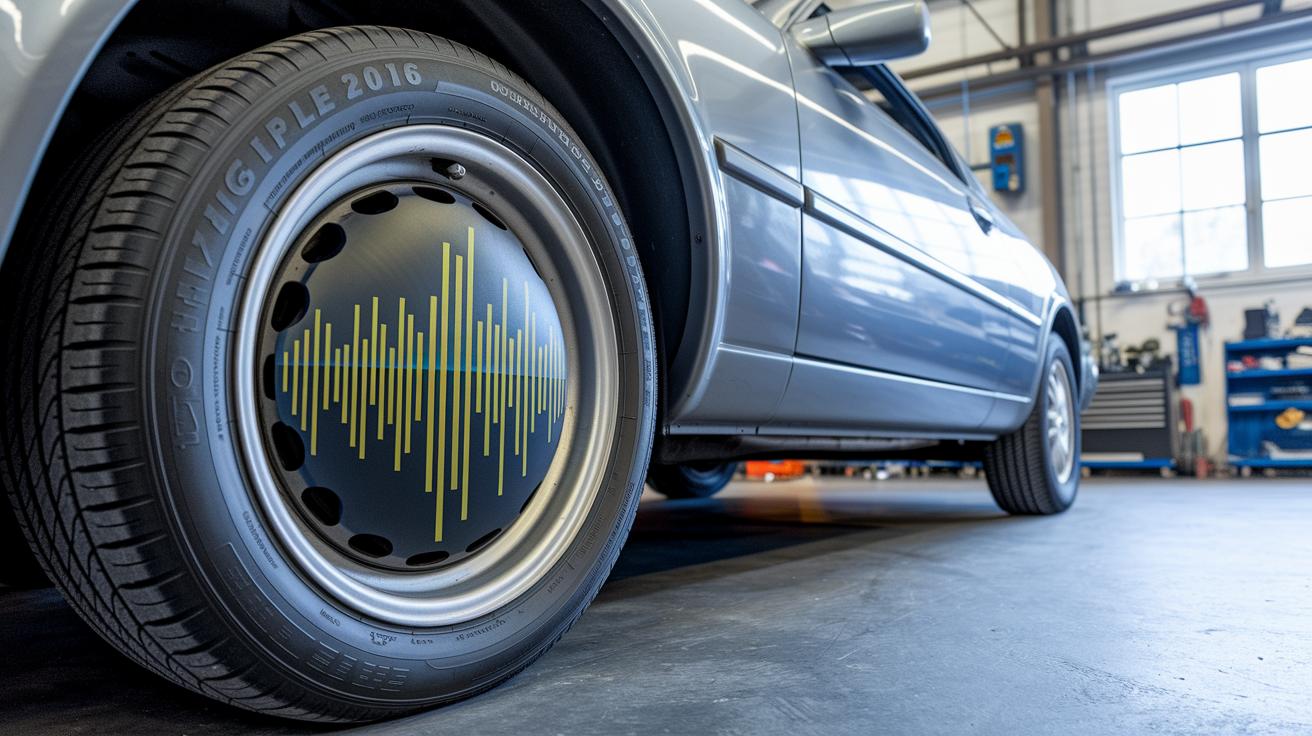
Imagine your tires talking to you. Tire vibration analysis listens to the tiny shakes and vibrations of your tires by turning how fast the tire spins (like RPM, or rotations per minute) into hertz, which are simple vibration numbers. For example, 1,200 RPM becomes roughly 20 hertz. It's a bit like changing one language for another so you understand what your tire is saying.
With these insights, smart diagnostic systems mix in AI-powered tools to spot things like uneven wear, balance issues, or even problems in the tire's build. They do this by checking if the vibration numbers line up with what should be expected. When there’s a mismatch, it's like your tire waving a red flag before a bigger problem shows up.
There was one case where technicians picked up a 20 hertz signal that came from the engine and a 26 hertz signal from the tire instead. This difference showed exactly where repairs were needed, helping the team fix issues before they got worse. Next, these systems use several sensors together so that when vibrations go above a safe limit, they send out an alert, ensuring the tire gets the care it needs on time.
Real-time data from accelerometers (devices that feel movement) keeps an eye on tire health every moment. This blend of vibration analysis and smart diagnostics helps avoid unexpected breakdowns. Using AI, the system compares many patterns in the data to match them with known tire or drivetrain issues. In truth, these methods help keep your ride safe, extend tire life, and cut down on repair bills.
Tire Vibration Analysis and Sensor Technologies Integration

Modern systems use smart sensors that catch tire vibrations with great precision. They combine accelerometer arrays (gadgets that measure motion) and piezoelectric sensors (devices that pick up tiny signals) to notice every little shift. Together with MEMS sensors (small, efficient devices), they track changes in movement, temperature, and pressure to give you a clear look at tire health.
These sensors connect wirelessly to a main unit that updates information in real time. Imagine having a friendly dashboard that shows every tiny change in your tire’s behavior. It gathers data from several sensors into one easy-to-read picture, so nothing goes unnoticed. Even when the temperature changes or the vehicle carries extra weight, the system stays accurate, almost down to 0.01 Hz.
Next, all the data comes together through what we call multi-sensor fusion. This process mixes info on acceleration, temperature, and pressure to spot even small differences from normal. Because the sensors continuously send updates, technicians can catch unusual tire behavior early. This means safer drives and lower repair costs, keeping your journey smooth every time.
Data Processing Techniques in Tire Vibration Signature Interpretation
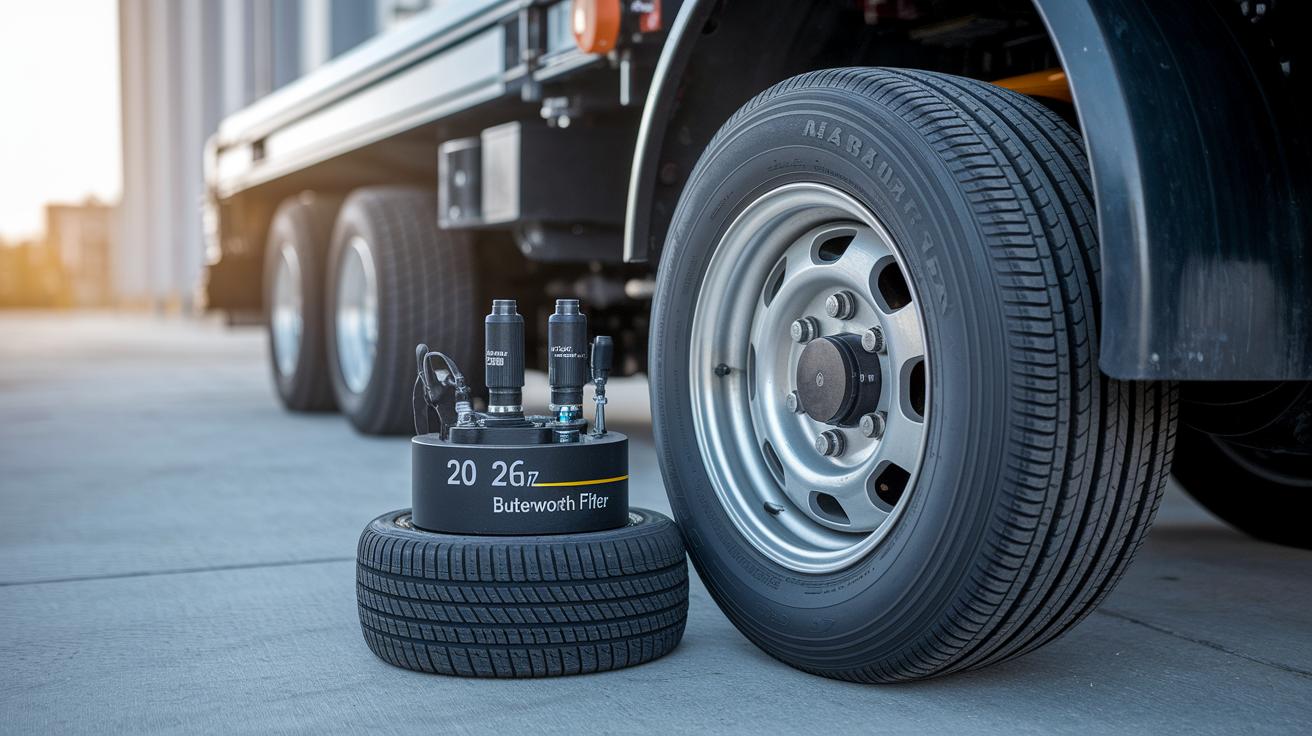
When we start, a tire's vibration data comes in as raw information from sensors called accelerometers. We then use a tool called FFT (Fast Fourier Transform) to change that time-based data into a form based on different frequencies. It’s a bit like turning a jumble of sounds into clear, distinct notes that you can easily recognize. This helps us pick out key frequency peaks such as 20 Hz or 26 Hz, which tell us about specific tire parts or drivetrain components. We use windowing techniques to lessen any edge effects and apply a Butterworth filter (a method that cuts out background noise like unwanted static) so things are clear. After that, amplitude normalization makes sure that even small vibration changes can be seen clearly.
Imagine using a simple spreadsheet the same way you might check your tire pressure with a gauge. It calculates what vibration peaks should look like based on your engine’s RPM and your speed. This easy method helps spot when a tire or another part isn’t working as it should.
Here’s a five-step process to help you isolate tire-related vibration signals:
| Step | Description |
|---|---|
| 1 | Capture raw data from accelerometers |
| 2 | Apply digital filters, like the Butterworth filter, to smooth out noise |
| 3 | Run an FFT on the time-series data to reveal the frequency details |
| 4 | Spot the main frequency peaks, for example, 20 Hz and 26 Hz |
| 5 | Match these peaks with tire or drivetrain issues |
This approach lets you see the full picture of the frequency spectrum and helps you make smart choices about maintaining your tires and vehicle parts.
AI-Driven Diagnostics and Predictive Maintenance with Tire Vibration Analysis

AI technology turns raw tire vibration data into clear signals you can act on. When tire data is gathered, smart machine learning tools sift through big sets of numbers to spot odd patterns, kind of like a seasoned mechanic who can sense a tire's whisper before trouble starts. One fleet even cut unexpected breakdowns by 65% with these clever diagnostics. Plus, drivers get a friendly heads-up about 28 days before a major issue, giving them plenty of time to plan repairs.
This approach isn’t just about noticing problems after they’ve happened; it helps you avoid them altogether. By keeping an eye on vibration changes, the system lets you know when something doesn't seem right. This simple alert can cut maintenance costs by 35% and extend tire life by 42%. Imagine a tool that watches your tires 24/7, catching early signs of imbalance or unusual wear. Some platforms even use deep computational checks to make sure every alert is spot on.
In real-world tests, these systems helped fleets save $500K a year and even pulled in $1.8M in savings for a 500-vehicle group. These solid numbers show that smart sensors and automated checks can really change how we take care of our tires. They turn the noise of daily driving into clear numbers that tell you when a tire might fail, so technicians can fix things before they cost a fortune.
| Metric | Improvement |
|---|---|
| Unexpected breakdowns | –65% |
| Tire life | +42% |
| Maintenance cost reduction | –35% |
Real-Time Tire Vibration Monitoring with Wireless Sensor Networks
Each wheel has a smart sensor that keeps an eye on vibrations, temperature, and tire pressure, all in real time. These wireless sensors (that is, sensors that send data without using wires) quickly alert you if something seems off. Imagine getting a message telling you, "There's a sudden spike in vibration. Please check your tire now."
The information from these sensors flows right into your car’s system using connected car technology (a network that lets your car share data with other systems) and then moves on to large industrial diagnostics. This setup is pretty reliable, about 78% reliable, in fact, and it saves fleet owners around $3,600 per vehicle each year.
| Metric | Value |
|---|---|
| Annual Savings per Vehicle | $3,600 |
| System Reliability | 78% |
Diagnostic Tools and Cost-Effective Approaches in Tire Vibration Analysis
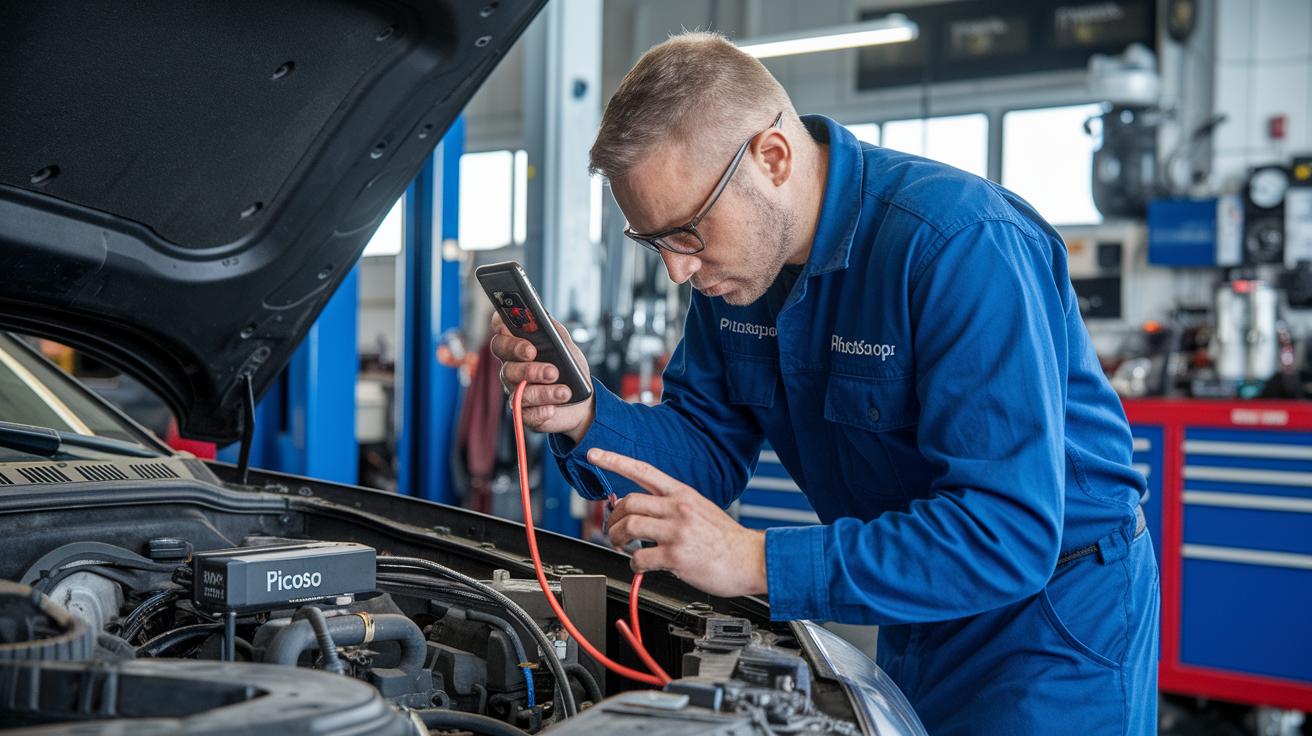
When you're looking to check tire vibrations, you have a few options. You can opt for expensive, high-end tools or choose a more budget-friendly smartphone solution. For instance, professional devices like the PicoScope with NVH modules (NVH stands for Noise, Vibration, and Harshness) give you really detailed data and multiple points of reference. Sure, these tools can run into several thousand dollars, but they deliver insights that are tough to beat.
On the flip side, there are smartphone apps that won't break the bank. One example is the NVH App by VibrateSoftware, which costs around $399 along with another small fee, while another app called myFrequency by APPtodate comes in at just $9. These apps use your phone’s built-in accelerometer (a sensor that measures forces) to catch various vibration frequencies, making them a smart pick if you're watching your budget.
You can also take a DIY approach. For example, you might set up a simple spreadsheet to predict expected vibration peaks based on engine RPM and vehicle speed. If you're feeling a bit more technical, you could use finite element modeling (a method for examining how parts react under pressure) to see how tire parts perform under stress. This way, you can choose the method that works best for your accuracy needs and budget.
Final Words
In the action, this post breaks down how tire vibration analysis and intelligent diagnostics give clear insights into tire health. It covered measuring vibrations and using AI to spot tire issues early, with real-time data feeding smart sensor networks for accurate alerts. The guide even explained step-by-step processes to filter noise and pinpoint problem areas. Together, these techniques help drivers catch tire concerns before they evolve into bigger issues. It all leads to a safer drive and happy wheels. Enjoy the ride with confidence and a smile.
FAQ
What does tire vibration analysis and intelligent diagnostics involve?
Tire vibration analysis and intelligent diagnostics involve measuring tire vibrations using sensors and converting these signals into hertz. The AI then spots irregular wear or balance issues early, helping keep your tires safe.
Where can I find tire vibration analysis and intelligent diagnostics information in PDF format?
PDF documents on tire vibration analysis and intelligent diagnostics typically explain sensor use and AI methods. They are available from manufacturers or trusted industry sources for detailed insights.
Are there free options for tire vibration analysis and intelligent diagnostics?
Some apps and DIY methods let you check tire vibration for free. While professional tools offer advanced features, cost-effective solutions can still help you spot basic issues.
What is the iVA Intelligent Vibration Analyzer?
The iVA Intelligent Vibration Analyzer is a tool that uses sensors and smart algorithms to monitor tire vibrations. It helps spot problems like imbalance or irregular wear before they worsen.
What automotive vibration analyzer apps and tools are available?
Automotive vibration analyzer apps use your phone’s built-in sensors to record vibration data, while dedicated tools provide detailed, real-time diagnostics for accurate tire and wheel health checks.
How can I tell which tire is causing vibration?
You can tell which tire is causing vibration by comparing sensor readings from each wheel. The tire showing abnormal frequency peaks generally points to the one with an issue.
Where should I place a vibration sensor to diagnose wheel and tire vibration?
When diagnosing wheel and tire vibration, the best sensor spot is near the tire or wheel hub since this placement captures the most accurate vibration readings.
How do I diagnose vehicle vibration?
Diagnosing vehicle vibration starts with gathering sensor data, then using digital filters and FFT to identify frequency peaks that match tire or drivetrain issues, guiding effective troubleshooting.

