


Have you ever thought that your tires might be whispering to you? When you notice uneven wear on your tires, it might seem small at first, but it can actually tell you a lot about your car's health. For example, if you see the inside of your tire wearing down faster or notice a cupping pattern (a series of little dips in the tire’s surface), it could mean your wheel alignment or tire pressure is off.
Paying attention to these clues can help make your car safer and boost its performance on every road. So next time you check your tires, remember, they’re not just rubber; they’re a signal to help you keep your ride smooth and safe.
Key Tire Wear Patterns: Identification & Causes
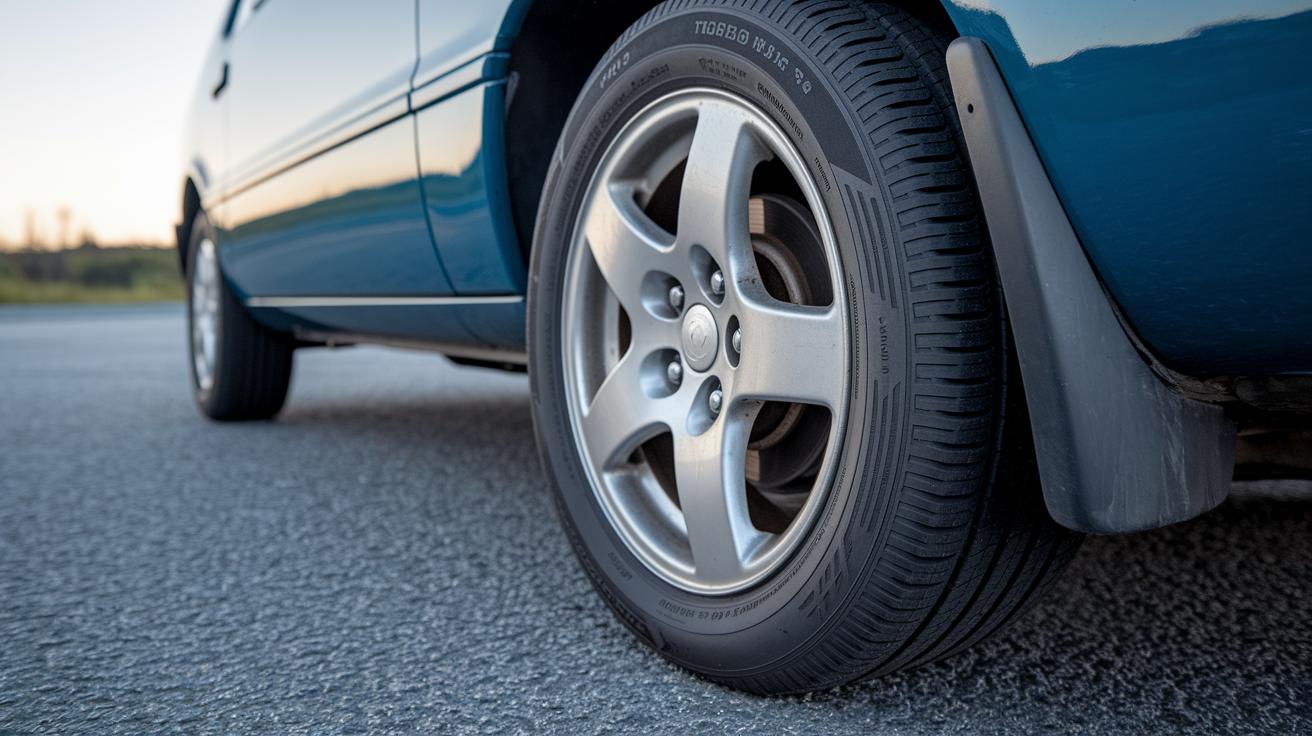
Understanding how your tires wear out is a great way to keep track of your car’s health. When you notice uneven wear, it might point to issues with your wheel balance, tire pressure, or alignment. Catching these signs early makes it easier to fix them before any big problems show up.
Even small changes in tire wear can hint at something more serious under the hood. Keeping an eye on these details means you get smoother, safer rides and can avoid expensive future repairs.
- Inner/Outer Edge Wear: This happens when your wheels aren’t lined up properly. In other words, the toe or camber angles (the way your tires point in or out) are off, putting extra stress on the edges.
- Center Wear: This usually comes from overinflated tires (when you pump too much air in), which reduces the part of the tire that meets the road. The result is faster wear in the middle.
- Edge Wear: Often seen when tires are underinflated (not enough air), causing too much friction on the sides and leading to quick wear.
- Cupping: You might notice wavy, scalloped dips in your tire. This is often due to worn suspension parts, and it can make your ride feel bumpy.
- Patchy Wear: This pattern shows up when tires wear unevenly across the surface, often because of wheel imbalance or irregular tire rotations.
Make it a habit to check your tires and carry out regular maintenance like alignment checks, tire pressure inspections, and rotation intervals. This simple care can help keep your ride safe and your car running smoothly.
Detailed Tire Wear Patterns Explained: Inner, Center, Edge, Cupping & Patchy

When you check your tires, you'll notice five wear patterns that point to different problems with your car. They are inner/outer edge wear, center wear, edge wear, cupping, and patchy wear.
Inner or outer edge wear usually happens when your wheels are not aligned right. Incorrect toe (the angle of the tires) or camber (the tilt of the tires) makes the edges work harder, which can make your car pull to one side.
Center wear occurs when the middle of the tire wears faster than the sides. This often happens because there’s too much air in the tire. When the middle wears away, your tire has less grip on the road, which means a bumpier ride.
Edge wear shows up when the sides of your tire (the shoulders) wear down quickly. Low tire pressure puts extra stress on these areas, especially during sharp turns or sudden stops.
Cupping means you’ll see diagonal dips in the tire’s surface. This can be caused by worn suspension parts that let the tire lose contact with the road in spots, leading to a rough ride and visible vibrations.
Patchy wear appears as random spots where the tread is uneven. This usually means your tire is unbalanced or isn’t rotated regularly.
| Pattern | Typical Cause | Diagnostic Sign |
|---|---|---|
| Inner/Outer Edge Wear | Misaligned wheels (wrong toe or camber) | Car pulling to one side and uneven tire edges |
| Center Wear | Overinflation (too much air) | Center tread wears faster, reducing road grip |
| Edge Wear | Underinflation (low tire pressure) | Faster wear on tire shoulders |
| Cupping | Worn suspension parts | Diagonal dips and vibrations |
| Patchy Wear | Unbalanced tire or irregular rotations | Random spots of uneven tread wear |
Diagnosing Tire Wear Patterns Through Visual Inspection
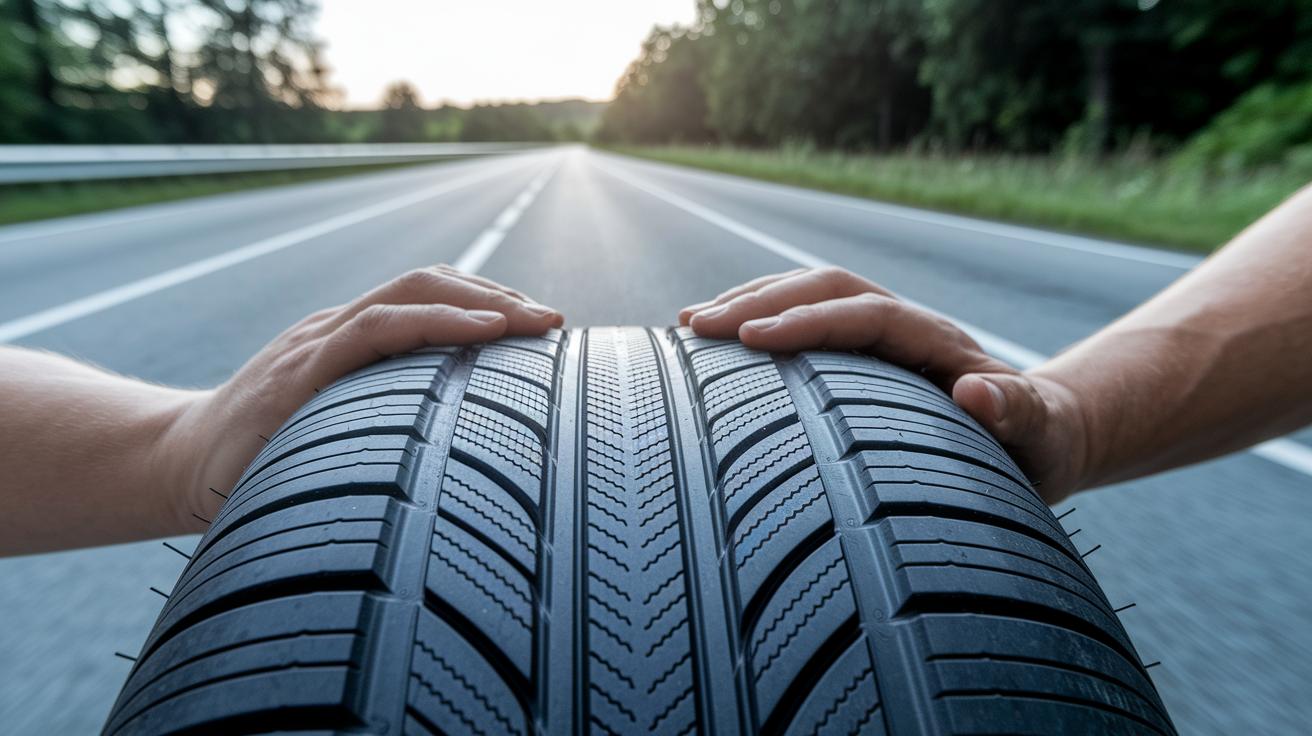
When you take a close look at your tires, you might catch early signs that something isn't quite right. A quick look and gentle feel can show if your tires are drifting, shaking, or wearing unevenly, which could change how your car handles.
Start by checking the inner edge, the outer edge, and the center of the tread. If one side is wearing out faster, your car might pull toward that side. This often means your wheels might be misaligned (not pointing the right way). Run your hand along the tire, if you feel small, bumpy waves, that's a sign of cupping wear. Cupping happens when the tire develops little dips or scallops and might indicate a problem with your suspension (the part that helps smooth out the ride).
Next, look for spots where the tread seems patchy or thinner than the rest. If you feel a vibration on your drive, it may be linked to wheel balance issues (the tires aren't evenly weighted). Also, if the middle of the tire wears out faster than the edges, it might be a sign of overinflation, basically, too much air in the tire means it doesn’t grip the road as well as it should. Picture a center that feels less grippy, like a dance floor that lost its shine.
Keep notes on what you see and feel as time goes by. Write down the type of wear you notice and any odd behaviors like drifting. This record will give your mechanic clear clues, helping them figure out if seasonal changes or road surfaces are affecting your tires.
Effects of Wheel Alignment & Inflation on Tire Wear Patterns

When your wheels are out of line, you'll notice uneven wear on the inner or outer edges. This happens when the toe or camber (the tilt of the wheels) isn’t set right according to the factory specs. It's kind of like having a crooked picture frame, small tweaks can really change the look.
Overinflating your tire often wears down the center, while letting the pressure drop causes extra stress on the edges. Imagine a bike tire that isn't set the right way, it just wears out unevenly.
It’s always a good idea to check your tire pressure regularly and stick to your scheduled alignment. This simple habit helps keep your tires wearing evenly and ensures a smoother, safer ride.
tire wear patterns explained: Boost Safety & Performance

Regular checks on your tires make sure your ride stays safe and your tires last longer. Here’s an easy checklist you can follow to catch any problems early.
First, check the tread depth. Grab a simple tread gauge or even a coin. Slide the coin into the grooves and if you can see most of it, it’s a sign that your tires need attention.
Next, look at your tire pressure. Just like you glance at your fuel gauge on a long drive, make sure your tires are inflated to the levels recommended by the manufacturer.
Then, take a close look at the wear on your tires. Watch out for unusual wear on the inside or outside edges, any patchy areas, or that cupped look which could mean issues with alignment or suspension.
It’s a good idea to book professional services like an alignment check or a tire rotation now and then. A mechanic can find hidden problems and help keep the wear even across your tires. For more details on taking care of your tires, feel free to check out the comprehensive tire rotation checklist for regular maintenance and learn about the impact of tire rotation on fuel efficiency. If you need a full maintenance plan, head over to our car maintenance checklist.
Legal & Safety Standards for Tire Wear Patterns
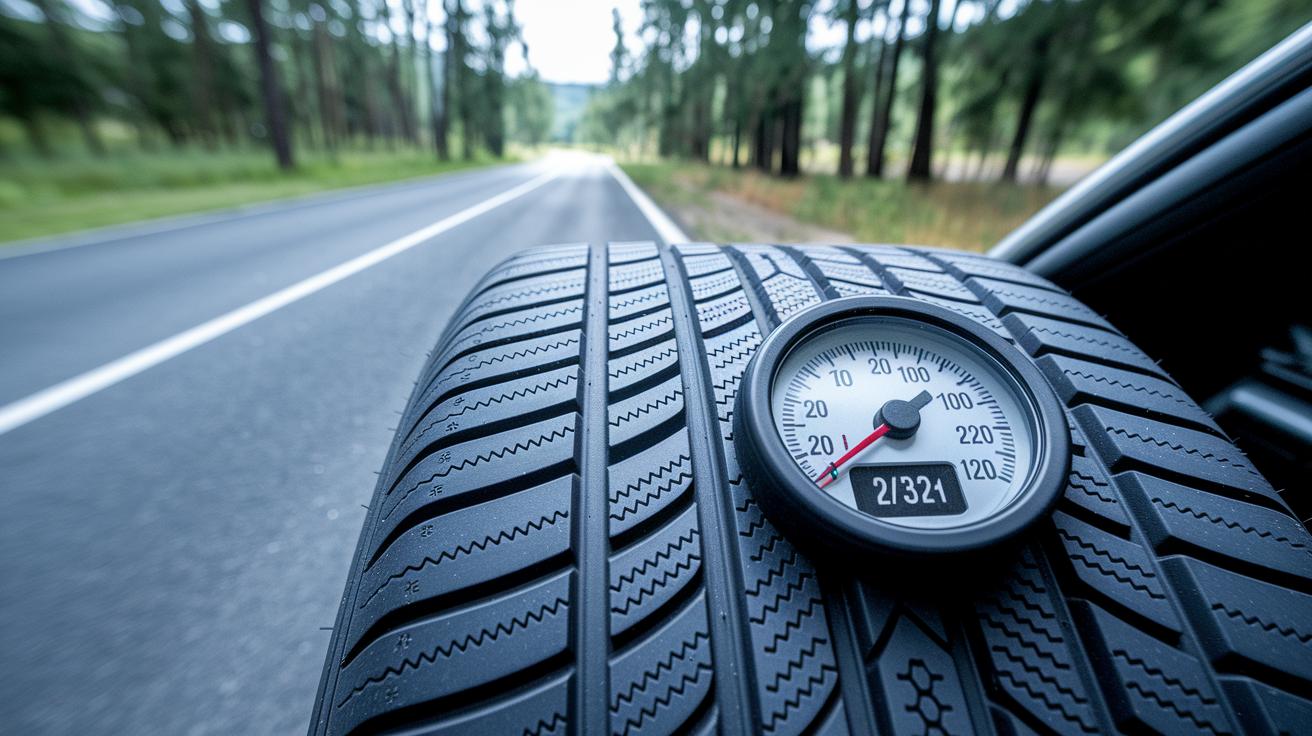
Many states say that if your tire tread gets down to 2/32 inch, it’s time to think about a replacement. This number is set because worn-out tread can mean less grip on wet roads and might lead to accidents. Some states even enforce this rule strictly to help you avoid fines and keep things safe. So, it’s a good idea to check your tires now and then, just like making sure your fuel gauge isn’t running low.
Commercial vehicles and motorcycles have their own set of rules. Trucks and heavy vehicles often need deeper tread to handle heavy loads and long trips. Motorcycle tires even follow special guidelines from the manufacturers, which might not be the same as what passenger car owners follow. Keeping up with these specific standards – like those in California – not only helps you dodge penalties but also keeps your ride performing its very best.
Final Words
In the action, we explored how inner, center, edge, cupping, and patchy wear can affect your ride. We talked about their causes and what each indicates about your vehicle’s setup. We also shared tips on checking these signs yourself and why getting the right alignment and inflation matters.
Regular checks mean catching issues before they affect safety and performance. With tire wear patterns explained, you can keep your car rolling safely and confidently. Stay proactive and enjoy every smooth drive.
FAQ
Q: What do tire wear pattern charts and pictures show?
A: Tire wear charts and pictures show how tires lose tread. They help spot issues like center wear from high pressure, outer edge wear from misalignment, and cupping from suspension problems.
Q: What do tire wear patterns indicate when there’s a problem?
A: Tire wear patterns indicate potential issues such as alignment faults, incorrect inflation, or suspension defects. Recognizing these signs lets you address problems early and keep your drive safe.
Q: What causes tire wear cupping?
A: Tire wear cupping refers to diagonal dips on the tread. This pattern happens when suspension issues or imbalanced wheels cause repetitive pressure changes, leading to a bumpy ride.
Q: What does outside edge tire wear mean?
A: Outside edge wear shows up when the tire’s shoulder wears faster than the rest, often pointing to misalignment or underinflation. Keeping an eye on this helps manage overall tire health.
Q: Is 300 treadwear better than 500 treadwear?
A: A treadwear rating of 500 shows the tire is designed to last longer than one with a 300 rating. Higher numbers generally mean improved longevity and performance over time.
Q: What is the 7 7 rule for tires?
A: The 7 7 rule for tires advises checking your tire when tread depth approaches 7/32 inch. This guideline helps catch early wear signs and ensure tires stay safe and effective.
Q: What is better, H or V rating on tires?
A: An H rating supports speeds up to 130 mph, while a V rating is built for up to 149 mph. Your choice should match your vehicle’s performance and your personal driving needs.

