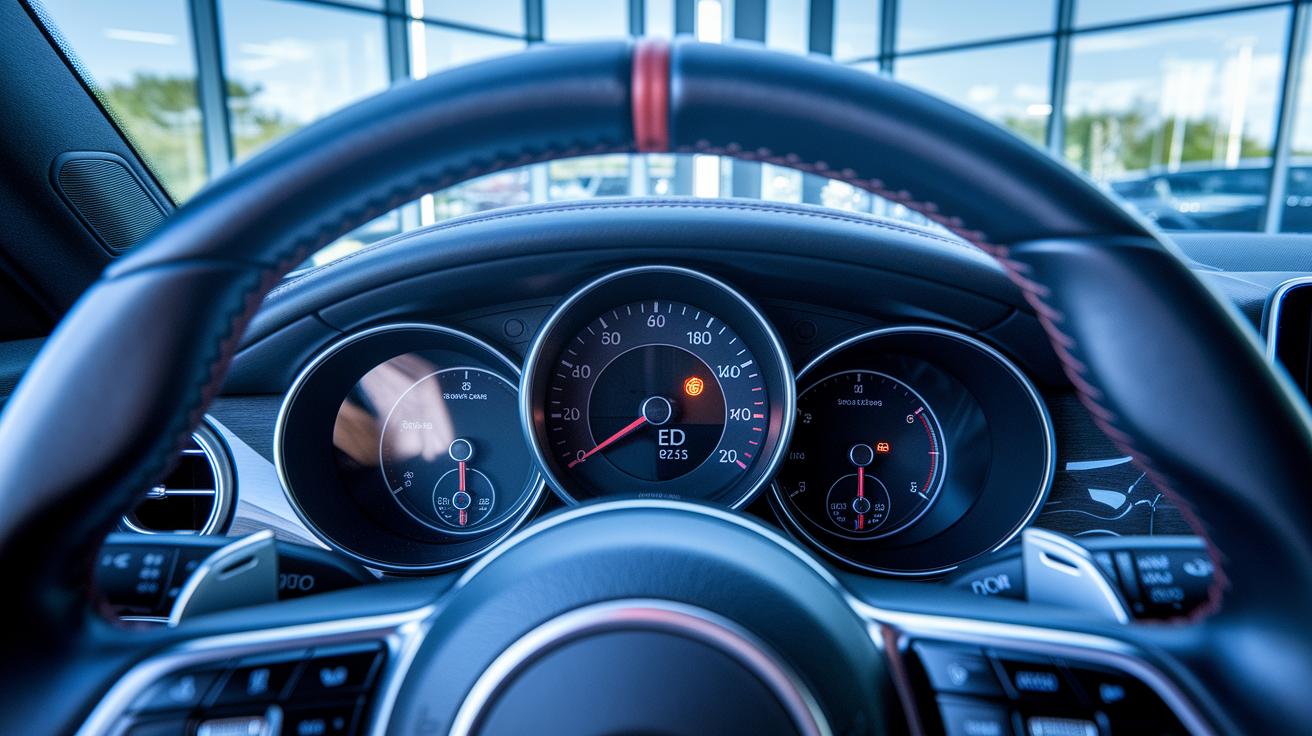


Have you ever spotted that tiny light on your dashboard, almost like your car is trying to tell you something? That's your TPMS in action, which stands for Tire Pressure Monitoring System (it checks to make sure your tires have the right amount of air).
Back in the day, many drivers didn't know that low tire pressure could make a big difference in how well their car handled turns or braked when stopping. Now, TPMS works quietly in the background, helping your car run smoother and keeping you safe.
In this post, we're going to explain what TPMS is all about and why it matters for your ride.
Understanding TPMS Meaning in Cars: Definition and Purpose
TPMS stands for Tire Pressure Monitoring System. It’s a handy tool that keeps an eye on the air in your tires (air pressure means how much air is inside your tire). When a tire is off by about 25 percent compared to what's recommended, TPMS gives you a heads-up. Imagine driving and suddenly noticing that your ride feels off, you can thank TPMS for that little nudge.
Before TPMS became a standard feature, many drivers didn’t even realize that low tire pressure could quietly mess with their car’s performance. Now, thanks to the TREAD Act, every car made after 2007 comes with this smart system. Basically, it was put in place to make our roads safer. When your tire pressure is spot on, your car handles better during hard brakes and tricky stops, kind of like feeling every bump on a gravel road but staying in control.
Keeping your tires at the right pressure helps your car stop quicker and stay steady on the road. Plus, well-inflated tires can save fuel and even make your tires last longer by reducing unnecessary wear. Think of it as giving your car a little boost so it doesn’t have to work so hard, especially when you suddenly hit the brakes.
Every driver benefits from watching their tire pressure. It’s a lot like checking your car’s oil, just a simple habit that can keep you safe on the road. So, even if you just catch a glimpse of that TPMS light on your dashboard, it’s a good idea to pop out and check your tires. Taking care of your TPMS is a small step that makes a big difference in enjoying a smooth, worry-free drive.
Car TPMS Meaning Explained: Direct vs. Indirect Systems

Direct TPMS has little sensors in every tire that give you exact readings of the tire pressure as you drive. They send the info right to your dashboard, so you always know if your tires have just the right amount of air. It’s like having a small voice in each tire whispering, "I’m good!" Even though this system is very accurate, it does mean you might need extra valve service kits and special tools when it's time for repairs.
Indirect TPMS works a bit differently. Instead of its own sensors, it uses the vehicle’s ABS sensors (the ones that help control your brakes) to check how fast each tire is spinning. When a tire loses air, it tends to spin faster than the others, and this system catches that small change. While it isn’t as precise as the direct system, it’s easier on your wallet since it uses parts already in your car. It’s a bit like noticing a slight change in the engine’s hum that tells you something’s a bit off.
| System Type | How It Works | Advantages | Disadvantages |
|---|---|---|---|
| Direct TPMS | Uses sensors in each tire for real-time pressure data | Offers clear and immediate readings | Needs extra tools and valve kits for repairs |
| Indirect TPMS | Relies on ABS sensors to measure tire rotation speeds | Saves on repair costs with existing car parts | Less exact; sensitive to changes in wheel speed |
Usually, if you need pinpoint accuracy, direct TPMS is the way to go. But if you’re looking for a more budget-friendly option, indirect TPMS might be a smart choice. Some drivers even note that a small drop in tire pressure can change how the car brakes, making a TPMS a valuable safety check on every ride.
TPMS meaning car: Clear Auto Safety Insight
When you first see that yellow, horseshoe-shaped icon with an exclamation mark on your dashboard, it’s your car’s way of giving you a friendly heads-up. It’s saying, "Hey, something might be off with your tire pressure." This light means the air in your tires could be too low or too high, so it’s a good idea to check them soon.
If you notice the TPMS light blinking, the message changes a bit. A blinking light might mean there’s a wiring issue, a sensor isn’t working right, or a sensor has come loose. Sometimes it’s just a weak battery in the sensor or even a slow leak causing it. Think of it as a subtle hint asking, "Is there more than just tire pressure you should look into?"
On occasion, the display might even pop up with a "Check TPMS System" message. In this case, grab a manual tire pressure gauge to double-check your tires. If the numbers seem off, add or let out some air as needed. This small signal plays a big role in keeping you safe on the road, so don’t ignore it.
TPMS Meaning Maintenance: Tips for Reliable Sensor Performance

Keeping your TPMS (that handy tire pressure sensor) in top shape is as vital as making sure your tires are pumped up just right. These sensors usually work well for about 7 to 10 years until the built-in battery gives out. That means after several years, you might need to get a completely new sensor. And every time you rotate or switch out your tires, the system needs a quick recalibration so each sensor matches up with the right tire. Extreme weather can also mess with your tire pressure, so it’s a good idea to check your readings after your tires have warmed up from a drive.
Here are some simple steps to help you keep your TPMS running smoothly:
-
Check your tire pressure regularly. It helps to use a manual gauge for a quick, on-the-road check, especially when the seasons change.
-
After any tire rotation or repair, make sure to recalibrate your TPMS. You can use special valve service kits and scan tools to get the system back in sync.
-
Keep an eye on the sensor’s age. Since they usually last between 7 and 10 years, planning a replacement in that time frame can help avoid battery problems.
-
Notice the effect of the weather. If you see the pressure drop in extreme cold, give it another look once your tires have had a chance to warm up.
-
Don’t ignore warning signals. A blinking or steady light might mean there’s a wiring issue or a loose connection – it’s best to check it out as soon as you can.
-
Stick to a regular schedule for checking both your tire pressure and the sensor system. A little routine maintenance goes a long way in extending the life and reliability of your TPMS.
Unpacking TPMS Meaning in Car Troubleshooting: Addressing Common Sensor Issues
If you see your TPMS light blinking, it might be a sign of simple wiring problems, a tired battery inside the sensor, or even some physical damage. Frayed wires or loose connections can block the low-voltage signal, and a weak battery or a sensor that's been bumped might make it give wrong readings.
Here’s a quick checklist to help you sort it out:
- Look over the wiring to see if there are any signs of wear or burns.
- Check the sensors to make sure they aren’t damaged or loose.
- Use a tire gauge or stop by a service station to measure the tire pressure by hand.
- If the light stays on despite proper tire pressure, try an OBD-II scan tool for a closer look.
A trained technician can help determine if the problem is with the sensor, the wiring, or another part of the system.
Final Words
In the action, we broke down what tpms meaning car is all about. We talked about how the system monitors tire pressure, compared sensor types, and explained dashboard alerts in plain speak. We also shared quick, practical tips for keeping your pressure sensors working right and troubleshooting common issues. Each section aimed to boost your confidence in tire performance and safety. Maintain your sensors and enjoy a smooth, secure ride. Drive on with assurance and care.
FAQ
What does TPMS mean in a car, including models like Honda, Chevy, and Subaru?
The TPMS stands for Tire Pressure Monitoring System, which keeps an eye on each tire’s air pressure to help you maintain even, safe inflation across all car makes and models.
What does the TPMS light mean on a car?
The TPMS light means the system has flagged a tire pressure issue. It could signal that one or more tires are under- or over-inflated or that a sensor might be malfunctioning.
Can I drive my car with the TPMS light on?
The TPMS light indicates a need to check your tire pressures. You can drive for a short time, but it’s best to correct the issue quickly to avoid safety risks and uneven tire wear.
Why is my TPMS light on?
The TPMS light is on because your system has detected abnormal tire pressure readings or sensor issues. It might be caused by flat tires, slow leaks, or wiring problems that need attention.
How can I fix TPMS?
To fix your TPMS, start by manually checking and adjusting tire pressure. You may also need to recalibrate or replace a faulty sensor, and if the light persists, have a technician evaluate the system.

