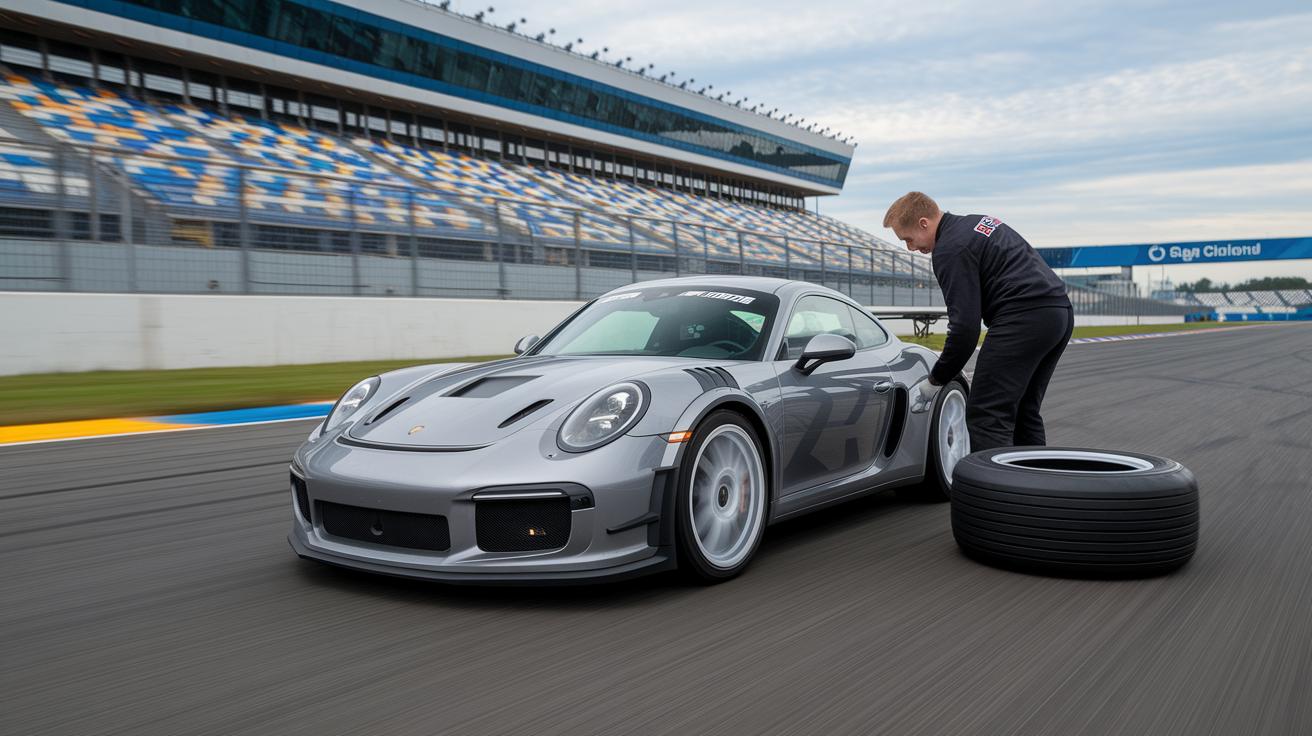


Ever wondered if your sports car could keep on rolling even after a tire gets a puncture? Run-flat technology makes that possible. This clever design uses new materials and smart engineering (meaning the way parts work together) to give you a smooth, high-performance ride no matter what.
With these upgrades, a flat tire won’t slow you down and your safety stays in check. In this post, we’ll take a closer look at how run-flat tech is changing sports car performance, boosting both handling and your peace of mind.
Trends in Run-Flat Technology for Sport Vehicles: A Comprehensive Overview
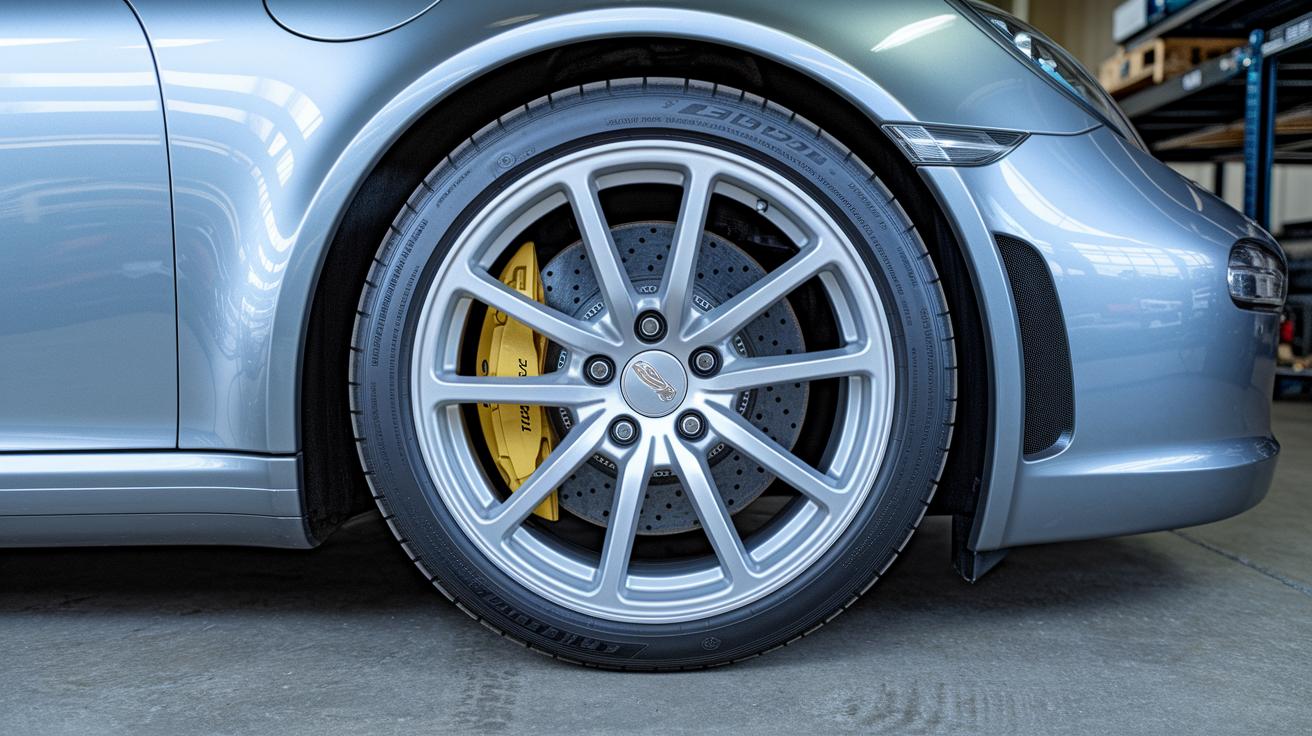
Since the 1930s, run-flat technology has come a long way from a simple self-supporting idea to a smart, high-performance design. Researchers have invested billions into polymer science (the study of plastics) to create tires that are less stiff but still strong. The newest designs use less support material and even add features to keep the heat down. Imagine this: even if you get a puncture, your tire can take you about 50 miles at 50 mph, almost like riding on a comfy, high-quality tire without losing safety.
These improvements matter a lot for sports cars, especially when makers ditch the spare tire to cut weight. Removing the extra tire not only makes vehicles sleeker but also helps them meet strict fuel economy goals, like the 2025 target of 54.5 mpg. In fact, nearly one out of every three cars from 2015 comes without a spare tire. It’s a smart upgrade that boosts both handling and fuel efficiency.
Today, clever self-supporting designs, puncture-proof innovations, and tough upgrades for sports cars are changing the way we drive. Car makers are focused on making sure run-flat tires keep delivering safety and a smooth ride. Both drivers and manufacturers are buzzing about these changes because they lead to more reliable cars and a boost in driving confidence.
Advanced Materials and Run-Flat Design Innovations for Sport Vehicles
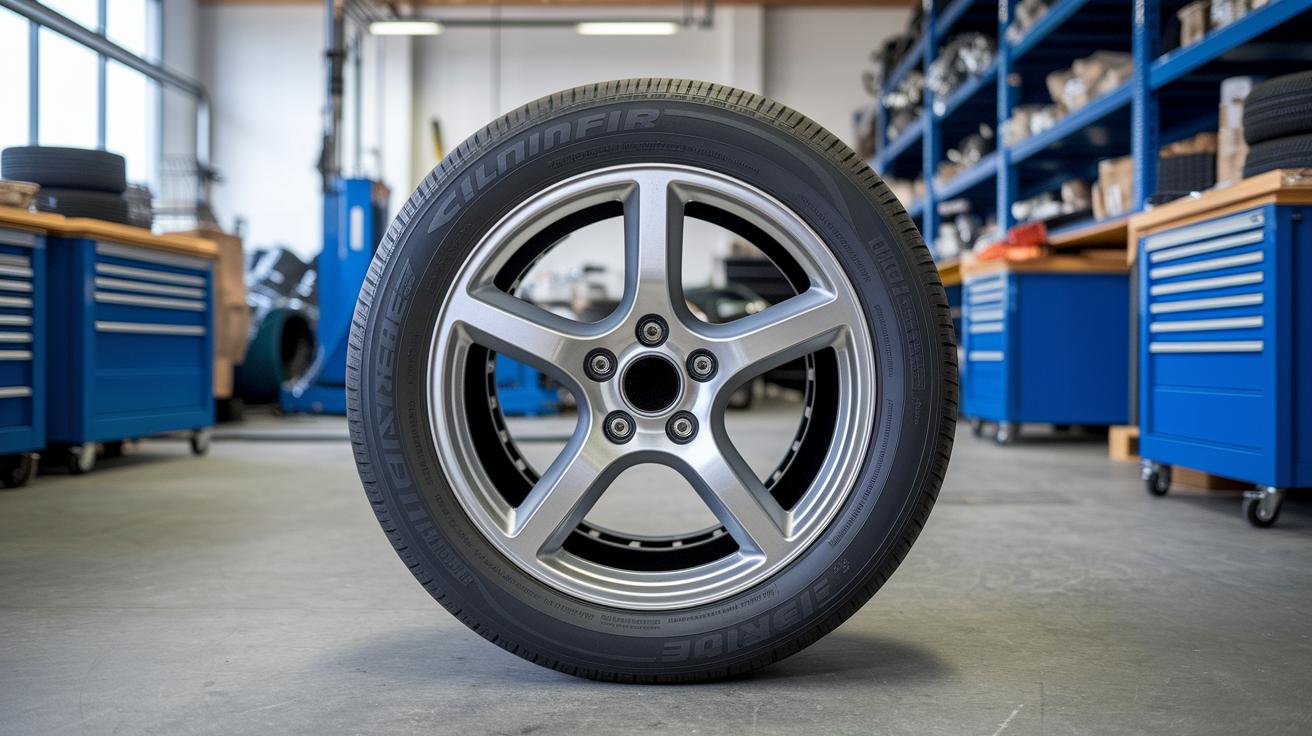
Tire makers are now using new materials and clever run-flat designs that boost performance for modern sport vehicles. They mix strong composite materials (light, durable blends) with tough, heat-resistant rubber in the sidewalls and support rings to make tires that are both rugged and smooth. Ever notice how reassuring it feels when you know your tires can handle a rough patch? Well, these tires include three neat features: a self-supporting design with firmer sidewalls, a self-sealing layer that quickly plugs a puncture, and an auxiliary system with an inner support ring to keep things steady.
The special materials not only help absorb impacts but also fight off punctures, making these tires a safe bet on high-speed roads. This blend of durability with a smoother ride is a game-changer for sporty driving. You can trust that even after a puncture, your tires are built to support your vehicle under tough conditions.
| Type | Description | Key Benefit | Typical Application |
|---|---|---|---|
| Self-Supporting | Reinforced sidewalls | Up to 50 mi at 50 mph | High-performance sport cars |
| Self-Sealing | Inner sealant layer | Instant puncture plug | Grand touring |
| Auxiliary Support | Internal support ring | Stable ride post-loss | Luxury sedans |
Precision Load Management and Pressure Control in Sport Vehicle Run-Flats
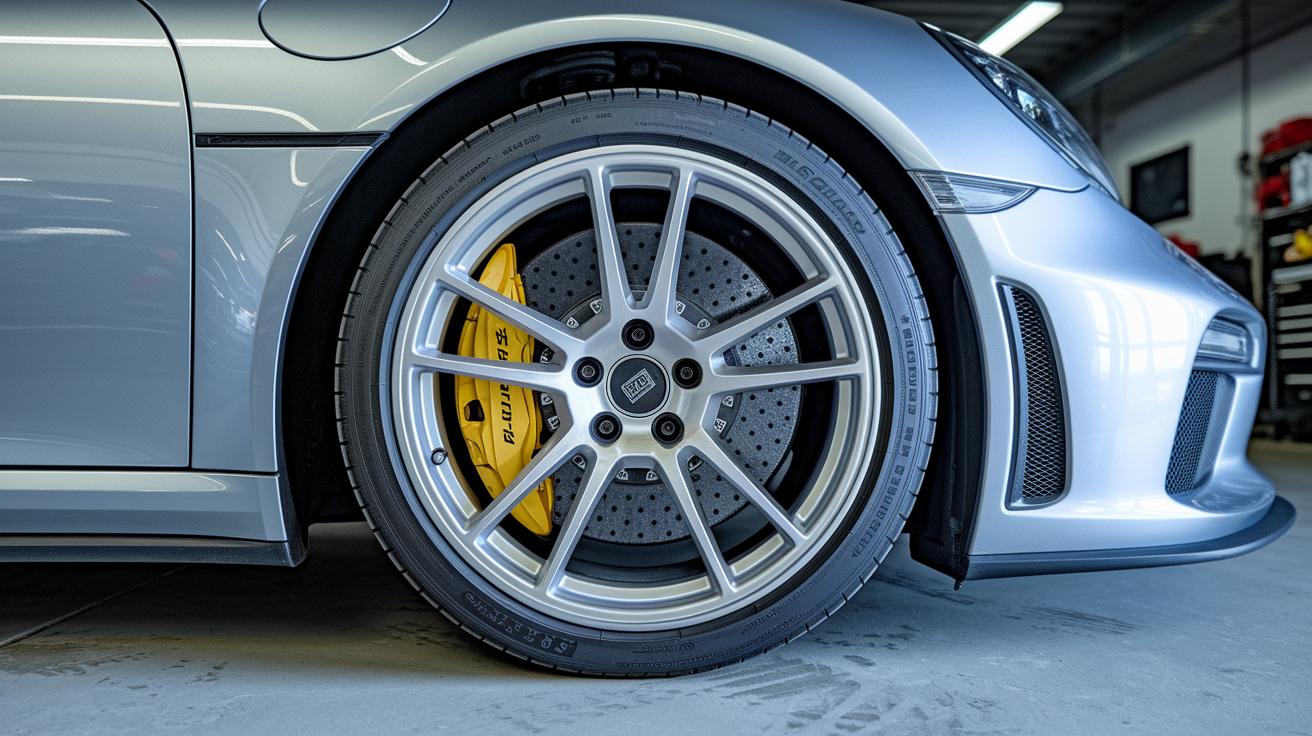
When you’re behind the wheel of a sport vehicle with run-flat tires, keeping an eye on your tire pressure is a must. These tires rely on a handy tool called a Tire Pressure Monitoring System (TPMS) (it tells you right away when your tire air is low). Since around 2014 in the U.S., TPMS has played a big role in stopping problems before they start.
Engineers even use smart computer models to spread the weight evenly and shape the tire sidewalls so they work well both on the track and the street. Sometimes, the system even has built-in sensors that can change the tire’s performance on the fly, so your vehicle stays steady even if you get a puncture.
Tests show these clever pressure controls react in real time to keep your car handling well and safely in tough spots. They also help warn you about maintenance needs, cutting down the chance of tire damage. In short, this precise pressure management means a smoother, more balanced ride, even when tire inflation isn’t at its best.
Real-World Adoption and Motorsport Durability Trials of Run-Flat Systems

Case Study: Luxury OEM Standardization
Back in the early 2000s, one famous luxury car brand decided to make a change. They chose run-flat tires (tires that can still work a bit after getting a puncture) to help spread out the weight better and boost safety. Removing the spare tire made the cars lighter, which in turn improved handling and fuel efficiency. Drivers noticed the difference right away, they experienced a steadier, smooth ride whether driving to work or taking a fun twisty road. Even when a tire got punctured, test drivers felt a steady grip and reassuring stability. This move has encouraged other performance car makers to think about adding run-flat options too.
Motorsport Puncture Simulations
In more extreme, high-speed tests, engineers set up real-life puncture simulations on the track. In these trials, cars were able to drive up to 50 miles at around 50 mph after getting a puncture, showing that the tires held on well under tough conditions. The test data highlighted their impressive durability and reliability when the pressure was on. Test engineers shared that tweaks in the tire design and materials helped lessen impacts and kept drivers in control. This success has led to growing trust in run-flat tires among both original equipment manufacturers and those looking to upgrade their current tires.
Future Forecast: Market Growth and Next-Gen Run-Flat Trends for Sport Vehicles
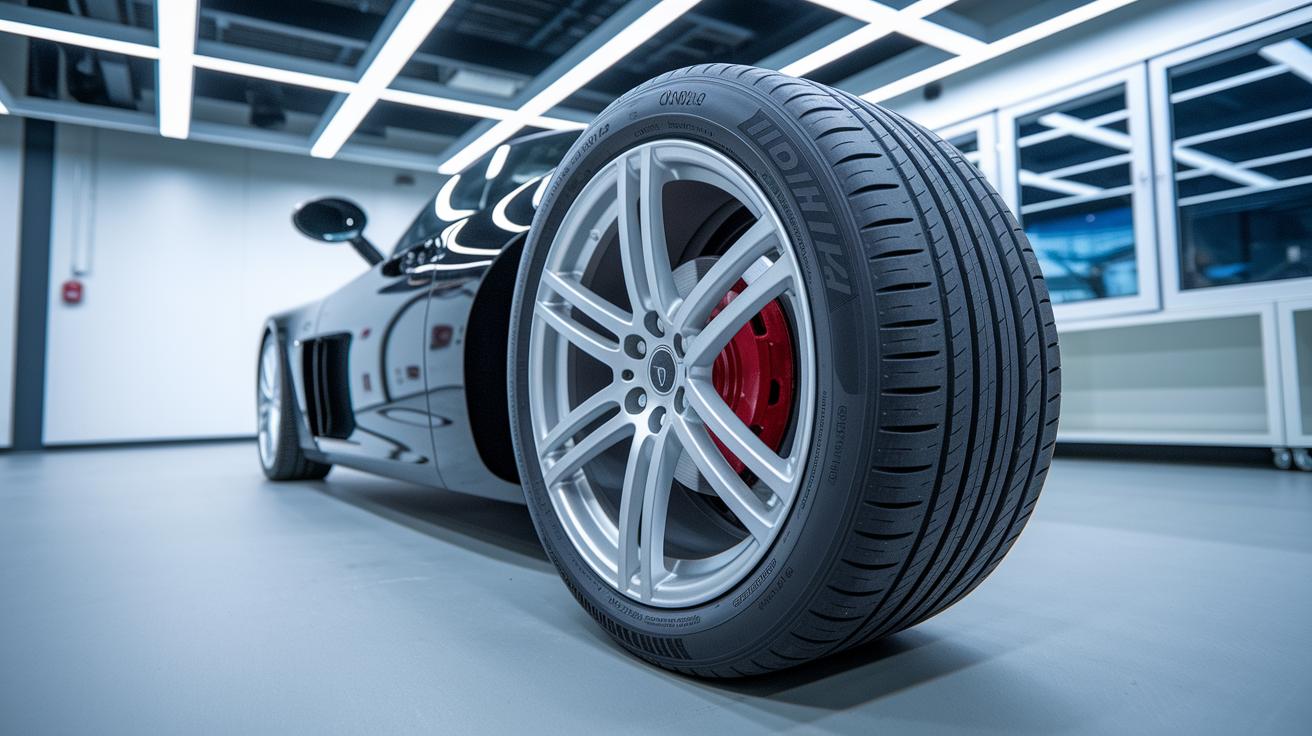
Car makers are pushing to ship more run-flat sport tires as they work on lightening cars and sticking to tough safety rules. They’re focusing on tires that can handle punctures (when a tire gets a hole) and still give you a smooth ride every day. Engineers are testing eco-friendly materials (that are kinder to our planet) and catching on to designs that fit electric vehicles. And with these changes, dealers and repair pros will need to learn the new tricks these tires offer.
• EV integration – Soon, tire designs will work closely with electric motors to boost energy use and performance. Manufacturers are even testing tires that connect well with EV battery systems, making them a great match for today’s cars.
• Sustainable materials – Using eco-friendly ingredients in tire compounds will help the environment while keeping the tires strong and durable.
• Ride-quality optimization – Designers are tweaking tires to mix comfort with a secure grip on the road, ensuring sport vehicles give a smooth and confident ride.
• Digital diagnostics – Look for sensors and smart monitoring systems that alert drivers and service experts about potential issues so that maintenance becomes a breeze.
• Wider regulatory adoption – As safety rules get stricter, more companies will update their tire technology to meet these new standards.
Final Words
In the action, we explored how modern run-flat systems keep sport vehicles moving safely even after a puncture. We broke down the latest materials, pressure control techniques, and real-world tests that prove these tires are built to perform. The article highlighted how smart sensor systems and new composite designs have raised the bar. Trends in run-flat technology for sport vehicles show a bright future of safer, more resilient tires. Keep rolling with confidence on every road, knowing innovation is always steering us toward better performance.
FAQ
Q: Why has BMW stopped using run flat tyres?
A: The reason BMW stopped using run-flat tyres is that they wanted a smoother, more comfortable ride. Run flats can feel stiffer, which doesn’t always match the performance and comfort standards BMW prefers.
Q: What are the three technologies that are being used in run flat technology?
A: The three run-flat technologies include a self-supporting design with reinforced sidewalls, self-sealing layers that quickly close punctures, and auxiliary-supported systems featuring internal support rings for stable post-puncture driving.
Q: What is the downside of run-flat tires?
A: The downside of run-flat tires is that their stiff construction can create a firmer, less cushioned ride. This design may also lead to increased road noise and a feeling of reduced comfort compared to standard tires.
Q: What are the tyres trend in 2025?
A: The tyre trends in 2025 focus on weight reduction, improved fuel efficiency, eco-friendly compounds, digital diagnostics, and enhanced ride quality with advanced run-flat innovations designed to boost safety and performance.

