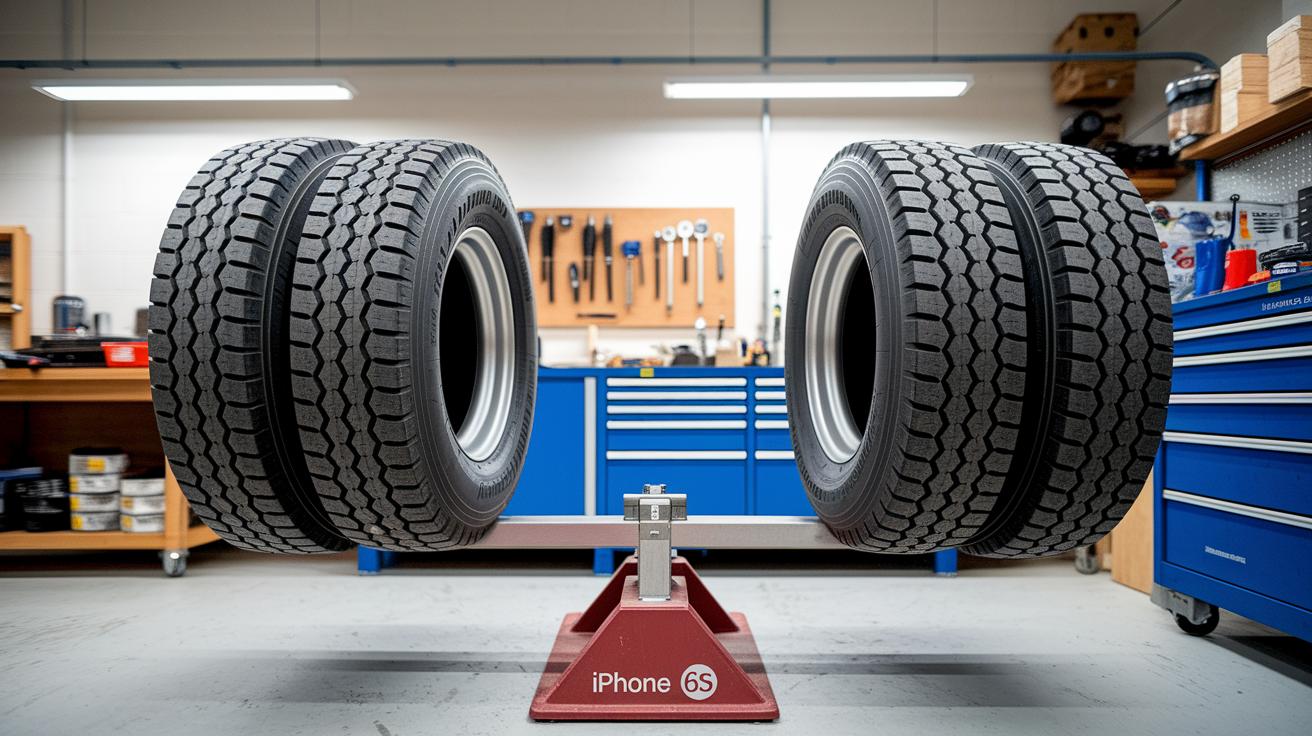


Have you ever noticed that your truck doesn't feel quite right on the road? Even a small imbalance in your tires can result in a shaky ride and cause the tire's surface to wear out faster (tire wear means the tire gets used up more quickly). Plus, you end up burning more fuel than you need.
Think of it like a seesaw at the playground, it needs to be level to be fun. Your truck needs balanced tires for a smooth and comfortable drive. Not only does this help your tires last longer, but it also saves you money on fuel.
So, let’s take a closer look at how a few small adjustments can make a big difference. Ever wonder how a smooth ride can turn a long drive into a pleasure? Stick around and we’ll show you the benefits of proper tire balancing.
Truck Tire Balancing: Perfectly Smooth Rides

Having the right weight spread out evenly on heavy trucks is really important. Even a tiny mismatch can make the ride shaky, wear your tires unevenly (that means one side might wear out faster), and even use more fuel. When your truck’s tire and wheel work well together, the tire spins smoothly, which takes the strain off your suspension and makes your ride much comfier. Think of it like making sure a seesaw is perfectly level before you have fun on it, except here, it’s about keeping big truck tires safe and steady.
- Remove the wheel – First, take off the wheel. Make sure your truck is safely supported on a lift or jack stands so you don’t run into any trouble.
- Clean the rim – Next, wipe off any dirt, debris, or old glue. A clean rim helps the weights stick just right, much like cleaning your glasses for a clear view.
- Mount the tire on the balancing machine – Now, put the tire and wheel assembly onto a machine that spins it around. This tool helps spot any parts that are too light or too heavy.
- Spin to detect imbalances – Run the machine so it lets the tire spin. This process uses road force testing (which mimics real driving) to find any imbalances.
- Add corrective weights at specified locations – Once an issue is found, attach small weights near the valve stem (that little opening for air) and on the same side to fix the imbalance.
- Verify the final balance before remounting – Finally, spin the tire again to make sure everything is balanced and there are no vibrations.
Do this every time you rotate your tires, install a new tire, or after bumps like curb strikes and pothole hits. Keeping up with these checks helps your truck stay balanced and safe, even on those long trips.
Benefits of Truck Tire Balancing for Fleet Performance

When your truck tires are balanced, your ride feels smoother and safer. It means the weight is spread evenly around each tire, which helps your truck handle better on long trips and busy roads. Think of fleet tire load correction as making sure each tire carries the right amount of weight so they can all perform well together.
Balanced tires also cut down on the shakes and vibrations you might feel when driving. They prevent the tire's surface from wearing out unevenly (when some parts wear down faster than others), which saves fuel and lowers maintenance expenses. In other words, well-balanced tires ease the strain on your engine, keep fuel efficient, and make your tires last longer. Regular balancing, whether during a tire rotation or when you get new tires, can help you dodge sudden breakdowns and expensive repairs.
Over time, these small improvements add up, making your fleet more dependable. With balanced tires, trucks run smoother on busy streets and face fewer stops for repairs. It’s a smart move that boosts overall fleet performance by making every mile more efficient and enjoyable.
Essential Equipment for Truck Tire Balancing
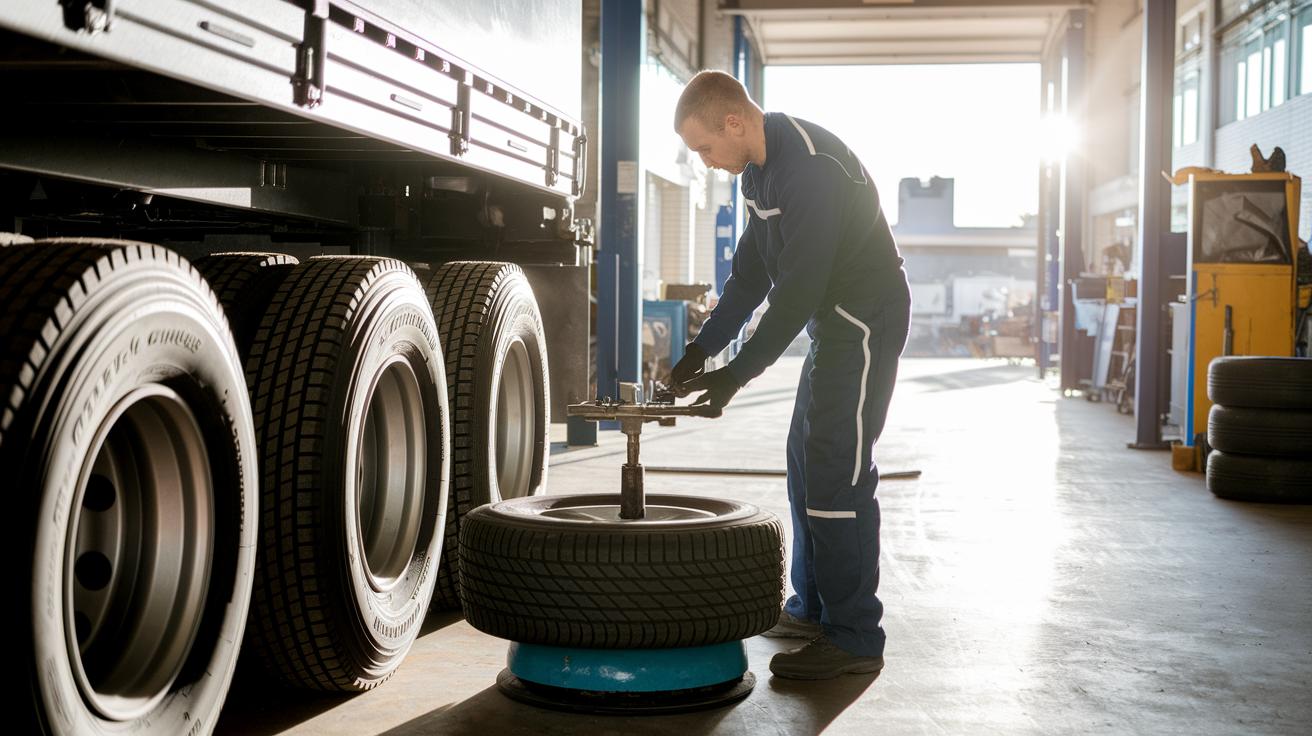
Truck rides are kept smooth when you use the right tools. There are many different machines that help fix uneven tire weight. Whether you work in a busy shop or provide on-site fleet services, there’s a tool made for you. Some machines work by checking the tire balance without spinning fast (static), while others spin the tire to find extra imbalances on different sides (dynamic). And then there are testers that mimic real road conditions to catch little issues that might be missed by a simple spin. Your choice depends on the truck’s weight, how many services you do, and if you need checks right on location.
| Equipment Type | Function | Typical Cost Range | Ideal Use Case |
|---|---|---|---|
| Shop Dynamic Balancer | Finds imbalances on two sides | $5,000–$12,000 | Busy heavy-duty shops |
| Portable Balancer | Field balancing on-site | $3,500–$8,000 | Fleet service calls |
| Road Force Tester | Mimics road load to find subtle issues | $15,000–$25,000 | Spotting hidden irregularities |
Taking good care of these machines is just as crucial as having them. Regular cleaning and calibration (making sure the tool is set right) help stop small mistakes that could throw off the tire balance. By checking and maintaining the machine often, every balance test stays accurate. This keeps your truck fleet riding smoothly and safely for many miles ahead.
Troubleshooting Common Truck Tire Balancing Issues
Truck tire imbalances often come from everyday mishaps like hitting potholes or curbs, repairing a flat, or even losing small weights during service. These issues can leave your tire and wheel a bit off-kilter over time. When weight isn’t spread evenly, every bump makes your ride less smooth.
You might notice your steering wheel shaking or feel the truck pull to one side when you’re driving straight. Sometimes, one tire might wear out faster than the other or you might hear a rhythmic thumping noise that changes with your speed. Each sign hints at an imbalance. For example, a constant vibration is like a seesaw that’s heavier on one end, suggesting a weight might be misplaced or damaged. For more details, check out the "vibration issues after tire installation: causes and solutions" page.
To fix these issues, start by adding new or adjusted weights to the tire. Then, give your wheels a good look for any damage or loose parts. And if the problem stays, recalibrate the testing machine to make sure it’s not an equipment error, ensuring every axle passes a dynamic performance check (a test that shows how well your axle works during real driving).
DIY Truck Tire Balancing vs Professional Service

When it comes to balancing your truck tires, you have two ways to tackle the job: doing it yourself or letting a professional handle it. DIY kits and portable machines give you the tools to add weights and check the tire balance on the fly, but they do have their limits. While these kits can help with quick fixes or emergency adjustments, they might not be as precise as the professional-grade equipment used in shops. In truth, a DIY method might miss some small issues that a high-tech road force tester would catch, so even if you save some money at first, a check by an experienced technician could be needed for that perfect balance.
DIY Balancing
DIY balancing generally involves using a basic kit that comes with weights and a small alignment tool. The steps are pretty simple: first, you mount your tire on a portable balancer, then spin it to see where extra weight is needed. Because these tools have limits in accuracy, minor imbalances might still go unnoticed. Safety is important too – always use jack stands and follow the kit instructions carefully, much like you’d check your tire pressure before a long drive. For small fleets or occasional fixes, this approach can work fine if you’re comfortable using the equipment.
Professional Balancing
On the other hand, professional balancing uses advanced shop machines or road force testers that mimic on-road conditions. Skilled technicians use high-precision tools to check every part of the tire assembly, ensuring your tires are balanced perfectly. These services often include a warranty and even offer on-site axle calibration for fleets with many trucks, which helps reduce downtime and improve overall performance.
For small fleets or operators watching their budget, a DIY kit might be enough for routine work. However, larger fleets or those needing precise accuracy should consider professional services to keep things running safely and smoothly.
Cost Factors in Truck Tire Balancing Services
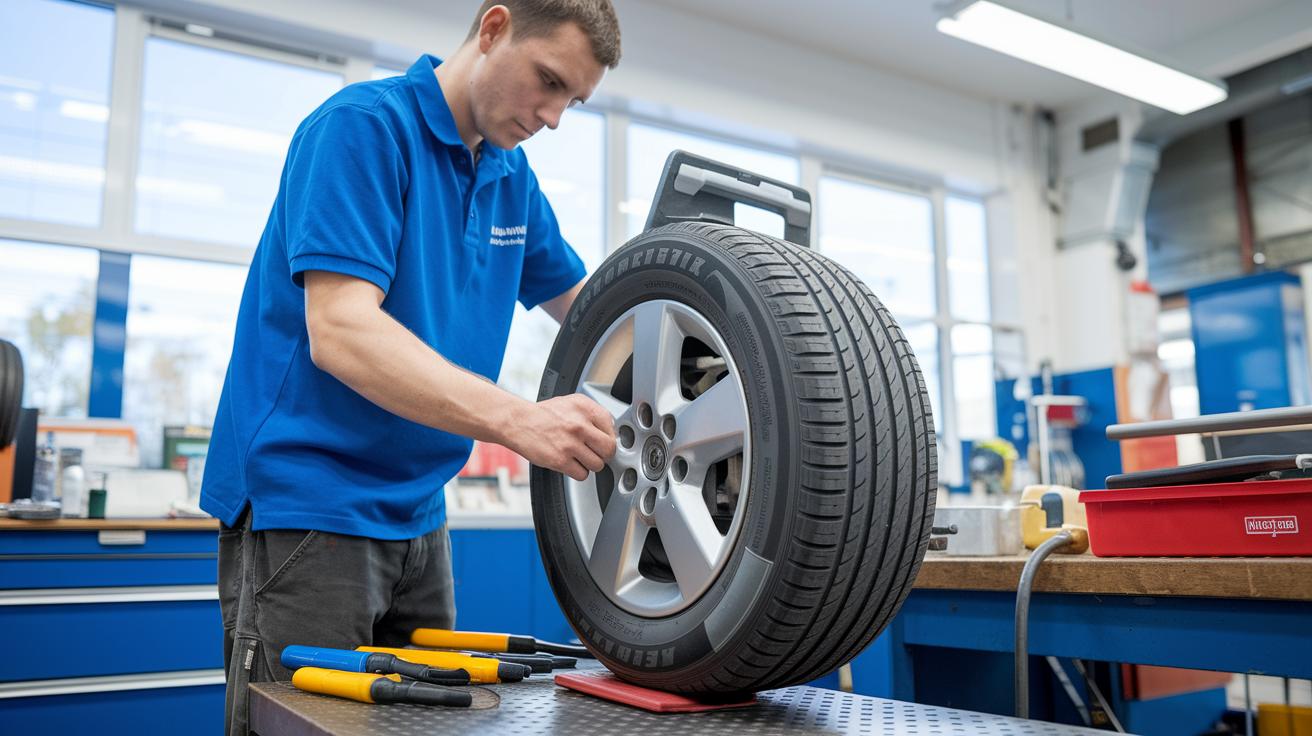
Truck tire balancing starts with a basic fee that covers the essential work. The price can change depending on the type of machine used, like a static tool (which measures imbalance without movement), a dynamic one, or a road force tester that checks how the tire behaves while driving. This fee also depends on the skill of the technician and the shop’s costs.
Extra charges might pop up too. Sometimes, you’ll pay more for special equipment, extra labor time, or travel fees if the service comes to you, especially if it’s a remote location or outside regular hours. For example, many shops charge about $15 to $30 per axle for static balancing, and around $40 to $80 per axle for road force testing, which gives a more precise check.
If you run a fleet, you could see lower costs per axle when the service is scheduled regularly. Fleet deals or yearly maintenance packages can save money by bundling services and cutting down on extra expenses.
Optimal Frequency for Truck Tire Balancing Maintenance
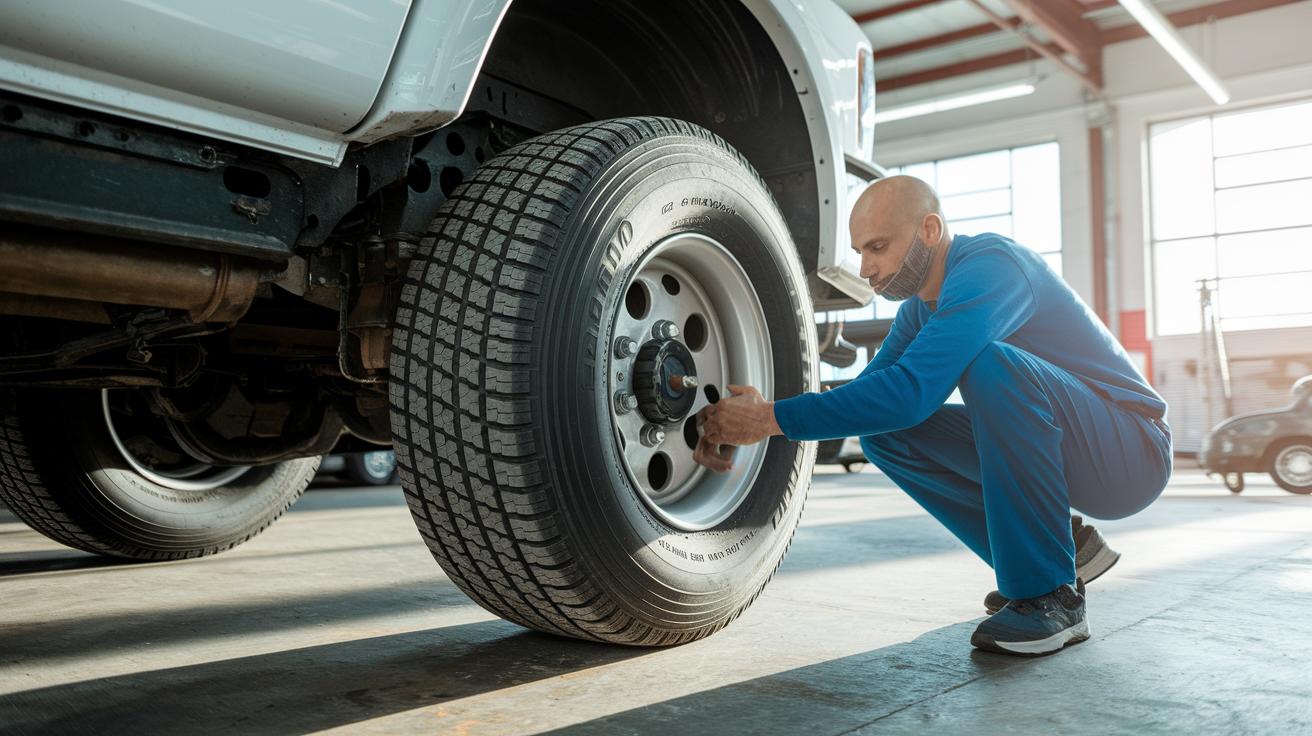
Truck tire balancing is best done every 6,000 to 8,000 miles. This routine check spreads the weight evenly across your tires, keeping them fresh from the stress of daily driving. It helps stop excess wear and keeps your ride nice and smooth.
Sometimes, events call for an extra balance check. For example, when you install new tires, fix a flat, or hit a curb or pothole, things can shift. This can lead to vibrations, steering issues, and quicker tire wear. A quick balance check then can save you from bigger problems later.
Adding balancing to your regular maintenance is a smart move. When you slot it in with your usual service tasks, you catch imbalances before they turn into major headaches. This keeps your fleet running smoothly and helps prevent unexpected issues on the road.
Final Words
In the action, we explored the truck tire balancing process from start to finish. We talked about adding corrective weights, the steps of cleaning rims and using balancing machines, and when these checks are needed. We also covered how proper balancing boosts ride comfort, fuel efficiency, and overall safety for fleets and daily drivers.
With expert tips on equipment selection, troubleshooting, and choosing between DIY and professional help, truck tire balancing keeps your tires in top shape. Stay safe and hit the road with confidence.
FAQ
Truck tire balancing near me
The phrase “truck tire balancing near me” refers to locating local shops or service centers that offer equipment to adjust and even out truck tire weight, ensuring smoother driving and improved tire life.
What does the EQUAL tire balance chart and EQUAL FLEXX tire balance system show?
The EQUAL tire balance chart and FLEXX system display precise weight locations needed for correction. They guide technicians in adding weights for even tire distribution, reducing vibration and uneven wear.
How do truck tire balancers work for semi trucks?
Semi truck tire balancers use machines that spin the wheel assembly to detect imbalances. They pinpoint heavy or light spots so corrective weights can be added, creating an even balance for safer driving.
What are EQUAL tire balance bags and tire balancing beads?
EQUAL tire balance bags hold small weights used to adjust truck tires, while tire balancing beads shift inside the tire during rotation to even out minor imbalances, improving ride quality and reducing wear.
Do truck tires need to be balanced?
Truck tires need balancing because an uneven tire can cause vibrations, uneven tread wear, and poor fuel efficiency. Regular balancing helps keep the ride smooth and extends tire longevity.
How much does it cost to balance a truck tire?
Balancing a truck tire typically costs between $15 and $30 per axle for static balancing, with road force testing potentially ranging from $40 to $80, depending on service specifics and fleet discounts.
How do I tell if my tires need balancing?
Tires may need balancing when you notice steering wheel vibrations, uneven tread wear, or a consistent thumping sound while driving. These signs indicate that weight adjustments might be necessary.
How often should truck tires be balanced?
Truck tires should be balanced every 6,000 to 8,000 miles or after new tire installations and impact events like curb strikes, ensuring steady performance, safety, and better fuel efficiency.

