

Ever thought about how a small sensor on your tire can work like a secret helper for your car’s safety? It’s like having a little buddy check your tire pressure to keep it just right.
There are two types of these sensors. One shows you clear, live numbers, and the other figures things out by checking your wheel speed (that’s how fast your wheel spins). It’s almost like a tiny gadget that makes sure every drive stays smooth and safe.
Next, we’ll dive into how these sensors add instant safety to your ride and what sets each type apart.
Overview of tire sensor types and their role in vehicle safety
TPMS sensors are tiny gadgets that sit inside your tires and keep an eye on the air pressure. They send a quick update straight to your car’s computer so you know if your tire is low or overfilled. It’s a bit like having a friend let you know if something feels off when you're driving on a slick road.
There are two main kinds of systems. Direct TPMS has sensors that measure the air pressure right away, giving you clear readings. Think of it as having a mini weather station right inside your tire. Meanwhile, indirect TPMS looks at how fast the wheels are turning using ABS sensors to guess if a tire might be leaking air. Though it isn’t as immediate, it still offers a helpful backup.
Safety rules are a big deal too. In 2009, thanks to the TREAD Act, every new car in the US had to be fitted with these sensors. You might find them in different spots like on the valve inside the tire, attached with a band or strap, cut from a patch, or even as a cap on the tire’s valve. Each style has its own perks, much like picking the right type of tire for your car.
It is important to check them regularly. These monitors help keep your ride safe by making sure your tires keep the right pressure all the time.
Direct vs indirect tire pressure sensors: functionality and accuracy
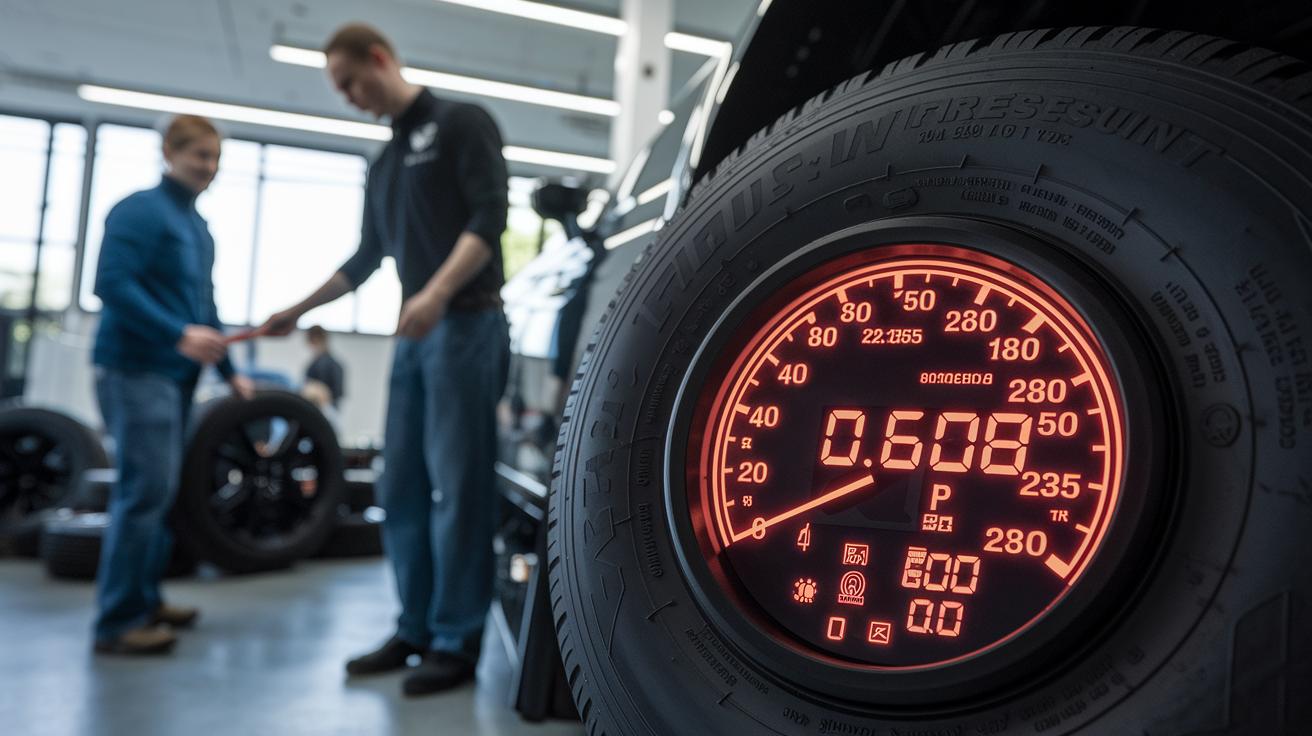
Direct tire pressure systems have sensors placed right inside your tires that send readings straight to a central module. It's like having a little digital pit crew checking your tire air all the time. Imagine filling up your tires and instantly seeing the exact number on your dash, almost as if your car is giving you a friendly nod saying, "All good!" Car makers often choose these because they give you spot-on numbers, which is important for safety and top performance.
Indirect sensors work a bit differently. Instead of measuring pressure directly, they use ABS wheel-speed sensors to guess if your tire is low on air. They compare how fast each wheel spins and figure out if one isn’t keeping up. While they do a decent job compared to old systems, they just can’t match the accuracy of the direct sensors. Many drivers like these because they’re simpler and more budget-friendly.
Both types help you avoid having tires that are too soft or too hard. Direct sensors are best when every tiny detail matters, while indirect ones are a smart choice if you’re watching your budget but still want a helpful alert.
Valve-mounted and strap-mounted tire sensor types: pros and cons
Valve-mounted sensors are common on many passenger cars. They sit right at the tire’s valve and give you quick pressure readings. Because they’re built into the car, they add very little extra weight. But sometimes, even this small weight can throw off the wheel’s balance. Imagine a spinning top – a little extra weight can make it wobble. That’s why drivers often use wheel weights, balancing compounds, or balancing beads (tiny little helpers) to keep things smooth.
Strap-mounted sensors, on the other hand, are usually found in aftermarket kits on commercial vehicles. They attach at the wheel’s drop center (the lowest point of the wheel), which helps protect them during a tire change. This design works well when retrofitting vehicles that weren’t originally set up with sensor tech. Still, like the valve-mounted type, they can affect the wheel’s balance. Using extra weights or beads usually fixes this, keeping everything running evenly. Think of it as a useful accessory that sometimes needs a bit of fine-tuning to work best.
Choosing between these sensor types really comes down to what your vehicle needs. Valve-mounted sensors are ideal for passenger cars where a lightweight design is important. Strap-mounted sensors work great in commercial settings, especially when easy installation and protection during tire changes are key. Getting the right sensor can boost your tire pressure monitoring system and help keep your ride safe and smooth.
Patch-style and external valve cap tire sensors: features and installation tips
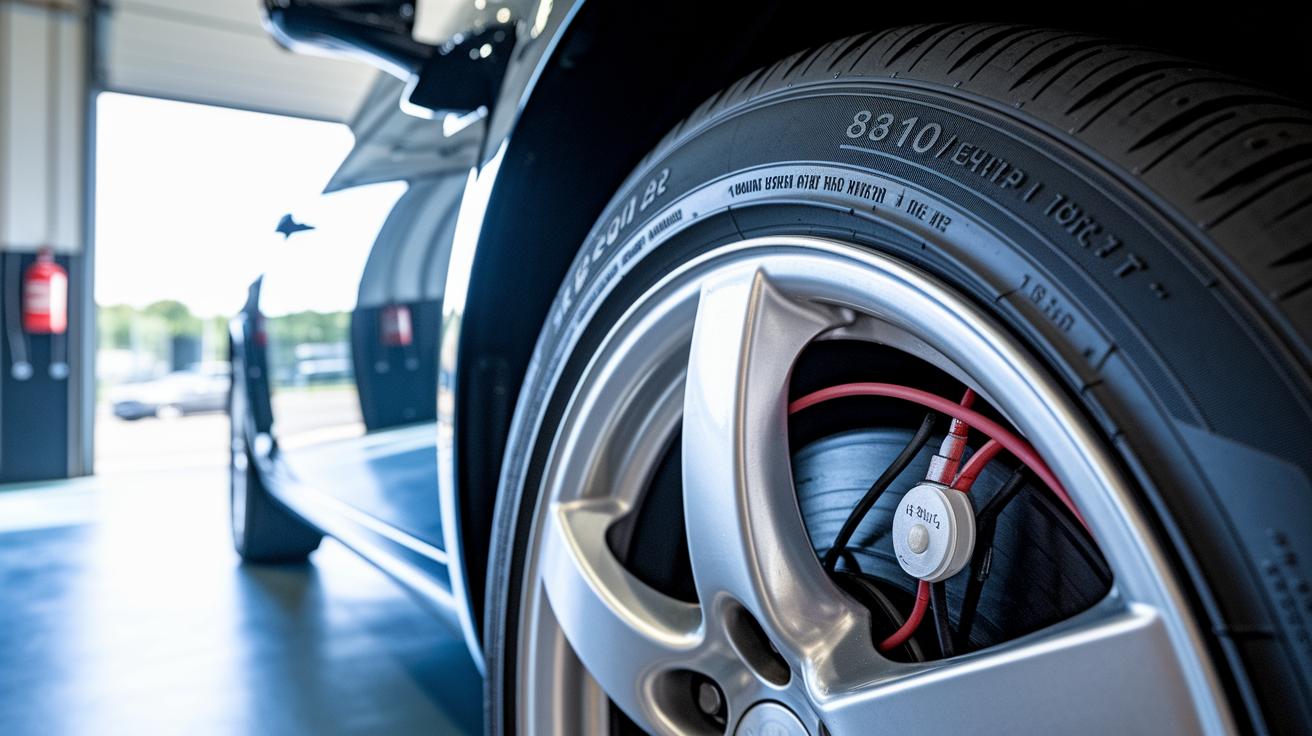
Patch-style sensors stick to the inside of your tire and keep an eye on things like pressure, temperature, and tread wear (which shows how fast the tire’s surface is wearing out). They usually come installed from the factory, so getting the fit just right is really important. Even a tiny bit of misalignment can throw off the wheel balance, kind of like checking your tire’s condition as carefully as you’d check your fuel gauge before a long drive.
External valve cap sensors, on the other hand, screw right onto the tire’s valve stem. They’re really lightweight and one of the simplest ways to upgrade your tire pressure monitoring. Because of their simple design, they’re a favorite among drivers with cars, motorcycles, trailers, and even farm equipment. These sensors use wireless signals to send information straight to your vehicle’s display, almost like tuning in to your own mini radio that tells you how your tire is doing.
For the best performance, here are some installation tips:
- First, make sure the sensor works with your specific vehicle and wheel type.
- Clean the threads on the valve stem before you attach the sensor.
- Tighten it to the recommended torque so you don’t risk any leaks.
- Start the sensor relearn process using your vehicle’s onboard system.
- Finally, check that each sensor is sending a strong signal.
Advanced tire sensors: MEMS, temperature compensation, and in-wheel systems
MEMS-based pressure units use tiny moving parts (kind of like mini engines) inside your tire. They give very accurate readings and hardly use any power, so you won’t watch your battery drain. Plus, temperature-compensated sensors adjust the numbers when your tire or the air heats up, which means you get reliable info even on a hot day.
In-wheel monitoring systems take things a step further. They gather data on tire pressure, temperature, and performance all in one place, right in the wheel. Think of it like a built-in health check that keeps you informed as you drive, similar to how your car’s dashboard shows your speed and fuel level.
Another neat innovation is ultrasonic detection. This technique uses sound waves to measure tire pressure without touching the tire, making it nearly maintenance-free. Engineers are testing these sensors like doctors use ultrasound to look inside the body. This smart tech gives your ride an extra boost of safety by keeping your tires in top shape.
Maintenance, calibration, and troubleshooting for tire sensor systems
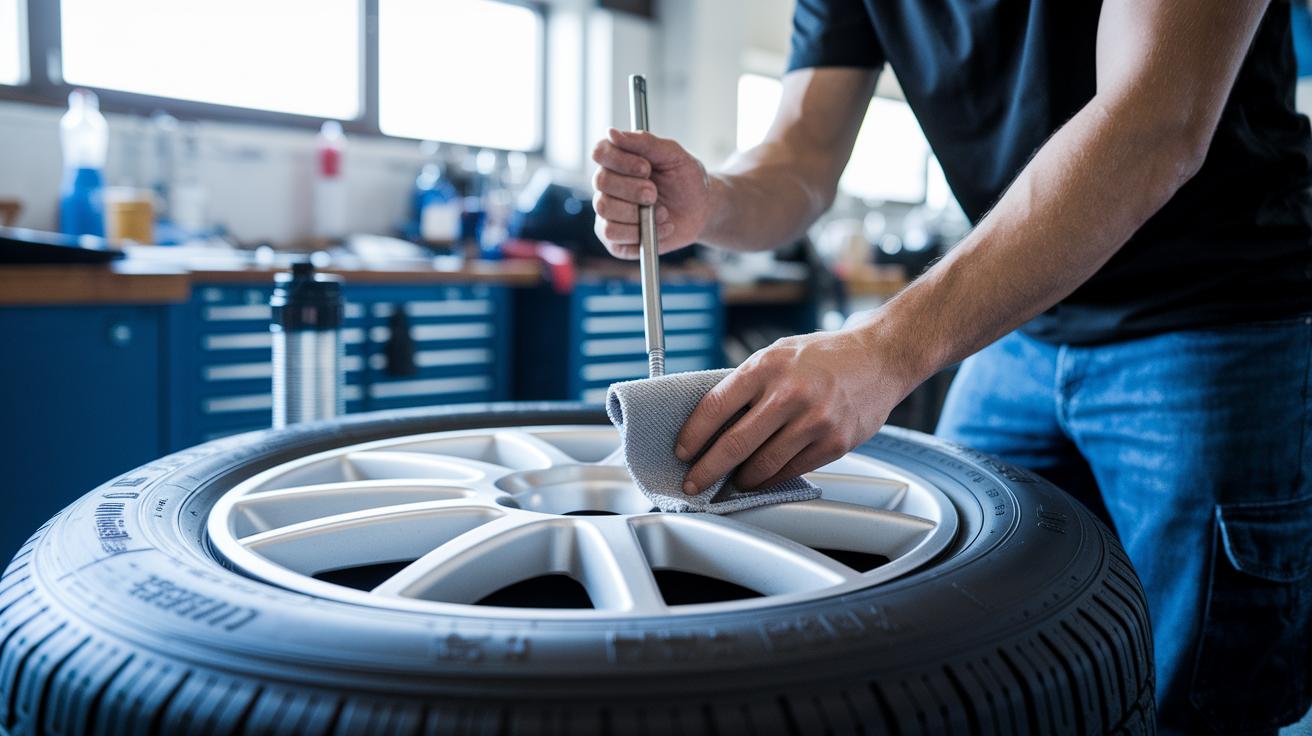
Taking care of your tire sensors is a bit like giving your car a regular check-up. These sensors, which help track your tire pressure, usually work well for 3 to 7 years until their batteries start to fade. Replacing them at the right time can save you from surprises on the road. Just like you keep your engine clean, you need to keep an eye on your tire pressure, clean the sensor parts to avoid rust, and use anti-rust treatments when needed.
Calibrating your tire sensors is key to keeping them accurate. When you install new sensors, be sure to follow the maker’s instructions carefully. This often means letting your car run a quick relearn cycle through its onboard system. Sometimes a firmware update (software that runs the sensor) or a quick check by a professional can fix little errors and make sure your readings stay on point.
If your sensors give odd or wrong readings, it’s time for a little troubleshooting. First, check the battery voltage (how much power the sensor has left). Next, take a look at the sensor parts to see if there’s any wear or rust slowing them down. Running a signal diagnostic (a simple test to see if the sensor is talking correctly with your car) can also help spot any issues.
A few simple steps to troubleshoot include:
- Checking battery voltage
- Cleaning sensor parts
- Running signal diagnostics
Regular pressure checks, scheduled recalibrations, and thorough inspections keep your tire pressure monitoring system in top shape. Keeping a little log with dates for calibration, firmware updates, and any troubleshooting you do can be a handy way to make sure your sensors stay ready for the road.
Final Words
In the action, we explored the many types of tire sensors and their role in keeping your car safe. We talked about how direct systems offer real-time pressure updates while indirect methods work with wheel-speed data. We also checked out valve-mounted, strap-mounted, patch-style, and external valve cap sensors, plus some advanced options like MEMS and temperature-compensated units.
Regular checks and proper installation help keep tire sensors running smoothly. Every piece of advice here works together to boost safety and tire performance on the road. Stay safe and drive confidently.
FAQ
What are the types of tire sensors used in Ford vehicles?
The types of tire sensors used in Ford vehicles include direct sensors like valve-mounted or internal sensors that monitor real-time tire pressure and send data to the vehicle’s onboard computer for better performance and safety.
What does a tire pressure monitoring system reset do?
A tire pressure monitoring system reset recalibrates the sensors after a replacement or tire change, ensuring that your vehicle’s computer correctly reads the updated pressure levels for safe driving.
What is a TPMS sensor or tire pressure monitoring sensor?
A TPMS sensor, or tire pressure monitoring sensor, is a device installed in your tire that measures the air pressure and sends that information to your car’s computer, keeping you informed about your tire’s condition.
Where are tire pressure sensors located?
Tire pressure sensors are usually mounted inside the tire next to the valve stem, allowing them to directly monitor air pressure and communicate readings to the vehicle’s system.
What should I know about changing wheels with tire pressure sensors?
Changing wheels with tire pressure sensors means handling the sensors with care to prevent damage. After a wheel change, you may need to recalibrate the sensors to maintain accurate performance.
What is an indirect TPMS?
An indirect TPMS uses data from wheel speed sensors in the ABS system to estimate tire pressure rather than measuring it directly, offering a more cost-effective solution with less precision than direct sensors.
How do TPMS sensors get power?
TPMS sensors get power from small batteries housed in the sensor unit. These batteries typically last three to seven years, after which the sensor may need replacement to keep accurate readings.
How do I choose and when should I replace my TPMS sensors?
You can choose the right TPMS sensor by matching your vehicle’s requirements and checking compatibility. Generally, only a faulty sensor needs replacing unless specified otherwise through professional advice.
Can I replace TPMS sensors myself?
Replacing TPMS sensors yourself is possible if you carefully follow the installation instructions, but consider having a professional recalibrate the system to confirm that the sensors work correctly.
How do I know if my TPMS system is direct or indirect?
You can determine if your TPMS system is direct or indirect by checking your owner’s manual or looking at the sensor setup; direct systems have in-tire sensors while indirect systems rely on ABS data.

