


Have you ever noticed that switching up your tire size can change the way your car feels? High performance tire sizing and proper fitment can really impact your speed, grip (how well your tire sticks to the road), and stability. Each little code on your tire's side is like a secret clue, telling you about its weight limit, speed range, and how it handles on different roads.
And when you match tire width with the right rim size, you're setting yourself up for a safer and more enjoyable ride. It's like piecing together a puzzle that lets you drive smoother and with more confidence. Today, let's break down the essentials so you can make smart choices for your next adventure.
High Performance Tire Sizing and Fitment Essentials

Every tire's sidewall code tells you key details about speed, load, and handling. The width, measured in millimeters, shows exactly how much of the tire touches the road, giving you a better grip. The aspect ratio is a number that compares the tire's sidewall height to its width, and a good one can mean a smoother ride along with quick steering responses.
It’s also important that the rim diameter, which is the size of the wheel opening, matches perfectly so everything fits right and the speedometer stays accurate. Then there’s the load index; this tells you how much weight the tire can handle and helps keep your car steady during sudden stops or sharp turns. The speed rating letter shows the top safe speed for the tire. For instance, a V rating means the tire can safely handle speeds up to 149 mph, much like sports tires known for quick responses.
The tire’s construction also matters. Whether it’s built as a radial (layers running across the tire) or as a bias-ply (with layers arranged for a firmer feel), it affects how the tire flexes when under stress. UTQG ratings offer you a simple way to check a tire’s quality by rating treadwear (how quickly the surface wears), traction (the grip on the road), and temperature resistance. Just remember, these ratings are used only for summer and all-season tires. It’s like reading a straightforward spec sheet to make sure your tires are ready for everyday driving and some spirited cornering.
| Component | Description |
|---|---|
| Width (mm) | How much of the tire touches the road |
| Aspect Ratio (%) | Determines sidewall height and ride comfort |
| Rim Diameter (in) | Makes sure the tire fits the wheel |
| Load Index | How much weight the tire can support |
| Speed Rating | Top safe speed for the tire |
| Construction | Radial or bias-ply design that affects flexibility |
| UTQG | Ratings for treadwear, traction, and heat resistance (for summer/all-season only) |
Choosing the correct tire size based on these codes is key to your vehicle’s stability and makes sure the tires work perfectly with your car's original parts. When the load index, speed rating, and construction match what your car needs, you get tires that perform safely during high-speed drives, hard braking, and regular trips. By understanding these tire codes, you have a solid guide to picking tires that fit your vehicle just right while giving you the performance you expect on every road.
Key Measurement Standards for High Performance Tire Sizing
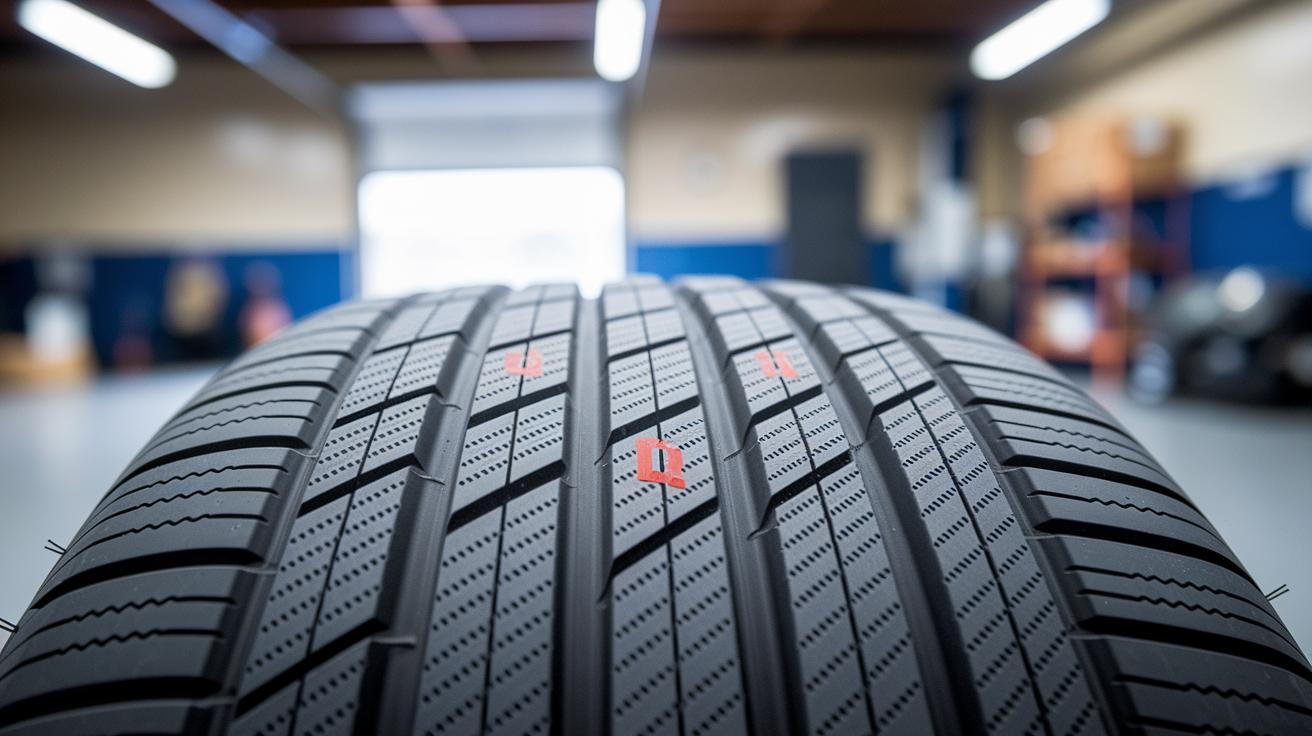
When it comes to choosing the right tires, getting the numbers right does more than just ensure they fit, these figures help decide how your car will feel on the road. They act as little clues, showing you how a tire will perform in everyday driving.
Let’s break it down:
• Width: This is measured in millimeters. In simple terms, a wider tire can grip wet roads better but might use a bit more fuel because it has more rolling resistance. For example, one sporty car got a better edge on twisty roads with wider tires.
• Aspect Ratio: Think of this as the sidewall height compared to the tire’s width. A lower ratio (meaning a shorter sidewall) can offer firmer handling and less bending when you hit the brakes hard. One driver noticed stronger, more responsive feedback during sudden stops with lower ratios.
• Rim Diameter: This number tells you the size the tire needs to fit your wheel perfectly. Even a tiny mismatch, like a 0.1-inch error, can throw off your speedometer and lead to fit problems. In one case, a slight error made the speed reading off by about 3 mph.
• Load Index: This shows how much weight a tire can safely support. Heavier vehicles like SUVs need a tire with a higher load index, which helps keep things stable on the road. One SUV owner found that switching to a tire with the right load index made a big difference in stability.
• Speed Rating: Represented by letters like H, V, or Z, this tells you the maximum speed a tire can handle safely. Picking a tire with the correct speed rating is essential if you often cruise on fast highways. One driver matched the tire’s speed rating with highway speeds and avoided extra wear on long trips.
• UTQG: These ratings cover treadwear, traction, and how well a tire handles heat (its performance in different weather). They give you a real-world snapshot of how long your tires might last and how they will perform in varied conditions.
Each number here isn’t just a detail, it’s a hint about how the tire will behave on your journey. One driver even learned the hard way: overlooking a tiny rim diameter detail led to a wobbly speedometer and uneven tire wear. When you balance these numbers with your car’s needs and everyday driving, you’re in for a smoother and safer ride.
Fitment Considerations for Premium High Performance Tires

Following your owner’s manual isn’t just about following the book, it’s a key way to keep safe and protect your warranty. Car makers list details like tire width, aspect ratio (how tall the tire side is compared to its width), and rim diameter to make sure everything works as it should. When you stick to these specs, each tire fits just right, whether you're driving on a smooth highway or stopping in busy city traffic.
Matching the tire to the right rim width is super important. If your rim is too narrow, you might run into bead seating problems (where the tire doesn’t lock onto the rim properly), much like trying to fit a giant sandwich into a tiny bag. On the flip side, a rim that’s too wide can stretch the tire’s side too much, making it less able to absorb bumps. Keeping the right pairing helps keep your ride steady and safe.
Then there’s offset and backspacing. These measurements make sure your tires don’t hit any suspension parts or scrape the wheel wells. Messing up these details can lead to problems like poor steering or uneven tire wear. So, always double-check these numbers when you consider switching from the original sizes to keep your drive smooth and secure.
Performance Impacts of Tire Sizing and Fitment on High Performance Vehicles

Wider, lower-profile tires give your ride a solid grip and help your car handle sharp turns more confidently. With a bigger contact patch (the part of the tire that touches the road), your vehicle stays steady even when making quick maneuvers. One driver even said switching to lower-profile tires made the steering feel so precise it felt like the car was reading the road. This kind of improved cornering can be a game-changer on twisty roads.
Changing tire sizes can also affect how quickly your car stops. Tires with a wider tread often lead to shorter stopping distances because a larger surface makes for more friction. But, these tires might add a little extra rolling resistance, meaning your brakes have to work just a bit harder. Some drivers have noticed this trade-off when trying to balance effective braking with a slight increase in energy use.
Ride comfort can change too. Lower-profile tires tend to have a firmer feel, which many drivers appreciate for better handling. However, this can also mean more road noise and a bit of extra vibration on longer drives or rough roads. It’s a bit like trading a smooth, quiet drive for a sharper, more responsive feel.
Also, if you choose tires that stray more than 3% from the original diameter, you may run into calibration issues with your speedometer and ABS system. A sudden jump in tire size can even lower fuel economy and add extra costs, not to mention potentially throwing your vehicle’s balance off if you're using lift or leveling kits.
Expert Recommendations for High Performance Tire Sizing and Fitment

When you're picking tires for everyday driving and the occasional track day, start by looking at the speed rating and load index. In plain terms, the speed rating tells you how fast the tire can safely go, and the load index shows how much weight it can handle (kind of like the tire's strength). If you're planning to zip around on a racetrack, a Z-rated tire is a great choice. But for casual street driving, a tire with a lower rating might work perfectly fine. Also, always choose a load index that is a bit higher than your car’s max weight plus any extra load you might carry, this is especially important for SUVs that tow. Stick to what your owner's manual says and only make small tweaks (about plus or minus 3%) to keep things balanced.
Getting the tire pressure right is just as important. Inflate your tires to the manufacturer’s recommended level, commonly between 32 and 40 psi for high performance tires. This helps the tire’s sidewalls stay firm and gives you better grip on the road. Think of it like setting the perfect air pressure on a bicycle tire, it makes every turn and sudden stop safer and smoother.
After you've got your tires on, don’t forget to handle your TPMS sensors. You’ll need to transfer or recalibrate them so they correctly monitor the pressure. It’s also a good idea to check your alignment and make sure there’s enough space around your brakes. This way, your high performance tires will give you the handling and durability you expect when you hit the road.
Practical Plus Sizing Examples for High Performance Tire Fitment

Plus sizing is a smart way to tweak your tire size while still keeping things in line with what the car maker recommends. With Plus Zero, you stick with the same rim size, say, moving from 225/45R17 to 235/40R17. This change gives you a bit more width and a shorter sidewall (by about 3%), which can help the tire feel more responsive.
Plus One is when you jump up the rim by one inch, like going from 265/70R17 to 275/65R18. This gives you a wider tire without really messing with the ride quality. When you get into Plus Two or Plus Three, you’re looking at even bigger rim changes. These are usually best for custom builds because they need extra care with clearance and perfect fit.
Here's an example: A sports coupe that originally had 225/45R17 tires switched to a 235/40R17 set using the Plus Zero approach. The car felt more stable in corners, and you could really feel the grip improve. The firmer sidewall helped the driver feel in control during tight turns, all without messing up the speedometer.
Another story comes from a mid-size SUV that swapped from 265/70R17 to 275/65R18 tires with the Plus One method. The change boosted the tire’s load capacity a bit but kept the ride smooth. It just goes to show that even a small change in tire size can make a big difference in how the car performs. Always remember to use the formula ((New Dia – Original Dia)/Original Dia × 100) to make sure any changes stay within a 3% difference for safe driving.
Final Words
In the action, we broke down tire sidewall codes, reviewed measurement standards, and unpacked real-world fitment tips. Each section showed how proper sizing and fitment keeps cars stable and safe while balancing performance and comfort.
We wrapped things up with expert advice and plus sizing examples that put numbers into perspective. This guide helps boost your understanding high performance tire sizing and fitment, leaving you ready to take on the road with confidence.
FAQ
Tire size calculator
The tire size calculator helps drivers compare dimensions like width, aspect ratio, and rim diameter to determine the right tire fit for safe and consistent performance.
What do the 3 numbers mean on tire size?
The three numbers represent the tire’s width in millimeters, its sidewall height as a percentage of that width, and the rim diameter in inches, ensuring proper compatibility.
What does aspect ratio mean and why does the middle number matter on tires?
The aspect ratio shows the sidewall height relative to the tire’s width. This middle number is key for ride comfort and handling by defining how tall the tire will be.
How do you read tire sizes in inches?
Reading tire sizes involves converting the width from millimeters and then following the order: width, aspect ratio, and rim diameter. This sequence clarifies your tire’s measurements for an accurate fit.
How can tires be compared by size?
Tire size comparison reviews differences in width, profile, and rim fitment. This helps assess impacts on handling, grip, and overall performance to match your vehicle’s needs.
What is a tire plus sizing calculator?
A tire plus sizing calculator helps determine safe tire size upgrades by calculating changes in width and sidewall height to keep overall differences minimal and performance intact.
What is the 3% rule for tires?
The 3% rule means the new tire’s overall diameter should remain within 3% of the original size. This keeps the speedometer reading, braking distance, and handling performance reliable.
Is a 285 tire taller than a 275 tire?
A 285 tire is typically taller than a 275 due to its larger width and corresponding sidewall dimensions, though actual height depends on the specific aspect ratios used.
What does +35 mean for rims?
The +35 on rims signals a larger offset, which means the rim sits further outward relative to the hub. This change influences how the tire aligns with the vehicle’s body and performance.
Which tire is taller, 70 or 75?
A tire labeled 75 is taller than one labeled 70 since the higher number indicates a greater sidewall height relative to the tire’s width, affecting ride height and cushioning.

