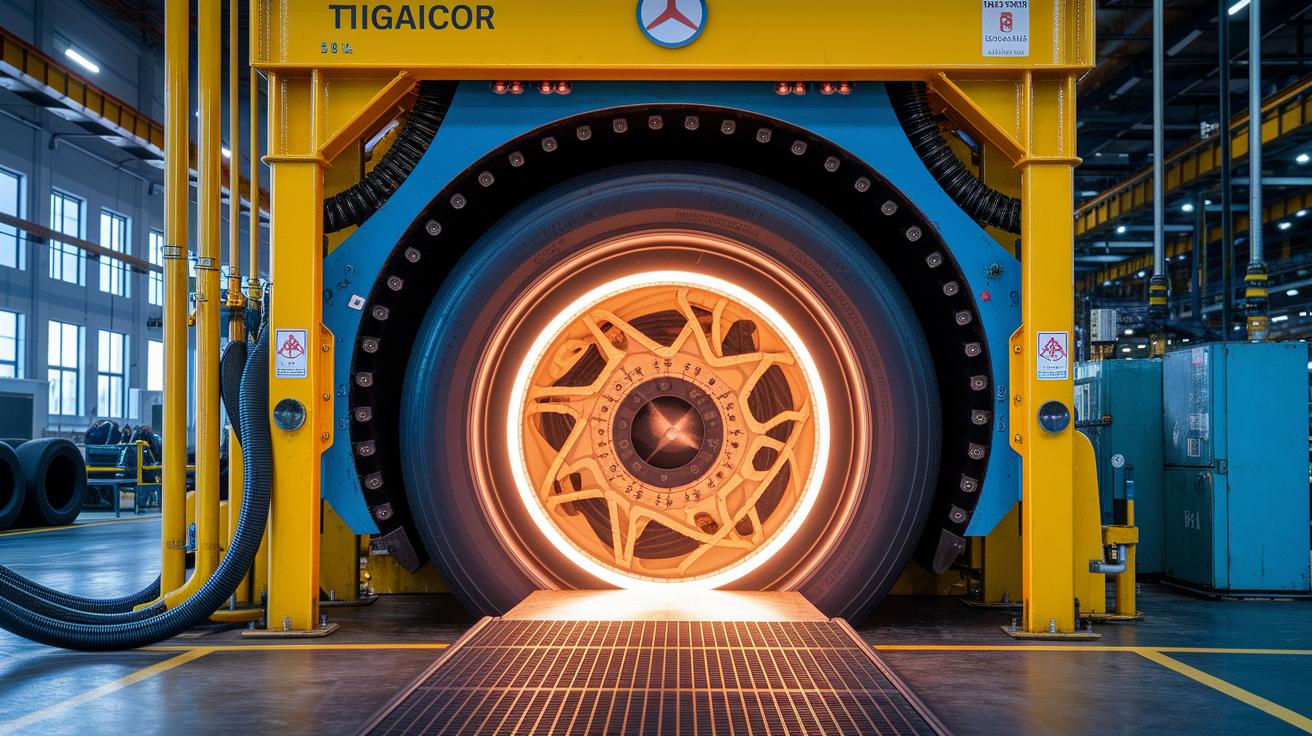


Have you ever wondered how raw rubber turns into the tire you trust on every drive? It all starts with a process called tire curing, where heat and pressure work together like a well-oiled team to shape and strengthen each tire.
Think of it like molding a lump of soft clay into a sturdy sculpture. Heat softens the rubber, while pressure pushes it into the perfect shape needed for a tire that grips the road, rain or shine. Understanding this process gives you a clear look at how quality tires are made, step by step, to perform reliably wherever the road takes you.
Comprehensive Overview of Tire Curing Processes in Manufacturing
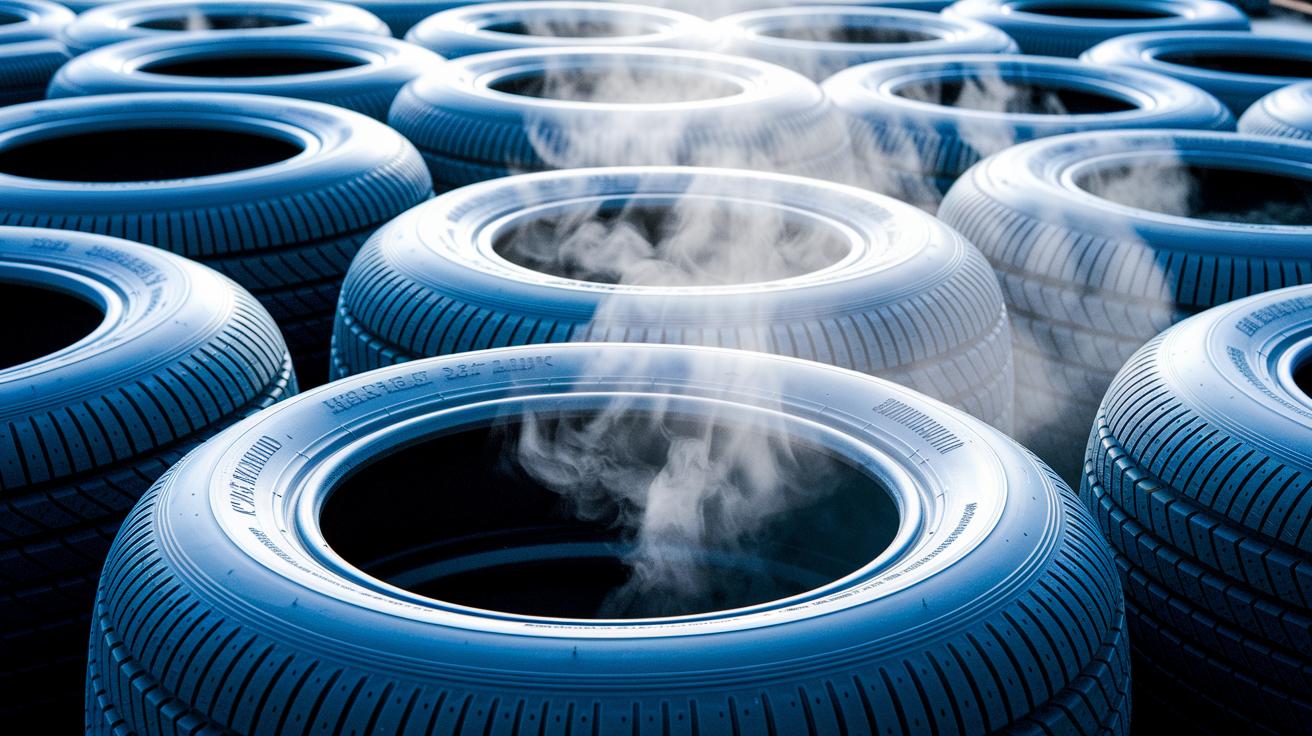
Curing is really important because it turns raw rubber into a tire that lasts, grips the road, and fights wear. It's the moment when the tire gets tougher, stretchier, and more durable. At this stage, green tires are loaded into steel molds, ready to be transformed by heat and pressure. Think of it like shaping a lump of clay in a mold, it gives the tire its form.
Next, steam is pumped into the mold to heat it to over 300°F (150°C). This strong heat lasts about 15 minutes, allowing the rubber molecules to bond just right. The heat kicks off a chemical reaction called vulcanization (which links rubber chains together), making the tire work much better. Then, the system uses air pressure to hold the tire firmly in shape during the cure. This pressure helps mold every detail of the tire, ensuring it fits perfectly into the steel mold.
After the tire has been properly pressurized, venting comes into play. Venting releases any extra steam and keeps the conditions balanced inside the mold. This step ties in seamlessly with other parts of tire production, like press-builds and bead-setting. When curing is done right, with the precise temperature, pressure, and time, tires end up with a dependable grip and impressive wear resistance, setting the standard for performance on the road.
Critical Parameters in Tire Curing Processes: Temperature, Pressure and Time
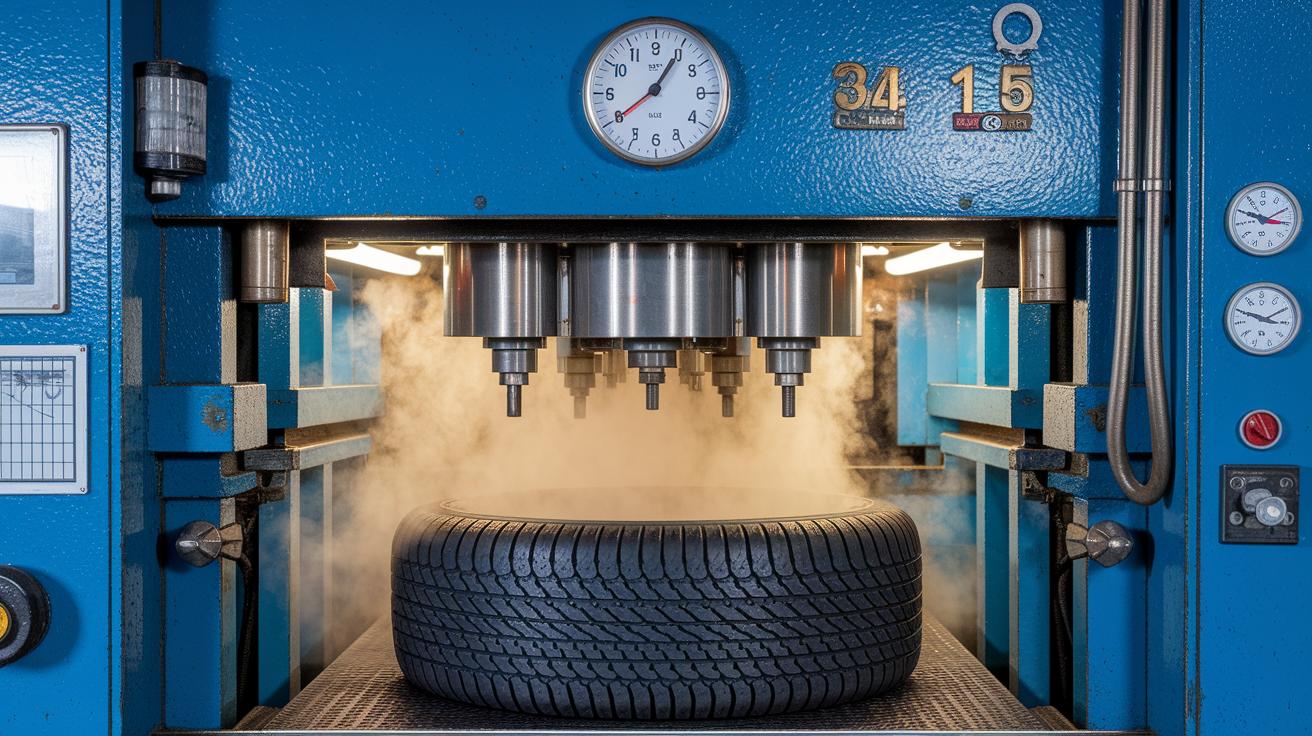
When curing tires, you need to keep temperature, pressure, and time just right. First up is temperature. The mold should hit between 300–320 °F (149–160 °C) so that the rubber molecules start linking together. Think of it like trying to make popcorn at the right heat, if it’s too low, the kernels just don’t pop.
Next comes pressure. The molds need a steady steam pressure of 6–12 psi to shape the tire perfectly. It’s like making a sandwich: a little pressure won’t hold the layers together, but too much could squish it all too tight.
Then there’s time. The curing cycle is usually about 12–18 minutes, which is just enough for the chemical reactions to finish up. It’s a bit like baking a cake, if you rush it, parts of the cake won’t set, and if you wait too long, it might get dry.
| Parameter | Typical Range | Quality Impact |
|---|---|---|
| Temperature | 300–320 °F (149–160 °C) | Helps the rubber’s molecules bond properly |
| Pressure | 6–12 psi | Ensures the tire keeps a uniform shape |
| Duration | 12–18 minutes | Gives enough time for chemical reactions to complete |
Each of these factors makes sure that the rubber molecules link together just right, which gives the tire its strength and durability on the road.
Chemical and Physical Mechanisms of Vulcanization in Tire Curing
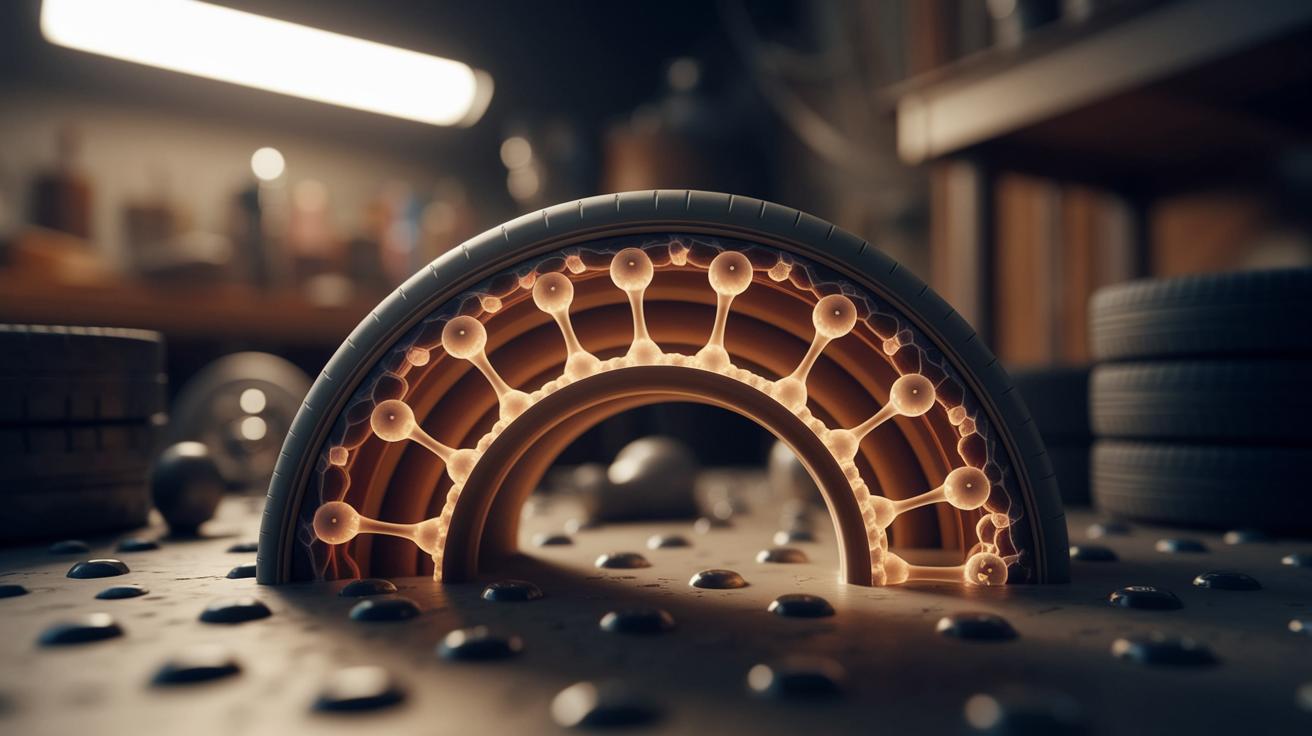
Let's chat about how tires get that strong, bouncy feel. Sulfur-based vulcanization is the classic way to do it. In simple terms, raw rubber gets mixed with either sulfur or some special chemicals (accelerants, which speed things up). These additives help form tiny bridges between rubber chains, much like threads in a quilt making everything stronger. Over 70% of rubber products use this method because a tighter network helps the tire handle heat and stretch just right. Think of it like sewing together a sturdy patchwork where each stitch adds to the overall durability.
Now, there are other ways to cure tires, like peroxide or radiation curing. Peroxide curing works by creating free radicals (tiny reactive particles) that bond the rubber molecules, instead of using sulfur. Meanwhile, radiation curing uses high-energy waves to help form stable bonds that make the rubber really tough. These methods tend to produce a more even network, though they might not always give the tire the same stretchiness you’d get with sulfur. And just like adjusting your car’s settings, the success of each method depends on factors like temperature, pressure, and the right mix of additives.
In the end, the way a tire is cured really affects how it performs. More links in the rubber network mean a tire that’s stronger, handles heat better, and offers a smoother ride. Picture the tire’s molecules as a well-coordinated team, working together to give you a strong grip on the road and a ride that feels secure, even when the going gets tough.
Equipment, Mold Design and Chamber Technologies for Tire Curing Processes
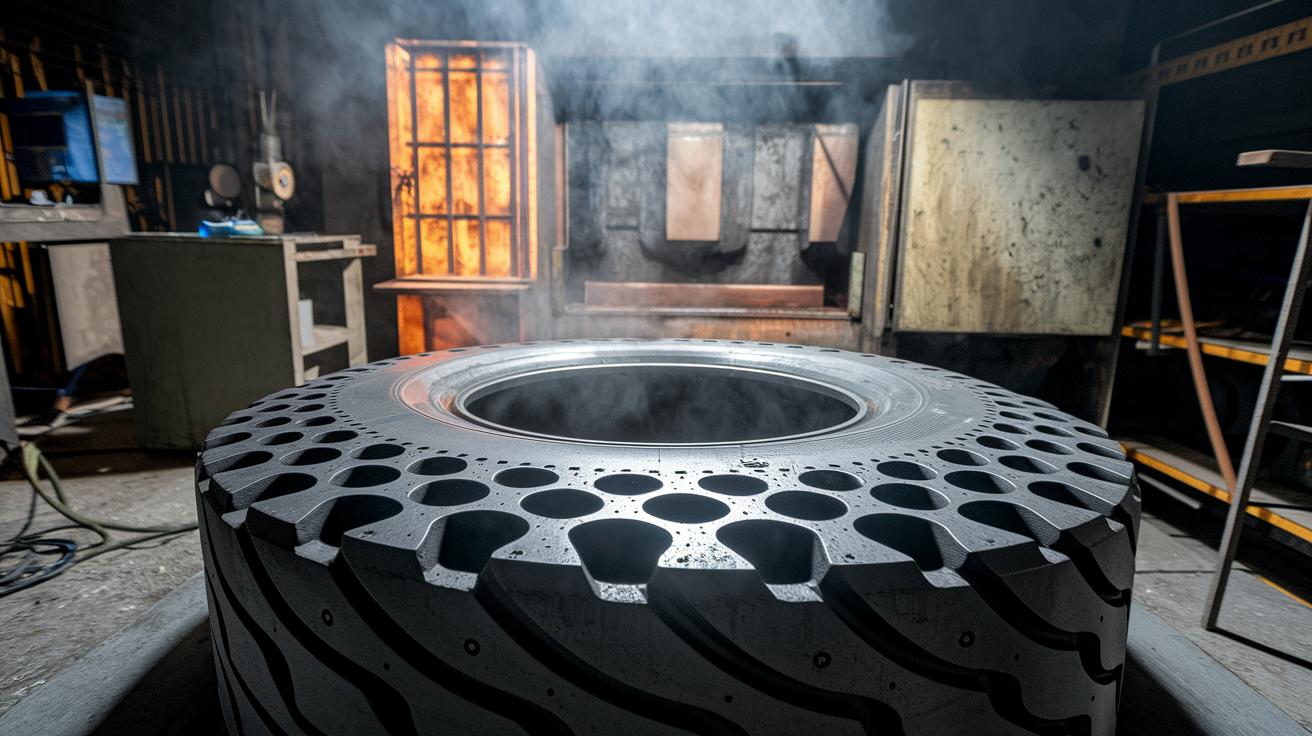
When making tires that truly perform, the curing equipment makes all the difference. Steel molds with patterned cavities shape the tire to grip the road well and avoid wearing down too quickly. These molds are made with careful, precise curves that capture every bit of the tread design. Plus, using a nickel-chrome alloy (a special metal mix that spreads heat evenly) helps the heat reach every part of the tire. Ever think of a mold as being as finely tuned as your favorite guitar?
Steam ovens are just as important in this process. They provide a steady, even heat that bonds the rubber together perfectly, much like baking cookies in an evenly heated oven. These ovens wrap around the steel molds completely so the tire cures uniformly. Meanwhile, chamber seals and snug pressure lines keep the steam right where it should be. The molds hold the tire in place at pressures between 6 and 12 psi (a measurement that tells you how strong the pressure is), letting the steam work its magic without a hitch.
Modern curing chambers go beyond just heat and pressure. They’re equipped with digital controls that guide the process like a smart dashboard. These panels manage how quickly the heat rises, making sure the change is gradual and safe. They also control the pressure and automate vent cycles to keep everything on track. It’s like having a friendly co-pilot that lets you know exactly how your tire is doing, so any needed tweaks can be made in real time.
Process Optimization and Real-Time Monitoring in Tire Curing Processes
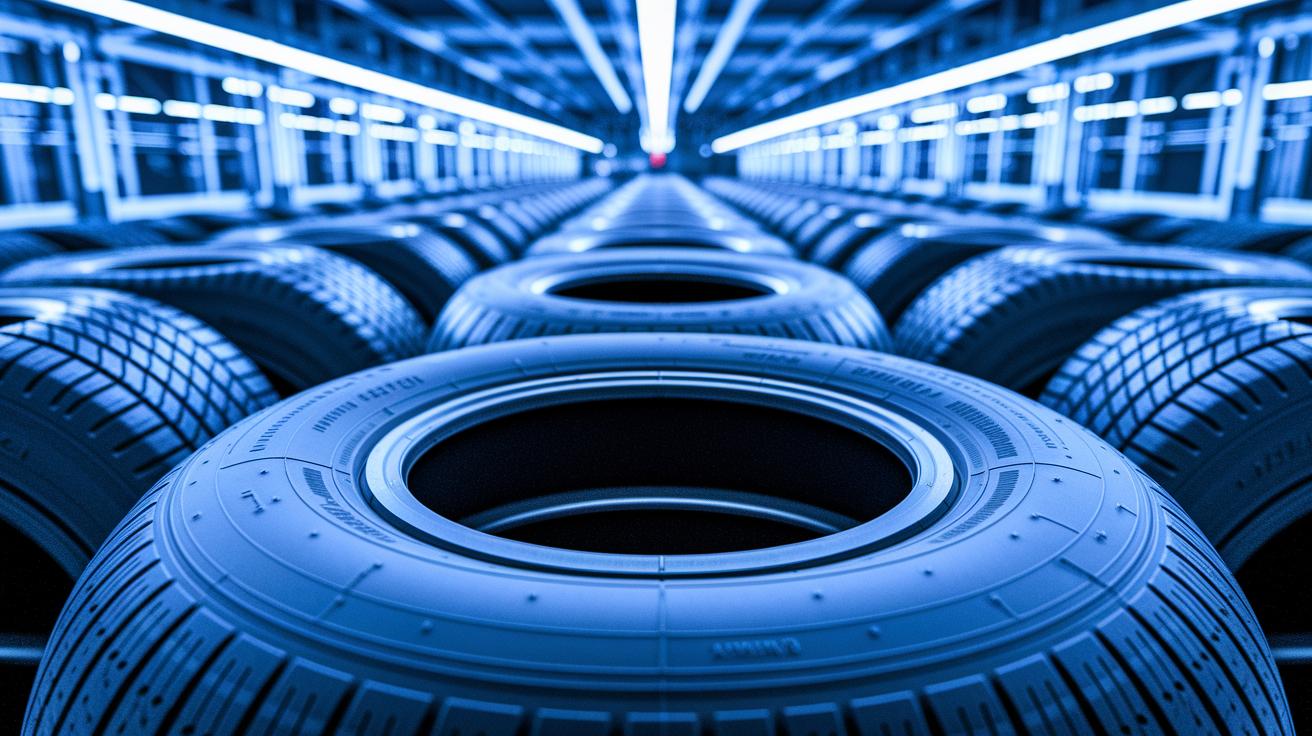
Data capture is key in tire curing. We place sensors at different spots in the mold to keep an eye on the temperature, almost like checking a digital heartbeat. These sensors send information in real time so that any change in steam flow can be fixed immediately. Think of it as a friendly alarm that watches every degree and every psi. Plus, the system logs this data, which helps cut waste and saves up to 12 percent energy.
Digital controls share information instantly. If a reading drifts more than ±2°F or ±0.5 psi from the set point, an automated alert pops up to suggest maintenance right away. That means less downtime and a tire curing process that runs as smoothly as a well-oiled engine.
This setup brings a bunch of wins:
| Benefit | Description |
|---|---|
| Lower Scrap Rates | Fewer tires end up wasted |
| Energy Savings | Up to 12 percent energy saved |
| Steady Tire Quality | Consistent quality in every production run |
| Less Downtime | Fewer unexpected stops in production |
| Maintenance Alerts | Early warnings for when upkeep is needed |
All these benefits show how modern sensor technology and smart production systems work together to boost efficiency. With real-time monitoring, the whole process keeps pace with today’s manufacturing standards and even steps into Industry 4.0, all while maintaining great quality and performance.
Challenges and Innovations in Tire Curing Processes for Manufacturing
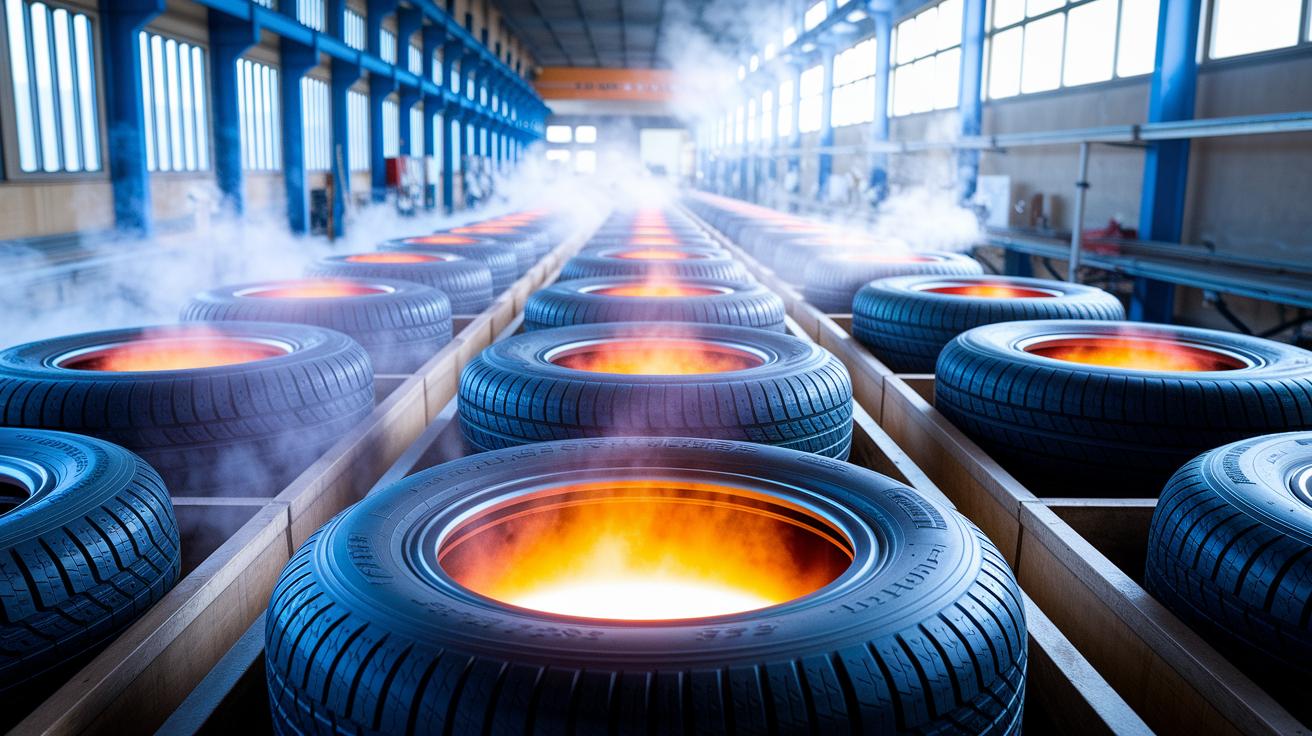
Manufacturers face a few tough challenges when curing tires. For instance, the heat isn’t always spread evenly. When some parts don’t get enough heat, those areas end up weaker. Plus, repeated high-pressure cycles can wear out the molds faster, and using lots of steam energy drives costs up.
New methods are helping to clear the fog. Infrared and microwave techniques cut the cycle time by around 20%. Think of them as clever ways to heat the molds more evenly and quickly. Researchers are also testing sustainable steam generators along with heat-recovery systems. These upgrades can shrink energy use by about 15%, making the process easier on both the environment and the budget.
There’s also a move towards smarter tech. AI-driven control systems are now in pilot testing to adjust the curing process in real time. By fine-tuning settings automatically, these systems promise a steadier operation and a consistently better tire quality.
Final Words
In the action of tire production, we broke down how steam, pressure, and time work together for a strong bond. We touched on mold design, automated controls, and real-time monitoring that keeps quality steady. We also looked at new fixes for challenges like uneven heat and high energy demands. Each step connects back to understanding tire curing processes in manufacturing. Enjoy the ride ahead knowing your tires result from smart techniques and careful work.
FAQ
Q: What is the process of curing tires?
The tire curing process uses steam, heat, and pressure in a controlled cycle to bond rubber molecules, which strengthens the tire and improves wear resistance.
Q: What is the cure cycle of a tire?
The cure cycle involves bringing the mold to about 300–320°F, applying 6–12 psi for 12–18 minutes, and ensuring proper vulcanization for optimal tire performance.
Q: What are the stages in the manufacturing process of a tire?
The tire manufacturing process includes bead setting, press building, mold loading, curing, and finishing, with each step ensuring that the tire meets quality and safety standards.
Q: How do tire manufacturing guides like PDFs, PPTs, and flow charts help?
These guides provide clear step-by-step visuals and detailed parameters on curing temperature, pressure, and duration, making it easier to understand and follow tire production processes.
Q: What is a tire curing machine?
A tire curing machine is specialized equipment that loads a tire into a heated mold, then uses steam and controlled pressure to vulcanize the rubber, enhancing its durability and performance.

