

Ever wonder if your tire really lives up to its promise? UTQG ratings work like a report card for your tire. They tell you how long a tire might last, how well it grips on wet roads, and how it deals with heat when you're driving fast.
In this blog, we break down these numbers in plain, simple language so you know exactly what to watch for when picking a tire. Stick around to clear up any confusion and learn how one easy rating can lead to safer, smarter driving.
Core Components of UTQG Ratings and Performance Tire Longevity
The UTQG rating is a system from the U.S. government that tells you how tough a tire is for everyday driving. It works like a school experiment where a standard tire gets a score of 100, and other tires are compared to it. So, if you see a tire with a treadwear rating of 500 (meaning it should last about five times longer than the standard tire), you'll have a good idea of its durability.
This rating mixes three main checks. First, treadwear tells you how long a tire might last under regular driving. A higher number means it should stick around longer. Next, traction is graded as AA, A, or B, which shows how well the tire can grip wet roads for better stopping. Lastly, temperature ratings, marked as A, B, or C, let you know if a tire can handle heat when driving fast, kind of like how different containers keep food cool. In short, if a tire stays cool under pressure, it’s built for performance.
When you check a tire’s UTQG score, you get a clear snapshot of its lifespan and reliability. This mix of numbers helps you figure out if a tire is best for speedy runs or everyday trips. Using these ratings, you can balance performance, safety, and cost, so every drive feels confident and steady.
Interpreting UTQG Treadwear Grades for Performance Tire Lifespan

A UTQG treadwear rating tells you how long a tire might last compared to a standard tire that is rated at 100. In simple terms, that 100 number is like a baseline, and any tire with a higher number is expected to stick around longer under the same conditions.
For example, if you see a tire with a rating of 500, it means that tire could last about five times longer than the standard one – roughly around 50,000 miles on average. Usually, tires with ratings between 300 and 400 work well for everyday driving, while tires rated above 600 are made for drivers who put in a lot of miles or face tougher road conditions.
| Treadwear Rating | Relative Longevity (× baseline) | Expected Mileage (approx) |
|---|---|---|
| 300 | 3× | 30,000 miles |
| 400 | 4× | 40,000 miles |
| 600 | 6× | 60,000 miles |
| 800 | 8× | 80,000 miles |
Real-world driving can change these numbers a bit. Rough roads, bad tire pressure, or aggressive driving might make your tires wear out faster. On the flip side, smooth roads and regular care like rotating your tires and checking alignments can help your tires last as long as expected or even a bit longer.
Decoding UTQG Traction and Temperature Ratings for Durability
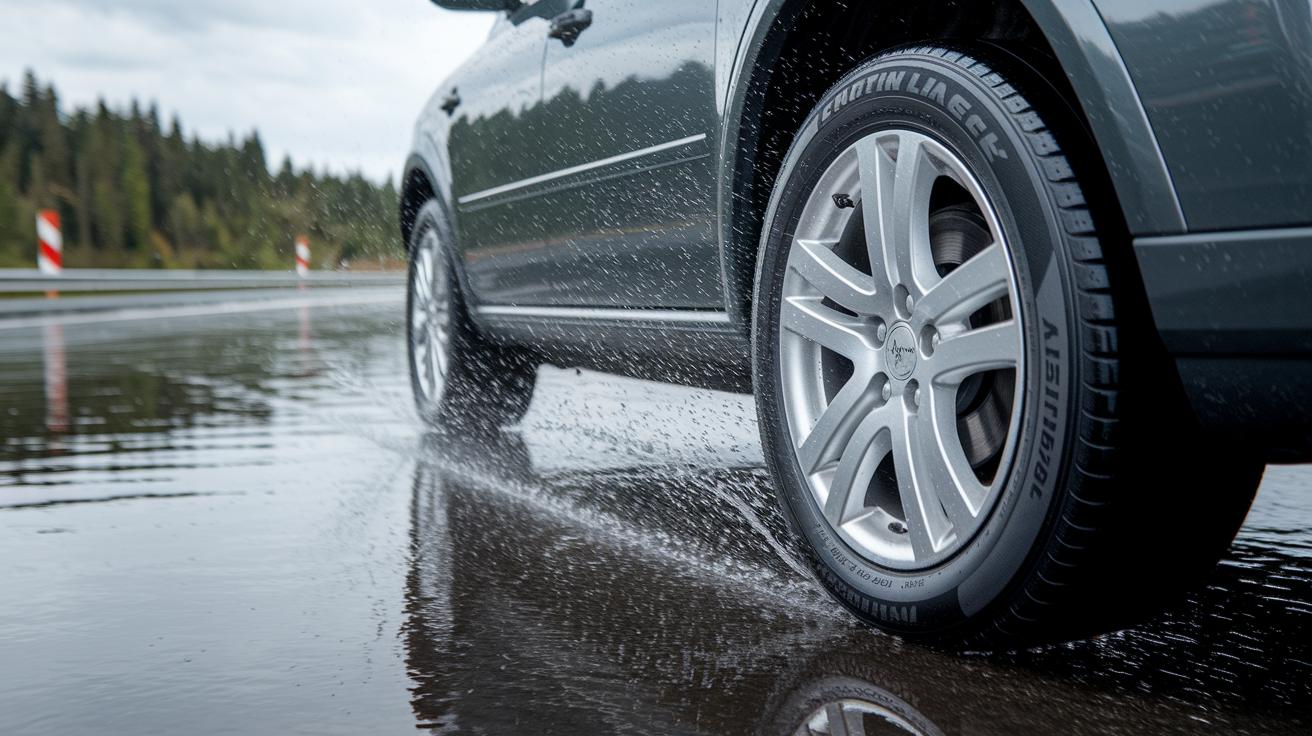
When you pick performance tires, two things matter most: how well they grip wet roads and how they handle heat when you push your ride. Traction grades come from tests that check how fast your tire can stop on wet surfaces. Heat ratings show how a tire deals with high speeds and stress so it doesn’t get too hot. Together, these numbers help you know if your tire can keep its grip and shape during long drives or on hot roads.
Traction ratings use a simple letter system. AA means the tire stops best on wet surfaces, followed by A and then B. It’s like comparing how well you can slow down on a rainy day. Tires with a higher traction grade usually give you better stopping power on slick roads, which can help avoid skids and keep you safer.
Temperature ratings are all about how well a tire moves heat away during long, fast drives. They test the tire in a controlled setting that mimics heavy use. A tire with a temperature grade of A cools down more easily and is less likely to overheat on busy highways or at a track. Tires with a lower rating, like B or C, still work but might not handle extreme heat as well as an A-rated tire.
Applying UTQG Ratings to Select High-Performance Tires
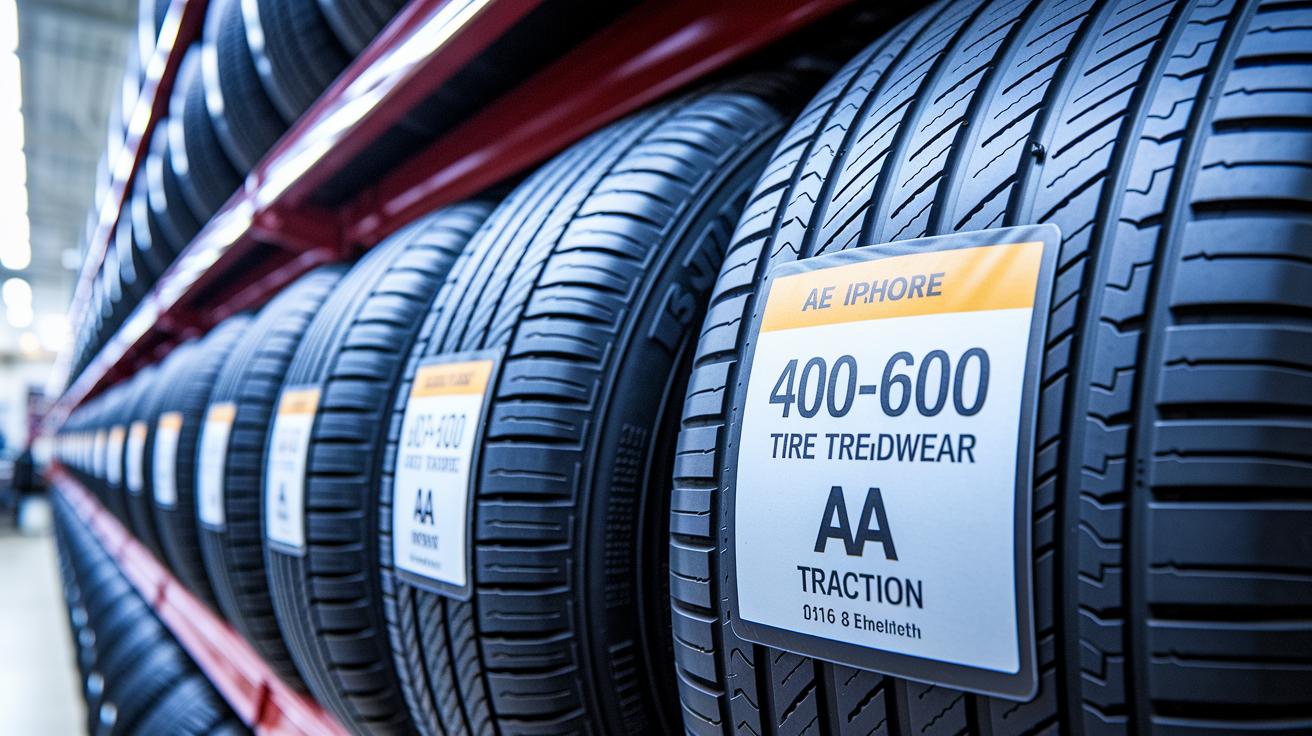
Michelin tires usually show treadwear ratings between 400 and 600 (treadwear shows how long a tire might last), paired with steady noise control. Continental tires, on the other hand, score high for traction (how well they grip the road), often earning grades like AA or A for both wet and dry conditions. BFGoodrich tires get top marks for temperature protection, rated A to show they hold up well at high speeds. These ratings help point out each brand's strong suits, whether it’s lasting power, grip, or handling tough roads.
Choosing the right tire comes down to your driving habits and how many miles you drive. If you’re looking for tires that last long and save you money over time, a high treadwear score is a smart pick. But if you find yourself driving in rainy weather or at high speeds, you’ll want to pay extra attention to the traction and temperature ratings. In this way, UTQG numbers can guide you to a tire that fits both your safety needs and performance expectations.
When comparing different brands, take a close look at the tire label. Read the UTQG numbers for treadwear, traction, and temperature, and use these figures as your guide. It’s a simple way to balance performance with a long tire life. For more details on how UTQG ratings can help you choose, check out the high performance tires page at tityres.com.
Recognizing UTQG Rating Limits in Real-World Performance
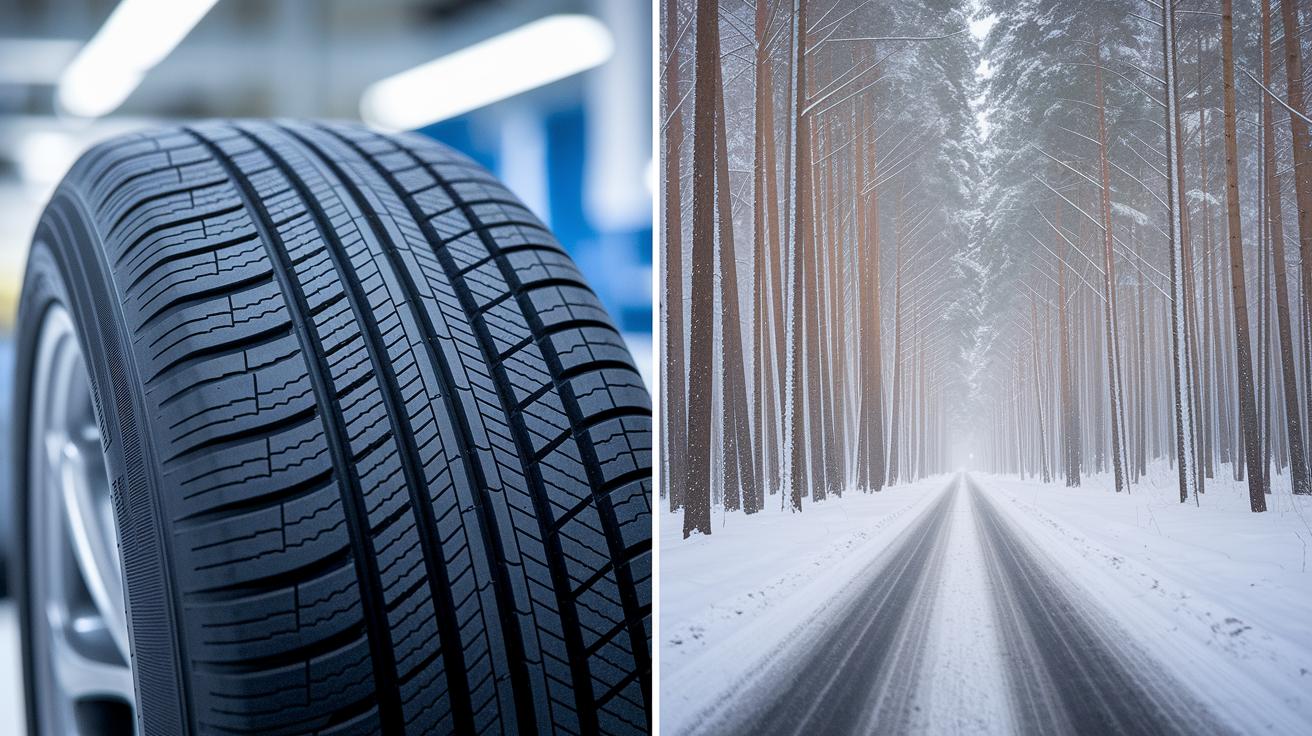
UTQG ratings give you a basic idea of how long a tire might last, but they don’t cover everything like ride comfort, noise levels, or how well the tire handles turns. They’re tested in a lab, which means they might not match up with the everyday roads you drive on. For example, these ratings don’t show you how a tire grips the road in cold weather or explain the special mixes in the tire (the compounds that make tires last or perform better), so a tire that looks great on paper might act a bit differently when the temperature drops or when you hit rough patches.
Real-life driving can change things a lot. Factors like bumpy roads, aggressive driving, or even under-inflated tires can affect how long a tire really lasts. Imagine a tire that’s rated to last a long time but starts wearing out early because you’re constantly driving on uneven city roads with lots of stops and starts. This difference between lab tests and your daily drive shows that UTQG scores might sometimes overestimate or underestimate a tire’s true lifespan.
So, while UTQG ratings are a helpful starting point, it’s a good idea to consider other details too. Think about the type of roads you usually drive, the technology behind the tire’s rubber mix, and how it feels on the road overall. Relying only on UTQG scores might not give you the full picture, and a little extra research can help you pick tires that are both safe and durable for your everyday adventure.
Maximizing Performance Tire Longevity Beyond UTQG Scores
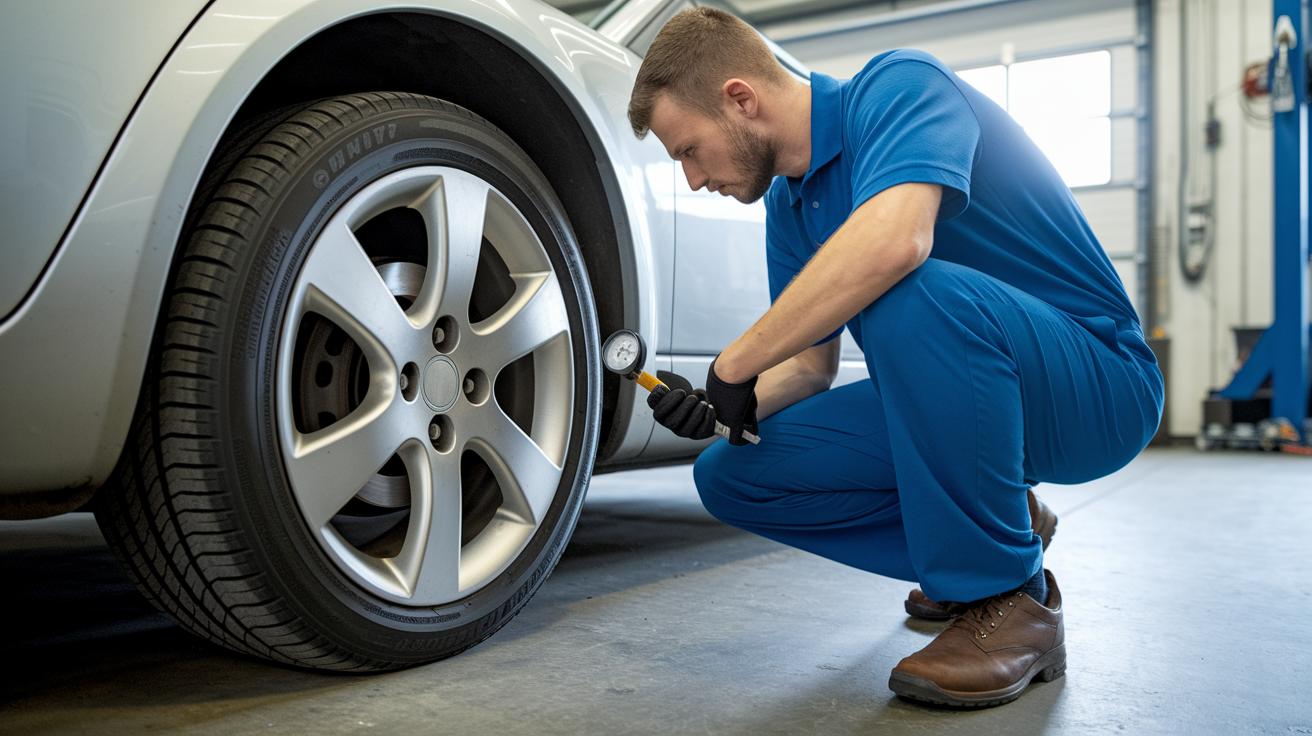
Keeping your tires happy means taking care of them like you would a good friend. Make sure you rotate them every 5,000 to 7,000 miles so they wear evenly, like you’d adjust your seat for a comfy ride. Also, check the tire pressure often; having the right pressure helps your tires grip the road well and matches their UTQG rating (a number that tells you how long your tire might last).
Next, a quick look at your wheel alignment and suspension can really save the day. When your wheels are off-kilter, tires can wear out faster and feel unstable on the road. So, it helps a lot to keep your suspension in good shape and get your alignment checked regularly, whether you're cruising to work or taking a spirited drive.
And don’t forget about how you store your tires. Keep them in a cool, dry place away from direct sunlight because UV rays can age them faster. A regular check for cuts, punctures or odd wear can catch problems early. For some tips on picking the best care products, head over to the guide on choosing the right high performance tires. A little routine care goes a long way to help your tires perform like new.
Final Words
In the action, we explored how UTQG ratings break down tire performance into treadwear, traction, and temperature resistance. We saw how those scores guide you in comparing models and what to expect on your daily drive. Simple maintenance tips help preserve tire life beyond just the numbers. This guide keeps things practical as you focus on safety and smart spending. By understanding UTQG ratings for performance tire longevity, you’re well on your way to a secure and confident drive.
FAQ
What is the UTQG rating chart?
The UTQG rating chart shows a tire’s performance in treadwear, traction, and temperature resistance. It uses numbers for expected tire life and letters for wet grip and heat dissipation ratings.
What is a good UTQG treadwear rating?
A good UTQG treadwear rating is one above 400. Tires rated at 600 or higher usually promise longer lasting performance under standard driving conditions.
What does UTQG 600 AB mean?
UTQG 600 AB means the tire should last 6 times longer than a baseline tire, with a traction grade of A (good wet grip) and a temperature rating of B (providing sufficient heat resistance).
What does UTQG 500 AA mean?
UTQG 500 AA means the tire’s treadwear is 5 times that of a standard tire, paired with an excellent traction grade (AA) that indicates superior wet performance, though the specific temperature rating isn’t shown.
What does UTQG 700 AA mean?
UTQG 700 AA indicates the tire is expected to last 7 times longer than the baseline tire, with an excellent wet performance rating (AA) to give drivers a strong grip on wet surfaces.
What does UTQG 840 BB mean?
UTQG 840 BB means the tire is rated to last 8.4 times the life of a standard tire, with a moderate wet grip (B) and a mid-level temperature rating (B), indicating balanced overall performance.
What is the significance of UTQG temperature ratings?
The UTQG temperature rating shows how well a tire can manage heat at high speeds. A grade A means the tire handles heat very well, while lower grades indicate adequate to minimum heat resistance.
Is a 300 treadwear rating better than 500?
A 500 treadwear rating means the tire should last 5 times longer than the baseline, which is better for durability than a 300 rating designed for everyday, shorter mileage expectations.
What do UTQG 800 BB and 720 AA mean?
UTQG 800 BB means the tire could last 8 times longer than a baseline tire with moderate traction and temperature grades. UTQG 720 AA implies a 7.2 times longer life paired with excellent wet grip performance.

