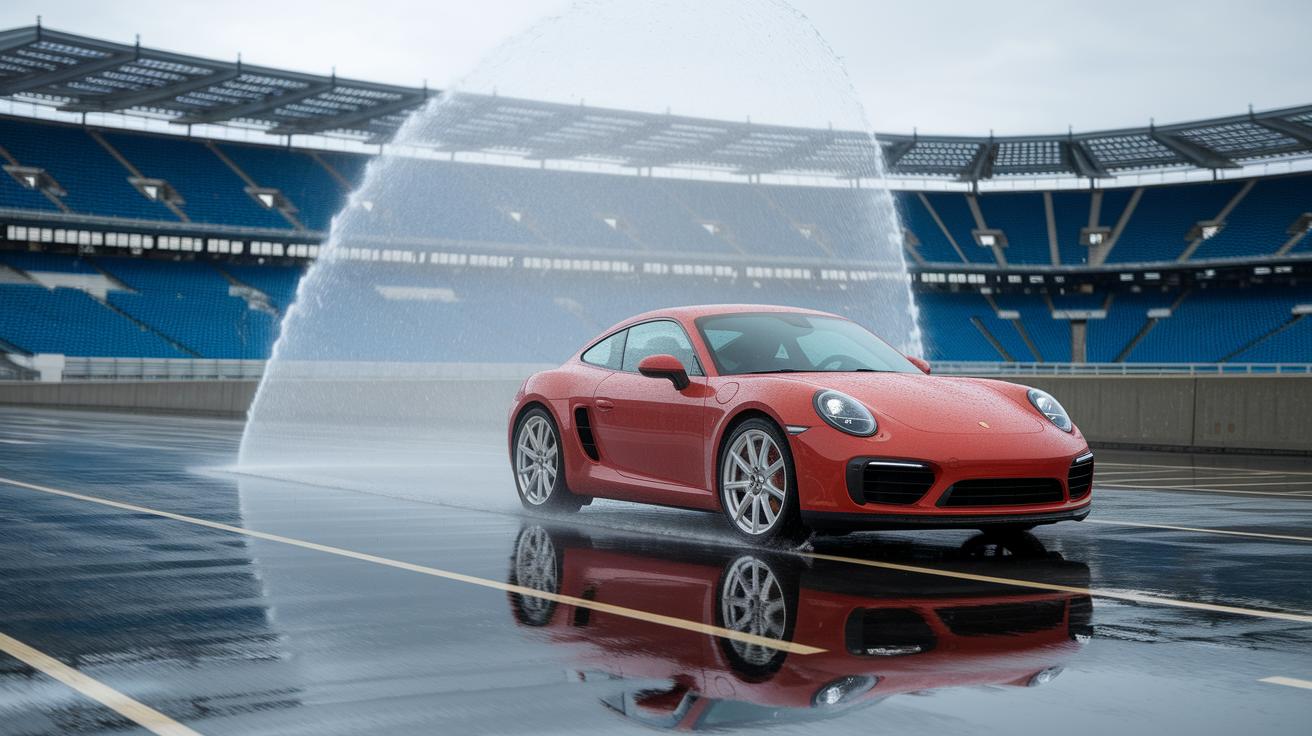


Ever wonder if your tires can handle a heavy rain? When the roads get wet and slippery, sport tires put their smart design to work with special grooves and a soft rubber (the compound that grips the road) that help chase water away, much like a tiny windshield wiper. This design lowers the chance of losing control on the road, making your drive much safer. In this post, we'll talk about how these features work together to keep you steady in wet weather. Trust me, once you get how it works, you'll feel more confident on those rainy days.
Core Mechanics of Wet Weather Performance in Sport Tires
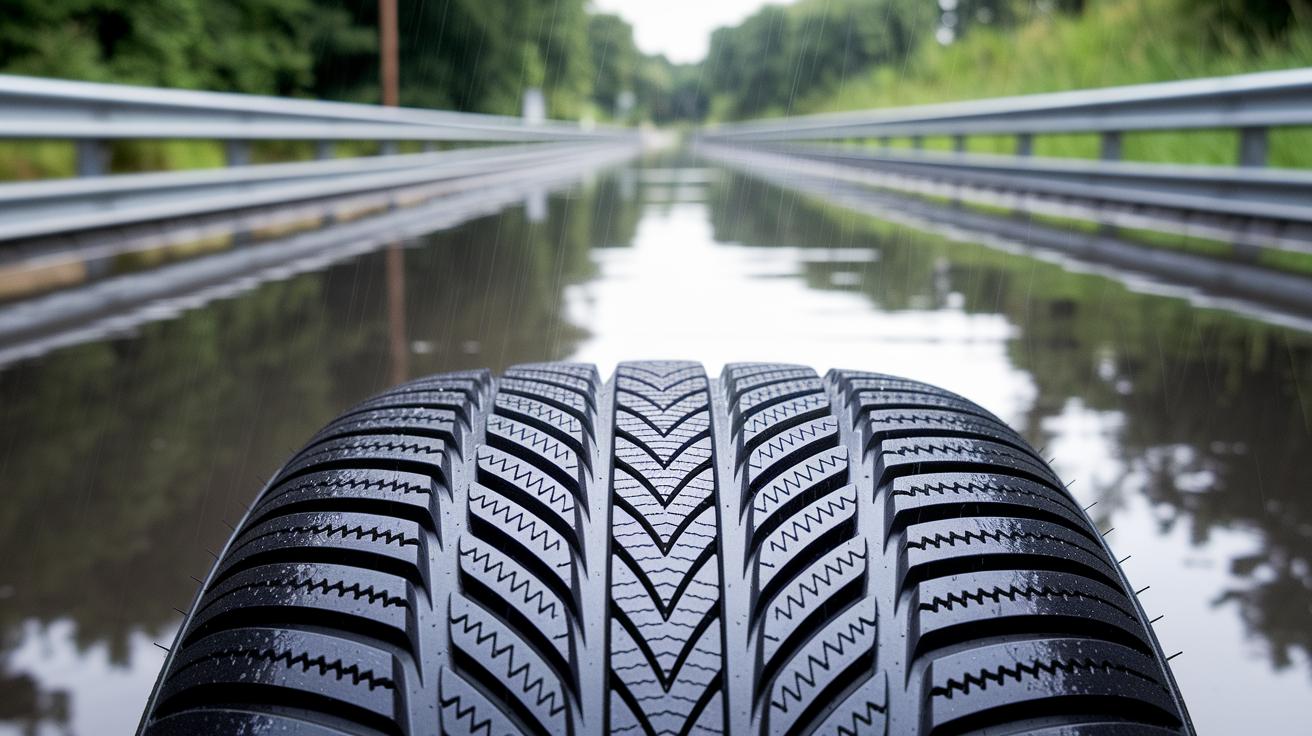
Sport tires made for wet roads are built with a special mix of design and materials that truly makes a difference when conditions get slippery. One big feature is the tire’s tread pattern. It has grooves that run both lengthways and side-to-side, and little cuts called sipes act like mini-wipers to quickly push water away. Check out how does tire tread design affect high performance tires for more details.
Next, the tire’s compound is mixed with plenty of silica, which means extra stickiness on wet surfaces. This boost in grip keeps the tire flexible even when it’s cooler, ensuring safety isn’t compromised. Plus, the tire is built with a long, narrow patch that touches the road, helping water flow away smoothly. This smart design cuts down the chances of hydroplaning by balancing the water pressure against the pavement.
Regular check-ups play a big part too. Keeping your tire’s tread deep enough isn’t just about performance, it’s a key safety step. Studies show that tires with about 4/32 inch of tread can have stopping distances up to 87 feet longer on wet roads. That’s why it’s important to check your tread and tire pressure often, especially when it’s raining.
All these design features come together to form a tire that handles wet roads with confidence. The blend of clever design and smart materials gives you that dependable grip and stable control, so you can drive safely even on the slickest roads.
Innovative Tread Design and Water Evacuation in Sport Tires
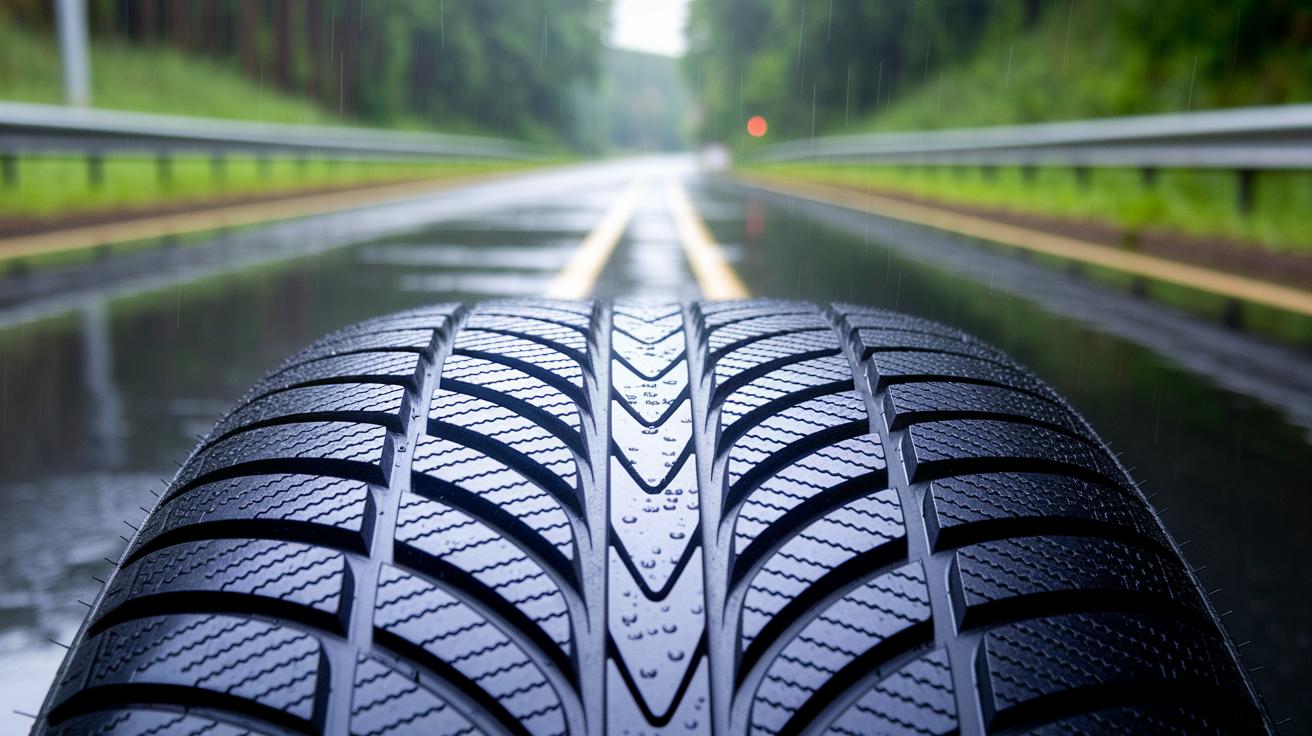
Sport tires designed for wet weather use smart groove layouts that help water leave the tire quickly. Long grooves work like a fast lane, letting water rush away from under your wheel, while side grooves guide it outward. Tiny cuts called sipes (they work like little wipers) along with small microchannels built into the tread work together to break up and spread out water, so the tire keeps a steady grip on the road even when you're zipping along.
| Tread Feature | What It Does | Effect on Grip in the Rain |
|---|---|---|
| Long Grooves | Form a clear path for water | Helps water get off quickly |
| Side Grooves | Steer water away from the tire | Makes the ride more stable |
| Sipes & Microchannels | Break and spread out the water film | Keeps the tire in close contact with the road |
Advanced Rubber Compounds and Grip Chemistry for Wet Conditions
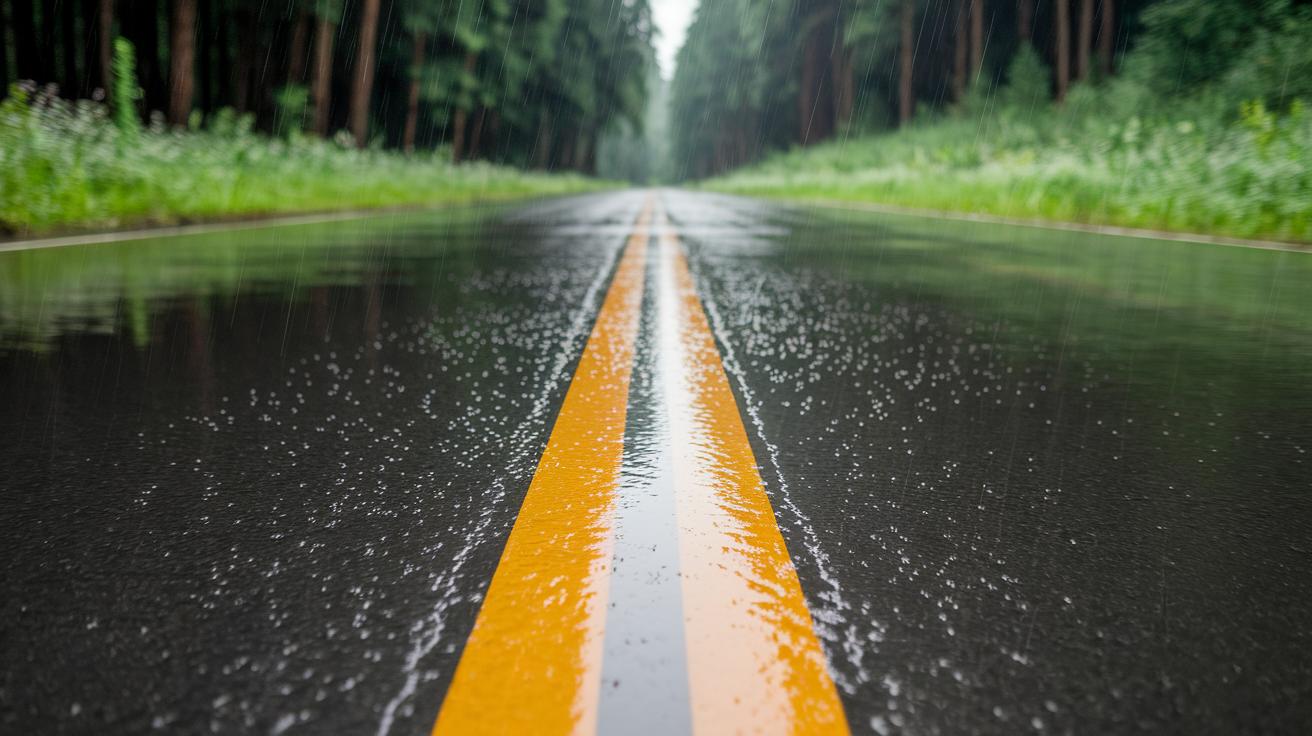
Sport tires made for rainy days use special rubber mixes that help you stay safe on slick roads. They use lots of silica (a key ingredient that boosts a tire’s stickiness on wet surfaces) so every bit of grip counts when it’s pouring.
It’s pretty cool how this works. When temperatures drop between 50°F and 100°F, the rubber shrinks just a bit to keep a steady contact with the road. This little change helps your car handle turns smoothly, even when the rain is heavy.
Tire makers also add extra ingredients that work like a built-in thermostat for your tires. They help manage the heat in the parts that touch the road (this heat is called tread-block temperature). This smart mix keeps the tire flexible in cold, wet conditions, making sure it holds on tight instead of slipping.
So next time you’re driving in the rain, remember how clever tire chemistry helps keep your ride safe and steady. For more details, check out how do high performance tires improve vehicle handling.
Preventing Hydroplaning: Design and Maintenance Strategies
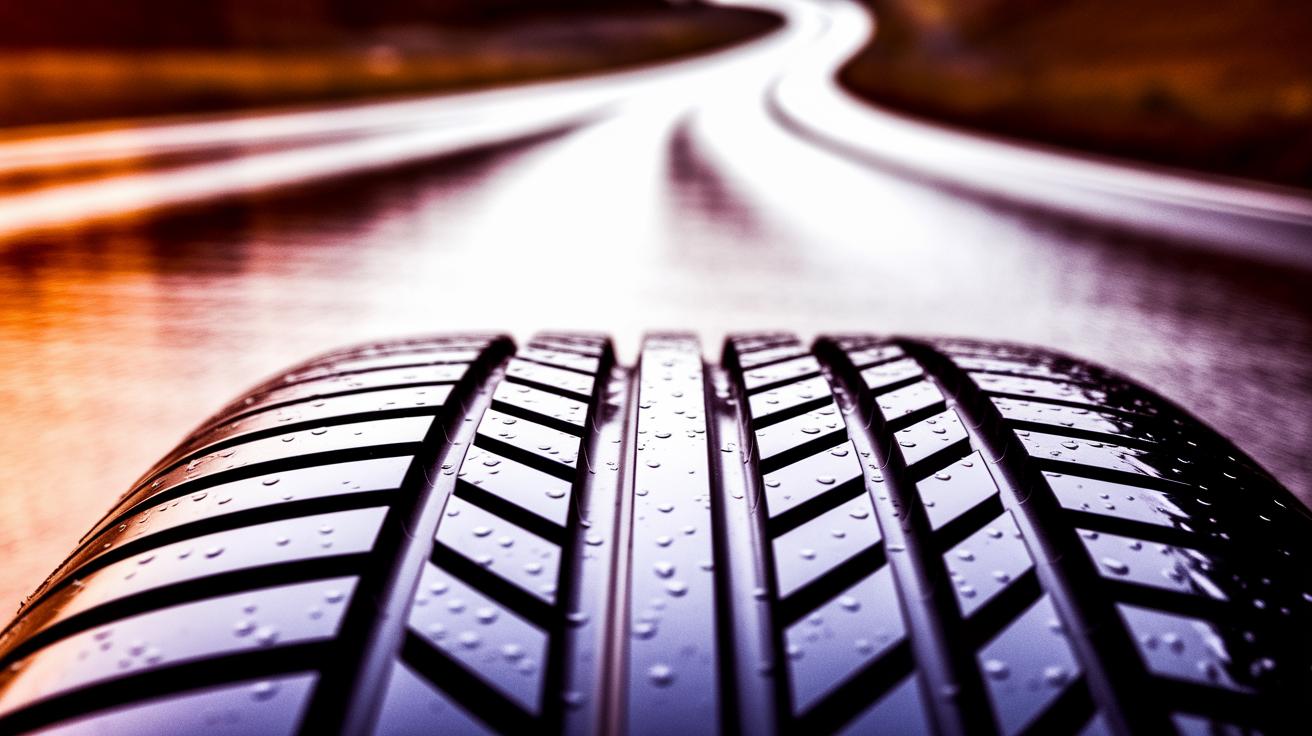
Hydroplaning happens when water builds up under your tires so they can’t grab the road the way they should. Keeping your tread above 4/32 inch is a must, but there’s more you can do to improve how your car handles in the rain.
First, check your tire pressure and temperature regularly. It’s best to do this when your tires are cold, think of it like checking your fuel gauge first thing in the morning before a long drive. This simple step helps you avoid pressure mistakes that can stop water from sliding off your tires.
Next, take a close look at your tread depth and wear patterns. Beyond making sure the tread is above 4/32 inch, watch out for uneven wear or small cracks. If something seems off, it might mean your alignment needs a look.
Also, inspect the rubber on your tires for any bubbles or blocked sipes (those are the small grooves that help improve grip). Even minor issues can change how water flows away from your tire when you’re cruising at higher speeds.
Finally, follow the extra safety tips from your tire maker. Some brands even offer digital tire monitoring systems that send alerts when things change, which can really help when you’re driving in heavy rain.
Adding these extra checks to your routine can help catch small problems before they become big ones, keeping you safer on wet roads.
Comparing Wet and Dry Performance in Sport Tires
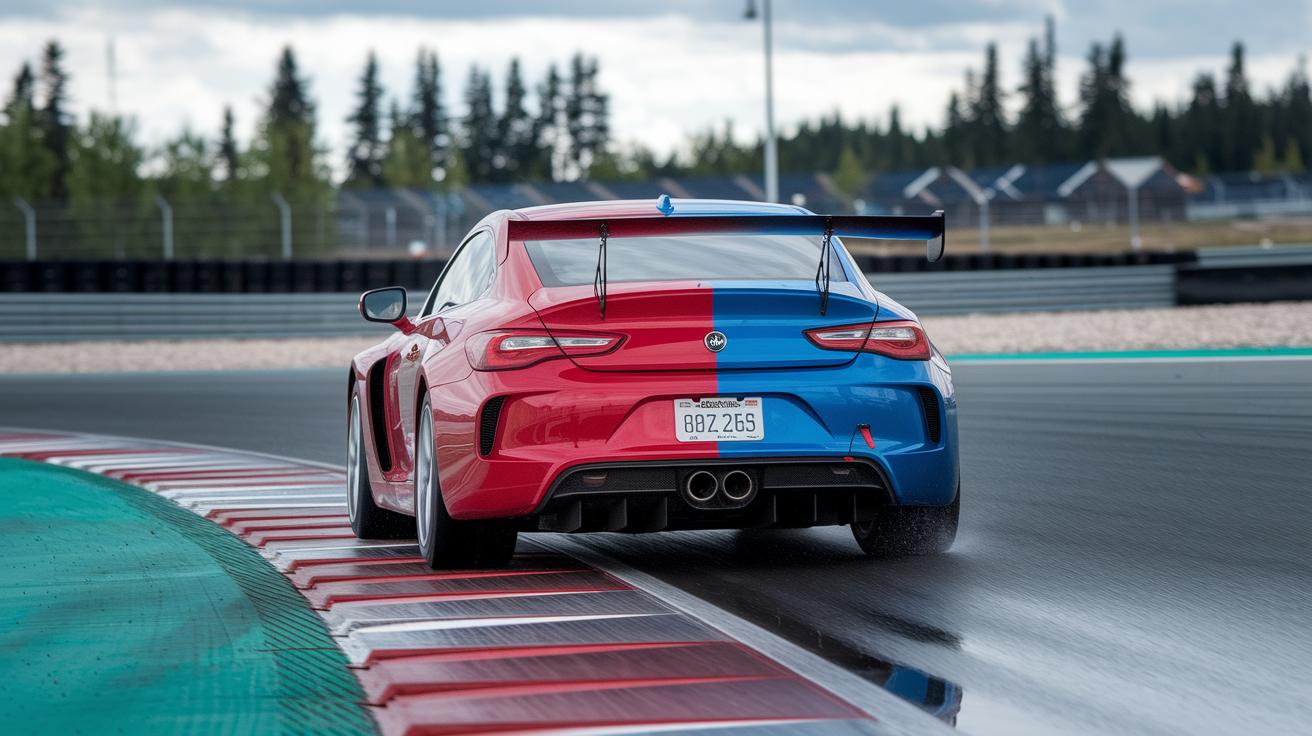
Dry road sport tires are made to hug the pavement tightly. They offer quick, sharp turns and fast stops when the road is clean. Manufacturers design them with bold tread patterns to make sure they hold on well when there’s no water in sight.
Wet tires work a bit differently. They have deeper grooves and extra cuts (sipes, which work like tiny wipers) to move water away from the tire. This helps prevent hydroplaning and keeps the tire in steady contact with wet roads. They might not grip as strongly on dry pavement, but they really come through when it’s rainy.
When you’re braking or taking a curve, the differences become clear. Dry tires let you stop faster on smooth roads, while wet tires are built to keep you safe in puddles or light rain, even if that means a couple more feet needed to stop when it’s dry. Dry tires are firm for quick grip, whereas wet tires stay a bit softer to work better in cool, wet weather.
In the end, your choice depends on the weather you expect. Each tire is tuned to perform best in its own conditions, making your ride safer and more reliable no matter what the day brings.
Real-World Testing and Racing Grip Metrics in Wet Conditions
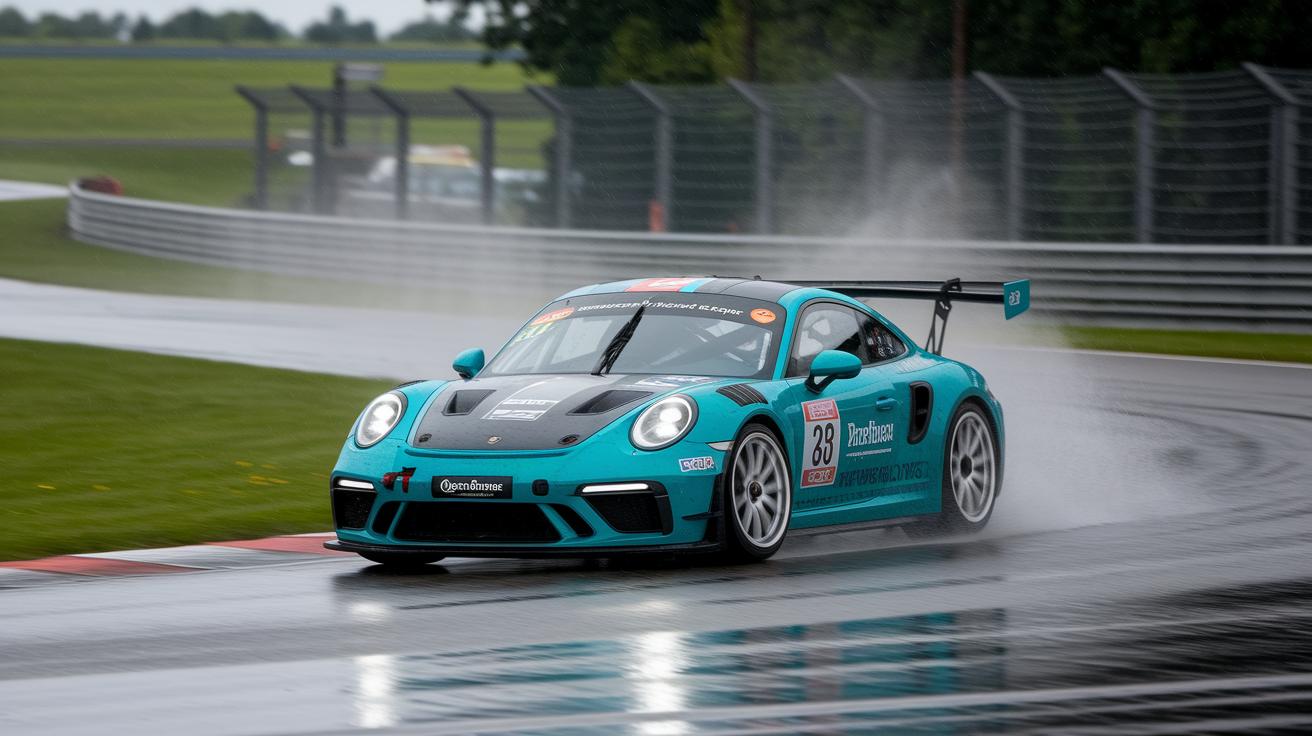
In 2023, NASCAR switched gears by testing rain-tire packages on road courses like COTA and Sonoma, and on short ovals such as Phoenix and Martinsville. These grooved tires aren’t just a stand-in for slicks, they’re built with details to boost grip when the roads are wet.
Race teams have been collecting lap-time data that shows these tires hold their grip much better. For instance, one team mentioned that the improved water-channeling design helps keep a firm, stable patch of tire in contact with the track, even with water on it. This means drivers can get off the line quickly without skidding in the rain.
Race engineers keep a close eye on numbers like braking distances, cornering stability, and endurance over long runs on wet tracks. They look at these details to see how well the tires hold up under different weather conditions. This careful checking is what confirms that smart design choices really do improve grip and balance, even when it’s pouring.
The real-world tests also back up that these tires not only make races safer but also help drivers shave off critical fractions of a second. With every tenth of a second counting on race day, that extra grip and balance can truly make a difference.
Emerging Innovations and Future Trends in Wet-Weather Sport Tires

New breakthroughs in wet-weather sport tires are making slippery roads easier to handle. Tire makers are using tiny, strong materials called nanocomposites (small engineered particles that boost toughness) to make tires last longer in the rain. These materials help the tire stay flexible, even in heavy downpours, so you get a steady grip on wet roads.
Engineers aren’t stopping there. They’re adding little micro-sensors that check the water film (a thin layer of water) in real time. This smart tech gives instant updates on how water interacts with the tire, letting teams quickly make adjustments. And then there are systems that change the tire’s stiffness on the fly to keep it in solid contact with the road, no matter the weather.
Designers are also rethinking the tire’s shape to push water away more effectively. They’re developing multi-layer rubber compounds that stay sticky and responsive during heavy rain while still being tough. These innovations aren’t just ideas, they’ve been road-tested for up to 30,000 miles in all kinds of wet conditions.
All these improvements promise a major boost in how well tires handle wet roads. They set the stage for a new generation of high-performance tires that deliver unbeatable safety and grip when the rain comes down.
Final Words
In the action, the post broke down tire design features like water evacuation channels and specialized compounds that keep your ride safe in wet conditions. It explained how treads, groove layouts, and proper maintenance work together to reduce hydroplaning risks and improve grip on rain-soaked roads.
We wrapped up with real-world testing and the latest auto service insights, all to help you choose and care for tires that deliver unbeatable wet weather performance in sport tires explained. Enjoy the drive ahead.
FAQ
How is wet weather performance of sport tires explained on Wikipedia and Reddit?
Online sources explain that sport tires in wet conditions use advanced tread designs, special rubber compounds, and groove patterns to expel water, reducing hydroplaning and boosting grip on slick roads.
What is the difference between intermediate and full wet tyres in F1 racing?
The difference lies in design and use. Intermediate tyres suit light or damp conditions, while full wet tyres feature deeper grooves and specialized compounds for maximum water evacuation during heavy rain.
How do F1 wet tyres displace water during a race?
F1 wet tyres displace water using intricate grooves and tiny sipes that act like mini wipers. This method channels water away from the contact patch, helping to maintain grip on rain-soaked tracks.
What are the key differences between wet tyres and dry tyres?
Wet tyres are built with deep channels and flexible compounds to expel water and prevent hydroplaning, while dry tyres emphasize a smooth, grippy surface for optimal performance on dry tracks.
How do full wet tires compare to rain tires versus all-season tires?
Full wet tires are designed with aggressive, water-evacuating treads for heavy rain, unlike all-season tires that strike a balance for dry, wet, and light snow conditions.
How do wet racing tires work on a wet track?
Wet racing tires work by using specialized tread layouts and high-silica compounds to optimize water evacuation, keeping the tire in firm contact with the road and reducing the chance of hydroplaning.
Which tires perform best in rain and are sport tires effective in wet conditions?
Tires engineered for rain typically feature deep treads and smart compound choices for efficient water removal. Many sport tires designed for wet conditions offer excellent grip and stability when maintained properly.
What distinguishes wet tires from slick tires?
Wet tires incorporate grooves and sipes for effective water dispersion, while slick tires have smooth surfaces that generate maximum grip on dry roads but are unsafe during rain.

