


Ever wondered if your tires could let you know when they need some attention? Smart tires are a bit different from your regular ones. They have built-in sensors (little tools that check old tire pressure, temperature, and tread wear, which shows how fast the tire surface wears out) working day and night. These sensors send updates right to your car, so it can adjust things as you drive.
In this article, we’re chatting about what smart tires are and how they work to give you a smoother and safer ride. Stick around as we break down the benefits and the neat technology behind this clever idea.
Smart Tires Explained: Definition and Core Functionality
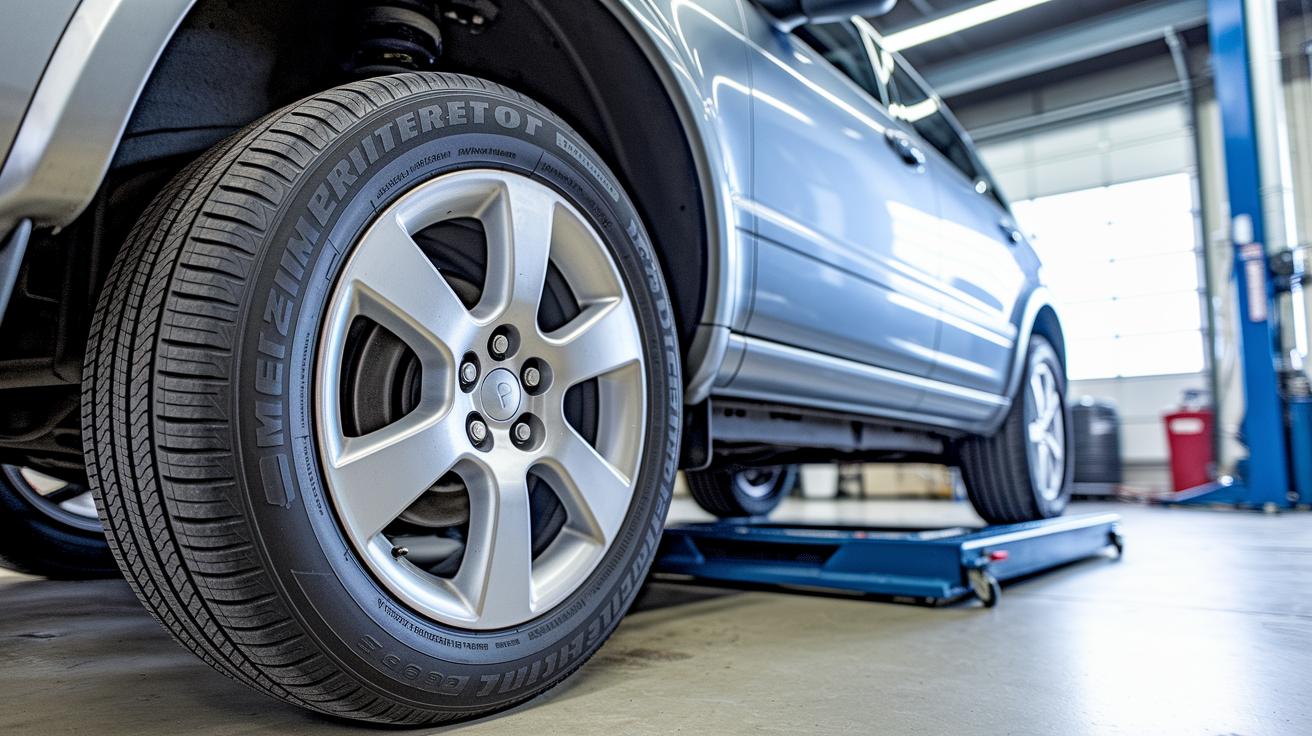
Smart tires aren’t like regular tires. They have built-in sensors and even self-healing rubber (rubber that can fix tiny cuts on its own) to keep an eye on things like tire pressure, temperature, how fast the tread wears (the part that touches the road), weight balance, and grip on the road. They send updates every few seconds, kind of like how your car dashboard gives you real-time information. Imagine getting a quick heads-up if your tire grip changes while you drive.
These sensors work around the clock. They don’t only check if your tires are properly inflated; they also watch over the tire’s overall well-being. Think of it as your tire chatting with your car’s control system, sharing important updates. This helps the car adjust things like braking and cornering on the fly, making your ride smoother and safer.
Unlike older systems that only warn you about pressure, smart tires keep track of many details at once. It’s like having an extra pair of eyes on your tires, always watching closely to let you know how they’re doing during every trip.
Core Components of Smart Tire Systems
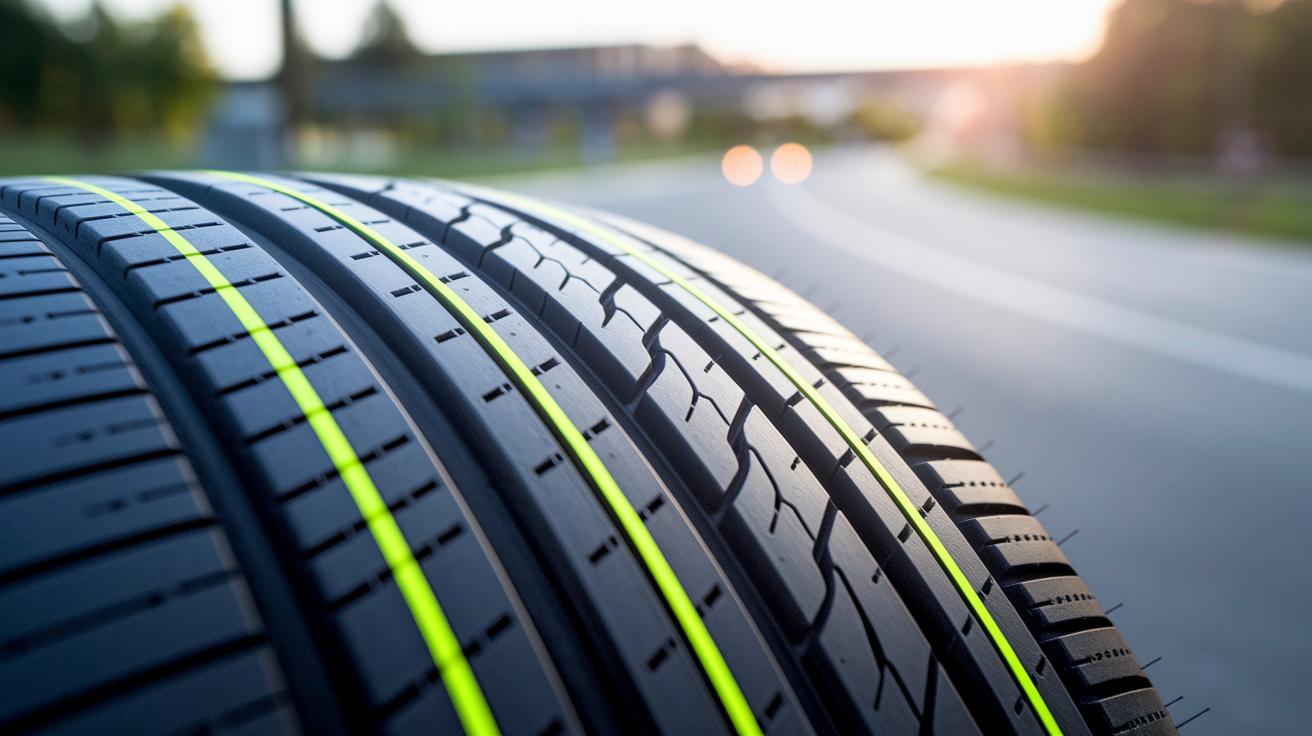
Smart tire systems use modern sensors that keep an eye on how your tires are doing. A popular sensor, the MLX91805, has a strong 800g XZ-axis accelerometer (a tool that measures movement in three directions) that takes up to 10,000 readings every second. This reliable sensor gives us clear updates on tire pressure, temperature, and strain, much like having a friend who always checks in on you.
Inside each tire, a network of sensors works together like a pit crew. They monitor everything, even things like shifts in weight and how fast the tire’s surface wears away (tread wear means how quickly the rubber is used up). This friendly team shares real-time info so you always know your tires are safe and steady.
Another cool feature is self-healing technology. The tire’s rubber is built to fix small punctures by using special ingredients like reversible polymer bonds and microcapsule healing agents. In some cases, these smart materials can restore up to 80% of the tire’s strength in just one day, keeping the tire strong even after minor damage.
Energy harvesting sensors are a neat bonus, too. They turn the tire’s movement into power, which helps run all the advanced sensors without needing constant battery changes. All these parts work together to offer ongoing, real-time updates on tire performance – a smart, self-sustaining system that’s always on the go.
Wireless Communication and Data Analytics in Smart Tires
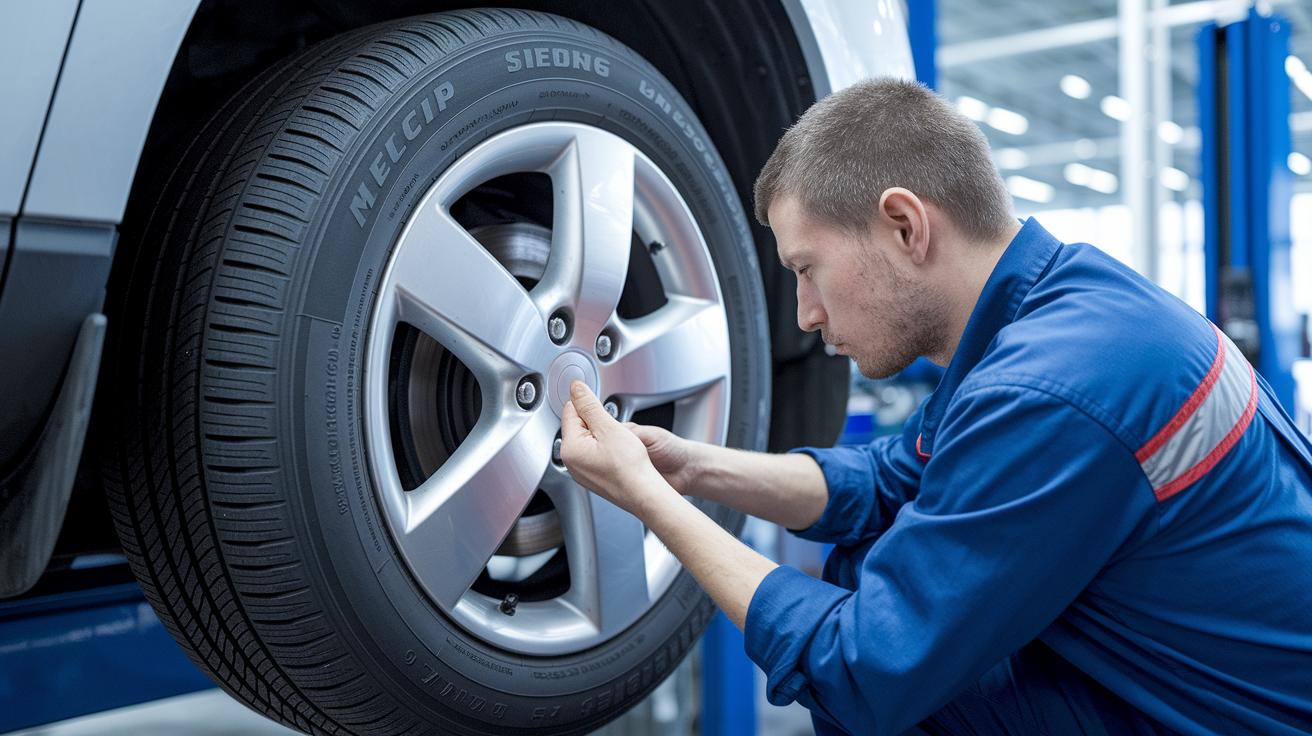
Smart tire sensors hook up with your car's control unit using wireless tech like Bluetooth and special radio signals. They send little data packets every 4 or 5 seconds, giving details like tire pressure, temperature, and strain (how much the tire bends during use). This steady flow of data helps the system adjust braking, cornering, and traction in real time. For example, if a tire loses pressure or the road grip changes, your car can quickly tweak its handling – almost like getting a friendly “Hey, check that tire!” notice.
Telematics plays a big part in this setup. The sensor updates reach dashboards and fleet management systems, offering real-time analytics. Imagine a fleet manager keeping an eye on several vehicles while each tire quietly shares its status. This smart communication not only bumps up safety but also gives drivers a clear view of how their tires are performing in all kinds of conditions.
These live updates build a vital link between smart tires and overall vehicle performance, making every drive a bit safer and smoother.
Smart Tire Benefits: Safety, Efficiency and Maintenance
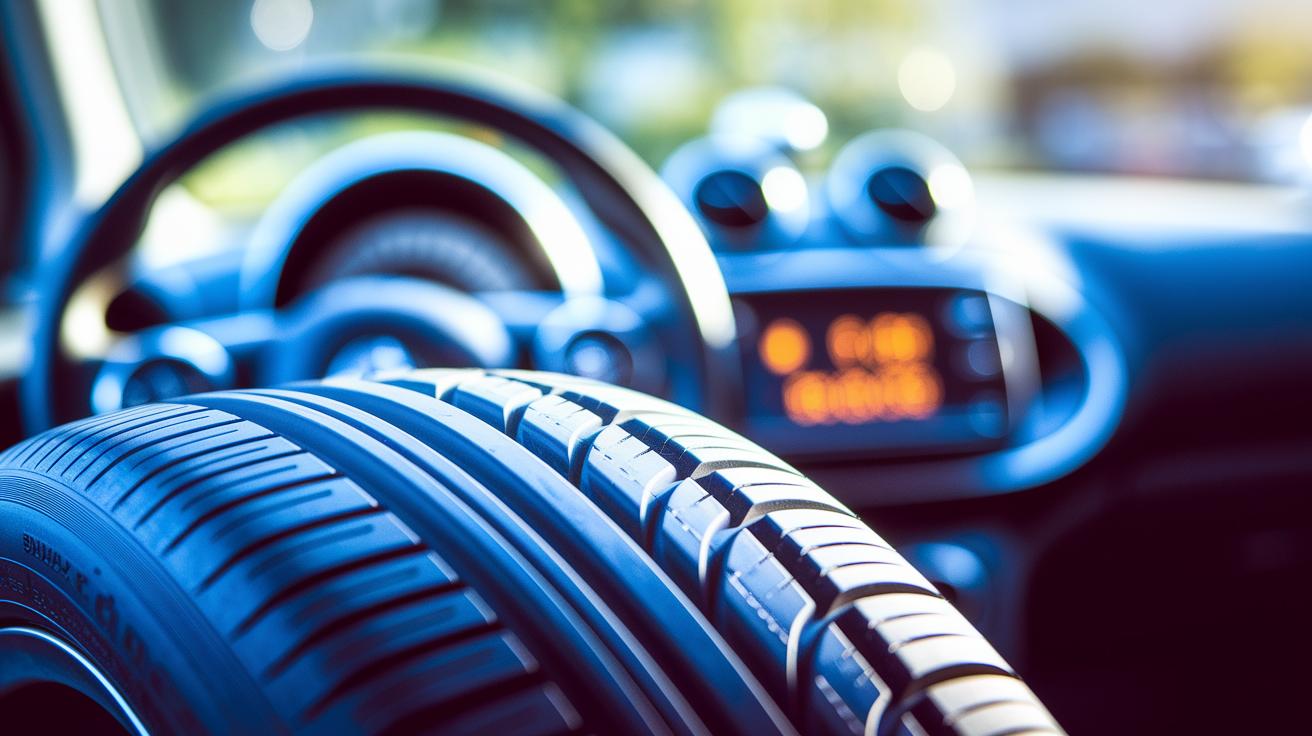
Smart tires give you real-time alerts to keep you safe and prevent surprise repairs. Imagine driving and getting a quick heads-up that one of your tires isn’t holding pressure or is heating up too fast. That kind of alert, like a message saying "Warning: low tire pressure detected!" helps you take care of issues before they turn into a real problem, like a blowout, and keeps your ride steady and secure.
Because these tires constantly check their own air pressure (how much air the tire has), they help you get the best fuel efficiency. For example, keeping your tires at about 75% of the ideal pressure can save you 2–3% on fuel. But if the pressure falls to around 50%, you might see your fuel economy drop by up to 10%. In other words, these smart systems make it easier for you to keep your tires at the right level, helping you save money at the pump.
These tires also watch how the tread wears down over time. Sensors keep an eye on the tire’s surface (the part that touches the road) so you can fix small problems early before they become costly repairs. This means fewer maintenance visits and less downtime.
And there’s more. When road conditions change, like when it’s raining or the road becomes slippery, smart tires adjust their grip to give you safer braking and more reliable control. This kind of dynamic traction control helps you handle sharp turns and emergency stops with confidence.
The benefits don’t end there. Smart tires also come with features that predict when you might need a check-up, so minor issues don’t turn into expensive fixes. Some even have self-healing technology, where tiny punctures can fix themselves automatically, an especially handy feature for electric vehicles.
- Enhanced road-hazard alerts and safer braking
- Improved fuel economy with the right air pressure
- Longer tread life thanks to real-time wear checks
- Better grip in changing road conditions
- Predictive maintenance to avoid unexpected downtime
- Fewer spare tire needs for EVs with self-healing tech
Smart Tires vs. Traditional TPMS
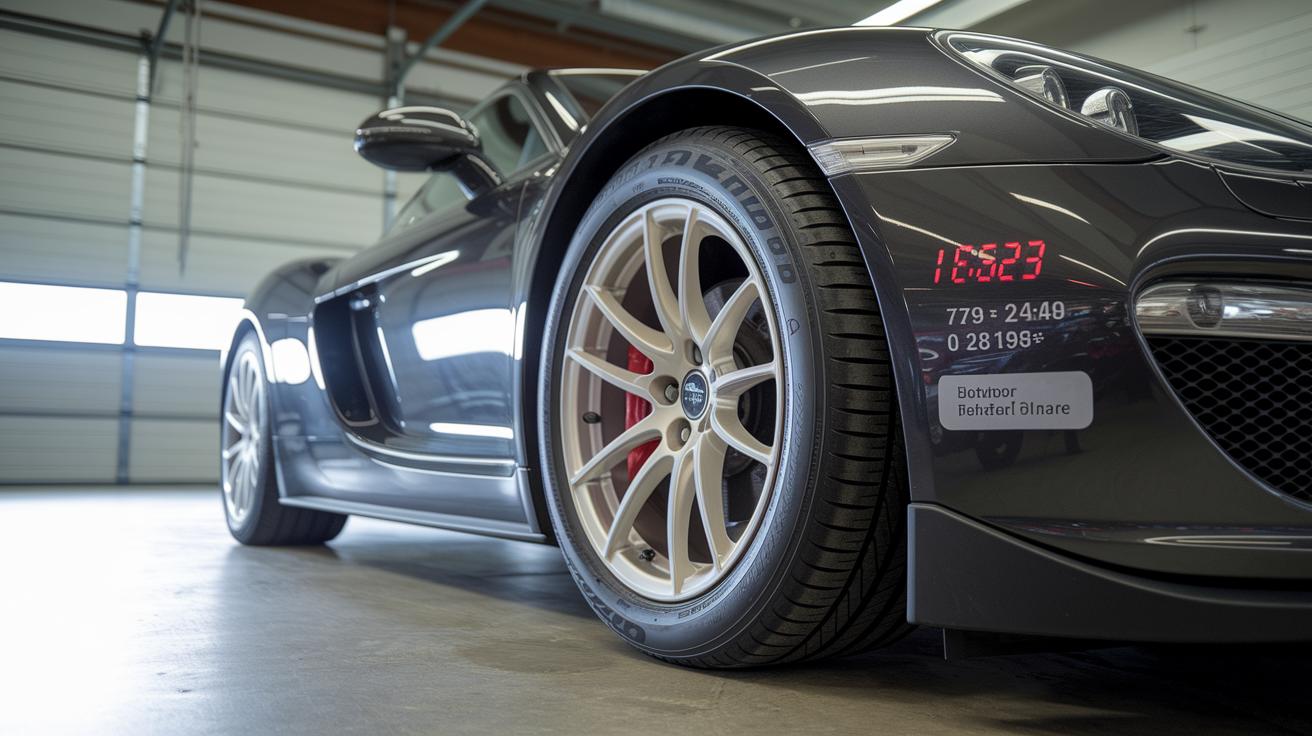
Traditional TPMS has been in U.S. cars since 2008. These basic systems use simple sensors that only alert you when the tire pressure gets too low. They run on batteries that usually last 5 to 10 years. It’s a bit like having a basic alarm that only sounds when something’s clearly off.
Smart tire systems take things further. They use advanced sensors that keep checking your tire’s pressure, temperature, and even how fast the tire surface is wearing down (how quickly the tread erodes). Imagine getting a text from your tire saying, "Your right front tire is wearing out faster than expected. Please check it out." These sensors send updates nonstop over wireless signals, helping you spot issues early and plan your maintenance.
There are more differences too. Regular TPMS sensors may lose battery power or weaken over time. Smart sensors, however, often adjust themselves and give more reliable readings over the long run. While smart systems might cost a bit more upfront, they often save you from unexpected repairs and keep your tires performing better overall.
| Feature | Traditional TPMS | Smart Tire Systems |
|---|---|---|
| Monitoring | Only alerts for low tire pressure | Checks pressure, temperature, tire wear, and performance |
| Sensor Life | 5–10 years (battery powered) | Advanced sensors that self-calibrate |
| Data Transmission | One-time alerts | Continuous wireless updates |
| Cost-Benefit | Lower cost with limited info | Higher initial cost but long-term savings |
• Traditional TPMS only warns you about low pressure.
• Smart tires monitor several factors all the time.
• Smart sensors give detailed alerts so you can handle maintenance early.
Experts say that having more detailed data from smart tire systems not only improves tire performance but also boosts safety over time. It’s a clear step forward in how we look after our tires.
Applications of Smart Tire Technology in Vehicles and Fleets
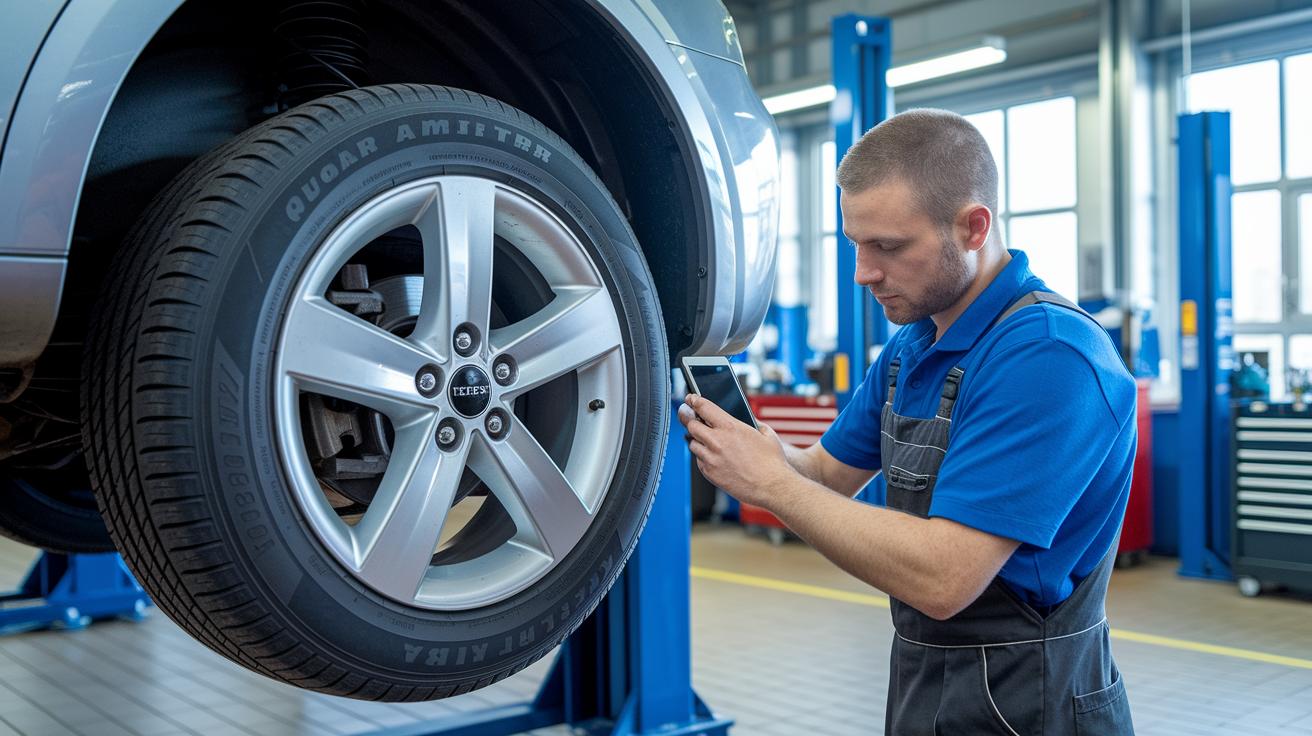
Smart tires are changing the way we drive. They connect to your car wirelessly and share real-time updates about each tire's condition. It’s almost like having a friendly mechanic riding along, letting you know when your tire pressure is spot on or hinting that the tread (the part that touches the road) is wearing down.
For fleet managers, this technology is a real lifesaver. They can easily check on the condition of tires across many vehicles at once. This means they can plan maintenance early on and avoid those long, unexpected stops at the shop, saving both time and money.
Even electric and performance cars benefit from smart tires. These tires adjust their grip based on the road conditions (think of it as the tire’s way of keeping a steady hold on the road), which helps improve range and handling. In short, smart tires are making every journey safer and smoother while boosting efficiency across the board.
Market Trends and Future Outlook for Smart Tires
The global tire market is on the rise. Experts expect tire sales to grow from 2,321.3 million units in 2022 to 2,741.2 million units by 2028. That means a steady 2.88% growth every year. Meanwhile, the eco-friendly and tech-smart tire segments are projected to rocket ahead at a 16.87% rate until 2030. It’s clear that digital smart tires are changing the game in how tires are made, tracked, and cared for.
New tech is popping up all over the place. Take adaptive micro-compressors, for example (these little tools adjust tire pressure on the go). They boost safety and fuel efficiency. Then there are self-healing compounds that fix small punctures almost by themselves, saving you time and money. Next, sensors are becoming super smart by tracking tire performance in real time, which helps predict when a tire might need attention. Imagine a cloud-connected dashboard that lets you check your tire data instantly, making maintenance a breeze. As cars get more connected and automated, these smart tire trends will perfectly match up with the future of driving.
These cool tech advances are paving the way for a future where smart analytics can keep an eye on tire health all the time. For more insights, see Future trends in automated tire inspection systems.
Manufacturers are working on blending next-gen sensors and cloud computing to bring you data-rich insights on the fly. This means better safety, smoother rides, and more efficient journeys for drivers everywhere.
Final Words
In the action, we explored smart tires, from their built-in sensors and self-healing rubber to wireless data analytics and predictive maintenance that set them apart from basic TPMS. We covered everything that makes these tires special, including real-time diagnostics and enhanced safety features. This guide offers clear insights into what are smart tires and how do they work, helping you make the best choice for safety and performance. Enjoy safer rides and confident driving with smart tire technology.
FAQ
What is the smart tire price?
The smart tire price reflects the advanced sensor and self-healing technology used in them. Prices vary by brand and features, with these tires generally costing more than traditional options.
What is SMART Tire net worth?
The SMART Tire net worth refers to the overall brand value based on its innovative technology and market performance. Exact figures are often not publicly disclosed and can change over time.
What are intelligent tires?
Intelligent tires use built-in sensors to monitor pressure, temperature, and tread wear. This real-time data helps drivers maintain better tire condition and improve overall vehicle safety.
What happened with the SMART Tire Shark Tank update?
The SMART Tire company gained attention on Shark Tank for its breakthrough tire technology. Its investment status and company updates change over time as the business grows and evolves.
How does a smart tire pressure monitor work?
A smart tire pressure monitor continuously checks tire pressure using embedded sensors. It sends real-time alerts to your vehicle, offering greater detail than traditional warning lights.
What is a nickel titanium bicycle tire?
A nickel titanium bicycle tire combines advanced metal materials with modern design. This mix improves durability and grip while offering better stress management during rides.
What is new tire technology?
New tire technology now includes smart sensors, self-healing compounds, and real-time data monitoring. These features improve safety, fuel efficiency, and help extend tire life compared to older designs.
Can I fill my nitrogen tires with regular air?
Filling nitrogen tires with regular air is possible, but mixing gases can reduce the benefits of nitrogen, which helps maintain more stable tire pressure over time.
How long will airless tires last?
Airless tires typically match the lifespan of traditional tires. Their durability depends on driving habits and road conditions, making proper care key to lasting performance.
How long do smart tires last?
Smart tires usually last as long as high-quality standard tires. Their longevity is influenced by road conditions and regular upkeep, with built-in tech not cutting their durability.
How do smart tires work?
Smart tires operate using embedded sensors that collect data on pressure, temperature, and wear. This information is wirelessly sent to your vehicle, giving you real-time insights for better tire performance.

