


Have you ever felt your car shake like it was missing a steady rhythm? Tire balancing fixes that by spreading weight evenly across your wheels, so your ride feels much smoother. It’s like having a see-saw where every side is perfectly even.
This simple service takes the rough feeling out of steering or sitting and even helps your tires wear out at the same rate (tread wear means how quickly the outer surface of your tire breaks down). In this piece, we break down how tire balancing works and share why it makes every drive safer and more comfortable.
Tire Balancing Explained: Function, Benefits, and Process
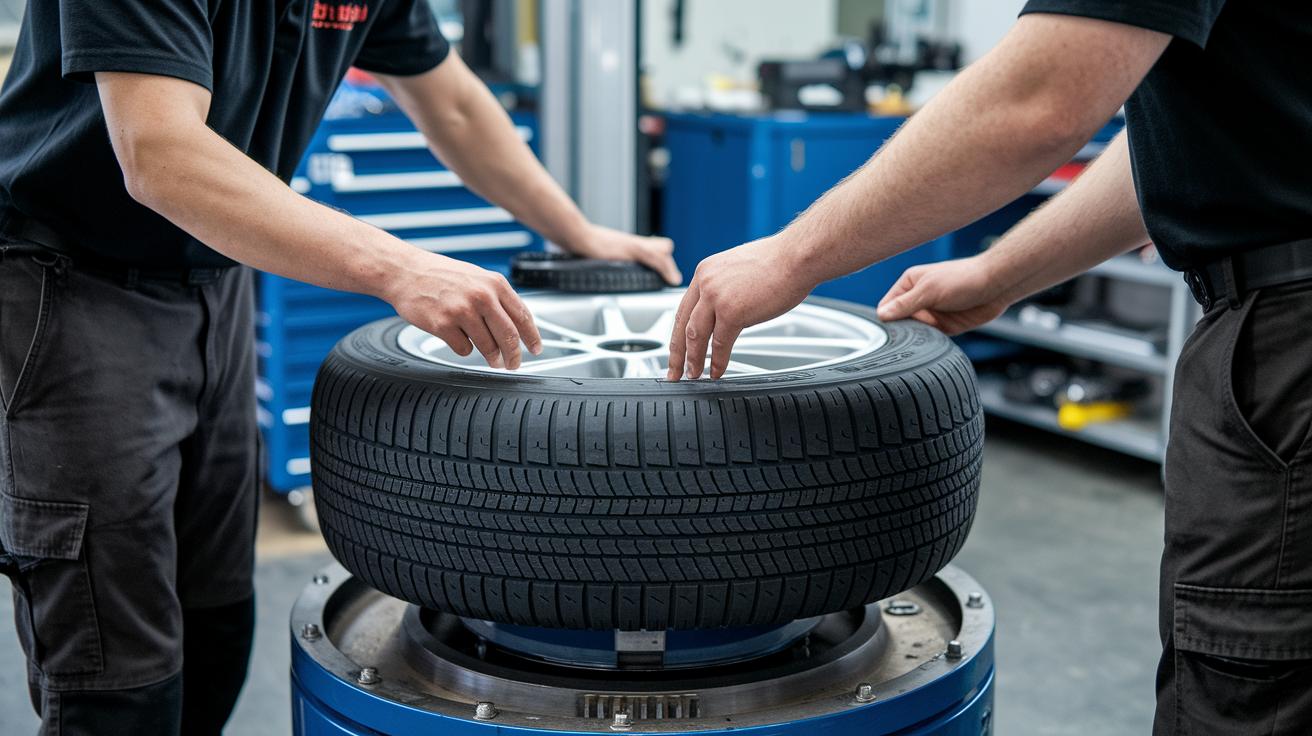
Tire balancing is all about spreading the weight evenly across your wheels and tires so you don’t feel unwanted shakes or wobbles at high speeds. A skilled technician puts your tire on a special spinning machine that helps pinpoint where extra weight is causing trouble. They then add tiny metal weights (little pieces meant to balance out uneven spots) on the opposite side to fix the issue.
This process makes your ride feel much smoother by getting rid of vibrations that could jerk your steering wheel or shake your seat. It’s like finding the perfect balance on a see-saw; when everything is even, your car can perform steadily, even at highway speeds.
In short, a balanced tire not only boosts your comfort but also helps your tires wear evenly over time. That means a safer, smoother, and longer-lasting ride every time you hit the road.
Signs Your Car Needs Tire Balancing: Identifying Imbalance Symptoms

Sometimes your car just doesn’t feel right when you're driving. You might feel a little shake or notice that the ride isn’t as smooth as usual. It’s like your car is whispering that something’s off with the balance of your tires. Getting them checked early can help avoid a bigger problem later.
- If your steering wheel starts to tremble when you go over 50 mph, your front tires might need a balance.
- If you feel a shake in your seat or on the floor, it could mean the rear tires are off balance.
- Look for uneven worn-out treads; if one side of a tire seems to wear down faster, it’s a clue.
- An increase in road noise during your drive can also hint at tire imbalance.
- If you notice that parts like your suspension begin to wear out sooner than expected, it might be linked to your tires.
- And if there's a sudden vibration right after getting new tires, that's another sign signals a balance issue.
Seeing one or more of these signs means it might be time to have your tires balanced for a smoother, safer ride.
Tire Balancing Process and Equipment: A Step-by-Step Guide

First, your technician takes the wheel off your car and places it on a computerized balancing machine. This machine spins your wheel at up to 200 rpm while its smart sensors look for any heavy spots (small areas where extra weight might be causing shakes). It’s much like a friendly check-up that spots little issues before they become bigger problems.
Next, the technician clips on small metal weights right across from the heavy spots found during the spin. Think of it like putting a counterweight on a seesaw so everything stays level. This step is key to making sure the weight spreads out evenly, which means your ride stays smooth.
Then the machine gives the wheel another spin to make sure the imbalance is reduced to less than 0.05 ounce per inch. This careful re-check feels like fine-tuning a radio so every note sounds just right. With this step, you can expect less vibration and a more stable drive.
Finally, once everything is balanced, the wheel goes back on the car and gets secured with lug nuts tightened to the manufacturer’s specs. Typically, each wheel takes about 10 to 15 minutes to complete this process, making it a quick and effective way to improve your overall driving comfort.
Tire Balancing Frequency: When and How Often to Balance Tires

Balancing your tires is key to keeping your ride comfortable and safe. Experts say it’s a good idea to get your tires balanced every 5,000 to 7,000 miles or at least once a year. You should also have them balanced when you put on new tires, after fixing a flat, or during your regular tire rotation. This simple check helps your tires wear evenly and keeps extra stress off your car’s suspension.
| Service Event | Recommended Interval |
|---|---|
| Routine Maintenance Check | Every 5,000–7,000 miles or annually |
| New Tire Installation | Immediately upon installation |
| Seasonal Tire Rotations | With each tire rotation |
| After Flat Tire Repairs | Post-repair to maintain balance |
Following these simple guidelines means you’re set for smoother, safer trips and you can help your tires last even longer without some unexpected expenses along the way.
Tire Balancing vs Wheel Alignment: Understanding the Differences
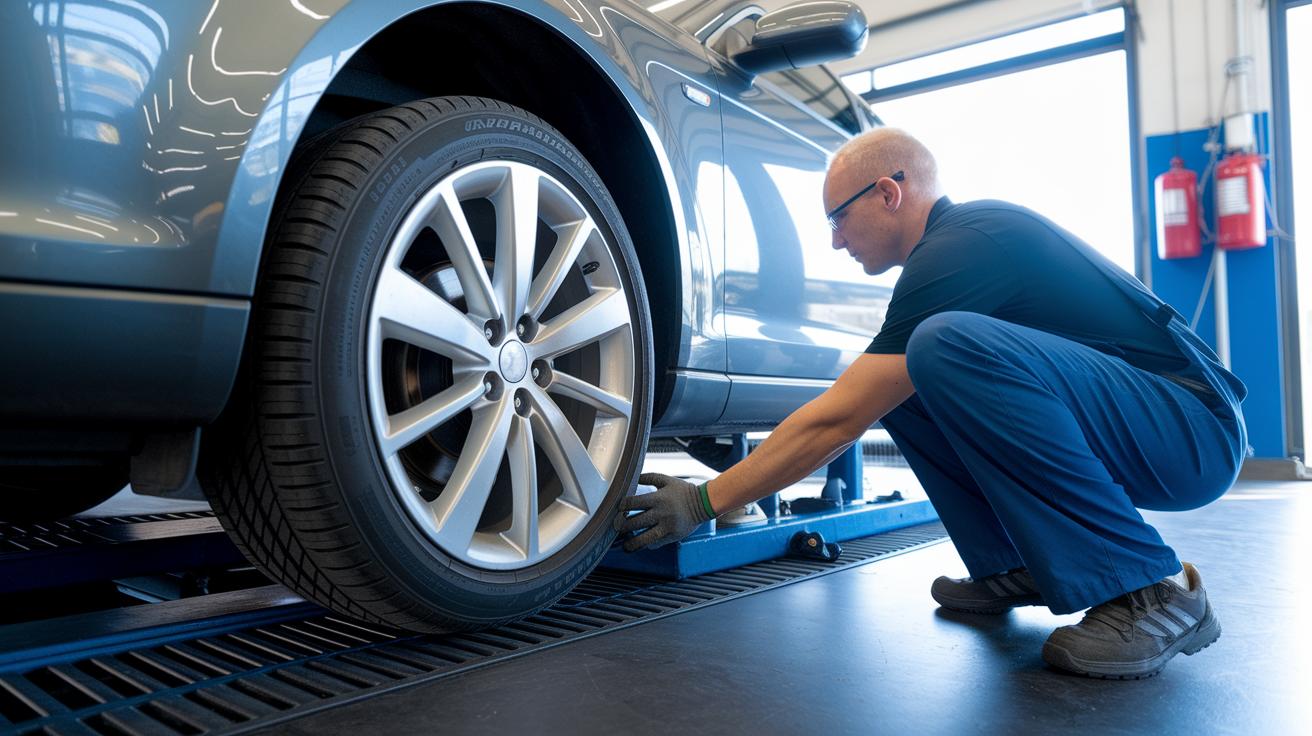
Ever felt a little shake or wobble on the road? That’s often a sign that your tires need some attention. Tire balancing makes sure the weight on your wheels is spread out evenly. A technician will use a computerized machine to spot any heavy spots and then add tiny weights to keep things smooth. This means fewer vibrations and more even tire wear (the gradual wearing down of your tire’s surface).
Wheel alignment, on the other hand, is about how your tires line up with each other. Technicians adjust the angles, like camber, toe, and caster (basic settings that affect how your car steers), to match the manufacturer’s guidelines. When your wheels are aligned, your car tends to go straight and smooth without any unwanted pulls to one side.
These services work like a team. Balancing stops shakes, while alignment keeps your ride true. Many service centers also include tire rotations with these processes to help all your tires wear evenly over time. Using both together means your car runs better, your tires last longer, and that drive feels just right.
Benefits of Tire Balancing: Ride Comfort, Tire Longevity, and Fuel Savings

Balancing your tires properly smooths out your ride and keeps your drive comfortable. When weight is evenly spread around the tire and wheel, your steering wheel stays steady and you can feel the car moving smoothly over every road. It’s like having a well-tuned engine that just makes everything run better. Plus, a smoother ride means less driver fatigue so you can enjoy every mile without distraction.
Keeping your tires evenly weighted also helps them last longer. When the tire wear is balanced, you can get up to 20% more miles out of them. That means fewer visits to the shop and less money spent on replacements. This even wear helps keep the tire tread (the surface of the tire that touches the road) in good shape, which stops early damage from creeping in.
Balanced wheels also lower the energy your car uses. When the tires face less resistance as they roll, your vehicle uses fuel more efficiently, up to around 2% better over time. That little bit of extra efficiency really adds up on long trips and daily commutes. Many drivers choose professional services, like those from Tire Tech and Auto Repair Center, to keep their rides smooth, extend tire life, and lower fuel bills.
Final Words
In the action, this article breaks down tire balancing, explaining what does tire balancing do for your ride. It covered how balancing smooths out vibrations and preserves essential tire life. The text highlighted signs like uneven wear and why regular checks keep your vehicle safe. The step-by-step process shows you what happens behind the scenes at a shop. Balancing not only boosts ride comfort but saves on fuel and prevents extra wear. It’s a smart way to keep your vehicle ready for the road ahead.
FAQ
Tire balancing vs alignment
The difference between tire balancing and wheel alignment is that tire balancing evens out weight distribution to reduce vibrations, while alignment adjusts suspension angles to keep the car driving straight and wearing tires evenly.
What does tire balancing do?
The process of tire balancing evens out weight around the wheel and tire, reducing vibrations and providing a smoother ride. Online chatter even points out that balanced tires lead to noticeable improvements in ride comfort.
Tire balancing near me
The term tire balancing near me refers to locating local service centers that perform this procedure. A quick online search or phone call to a nearby tire shop easily finds a convenient service option.
Is tire balancing necessary?
The idea that tire balancing is necessary comes from its role in reducing vibrations, preventing uneven tire wear, and easing suspension stress. It helps ensure safety and improves overall driving comfort.
Tire rotation vs balancing vs alignment
The differences are clear: tire rotation moves tires between positions to equalize wear, balancing corrects weight issues around the wheel, and alignment adjusts the suspension settings for a straight, stable ride.
When to do wheel balancing and alignment
The timing for wheel balancing and alignment includes installing new tires, after tire rotations, or following any tire repairs. Doing these services at the right time keeps your car handling properly.
How to balance tires yourself
The idea of balancing tires yourself sounds doable but is tricky; it requires special equipment and accurate measurements. Most drivers find that professional service guarantees the correct, safe balance.
How do I know if my tires need balancing?
The signs that indicate tires need balancing include noticeable vibrations at higher speeds, uneven tread wear, and loud road noise. These symptoms suggest it’s time to have them professionally balanced.
What happens if you don’t rebalance tires?
The outcome of not rebalancing tires includes persistent vibrations, uneven tire wear, and potential suspension damage, all of which can lead to a less comfortable and less safe driving experience.

