


Ever thought a simple tire swap might give your car a smoother ride and boost its safety? Rotating your tires is like balancing a team, it helps spread out the wear evenly. When you switch them from the front to the back, they tend to last longer and handle all sorts of weather better.
This small step not only stretches out your tires' life but also makes your ride feel steadier and even saves you some fuel. So next time you're checking your car, consider giving your tires a little rotation. The benefits might just surprise you.
Understanding What Tire Rotation Does

Tire rotation means moving your tires from one axle to the other, like swapping the front tires with the back ones, to help them wear down evenly. For front-wheel drive cars, the front tires get extra wear from handling the car’s torque, friction, and braking. This simple switch helps balance out that extra stress over time.
When you swap the tires in a set pattern, you lower the chance of your tires wearing out too soon. New tires, especially, need a rotation at around 5,000 miles because if you keep them in the same spot, the fresh tread can wear down unevenly.
Regular tire rotation is a must-do part of keeping your car in top shape. When your tires wear evenly, you get better traction, smoother handling, and improved braking. It not only helps the tires last longer but also boosts your vehicle’s stability and fuel efficiency, making your driving experience safer and more reliable.
Tire Rotation Benefits: Enhancing Performance, Safety, and Efficiency
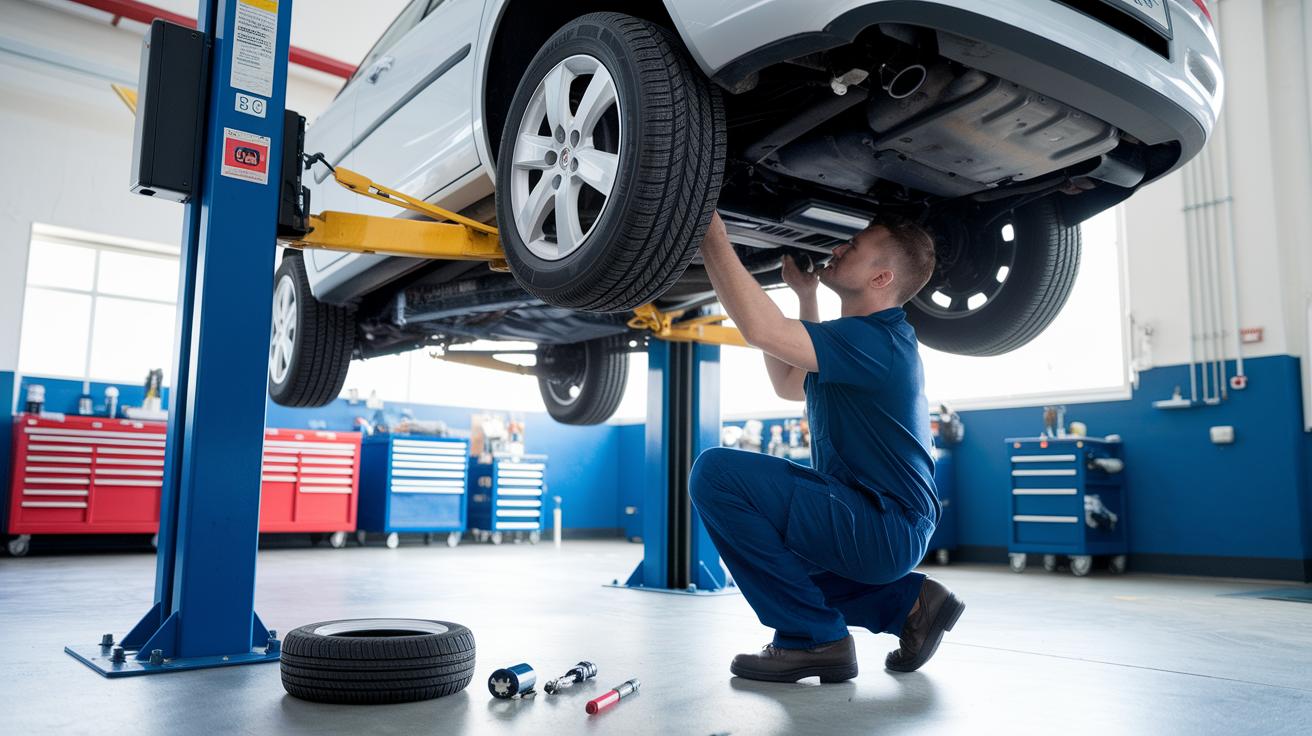
Tire rotation is a quick, easy step that makes a big difference. Rotating your tires helps them wear evenly, which means you get better handling and improved safety no matter the weather. It’s like giving your car a little tune-up so it always feels balanced and secure.
Rotating your tires regularly helps in several ways:
- Tread Life: Moving tires around keeps the wear even, so they last longer. While you're at it, check your tire pressure too, it can catch small issues before they become big.
- Handling: When tires share the work, you get a steady grip. This means your car feels more stable when turning or braking, especially on wet or icy roads.
- Fuel Efficiency: Evenly worn tires reduce rolling resistance. That can save you up to 3% on fuel. One driver even noticed better mileage in winter after keeping up with rotations.
- Safety: Uniform tread means your tires hold on well in all conditions, lowering the chance of skids or accidents.
- Cost Savings: By preventing uneven wear, you're not forced to replace tires too soon, which saves you money over time.
In short, regular tire rotations, along with routine pressure checks, not only boost performance but also extend the life of your tires. It’s a bit like giving your wheels a regular pit stop, it helps you avoid surprises and keeps your ride safe and efficient.
Tire Rotation Frequency: How Often to Swap Your Tires
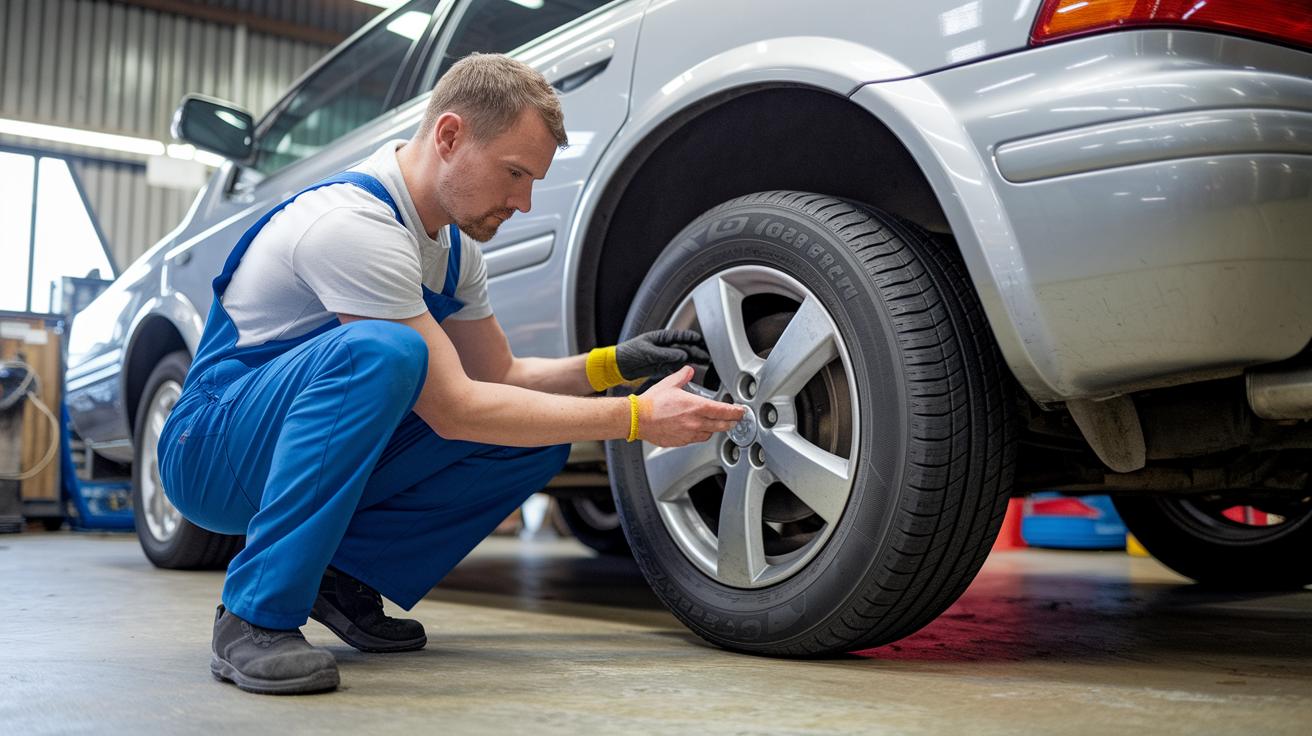
Most experts say you should change the order of your tires every 5,000 to 7,000 miles or about every six months, whichever comes first. New tires, for example, really benefit from a rotation around the 5,000-mile mark to make sure they wear evenly.
When you line up your tire rotation with an oil change or other routine checks, it keeps everything simple and helps your tires grip the road evenly. This regular swap not only makes your ride smoother but can also help your car use fuel more gently.
It’s a small step that boosts your car’s safety and might even save you some cash in the long run.
Tire Rotation Patterns: Common Procedures Explained
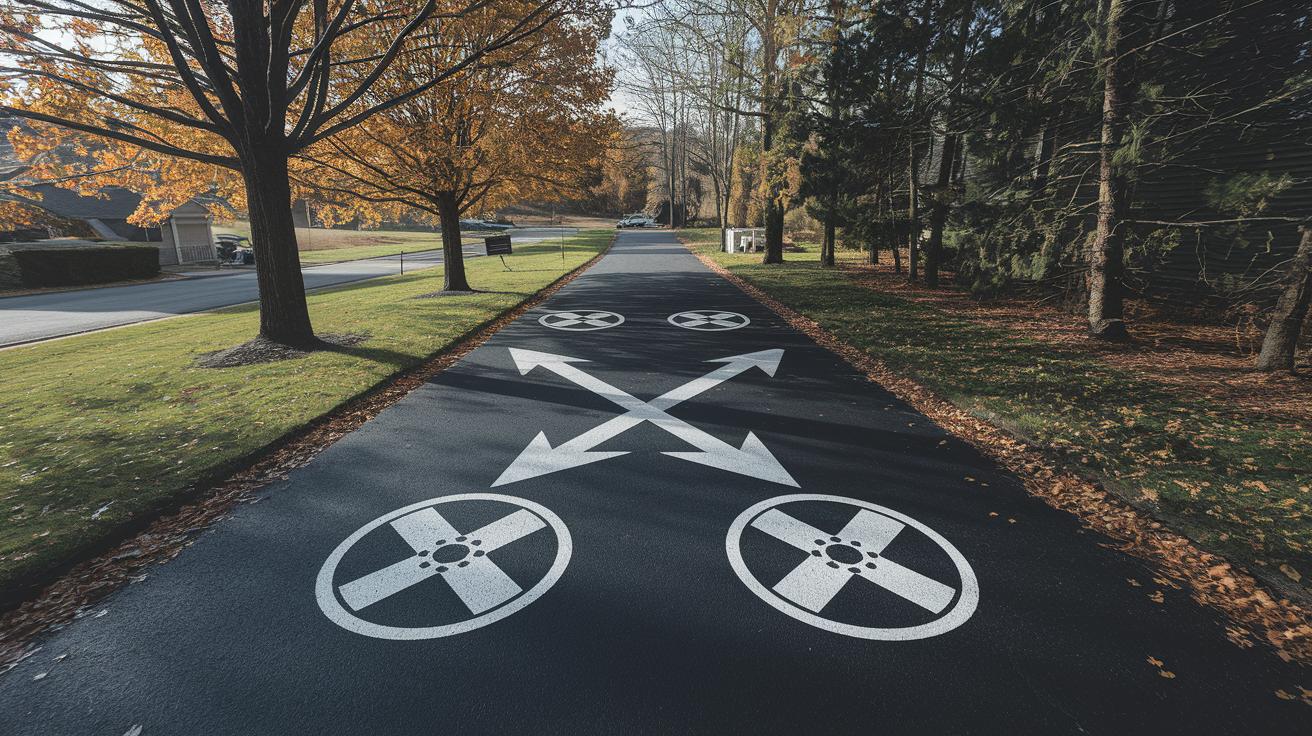
Forward Cross
In a forward cross rotation, the front tires move straight back to the rear, while the rear tires swap over to the front. This is the most popular method for front-wheel drive cars. It helps balance the extra wear on those front tires, which deal with more engine power and braking pressure. It’s a bit like swapping seats during a road trip so everyone gets a fair view.
Rearward Cross
For cars with rear-wheel drive or some 4-wheel drives, the rear tires move to the front while the front tires cross over to the back. This pattern takes care of the extra wear that comes from the rear tires doing more heavy lifting. Think of it as switching roles in a team relay to keep each runner fresh.
X-Pattern
The X-pattern rotation is best for all-wheel and 4-wheel drive systems. Here, every tire moves diagonally from one corner of the car to the opposite corner. This method spreads out the wear evenly by mixing up the stresses each tire faces. It’s like giving each team member a chance to try different positions in a game.
Side-to-Side
This method works well if you have performance tires or tires that are not the same size. The tires simply switch positions on the same axle while keeping the direction of the tire tread steady. It’s an easy swap, just like switching places with a neighbor to keep things balanced.
Five-Tire Rotation
If your car has a full-size spare tire, a five-tire rotation brings it into the mix. The spare tire joins the other four in the rotation, usually following either a side-to-side or X-pattern swap. This way, every tire gets a fair share of the road’s demands.
| Pattern | Drivetrain/Use | Tire Type |
|---|---|---|
| Forward Cross | Front-Wheel Drive | Non-Directional |
| Rearward Cross | Rear/4-Wheel Drive | Non-Directional |
| X-Pattern | All-Wheel/4-Wheel Drive | Non-Directional |
| Side-to-Side | Any Drive | Directional/Performance |
| Five-Tire Rotation | All Drives | With Full-Size Spare |
Tire Rotation Service: DIY vs Professional
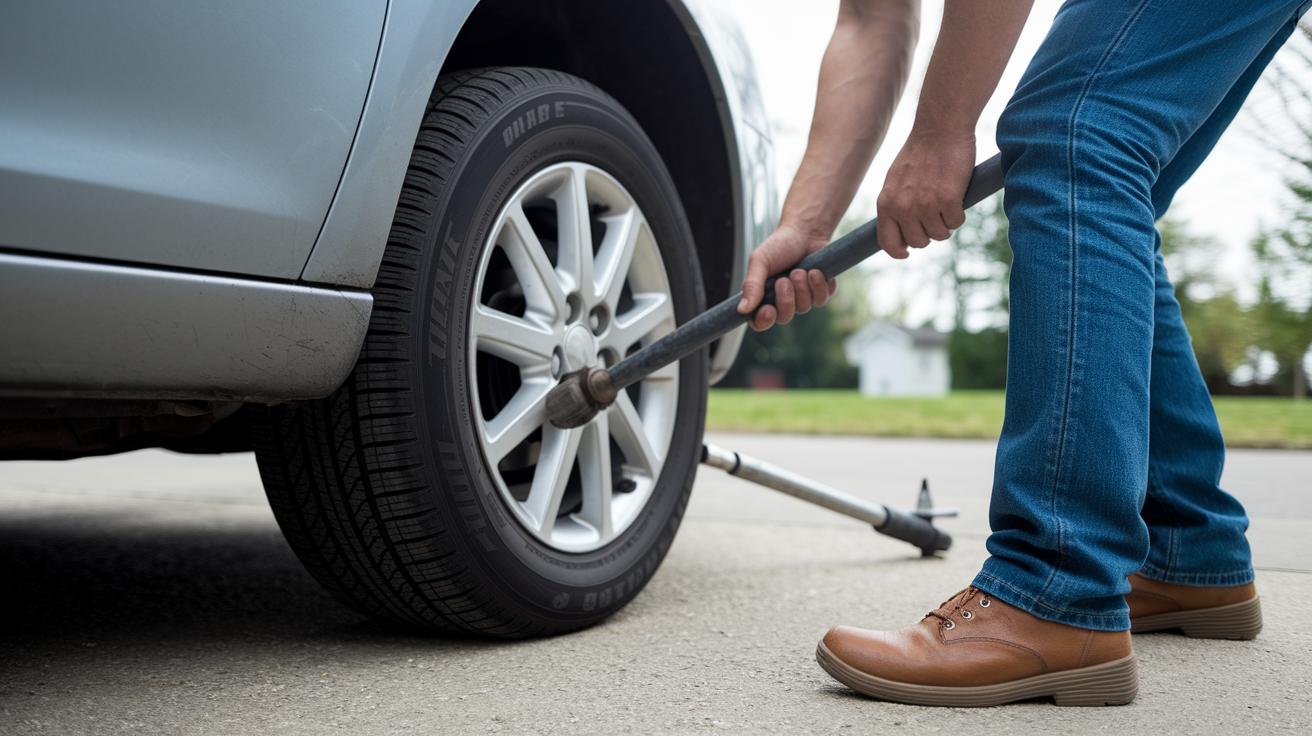
Rotating your tires at home might seem like a smart way to save a few bucks. If you’re comfortable with using a jack and have the right tools, it can work fine. But if you miss a step or don’t have tools like a torque wrench (a tool that helps tighten bolts to the right tightness), you risk uneven tire wear. Even a tiny mistake can lead to balance problems or affect how well your car grips the road, which could cost you more later when you need new tires or worse, create safety issues.
On the other hand, taking your car to a professional service center really has its perks. They have all the proper equipment to check each tire’s balance and inspect for any wear while following the exact rotation pattern needed. A certified technician makes sure every tire gets a fair share of stress relief from the road. This careful tire rotation helps keep your tread wearing evenly and your ride safe, boosting your performance and extending the life of your tires.
Tire Rotation Best Practices to Maximize Tire Lifespan

Before you get rolling, give your tires a quick look. Check the tire pressure and the tread depth (how fast a tire’s surface wears down). It’s like making sure your car’s fluids are good before setting off on a long drive. This simple step can help you spot uneven wear or hidden issues early. Imagine seeing one tire with less tread – it might be time to switch things around to keep them balanced.
Next, it’s a good idea to add alignment and balancing checks to your routine. Keeping your wheels lined up helps avoid that bumpy ride and stops the tire edges from wearing out too fast. Regular balancing means every tire turns smoothly, so no wheel feels extra stress. It might seem like extra work, but trust me, it’s a small effort that saves trouble later on.
Finally, think about switching up your rotation patterns if you’re using different kinds of tires, like directional (tires that only roll one way) versus non-directional ones. Always take a peek at your vehicle’s owner manual for the best advice on how often and in what pattern to rotate them. This way, you match the method to your car’s needs, keeping tire wear even and performance on point.
Final Words
in the action, we explored tire rotation to keep your ride safe and smooth. We talked about how moving tires around helps keep tread even, improved handling, and even saves some gas. We also covered how often you should switch them up, different rotation methods, and weighing DIY versus professional help.
Remember, understanding what does tire rotation do can boost tire life and your car's overall performance. Keep these tips in mind and enjoy the confidence of a well-maintained vehicle.
FAQ
What does tire rotation do on a car?
The tire rotation repositions your tires from front to back or side to side so they wear evenly. This even wear keeps the tires balanced, improving overall handling and durability.
Is tire rotation necessary or do you actually need your tires rotated?
The tire rotation works to even out wear on your tires, which not only helps improve your car’s control but also extends tire life and boosts safety on every drive.
What is the tire rotation cost?
The tire rotation cost varies by service center and location but is generally a modest fee. This routine service is an essential part of preventative car maintenance.
What is a tire rotation pattern for 4×4 vehicles?
The tire rotation pattern for 4×4 vehicles usually employs a cross or rearward movement where tires shift between axles, helping reduce uneven wear that can affect performance.
What does tire rotation direction mean?
The tire rotation direction shows how tires move from one spot to another on your vehicle. This movement ensures that tire wear stays even, which is key for balanced driving.
Where can I get a tire rotation near me?
The tire rotation near me service is available at most local automotive centers and tire shops. It’s a good idea to check online or call ahead for availability and pricing.
How long does a tire rotation and balance take?
The tire rotation and balance service generally takes 30 to 60 minutes, depending on the shop and your vehicle. This quick service helps keep your tires performing at their best.
How often should a tire rotate?
The tire rotation should happen every 5,000 to 7,000 miles or about every six months to maintain even tread wear, ensuring consistent performance and safety.
Does a car drive better after a tire rotation?
The car drives better after a tire rotation because evenly worn tires offer improved grip and balanced handling. This leads to a smoother drive and enhanced overall safety.

