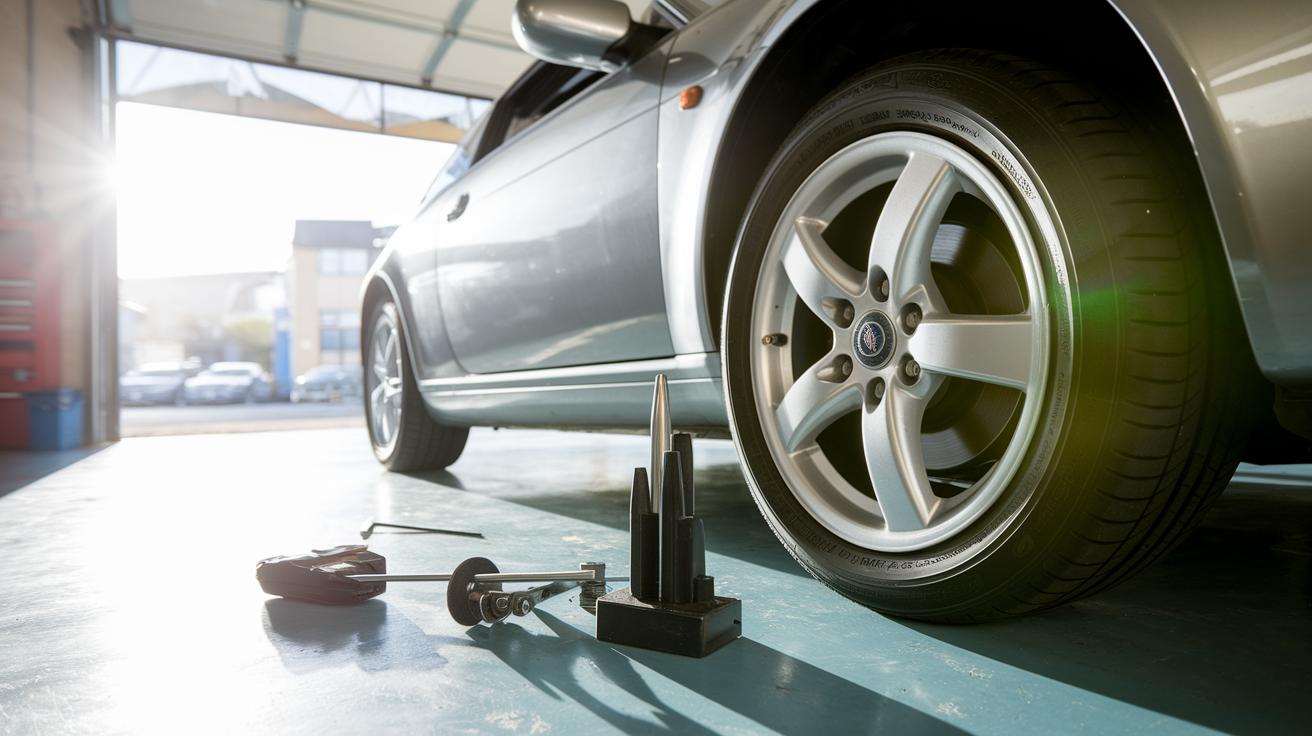


Ever wonder why your car sometimes feels a bit off on the road? It might be because of your tire alignment, which is like tuning your favorite radio until every station comes in just right (tire alignment means making sure your tires are set straight).
When your tires are aligned correctly, they work better together, giving you a smoother ride and helping to keep them from wearing unevenly. This not only saves you money on tire replacements but can also lower your fuel costs.
Next time you’re behind the wheel, you might notice that steady, secure feeling. It’s a simple step that makes everyday drives safer and a lot more enjoyable.
what is tire alignment: Smooth Ride Benefits
Tire alignment is when a technician adjusts your car’s steering and suspension angles so the tires sit right on the road. It’s all about making sure the wheels are lined up perfectly for straight, smooth driving. Picture your tires always touching the pavement evenly, that’s the goal. Believe it or not, older cars often had misalignment that sped up tire wear, so regular checks can really save you money.
There are three main angles that get adjusted: camber, caster, and toe. Camber shows how the tire tilts in or out (imagine the tire leaning a bit to one side). Caster helps the steering wheel find its center after a turn. And toe checks if the tires point slightly inward or outward. It’s like fine-tuning the tire’s footprint, similar to adjusting a camera lens to capture a clear view.
When everything is aligned properly, your car feels steadier and responds better to your moves. Plus, it helps your tires last longer, cuts down on extra wear, and even saves fuel. Kind of like giving your car a little tune-up, it turns a small tweak into a much smoother ride.
Key Suspension Angles in Tire Alignment

When you get your car aligned, there are three main angles that get adjusted: camber, caster, and toe. These settings make sure your tires stay in full contact with the road, kind of like straightening the legs on a wobbly chair so it stands firm.
All three angles work together with your car’s suspension parts to improve steering and keep everything balanced. Even small tweaks to these angles help reduce uneven tire wear (how quickly your tire surface wears down) and make your ride smoother every day.
Camber is the tilt of the tire you see from the front (imagine the tire leaning slightly inward or outward). A little negative camber (where the top of the tire leans in) can give you better grip on sharp curves. Caster is the angle that helps your steering wheel find its center after a turn, which is super helpful in stop-and-go traffic. Then there’s toe, which makes sure your wheels point straight ahead, especially important when you’re carrying heavy loads or driving at higher speeds.
Types of Tire Alignment: Two-Wheel vs Four-Wheel Alignment
When it's time to set your tires right, there are two simple ways to do it: two-wheel and four-wheel alignments. Both methods adjust your car's suspension settings so your ride feels smooth, but they work on different parts. Two-wheel alignment handles just the front, while four-wheel alignment checks both the front and the back to keep every tire in contact with the road.
Two-Wheel (Front-End) Alignment
This method only takes care of the front suspension. It adjusts the toe, camber, and caster angles (the tilt and direction of your wheels) to help your car travel straight. You see this on vehicles where the back axle stays the same, like some big trucks or classic cars. Imagine tweaking the front wheels on a shopping cart to make sure it rolls straight down the aisle.
Four-Wheel Alignment
For modern rides like cars, SUVs, and crossovers, four-wheel alignment is the way to go. It fine-tunes both the front and rear parts of your suspension so every tire touches the pavement evenly. Think of it as a full check-up for your car, making sure it handles better and that your tires wear out more slowly.
| Alignment Type | Axles Adjusted | Typical Vehicles |
|---|---|---|
| Two-Wheel | Front Only | Vehicles with a fixed rear axle, classic cars |
| Four-Wheel | Front and Rear | Modern cars, SUVs, and crossovers |
Diagnosing Misaligned Tires: Signs of Poor Tire Alignment

If your car doesn’t feel quite right on the road, it might be because your tires are off-kilter. When your wheels aren’t lined up properly, your car has to work harder, which can make the ride rough and cause your tires to wear out sooner (tire wear means how quickly the tire surface erodes).
Here are some common signs to watch out for:
- Uneven tire tread wear (if one side wears out faster, check out how to measure your tread depth)
- The car pulling or drifting to one side
- A steering wheel that doesn’t sit in the center
- A steering wheel that vibrates when you speed up
Ignoring these clues can speed up tire wear and reduce how well your steering responds. Left unchecked, misalignment might even lead to bigger issues with your car’s suspension and overall stability. Keeping an eye on these warning signs is like taking a small pit stop for your ride, it helps you avoid more expensive fixes in the long run.
Common Causes of Tire Misalignment
Sometimes a small bump in the road can throw off your car's balance. When you hit a pothole, scrape a curb, or experience a minor collision, it can jar the steering and suspension (the parts that keep your car smooth on the road). It’s a bit like nudging a table, one gentle knock, and it starts to wobble. At first, these bumps may not seem like a big deal, but over time they can lead to uneven tire wear and a rough, unpredictable ride.
Mechanical wear and even small changes to your car can also lead to misalignment. Over time, parts like shock absorbers (which cushion your ride), springs, and control arms can wear out. Even a little adjustment to your suspension or steering for extra comfort can shift the balance needed for a smooth drive. Keeping an eye on both the little bumps from the road and the condition of your car’s parts can help you maintain proper wheel alignment and protect your tires.
Tire Alignment vs Tire Balancing: Key Differences
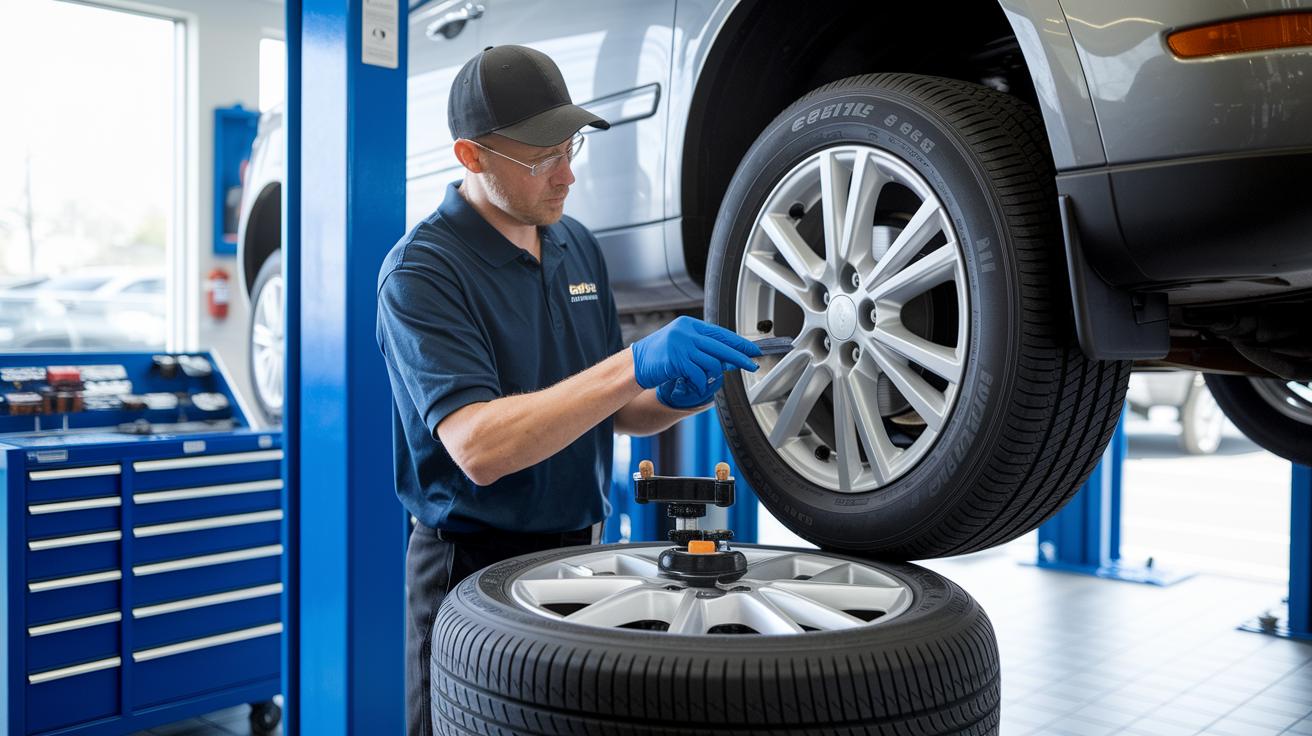
Tire alignment fixes your car's suspension angles, like camber (the tilt of your wheels), toe (the angle they point), and caster (the steering angle). Basically, it makes sure your tires meet the road evenly. On the other hand, tire balancing is all about spreading the weight evenly over your tire and wheel, which stops those annoying shakes you might feel when you're cruising at speeds around 50 to 70 mph.
When your tires are out of alignment, you might see uneven wear on them, feel your steering wheel pull to one side, or notice that your car doesn’t feel as responsive as it should be. Meanwhile, if your tires are unbalanced, you'll often notice a vibration, especially when you start picking up speed. These are two different issues, so it helps to know which one your car needs.
If you see that your tire tread is wearing unevenly or your steering wheel isn’t centered, it’s a sign your alignment needs a checkup. And if those vibrations just won't go away, you might be dealing with a balance problem. Keeping both alignment and balance in check not only makes your ride smoother but also helps you avoid bigger repairs down the road.
Learn more about the tire balancing vs alignment contrast.
When to Schedule Your Tire Alignment: Maintenance Recommendations
Keeping your tires aligned is like giving your car a little tune-up; it helps your ride feel smooth and makes your tires last longer. Most folks find that checking the alignment once a year works well, especially since modern cars often need a four-wheel checkup to ensure everything lines up right. This yearly visit makes sure your car’s suspension angles (the way the wheels connect to the body) stay close to the manufacturer’s settings, leading to a smoother ride and even tire wear. Sticking to a regular schedule can even save you money by protecting your steering and suspension down the road.
If you hit a bump, maybe you hit a pothole or scraped a curb, you might want to get your alignment looked at sooner rather than later. Such impacts can nudge your wheels out of place, so a quick visit to your service center could be just the ticket.
Cost and Pricing of Professional Tire Alignment Services

Most auto shops charge a basic fee for tire alignments that usually falls in a moderate price range. The price can change depending on the job, like if you need a two-wheel fix (just adjusting one side) or a full four-wheel service (adjusting every wheel). Some shops even include a free check-up of your car’s overall condition when you pay for an alignment. This focus on getting your wheels and axles right helps keep your ride smooth without emptying your wallet.
Some places make the deal even better by adding warranties and service guarantees. You might see offers like a repair warranty covering 36 months or 36,000 miles, or a service guarantee for 24 months or 24,000 miles. And sometimes, you could even score up to a 10% discount on labor, possibly saving around $75 overall. These kinds of deals make a professional tire alignment a budget-friendly way to extend the life of your tires and keep your car handling its best.
It’s smart to compare local prices before you pick a shop. Prices can differ based on where you live and how well the shop is known. Taking a little extra time to look around could help you find the best deal for your car’s alignment.
Final Words
In the action of keeping your ride safe, this article showed what is tire alignment and uncovered how adjusting camber, caster, and toe keeps your tires in perfect touch with the road. We broke down two-wheel and four-wheel options, signs of misalignment, and even compared tire balancing to alignment checks.
Every tip makes it simpler to spot issues and plan maintenance on time. Enjoy the confidence that comes with a smooth ride and a well-calibrated vehicle.
FAQ
What does a tire alignment do?
The tire alignment adjusts your car’s suspension angles (camber, caster, and toe) to keep your tires in proper contact with the road and your steering wheel centered for a safer ride.
What is tire alignment service?
The tire alignment service means a technician adjusts your car’s suspension angles to correct tire positioning. This service improves handling, extends tire life, and helps prevent uneven wear.
What is tire alignment vs wheel alignment and balancing?
The tire alignment adjusts your car’s steering and suspension angles for proper tire traction, while wheel balancing adds weights to the tire assembly to even out vibrations. Both services work to improve ride quality.
What is tire alignment cost, and how much does it cost?
The tire alignment cost depends on your vehicle and the service center, typically ranging from $50 to $150 for a standard front or four-wheel adjustment. Local promos can sometimes reduce that price.
How do you know you need an alignment or what are car alignment symptoms?
You might need an alignment if you notice uneven tire wear, drifting to one side, or a vibrating or off-center steering wheel. These signs mean your car’s angles might be off.
What is tire alignment near me or wheel alignment near me?
Tire alignment near me refers to local shops where technicians adjust your car’s suspension angles. Look up reviews or ask around to find a trusted service center nearby.
What is tire alignment on reddit?
On reddit, tire alignment discussions include user experiences, maintenance advice, and tips on improving handling. Community members share practical insights and recommendations on alignment services.

