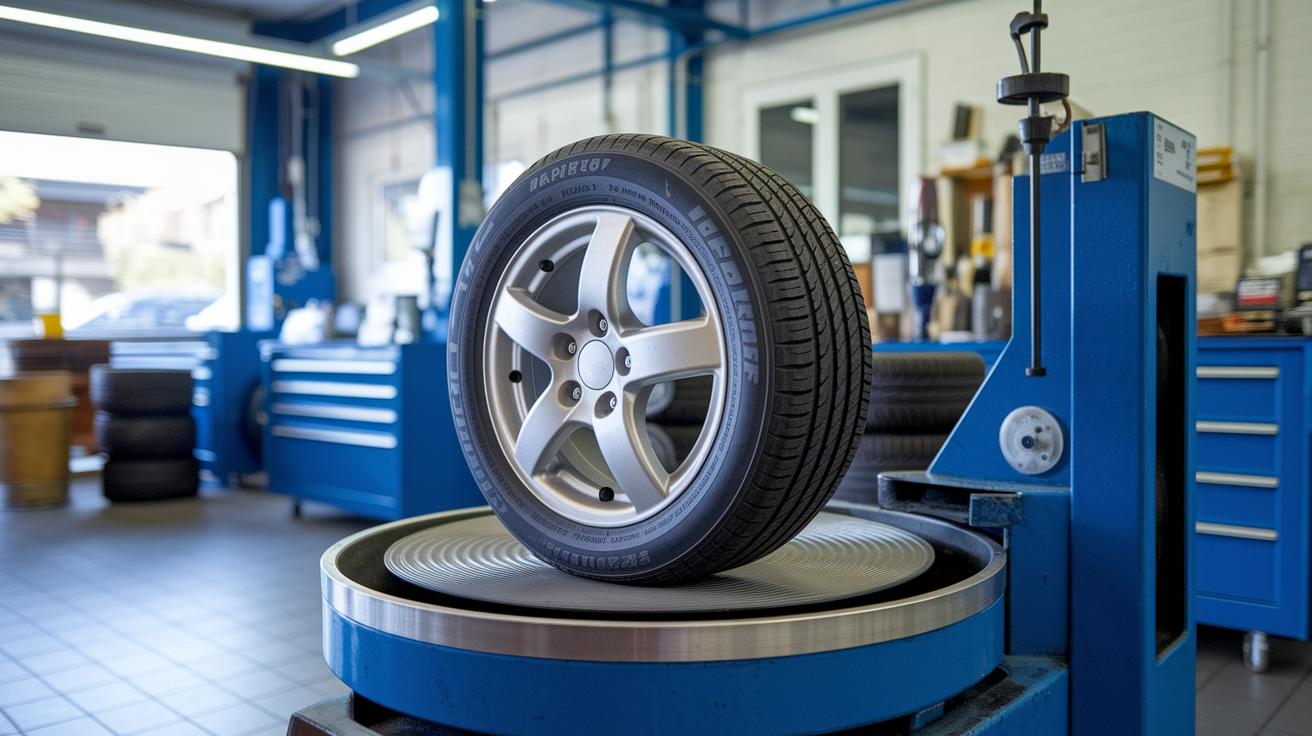


Ever noticed your car shaking on a smooth road? It might be because your tires aren’t balanced. When we talk about tire balancing, it means a technician adds small weights (tiny metal pieces) to even out the tire’s weight, kind of like steadying a spinning top with a careful touch.
A balanced tire reduces those annoying vibrations. This simple step not only makes your ride feel smoother but can also help your tires last longer. In truth, it makes every trip a bit more enjoyable and keeps your car running safely.
what is tire balancing: Easy Performance Boost
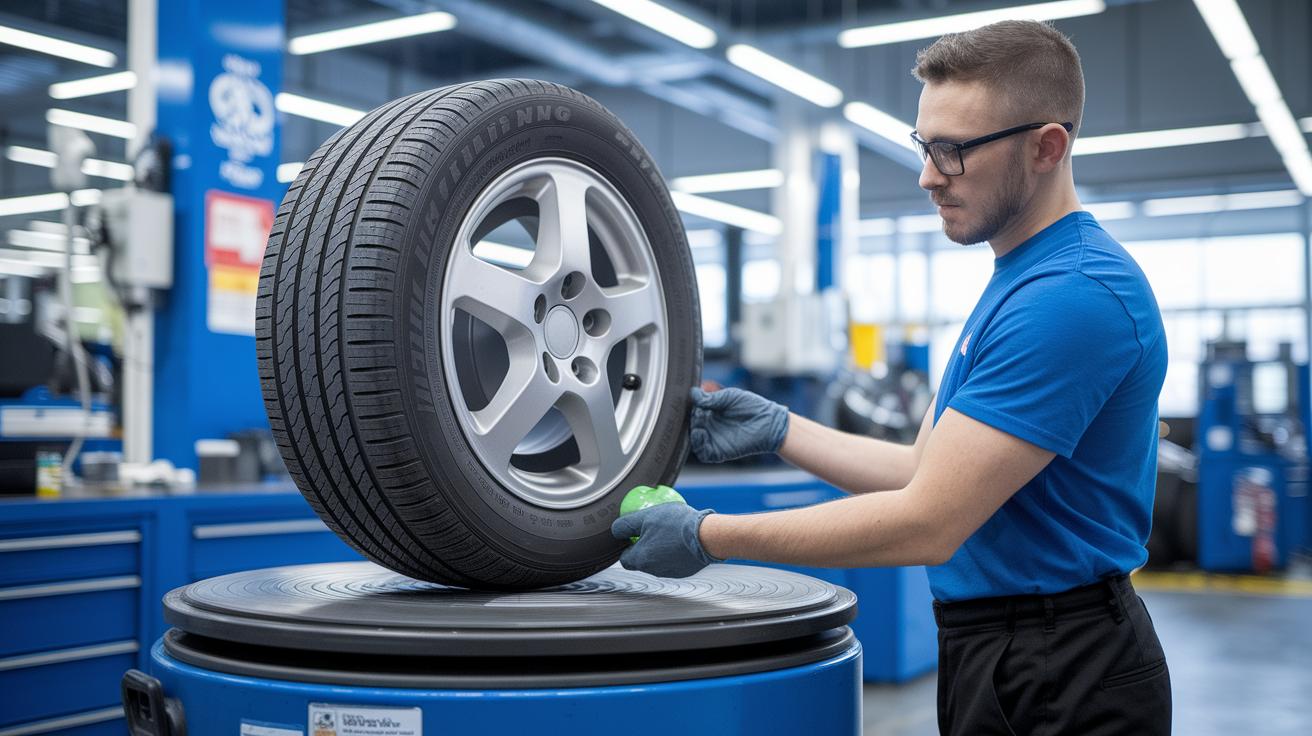
Tire balancing is all about making sure your tire and wheel work together evenly. If one side weighs a bit more than the other, you'll feel a wobbly spin, a bit like a top that doesn't quite balance right. Even a little imbalance can shorten the life of your tire and put extra stress on your suspension (the parts that keep your car steady).
When you get a tire balance, a friendly technician sets your tire and wheel on a computer-controlled machine. This machine spins them really fast and checks for any heavy or light spots. Then, small metal weights get added to the rim (the outer edge of the wheel) to even things out. It's similar to how a well-tuned engine hums smoothly along the road.
In a nutshell, balancing your tires fixes uneven weight so everything turns uniformly. By removing those pesky vibrations, you not only enjoy a smoother ride but also help your tires last longer and boost your car's overall performance. It's a simple fix that makes your drive safer and a lot more comfortable.
How Tire Balancing Works: Methodology & Equipment

When you bring your car in for tire balancing, a friendly technician will mount your tire and wheel assembly on a digital balancing machine. This machine spins your tire to check for spots that are too heavy or too light. It starts by removing old weights, then uses built-in sensors (small detectors) and sometimes laser guides to see if the weight is off. Once it finds the heavy and light spots, the machine shows exactly where to add small metal weights on the rim. This adjustment helps your tire spin evenly, cutting down on bumps and extra wear. Think of it like tuning a spinning top so that it stays balanced and smooth.
Static Balancing
Static balancing is all about fixing issues on one side of the tire. It deals with vibrations that come from uneven weight distribution in a single plane. The machine slowly spins your tire and uses sensors to check if one side is heavier than the other. Then, the technician adds precise weights to even things out. This process helps reduce vibrations you might feel through the steering wheel. Imagine spinning a wheel by hand and noticing a little wobble – static balancing corrects that so everything feels just right.
Dynamic Balancing
Dynamic balancing takes things a step further by looking at imbalances in two ways – both side-to-side and front-to-back. Using a two-plane measurement, the machine carefully checks for differences along different axes. This sensor feedback helps ensure the weight is spread evenly all around, making your ride smoother at higher speeds. The computerized equipment, complete with weight dispensers and wheel adapters for different rim sizes, makes precise adjustments. Picture driving on a calm, even road where everything feels perfectly in sync – that’s what dynamic balancing aims to achieve.
Signs Your Tires Need Balancing
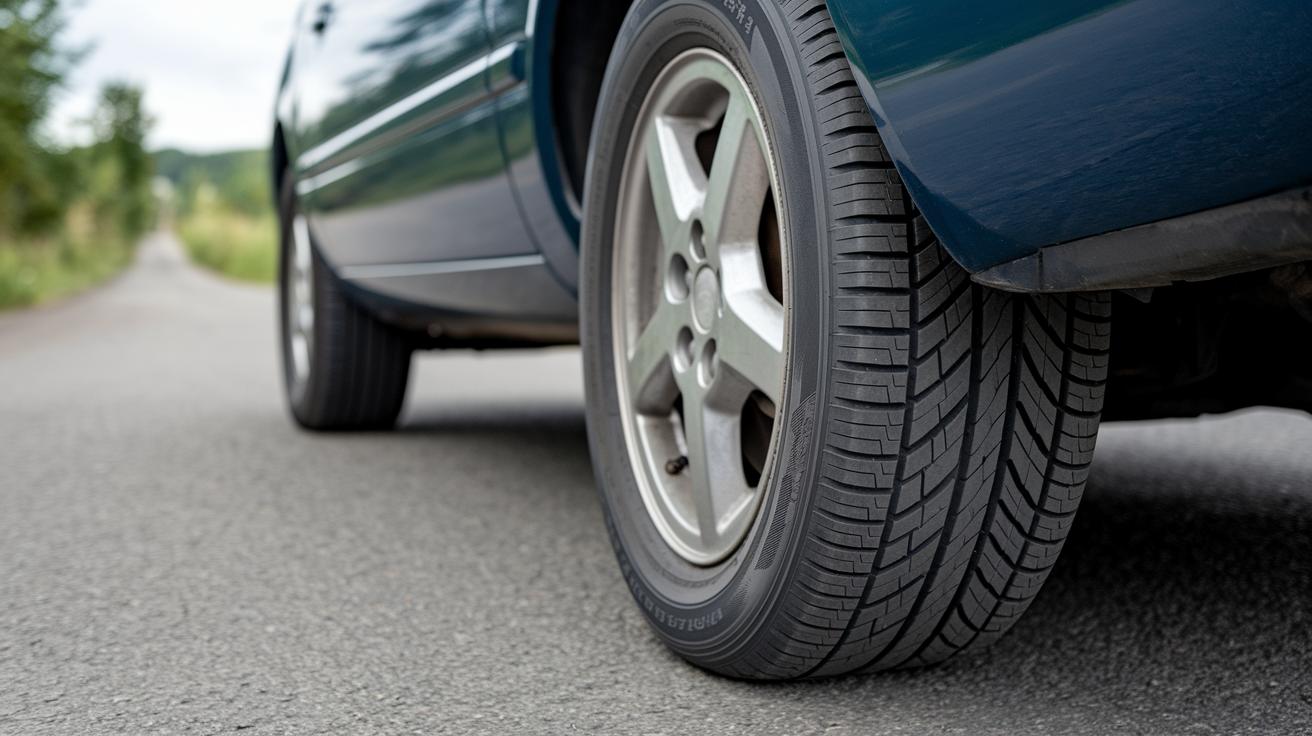
If your car ever feels a little off on your daily drives, it might be a sign to check your tires. When your tires aren't balanced, the weight isn’t spread out evenly. This makes your car work harder, which can speed up tire wear (that means the outer part of the tire gets worn down faster), create a rough ride, or even harm your car's suspension over time. Spotting these early warnings can help you get back on track quickly and keep your ride smooth and safe.
- A vibration in the steering wheel when you're cruising on the highway
- A shake in the driver's seat or on the floorboard
- Uneven or feathered tread wear (that’s when the tire surface wears out unevenly)
- Visible damage from hitting potholes or curbs
- A wobble or humming sound when driving straight
Keeping an eye out for these signs is like doing a quick self-check before a long road trip. It helps prevent bigger problems later and makes sure your car stays dependable on every journey.
Benefits of Regular Tire Balancing for Vehicle Performance

Balancing your tires every 5,000 to 7,000 miles, or at least once a year, helps your car run smooth and safe. When your tires are balanced, they spin evenly, which takes stress off both the tires and the parts that hold them (the suspension). Think of it like giving your car a quick tune-up that makes handling easier.
Balanced tires also mean your steering feels better and there's less road noise. Even weight distribution can even boost your fuel efficiency by about 3 percent. That extra savings is a nice little bonus when you're cruising the highway. And without the extra strain, you lower the risk of tire blowouts and wear on your steering parts. Imagine a long drive with no annoying vibrations, just the gentle hum of your engine and smooth tire spins.
Overall, keeping your tires balanced is a smart move for your car's long-term care. It not only makes your tires last longer but also keeps your ride safe and steady. Safety first and smooth rides always, right?
Comparing Tire Balancing vs Wheel Alignment

Knowing the difference between tire balancing and wheel alignment is key to keeping your ride smooth and safe. Tire balancing fixes small weight differences around your tire and wheel combo, making sure every spin is even. This helps cut down on those annoying shakes you feel at high speeds. Even a little imbalance can make your car vibrate, which not only shakes up the ride but also puts extra strain on parts like your suspension.
Wheel alignment, on the other hand, gets your tires sitting correctly on the road. It adjusts angles like toe, camber, and caster (that is, the different ways your tires meet the road) so your car drives straight and wears tires evenly. If your wheels are off, you might notice your car pulling to one side or see uneven tire wear patterns. Together, these services boost your car’s performance, save you money on repairs, and even help with fuel efficiency. In short, maintaining both tire balancing and wheel alignment is like giving your car a good tune-up, ensuring a smoother, safer drive every time you hit the road.
| Service | Purpose | Primary Effect |
|---|---|---|
| Tire Balancing | Catches weight differences around the tire and wheel | Smooth rotation and fewer vibrations |
| Wheel Alignment | Adjusts tire angles (toe, camber, caster) | Better tracking and even tire wear |
| Combined Services | Both tire balancing and wheel alignment done together | Improved handling and longer tire life |
When to Schedule Tire Balancing
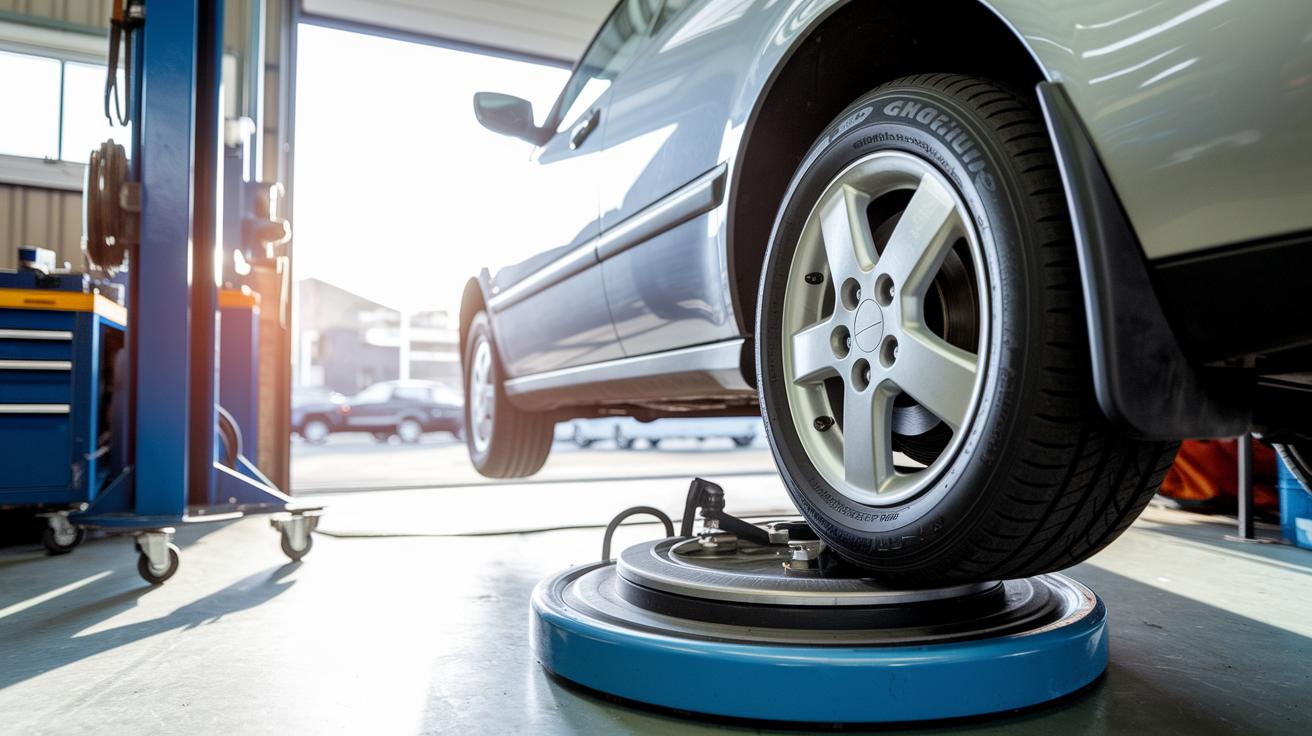
Keeping your tires evenly weighted is key for a smooth and safe ride. Car makers usually recommend getting your wheels balanced every 5,000 to 7,000 miles. It’s smart to combine balancing with your regular tire rotations, when you put on new tires, swap seasonal tires, or even after rough impacts with potholes or curbs. Those bumps can throw off the balance, which might lead to vibrations, uneven wear (how quickly a tire’s surface gets worn down), or extra strain on your car’s suspension. Checking at these milestones helps you catch problems early, making your ride more comfortable and your tires last longer.
- Every 5,000–7,000 miles as suggested by your vehicle’s manufacturer
- At each scheduled tire rotation
- After installing a new set of tires
- Following any big impacts like potholes or curbs
Even a yearly check-up can give you extra confidence in your car’s performance.
DIY Tire Balance Tips and Professional Services
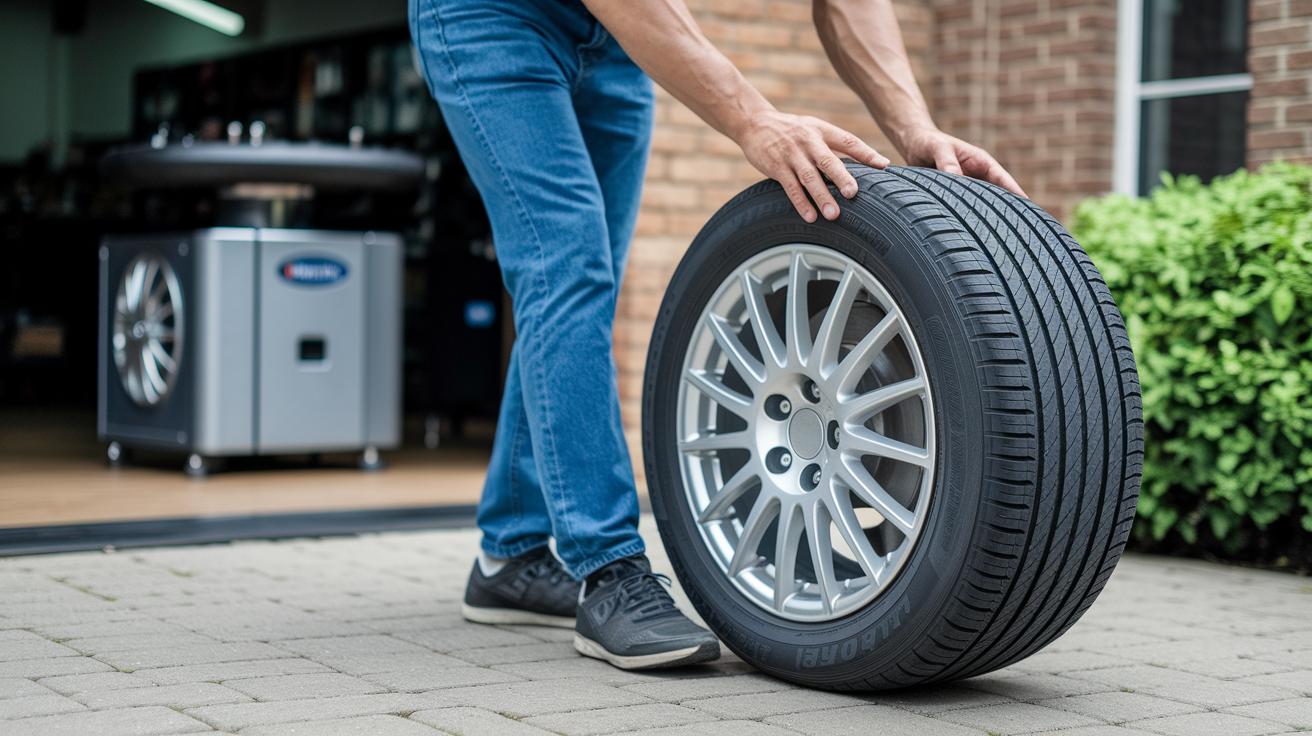
When you’re checking your tires at home, start with a simple look. Roll the tire slowly and see if you spot any uneven wear or flat spots. Next, give it a spin by hand. If it wobbles or feels off-balance, that might mean it’s time to get a closer look from a pro. You can even grab the tire, let it spin a little, and feel for any strange vibrations. These quick checks work like a mini tune-up before a longer drive.
Now, when you visit a professional, the process gets a bit more precise. Technicians use special machines (think of them like electronic scales for your tires) that weigh and measure any imbalance with good accuracy. Some local shops even offer mobile balancing, so their high-tech tools come right to you. For more info on the benefits, check out the detailed guide on Benefits of Professional Tire Installation (https://tityres.com?p=1890) and see a Cost-Benefit Analysis of DIY vs Professional Tire Installation (https://tityres.com?p=1930) to understand how each option can boost your ride’s performance.
Understanding Tire Balancing Costs

When you decide to have your tires balanced, you might see online deals starting at about $25. It’s a smart way to try keeping costs low if you’re watching your budget. Prices can change based on where you are, the type of tire you drive on, and any extra services you choose, it's a bit like picking a car wash package where the basic option is cheapest and extras add up.
Most places charge around $15 to $40 per axle. The final price depends on things like the number of wheels, the tire size (the measurements of your tire), and whether the service is paired with extras like a tire rotation (switching tires around for even wear) or fixing a leak. Knowing these details helps you plan your budget and know what to expect when you head in for service.
Final Words
In the action, we saw how tire balancing corrects uneven weight distribution and smooths out your ride. The post broke down what is tire balancing, led you through the methods using precise equipment, and pointed out simple signs that your tires might need a check. It also covered cost expectations and DIY tips versus calling in the pros. A well-balanced set of tires means a steadier drive and added safety, helping you keep every mile smooth and worry-free. Enjoy the ride!
FAQ
What is the difference between tire balancing and wheel alignment?
The difference between tire balancing and wheel alignment is that balancing corrects weight distribution by adding small weights, while alignment adjusts angles (toe, camber, caster) to keep your tires tracking straight.
What is tire balancing cost and how much does it typically cost?
The cost for tire balancing usually ranges from $15 to $40 per axle. Pricing may vary by tire size, shop, and any added services like rotation or leak repair.
What is the difference between tire rotation, balancing, and alignment?
The difference between tire rotation, balancing, and alignment is that rotation moves tires to even out wear, balancing adjusts weight distribution, and alignment corrects the tire angles for stable tracking.
Is tire balancing necessary?
Tire balancing is necessary because it helps reduce vibrations, prevents uneven tire wear, and extends the life of your tires and suspension by ensuring even weight distribution while driving.
How can I find tire balancing near me?
Finding tire balancing near you is simple by searching online for local tire service centers. Many repair shops offer mobile balancing and special online deals for tire care.
How can I balance tires myself?
Balancing tires yourself starts with a visual runout check and a manual spin test to feel for flat spots. Although DIY methods work for basic checks, professional services are more precise.
How does tire balancing work?
Tire balancing works by mounting the tire and wheel on an electronic machine. The machine spins the assembly to detect uneven weight, and small metal weights are then added to correct the imbalance.

