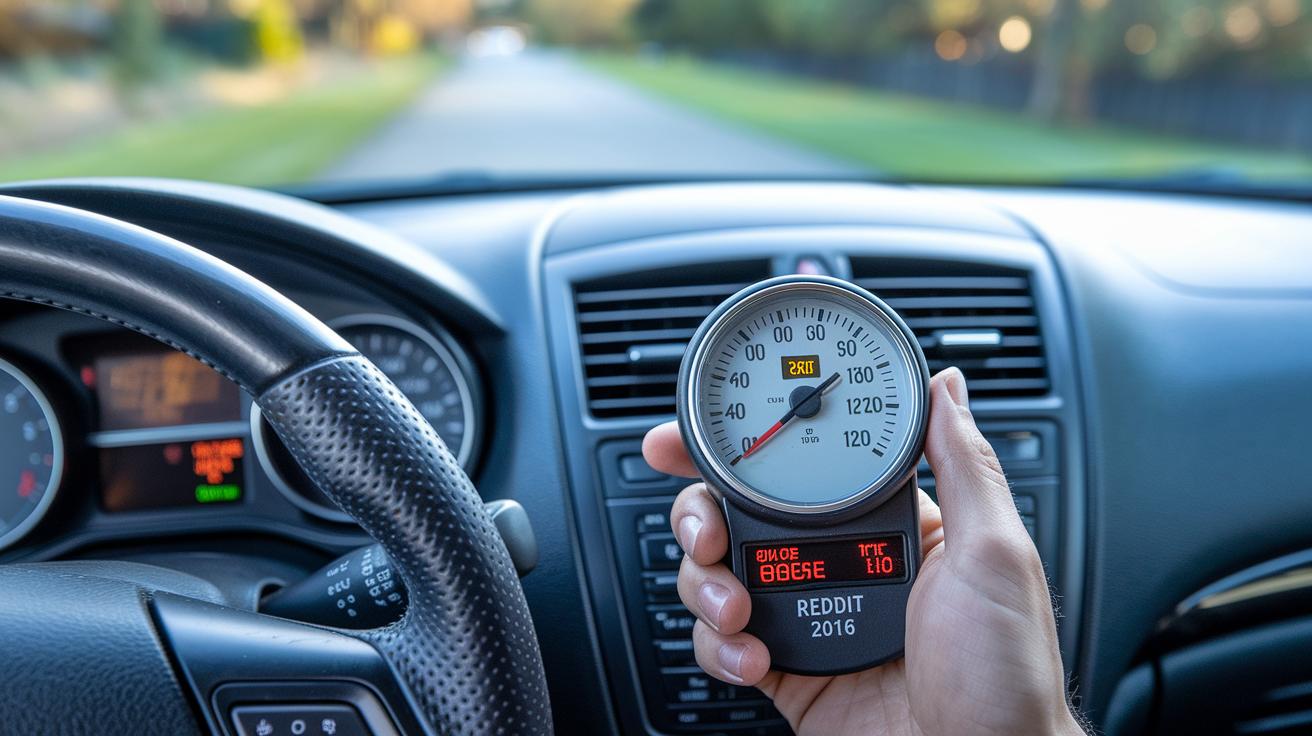


Have you ever wondered if your tire pressure is just right? It might sound odd, but keeping your tires at about 30 to 35 psi (that’s pounds of air per square inch) can save you money and make your rides safer. When your tires match the pressure your car manufacturer suggests, you can enjoy better gas mileage and even extend the life of your tires.
It's a quick check that goes a long way. Next time you’re getting ready for a drive, take a moment to look at your tire pressure, it might just make your trip that much smoother.
Locating the Right PSI: What Your Tire Pressure Should Be
For most of us driving around town, keeping your tire pressure between 30 and 35 psi works just fine. The best bet is to follow the number your car maker recommends, usually found in your owner’s manual or on a sticker in the driver’s door, glove box, or fuel door. It’s like having a friendly reminder from the experts.
Keep in mind, the psi you see on the side of your tire is the absolute max it can handle. That number isn’t meant for everyday driving. Back in the day, when folks had to check manually, finding the right psi was almost as tricky as a road test. Sure, our methods have changed, but the importance of the proper pressure remains the same.
Sticking to the recommended inflation settings not only makes your drive safer, but it also helps your car use less fuel and extends the life of your tires. And remember, checking your tire pressure when the tires are cold gives you the most accurate reading. Trust these simple tips every time you head out.
Front vs Rear Tire Pressure: Understanding PSI Variations
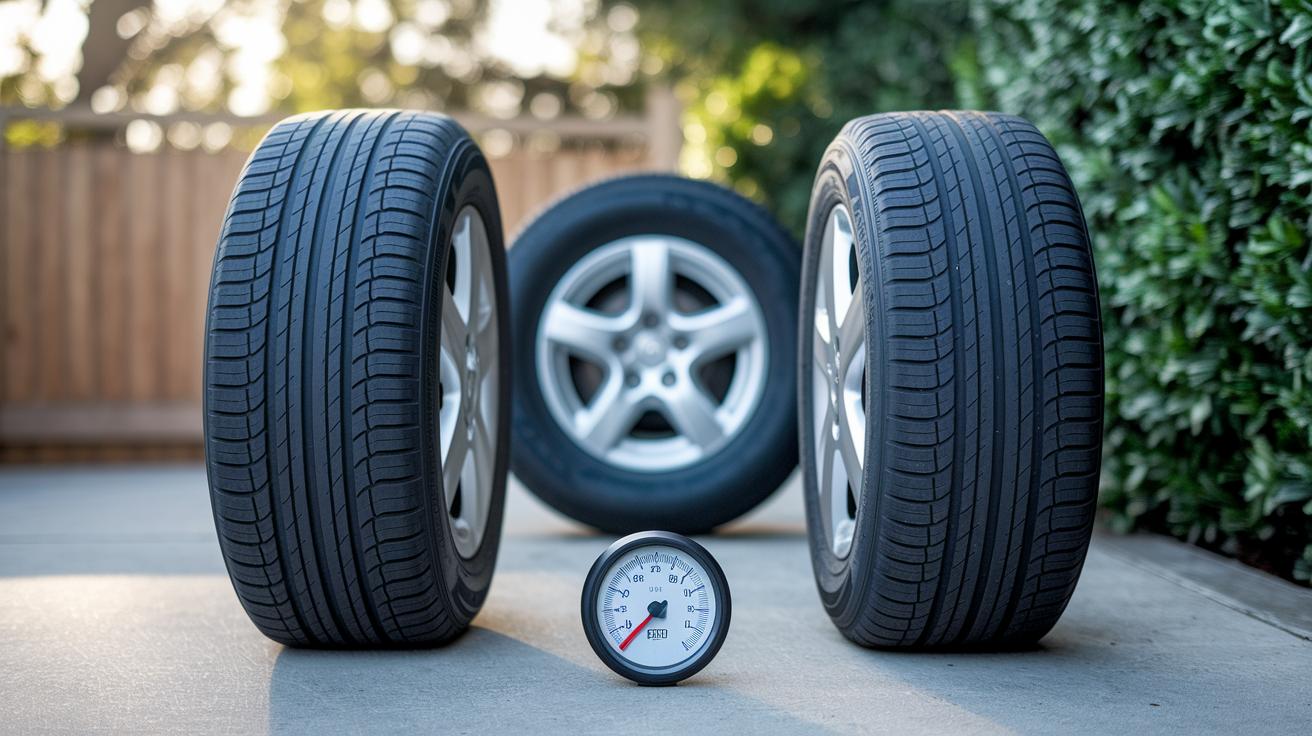
When you grab your air gauge, you might notice that your front tires and rear tires show a bit of a difference in psi. Car makers set these numbers so the car stays balanced. For example, most sedans need a little more air in the front tires for better steering and braking, while the rear tires get slightly less to handle the car’s weight. This small difference helps keep your ride safe and makes handling more responsive.
Don't forget to check the spare tire too. The spare usually has its own air pressure, which you can find in your car’s owner manual or on a sticker inside the door. Skipping this step might land you in a tricky situation if you ever need it.
Always measure your tires when they’re cold. Warm tires build up extra psi from heat, which can throw off your gauge. A quick check against the manufacturer's recommended psi can help you keep things just right for a smooth drive.
How to Check and Adjust Tire Pressure Accurately
When checking your tires, keep in mind they work best when they’re cold. After you drive for about 30 minutes, heat builds up, and the pressure can jump by around 5 psi. I remember a friend who once skipped a morning check and ended up with readings nearly 5 psi too high, a small mistake that can lead to big issues later.
Here's a simple way to do it:
- Take off the valve cap.
- Press a working gauge (either digital or old-school analog) firmly onto the valve stem so you get a true reading.
- Look at the PSI shown and compare it with the number your car’s manual or the sticker on the driver’s door recommends.
- If it’s too low, add air with an air compressor until it matches up.
- If it’s too high, press the valve stem to let some air out until you're at the correct pressure.
Do this check before you start driving or after the tires have rested for at least three hours. It’s a quick tune-up that helps keep your ride safe, fuel efficient, and your tires in good shape.
Seasonal PSI Adjustments: Hot and Cold Tire Pressure Tips
When the weather changes, it affects the air in your tires. As the temperature rises, the air expands and bumps up the psi by about 1 psi for every 10°F increase. In summer, if your tires have a bit too much pressure, they might not grip the road as well because they make less contact. In winter, the cold makes the tire rubber stiffer, and the air inside shrinks, causing your pressure to drop by 2–3 psi. This change can make your ride less smooth and even affect how your tires wear over time.
It’s a good idea to check your tire pressure when the tires are cool. That means looking at them before you drive or after they have been parked for a few hours. This way, your reading is accurate. In warm weather, if your tire pressure is higher than it should be, letting out a couple of psi helps keep good contact with the road. And when winter comes, giving your tires a little extra air can keep them working safely.
| Temperature Range | PSI Adjustment |
|---|---|
| Below 40°F | Add 2-3 psi |
| 40°F – 70°F | No Change |
| Above 70°F | Release 1-2 psi |
In hot weather, a slight drop in pressure can work like a tune-up for your tires, giving you better traction. When it gets frosty, adding a little more air helps them bounce back to their best performance. Adjusting your tire pressure with the seasons keeps your drive smooth and helps your tires wear evenly.
TPMS and Tire Maintenance Tips for Consistent PSI
If your vehicle was built after September 2007, it likely has a TPMS, a Tire Pressure Monitoring System that checks your tire pressure and lets you know if it drops about 25% below the right level. When you start your car and see a blinking light, it could mean there’s a sensor hiccup. But if the light stays steady, it’s often a sign that one or more tires might be underinflated.
Taking care of your TPMS means taking care of your tires too. It’s not just about what the dashboard says; a little extra attention can lead to a smoother ride. Here are a few simple steps to keep your tires in great shape:
- Check your tire pressure every month when your tires are cold (imagine doing it like you’d check your fuel gauge before a road trip).
- Rotate your tires to help them wear evenly.
- Balance your tires so they each share the road’s load equally.
- Schedule professional inspections to catch any issues early.
Following these easy tire pressure tips (see tire pressure maintenance tips) can help you avoid surprises and keep your ride confident and safe. And while you’re at it, don’t forget to get regular tire inspections (see importance of regular tire inspections). Together with your TPMS alerts, these habits make sure your tires are always ready for the road.
Benefits of Proper Tire Pressure: Safety, Efficiency, and Longevity
Keeping your tires properly inflated isn’t just about saving on gas or making the tires last longer. It also gives you a quick peek into your car’s overall well-being. If a tire’s pressure drops quickly, it might mean there’s a slow leak or even a wheel problem lurking around that needs a closer look. Imagine taking a short drive and noticing the drop, it’s like your car’s dashboard flashing a warning before things get out of control.
Here’s why checking your tire pressure regularly is so smart:
- It gives you better grip and steadier steering, making your ride safer.
- Your tires wear out evenly, which can save you money on frequent replacements.
- It can alert you early to little issues before they turn into major repairs.
Think of it like checking your oil level, a quick glance can save you a lot of hassle later on.
Final Words
In the action, we've walked through checking your tire pressure, finding the right spots for your car’s recommended PSI, and how temperature swings affect readings. We've also covered how TPMS keeps you safe and shared best practices for tire care.
Remember the key question: what my tire pressure should be matters for safety and performance. Keeping your tires at the proper PSI means better grip, fuel savings, and longer tire life. Stay safe and enjoy smooth driving!
FAQ
What is normal tire pressure for SUVs and sedans?
Normal tire pressure for most SUVs and sedans usually falls between 30 and 35 psi. Always check your owner’s manual or the placard on your driver’s door for the exact value.
What do tire pressure charts and calculators show?
Tire pressure charts and calculators provide clear guidelines for matching your vehicle’s tire size with the proper psi, making it easier to adjust inflation for safe and efficient driving.
How should I read tire pressure on my tire?
Reading tire pressure involves using a gauge to check the psi value on your tire. Compare that number with the recommended psi in your owner’s manual or on the placard.
Is 40 psi good tire pressure?
A reading of 40 psi is typically higher than the manufacturer’s recommended range for most vehicles. Excessive pressure can lead to reduced tire contact with the road, so always verify with your guidelines.
Is 28 psi acceptable to drive on?
Driving with 28 psi is generally too low for many vehicles. Low pressure can affect handling and tire wear, so it’s wise to raise it to the manufacturer’s recommended level.
How do I know the correct psi for my tires?
The correct psi is noted in your vehicle’s owner’s manual or on a placard inside the door jamb. This number ensures optimal tire grip, wear, and overall safety.
Is 35 psi a good tire pressure?
Yes, 35 psi is typically within the common range for many vehicles. However, it’s best to double-check with your vehicle’s recommended tire pressure to maintain proper performance.


terbinafine side effects information
terbinafine side effects information
ketoconazole for seborrheic dermatitis
ketoconazole for seborrheic dermatitis
ivermectin safety clinical insights
ivermectin safety clinical insights
minoxidil learning resource
minoxidil learning resource
minoxidil women’s evidence
minoxidil women’s evidence
sildenafil seasonal price changes
sildenafil seasonal price changes
Sildenafil Onset Mechanics
Sildenafil Onset Mechanics