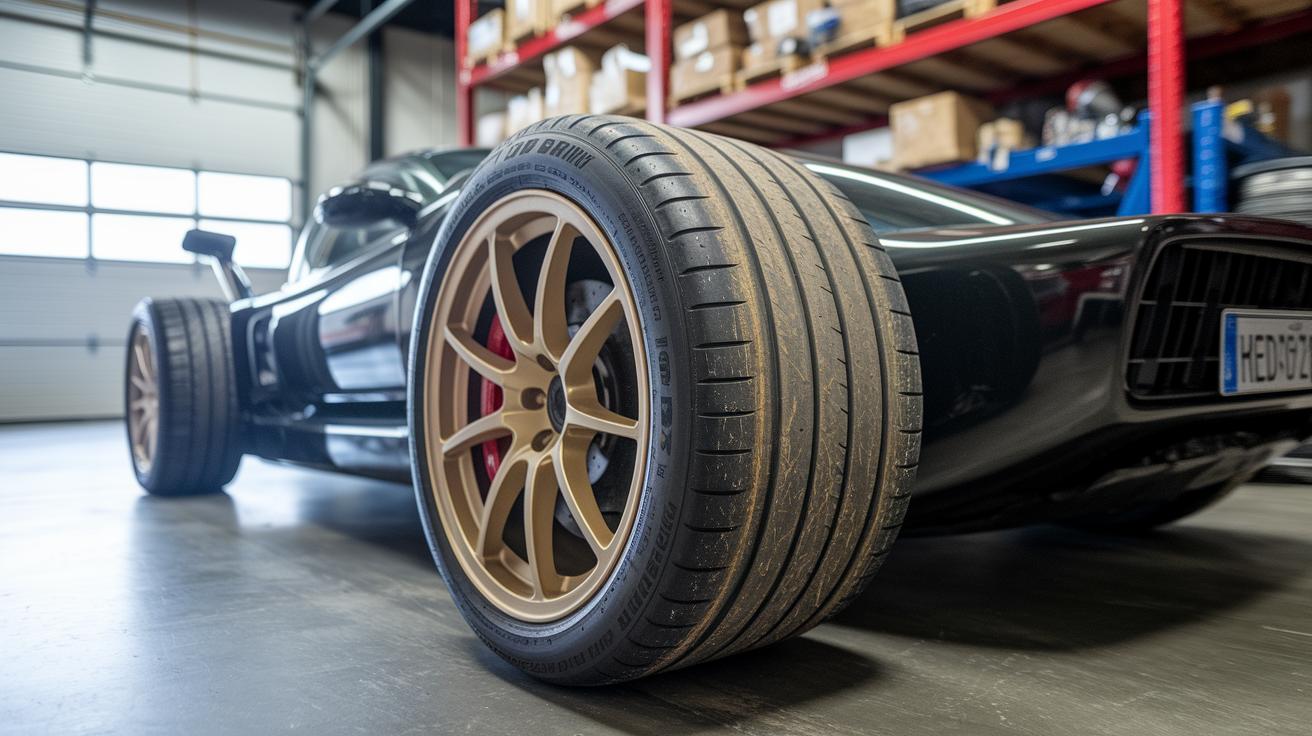


Ever notice when your high-performance tires might be ready for a change? If you're taking twisty roads or driving at high speeds, it's smart to watch for signs of wear. Look for shallow tread (those grooves that give you grip) or spots where the wear doesn't match up. This guide points out these warning signs so you can swap your tires in time and keep enjoying a smooth, safe ride.
Determining Replacement Timing for High Performance Tires
High performance tires can last anywhere from 25,000 to 80,000 miles. This range depends on how hard you push them and the kind of driving you do. Many all-season performance tires usually hit between 50,000 and 85,000 miles, about 5,000 miles less than regular all-season choices. If you drive fast, hit high speeds, or face tough roads, your tires will wear out sooner. So if you're enjoying a sporty ride on twisty roads, you might need to replace your tires earlier to keep that solid grip on the road.
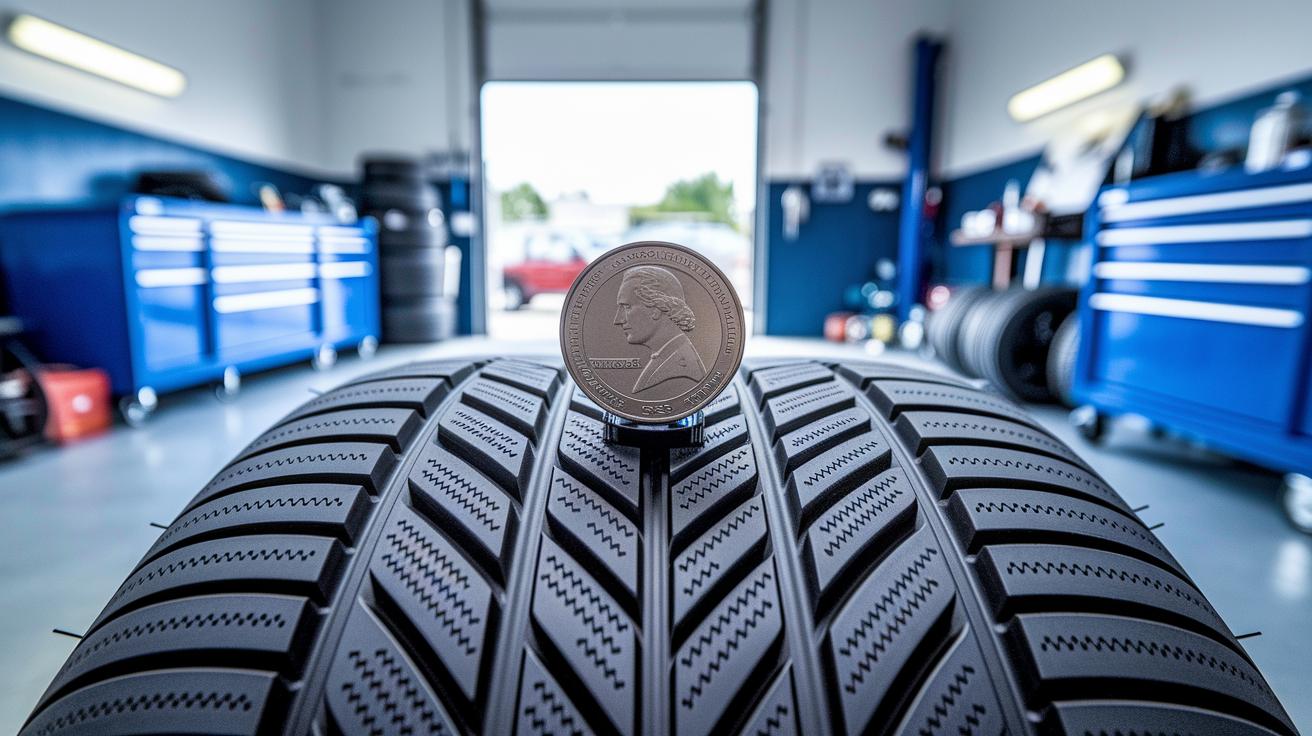
One clear sign that it’s time for new tires is when the tread gets too shallow. A good tip is to swap them out when the tread depth reaches 4/32nds of an inch. At this level, your stopping distance can get much longer. Using a tread-depth tool or even a quick Penny Test can help. Just slide a penny into the tread groove and check if you can see the full outline of President Lincoln’s head. If you do, it’s a sign your tires need replacing so you can stay safe in both dry and wet conditions.
Keep an eye out for other wear signs too. Look for uneven wear, like extra wear on the outer edges or a wavy pattern from misalignment or suspension trouble. Cracks, bubbles, or bulges on the sidewalls are also worry spots because they can mean the tire’s structure is weakened. And if you feel strange vibrations when driving, that might be a hint your tire isn’t performing like it should. In truth, replacing tires before these issues get worse can help keep you safe on every drive.
Inspecting Tread Depth and Wear Patterns on High Performance Tires
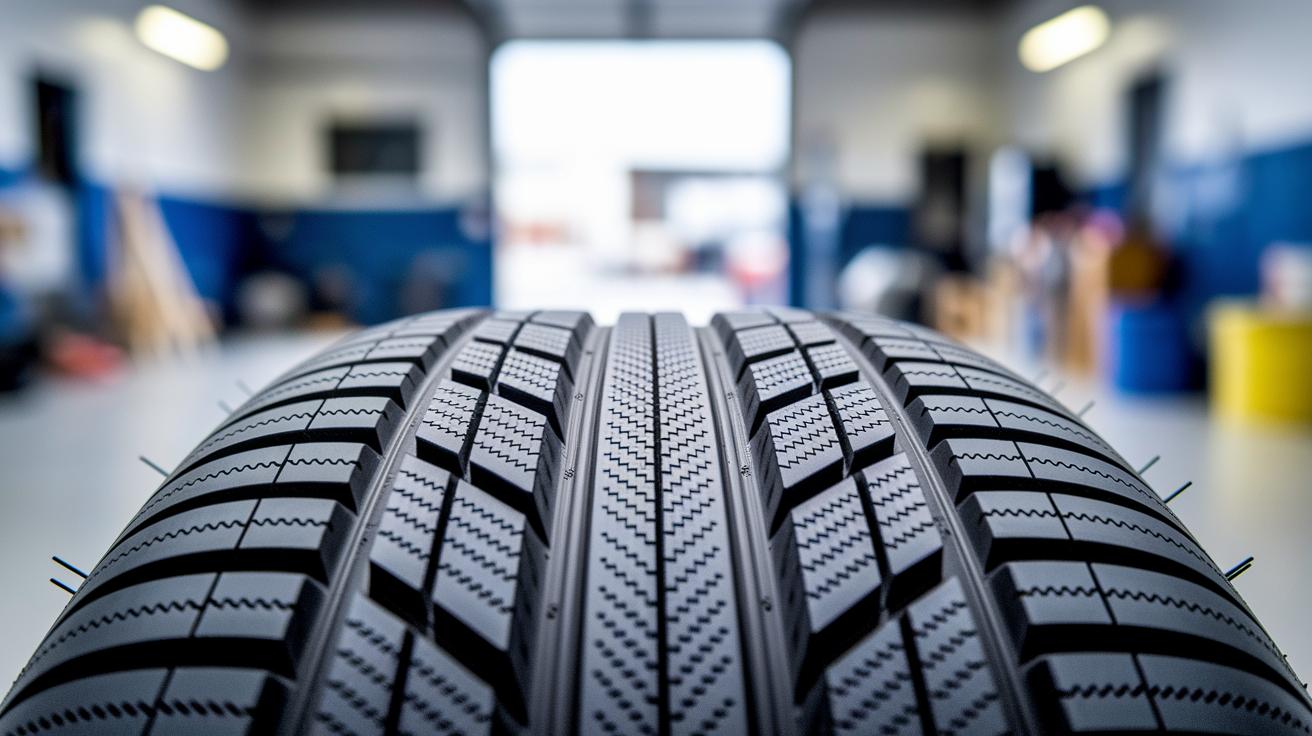
When you're using high performance tires, it's smart to give them a closer look. Modern tools like digital tread analyzers (devices that measure the depth of your tire grooves) can show you exactly how much a tire has worn down without needing to repeat basic tests.
Looking at wear patterns can teach you more than just how deep the treads are. It might reveal small issues like tires not being aligned well or uneven tire pressure before they turn into big problems.
- Overinflation can cause the center of the tire to wear faster.
- Underinflation may lead to extra wear on the tire edges (outer shoulders).
- Misalignment or suspension issues can create cupping, where the tire wears unevenly with a scalloped look.
Taking a closer look at these details can catch issues that a quick visual check might miss. Noticing these signs early lets you adjust tire pressure or get an alignment check before minor quirks become expensive repairs.
Identifying Performance Degradation in Ultra High Performance Tires
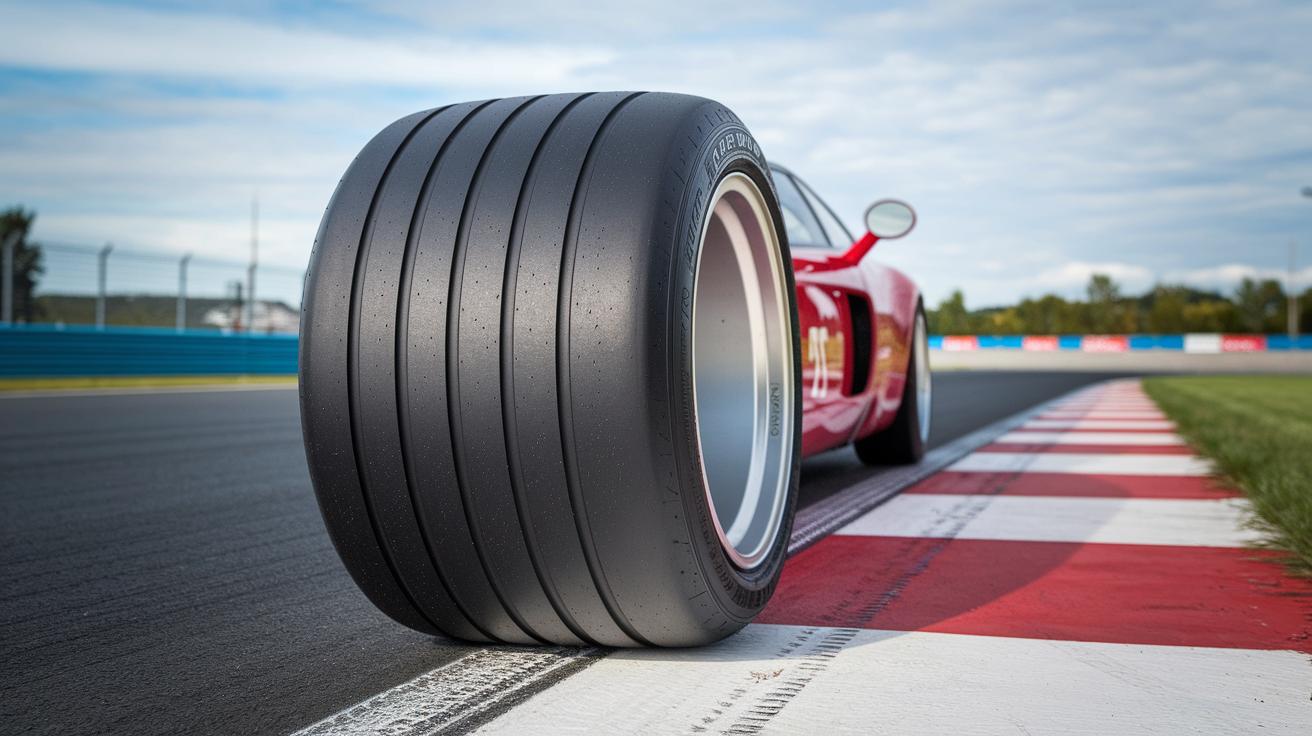
When you notice that your high performance tires take longer to help your car stop, it shows that their grip is fading. In simple terms, the braking distance increases because the tire’s soft compound (the special mix that gives it a strong grip) is wearing out. You might press the brakes and sense a little delay, and that extra time can mean your car isn’t as safe as it used to be.
Taking corners can feel different too. You may find that sharp turns seem less steady and controlled, making the ride feel a bit off. This happens because the tire’s design, which heats up quickly to offer great grip during bold driving, starts to lose its magic as the rubber wears unevenly over time.
If you start hearing more road noise and feeling odd vibrations in the steering wheel, it’s another sign something isn’t right. These extra sounds and shakes suggest that the tire’s inner structure is breaking down. The natural heat and cold cycles in these ultra high performance tires speed up the wear of the friction layers, leading to a noisier ride and less control.
When to replace high performance tires: Stay confident
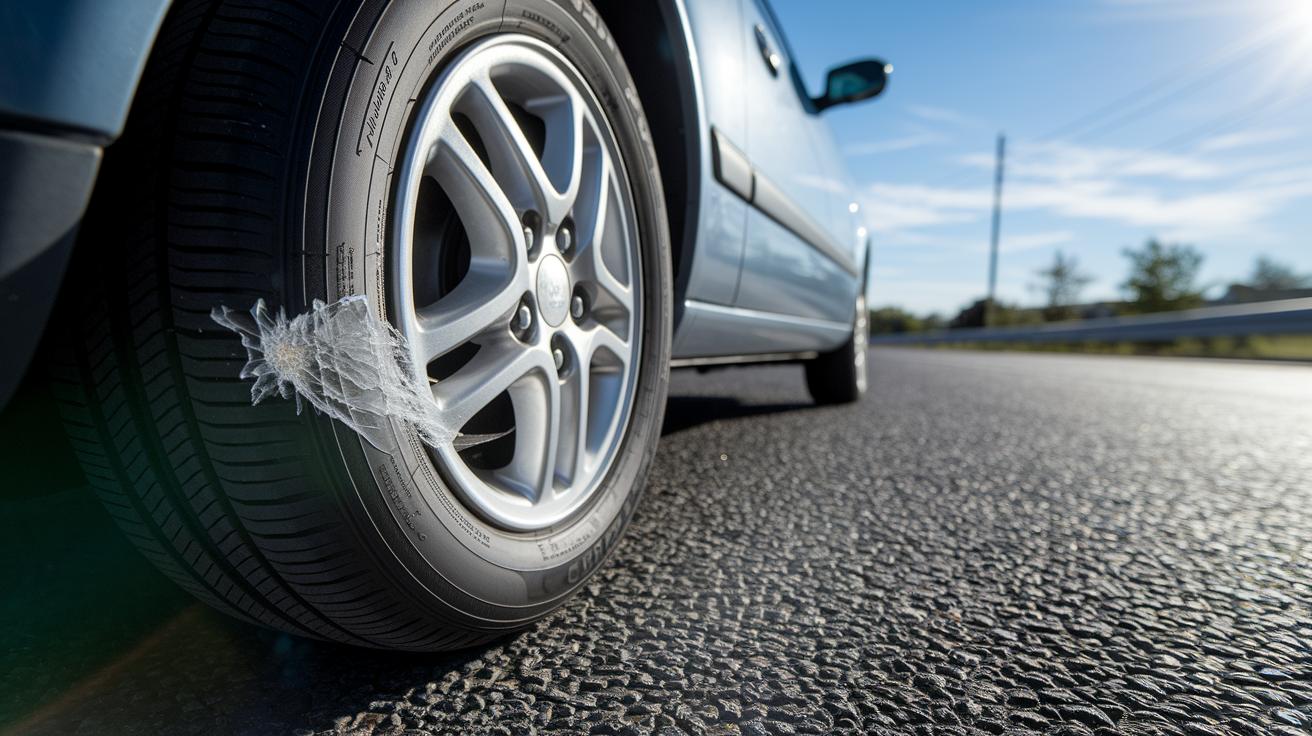
High heat and bright sunlight can damage high performance tires quickly. The strong sun (UV rays) hardens the rubber and makes sidewalls crack faster. In hot weather, your tires lose some flexibility, almost like they’re aging ahead of time. It’s a bit like the rubber showing its age sooner than you’d expect.
The kind of road you drive on matters too. Bumpy roads, potholes, and stray debris can cause cuts, bulges, or even little bubbles to form on your tires. These bumps and scrapes can weaken your tires, meaning you might have to replace them earlier than your mileage might suggest.
Hard driving, like rapid starts, tight turns, or sudden stops, can make your tires wear out 10–20% faster. Keeping your tire pressure just right (kind of like checking your fuel gauge before a long drive) helps them wear out evenly. Driving at a steady pace not only keeps your tires in better shape, but it also lets you know when it’s time for a change, keeping your ride safe and confident.
Manufacturer Guidelines and Professional Inspection for High Performance Tire Replacement
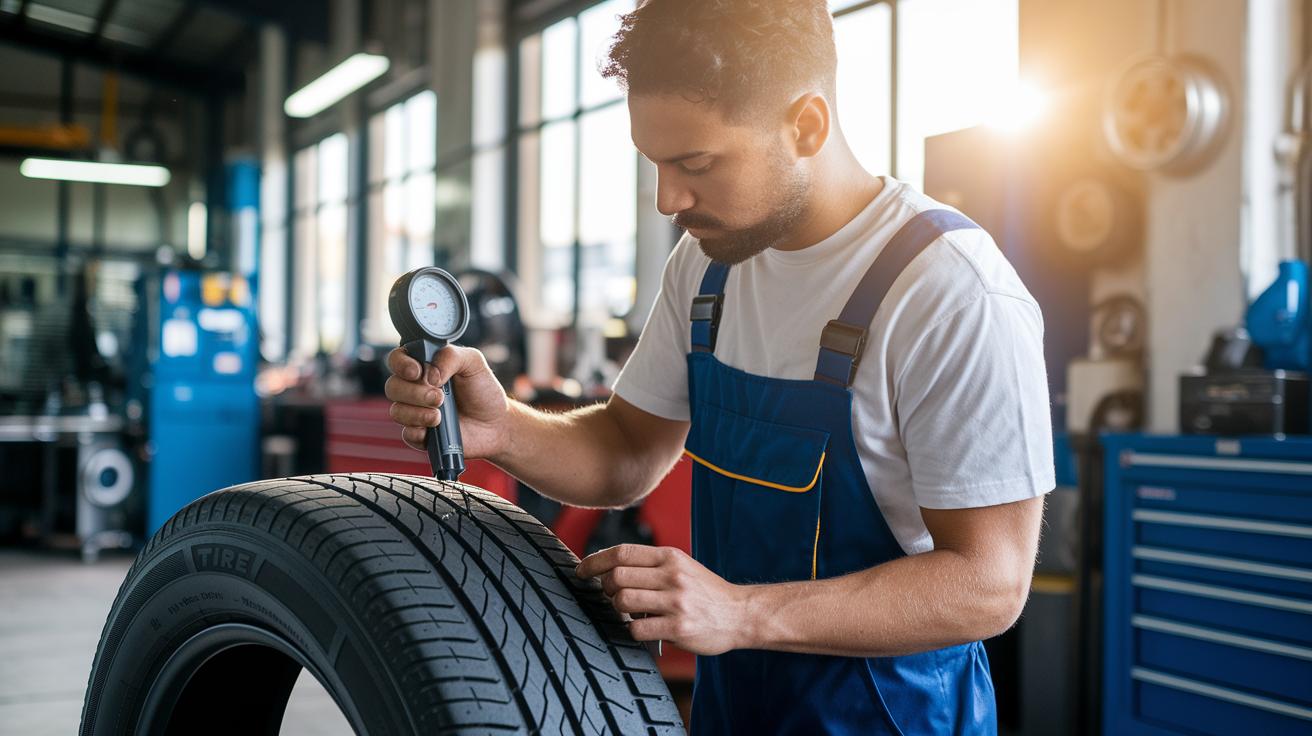
When it comes to high performance tires, many top brands suggest swapping them when the tread gets down to 4/32nds of an inch for wet roads or 5/32nds for snowy conditions. They build these tires to offer the best grip, and worn-out treads can mean less traction and a safety risk on slippery surfaces.
Race cars often use special compounds that are rated by heat cycles or lap counts instead of mileage. This helps drivers understand when to change their tires so they continue to perform at their peak.
It's a good idea to have your tires checked by a professional. A proper inspection looks at several things, like the tread depth, the sidewalls (the tire’s sides), and any inside damage. Experts recommend getting a check-up every 5,000 to 8,000 miles to catch any early signs of wear. By taking your tires in for a full review, a skilled technician can spot issues like uneven wear or tiny cuts that you might miss on your own. This careful check-up keeps your car performing well and gives you peace of mind on every drive.
Maintenance Tips to Prolong the Life of High Performance Tires
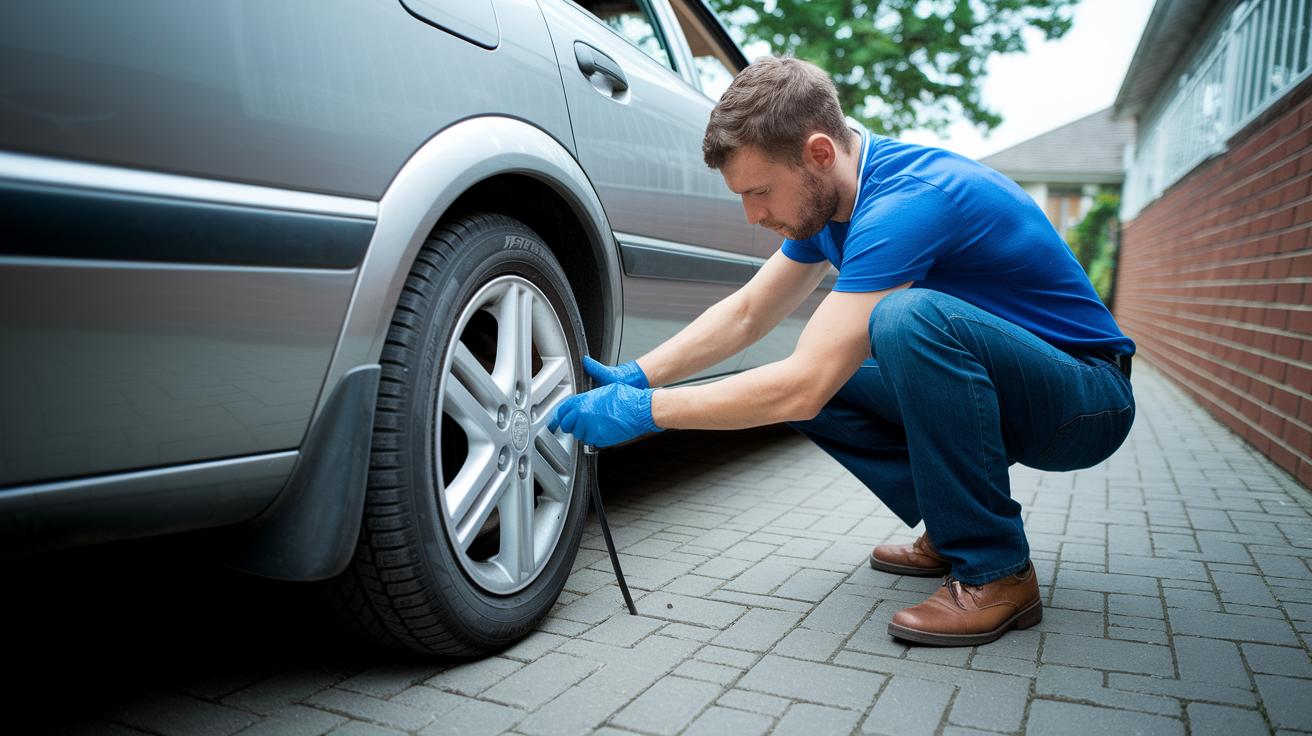
Keeping your high performance tires in great shape is all about regular care. When you take a little time for basic checks and routines, you can enjoy a smooth, confident ride every time you get on the road.
First off, try to rotate your tires every 5,000 to 8,000 miles. This means switching their positions to avoid uneven wear. There are dedicated tire rotation services that can make this easy for you.
Next, always check your tire pressure. Make sure you stay within the manufacturer’s recommended PSI (the number that tells you how much air your tire should have) so your tires work right and wear evenly.
It’s also a good idea to have your tires balanced and aligned at least twice a year. Balancing makes sure each tire spins smoothly, while alignment keeps your car driving straight, helping reduce irregular wear.
And one more tip, try not to speed too much on super hot pavement. High speeds on scorching roads heat up your tires and can make them wear out faster.
Following these simple steps, rotations, proper inflation, regular balancing and alignment, and careful driving, will help keep your premium performance tires in top form, ensuring a safe and reliable ride every time.
Final Words
In the action, we covered mileage, tread depth tests, and wear signals so you know when to replace high performance tires. We learned about indicators like uneven treads, sidewall issues, and reduced grip on wet roads. We also touched on manufacturer tips and routine checks to prolong tire life. These insights ensure you get the most out of your tire investment and drive with confidence and safety. Keep these tips in mind, and every drive will feel smoother and more reliable.
FAQ
When should you replace high performance tires based on mileage and age?
The high performance tire lifespan generally ranges from 25,000 to 80,000 miles. Aging, along with visible wear signs, indicates it’s a good time to inspect and consider a replacement for safe driving.
Should I replace high performance tires when the tread depth reaches 4/32, 5/32, or 6/32?
The question about tread depth is answered by noting that most experts recommend replacing tires at 4/32 inch, though specific conditions like weather or wet traction may sometimes call for earlier replacement.
What is the 3% rule for tires?
The 3% rule for tires suggests that a 3% loss in tread can lead to a noticeable drop in grip performance. This guideline helps drivers decide when tire performance may be diminishing.
How long do high performance tires typically last?
High performance tires usually last between 25,000 and 80,000 miles. Their lifespan can vary based on driving habits, road conditions, and the specific tire compound used.
Do high performance tires wear out faster compared to standard tires?
High performance tires often wear out faster because they use softer rubber compounds for better grip. Aggressive driving can further reduce their lifespan, so regular monitoring is key.
How can you tell when it’s time to replace your tires?
You can tell it’s time to replace tires when you spot uneven wear, sidewall cracks, bulges, or unusual vibrations, or when the tread depth reaches 4/32 inch, impacting braking and cornering.
What should I know about Costco tires?
Costco tires are known for quality service and competitive pricing. They meet performance standards similar to other brands, so check specifications and reviews to ensure they suit your driving needs.

