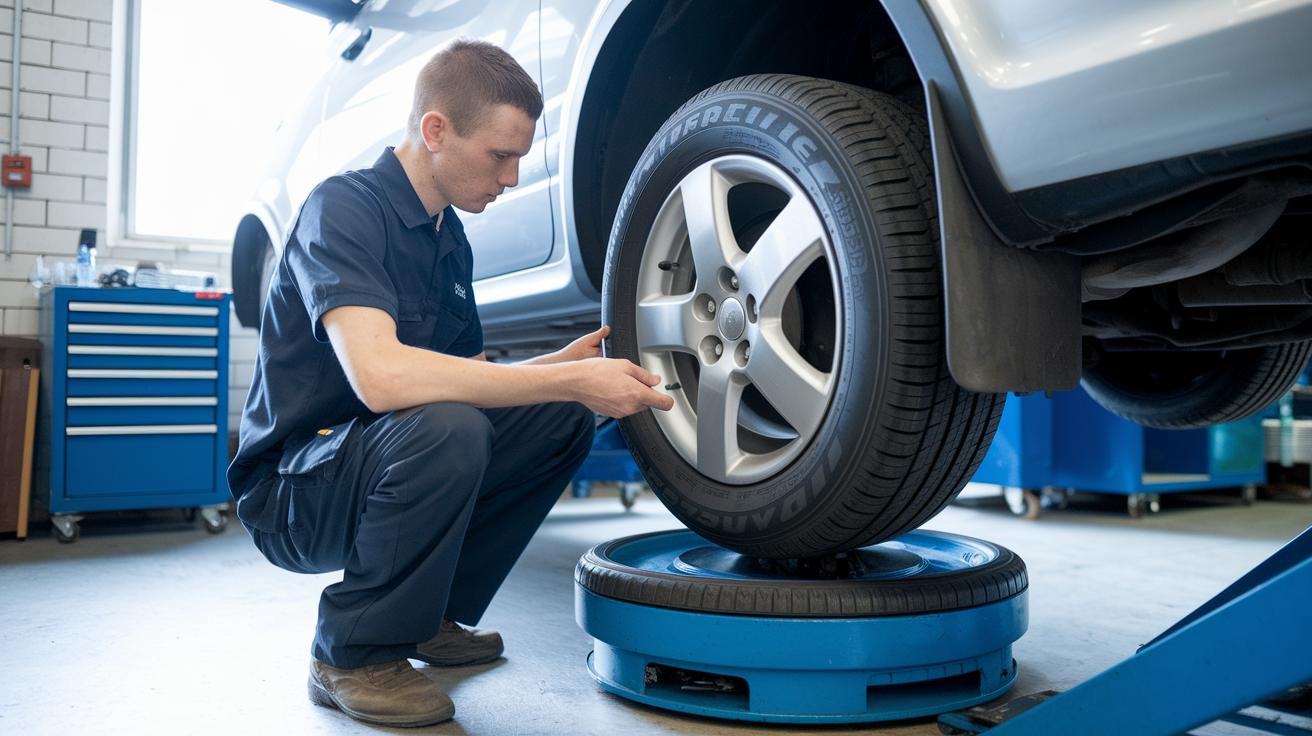


Ever been on a long drive and noticed your car shaking when you speed up? That little shake isn’t just annoying, it’s a sign your tires might need a little extra care.
When tires aren’t balanced right after they’re put on, the weight isn’t spread evenly. Think of it like a band where every beat has to match. If one beat is off, the whole song suffers. In the same way, an unbalanced tire causes wear that might lead to extra repair costs down the road.
A quick tire balancing keeps your ride smooth and helps your tires last longer. It’s a small step that makes your drive steadier and safer, just like setting the rhythm for a perfect journey.
Key Reasons Tire Balancing Is Essential After Installation
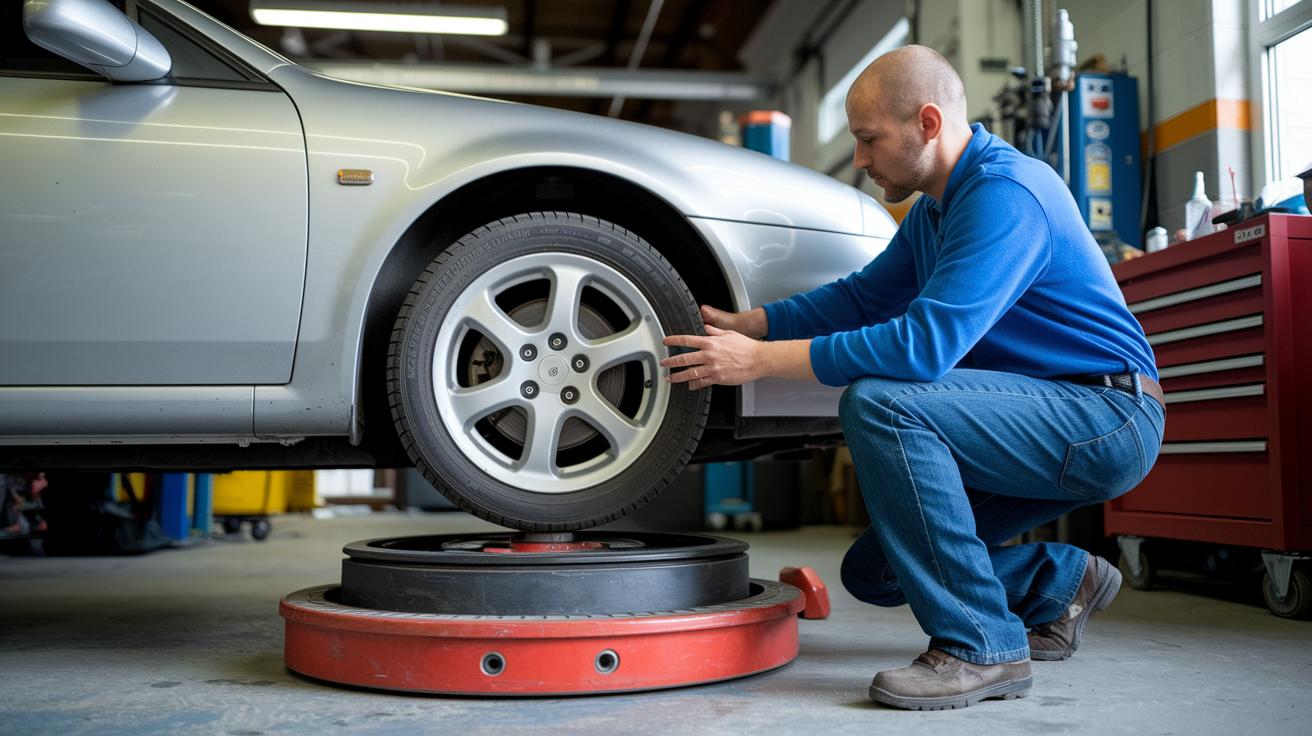
Getting your tires balanced right after they go on helps your car feel smooth and extends the life of your tires. When we say tire balancing, we mean making sure all parts of the tire weigh the same around the circle (so nothing is too heavy or light). Ever driven and felt a wobble above 50 mph? That’s what happens when a tire isn’t balanced properly. In fact, even a little weight off can give you a vibration that feels like a loose drum in a marching band.
This balancing isn’t just for comfort, it keeps you safe on the road, too. A skilled technician will check every wheel with special gear, fixing any weight issues they find. This careful work stops your car from handling unpredictably and helps your tires last longer. Regular checks with modern balancing tools keep your ride steady and your wheels in top shape.
If you skip this step, your tires might start to wear unevenly. That not only shortens their life but can also lead to higher repair bills down the road. You might see flat spots or worn-out treads because of imbalance, which stresses other parts like the suspension system. So, getting your tires balanced means you’re protecting your car and saving money.
Taking care of tire balancing right after installation is a smart move to prevent costly fixes later. Even small imbalances can throw off your car’s performance. By trusting the pros with your tire balancing, you’re setting yourself up for a smoother ride, better control, and longer-lasting tires.
How Tire Imbalances Occur and Tire Balancing Solutions

Ever wonder why your ride sometimes feels off? It’s usually because the tires aren’t balanced right. Small differences in how a tire is made or tiny mistakes when putting them on can mean one side is a bit heavier than the other. Picture a spinning top that isn’t even, it wobbles and just can’t spin smoothly.
So, what do experts do about it? They use tools and machines that check your tires with simple methods. There are machines that look at a tire when it’s just sitting still (static balancing) and ones that check it while it’s spinning (dynamic balancing). These gadgets, sometimes with laser sensors or vibration detectors, find exactly where the weight is off.
Once they spot the problem, technicians add or remove tiny weights to even things out. This careful tweaking helps the tire spin evenly, which means your car can drive smoother, handle better, and even protect parts like the suspension. It’s like adjusting seasoning in your favorite meal, the right balance makes everything better.
In the end, making sure your tires are balanced means you enjoy a more comfortable and safe drive. It’s one of those small details that can really make a difference on the road.
Ride Comfort, Safety, and Tire Longevity: Impact of Post-Installation Balancing
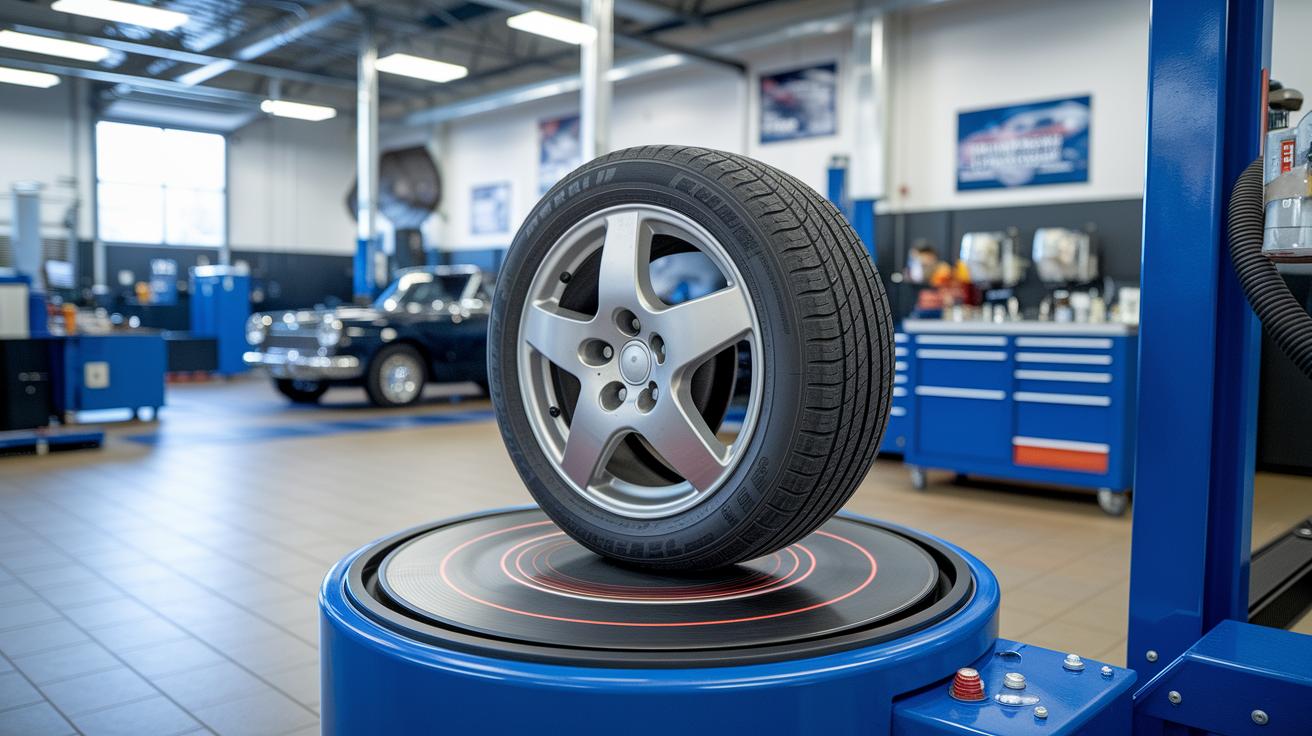
Modern balancing machines use smart sensors and laser measurements to catch even the smallest wobble. They work like a gentle light scanning your tire, showing tiny shifts that help ensure every tire shares weight evenly.
Many drivers have noticed a smoother ride after using this high-tech balancing. One person even said, "After my tires were balanced with a cutting-edge system, I felt a clear reduction in vibrations and my car stayed steadier on rough roads." It’s all thanks to the system catching little details that older methods might miss.
After you get your tires balanced, it’s a good idea to check your tire pressure every month and look for any signs of uneven wear. Keeping your tires at the right pressure and rotating them regularly helps keep all those benefits intact.
- Check your tire pressure every month.
- Look for any signs of uneven tire wear.
- Rotate your tires as part of regular upkeep.
- Check your tire pressure every month.
- Look for any signs of uneven tire wear.
- Rotate your tires as part of regular upkeep.
Professional Tire Balancing: Methods and Precision Equipment

When your tires are balanced just right, your ride feels smoother and your car runs better. Pros use really advanced machines like electronic dynamic balancers (machines that check for tiny differences in a tire’s spin and weight) to find even the smallest issues. It’s a bit like using a laser to spot the tiniest flaw, ensuring each wheel is spot-on.
Skilled technicians also check your car’s suspension and wheel alignment to make sure everything works well together. They even do post-service wheel calibration to ensure every part of your tire setup fits perfectly. Some tire makers require this professional step so your warranty remains valid, meaning you’re not only driving on tires that fit well but also protecting your investment.
New tools like automated weight placement and special diagnostic devices make the service faster without losing accuracy. This means less waiting in the shop and a drive that feels just right. For more details on professional tire setups, check out the link here: https://tityres.com?p=1890.
Post-Installation Checks and Maintenance for Balanced Wheels
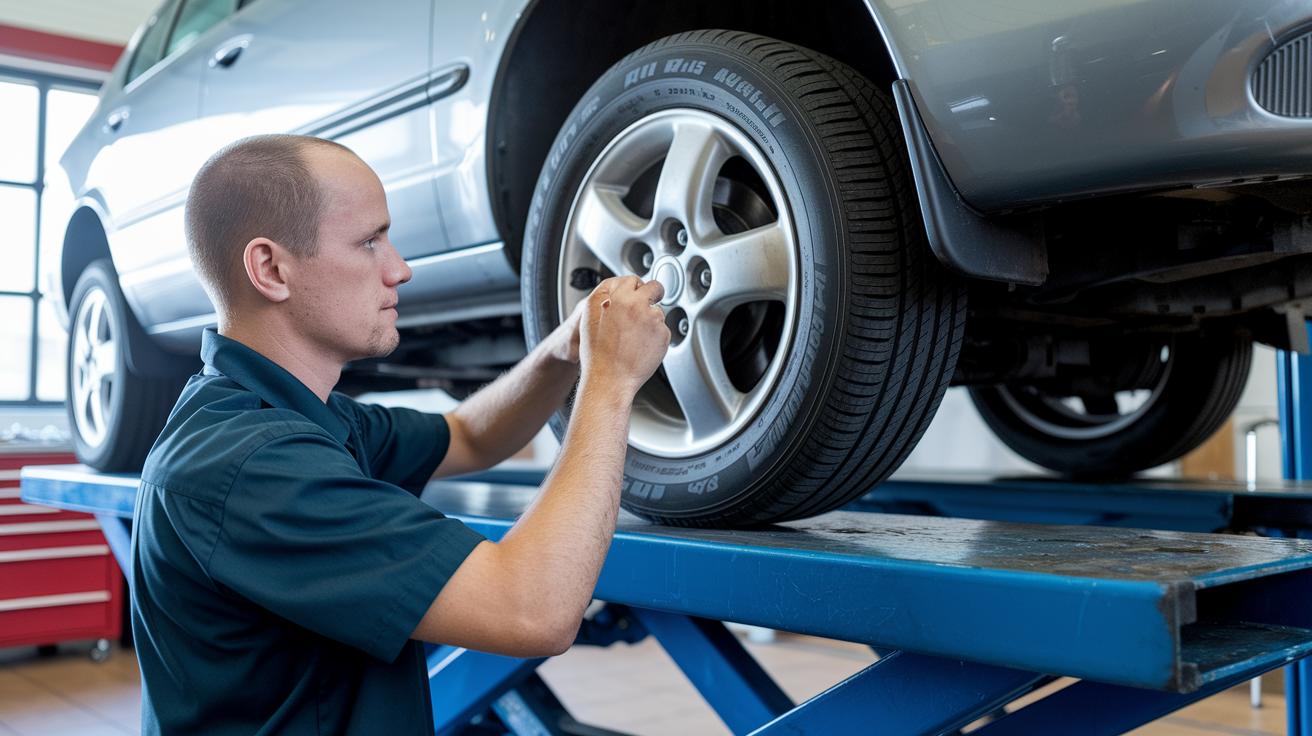
After your wheels are balanced, a technician takes a few extra steps to make sure everything is set for a smooth ride. They check that the weight is spread evenly and that the lug nuts are tightened just right (following the car maker’s instructions). Then, they take your car for a short drive to see if any vibrations pop up – a sign that something might be off.
They follow a simple checklist that covers everything from checking the wheel’s alignment (sometimes called run-out, which is how much the wheel wobbles) to making sure the valve is working and the wheel is mounted securely. This careful check helps catch small issues before they become bigger problems. Regular maintenance is like giving your car a routine health check, spotting any signs of weight shift or rim damage early on.
Here's a quick rundown of the key steps after wheel installation:
- Verify that weight is distributed correctly and re-tighten all lug nuts
- Take a short test drive to check for any unusual vibrations
- Inspect the wheel’s alignment, valve function, and mounting quality
- Follow any additional recommendations to keep your ride stable
These routine checks ensure your wheels remain balanced and help keep your driving safe and steady.
Choosing the Right Tire Balancing Service: Professional Expertise vs DIY
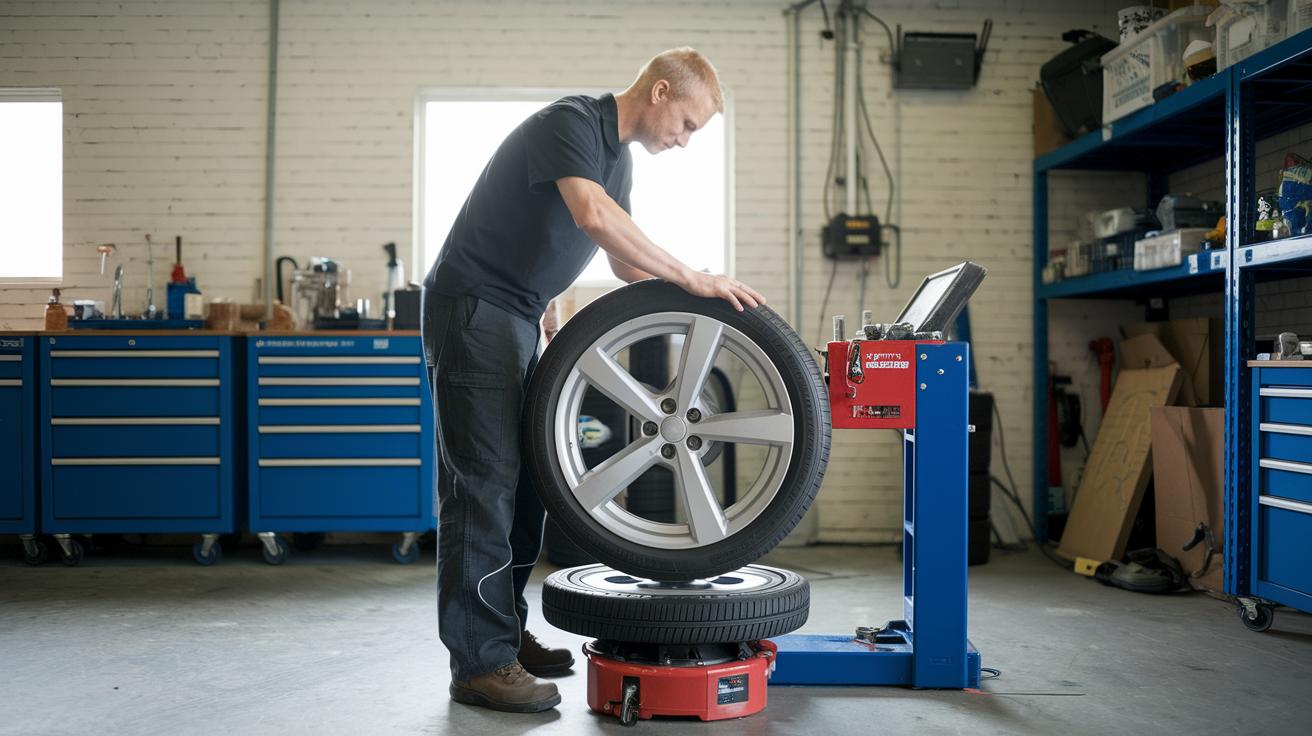
When you try balancing your tires on your own, things might not turn out as smooth as you expect. DIY methods usually lack the fancy, calibrated machines that professionals use to get it just right. Without those precise tools, a small mistake can shift the tire's weight, leaving you with shaky wheels and an uncomfortable ride. Ever notice how even a tiny error can make your car vibrate like a mis-tuned engine?
Doing it yourself can also mean loose lug nuts or uneven weight placement. These common issues happen when amateurs handle tire installation. Professionals, on the other hand, use tried-and-true methods and special equipment (calibrated machines that measure weight accurately) to mount tires perfectly. This careful process not only follows the manufacturer's guidelines but can also keep your warranty in check.
When pros balance your tires, they make sure every tire carries its fair share of the weight. This attention to detail helps your car handle better and eases strain on your suspension.
- DIY might miss the precision you need
- Certified experts use calibrated tools for a balanced ride
- Accurate mounting reduces vibrations and boosts safety
Choosing a professional tire balancing service means fewer risks and a smoother, more reliable road ahead.
Final Words
In the action, we covered the key points on tire balancing, from spotting imbalances to using expert services. We talked about how a careful check after installation helps reduce vibrations and extend tire life.
Regular inspections and professional tools work together to keep your wheels steady and your ride smooth. Keep in mind why proper tire balancing is crucial after installation to drive with lasting safety and confidence.
FAQ
Why is proper tire balancing crucial after installation and what might happen if you don’t balance new tires?
Proper tire balancing spreads weight evenly around the tire, reducing vibrations and uneven wear. Skipping this step can lead to premature tire wear, unsafe handling, and increased maintenance costs.
How does tire balancing compare to alignment and what’s the difference when mounting and balancing tires versus doing alignment work?
Tire balancing adds weights to even out tire rotation, while alignment adjusts suspension angles for smooth handling. Mounting and balancing focuses solely on weight while alignment fixes the vehicle’s steering setup.
Is wheel balancing necessary for new tires?
Wheel balancing is necessary for new tires since it ensures even weight distribution, minimizes vibrations, and promotes even tire wear, leading to a smoother and safer ride.
What is the cost of mounting and balancing tires or how much is tire balancing?
Mounting and balancing tires generally cost between $15 and $50 per tire, a cost that helps prevent premature wear and maintains a safe, comfortable drive.
What does the 3% rule for tires mean?
The 3% rule indicates that if tire wear or imbalance exceeds three percent, it could affect performance. This rule serves as a guideline during inspections to catch issues before they become serious.

