


Ever thought your tires might be giving you a little alert when they're low on air? Wireless tire sensor tech (small gadgets that keep an eye on your tire pressure) is making driving simpler by sending quick updates straight to your car and even to the cloud.
These sensors work silently, checking your tires automatically so you stay safe without any extra effort. Next, we'll go over seven trends that are turning these smart sensors into a must-have for a smooth and secure ride.
Get ready to see how easy updates can really boost your drive.
Wireless Tire Sensor Technology Trends: Innovations and Benefits

Recent breakthroughs in wireless tire sensor technology are really changing the way we drive. Sensata Technologies’ wireless TPMS now works hand in hand with features like lane-keeping help and collision avoidance so that your car can keep you safe. It means that your tire sensors are sending updates straight to your car’s computer, and even to the cloud, in real time. Think of it like checking your tire status as easily as you check your phone’s weather app. With all these smart updates coming through the Internet of Things (devices talking to each other), drivers and even service teams can catch issues early before they become a big problem.
Now, these advanced sensors send tire health details with almost no effort on your part. Your tire conditions are watched all the time, and cloud data sends you alerts just like a quick text message when your tire pressure needs a little attention. This contactless way of keeping track not only makes your drive smoother but also cuts down on the risk of accidents because you’re always in the know.
| Benefit |
|---|
| Improved vehicle safety via ADAS integration |
| Real-time tire health monitoring through cloud connectivity |
| Enhanced driving efficiency and reduced crash risk |
| Automated condition reporting for service providers |
| Contactless performance monitoring without manual checks |
Wireless Tire Sensor Technology Trends: Market Evolution and Key Players

The automotive TPMS market is showing solid growth, as noted in a Coherent Market Insights report from April 1, 2025. This growth is driven by wireless solutions that keep cars safer and maintenance smarter. The new tech now supports predictive maintenance (keeping an eye on your car’s health to fix little issues before they become a big problem). Case studies highlight how well systems from Sensata Technologies, Continental AG, Bridgestone, Michelin, and Goodyear are performing. Ever wonder what’s next? Keep an eye out for emerging smart tire innovations and market trends.
Service centers and fleet operators are quickly adopting these wireless tire sensor solutions to simplify repairs and monitor tire health all the time. These smart systems not only boost safety but also improve driving efficiency with real-time information. It’s a win for everyone on the road because better data means lower risks of accidents. Thanks to predictive service trends and ongoing global research, tech leaders are focused on enhancing performance and streamlined integration.
| Company | Wireless TPMS Innovation | Integration Features |
|---|---|---|
| Continental AG | Next-gen sensor accuracy | Seamless system updates |
| Bridgestone | Enhanced connectivity protocols | Real-time alerts and diagnostics |
| Michelin | Advanced sensor integration | Cloud data synchronization |
| Goodyear | Robust wireless communication | Predictive maintenance tools |
Wireless Tire Sensor Technology Trends: Technical Design and Specifications

Sensata’s Wireless TPMS uses tiny, low-power microcontrollers (small computers that run on little energy) to send tire data without draining the battery. These sensors are built to run up to 5 years on one battery, which means you won’t need to replace them often. It’s a bit like having a smart tire checking itself without overloading your car’s power.
This design also offers high-definition output (clear, detailed information) for real-time tire pressure updates. That means you get precise readings at lightning speed, which is perfect for features in self-driving cars. Every part of the sensor is tuned to work even when conditions aren’t ideal, keeping your ride safe and steady.
The sensors are also built tough. They use composite materials (strong blends that can handle hard bumps and wild weather) so they keep giving you accurate data no matter the road. They work hand in hand with driver-assist systems like collision avoidance and lane-keeping aids, ensuring you get every bit of crucial tire info. Thanks to smart microcontrollers, energy-saving design, and full-on durability, these sensors are a reliable way to keep an eye on your tire’s health.
Wireless Tire Sensor Technology Trends: IoT Integration and Data Analytics

These new wireless tire sensors do more than just show you what's happening in real time. They use smart tools (predictive analytics) from connected devices to warn you about tire issues days before they usually show up. One fleet, for example, avoided unexpected stops by catching problems early with these alerts.
They also pull together data in a way that old methods can’t. By mixing updates from the tires with cloud-powered analytics, drivers get clear and simple insights into tire health. You can even look at automated reports and easy-to-read dashboards to compare current data with past trends, which makes planning maintenance a breeze.
• Cloud dashboards for always knowing what's up
• Automatic alerts for when your tires need a look
• Secure ways to send and handle your data
• Blending different data sources for better problem checks
Wireless Tire Sensor Technology Trends: Role in Autonomous and Semi-Autonomous Vehicles

Wireless tire sensors are changing how self-driving cars handle the road. They send real-time information about tire pressure (how firm the tires are) to the car’s computer. This means that functions like keeping the car centered in its lane, adjusting speed on the fly, or even avoiding accidents can work better. When a sensor spots a small drop in pressure, the system can make quick changes to keep your ride safe and smooth. It’s like having a friend constantly checking on your tires so you can drive with confidence.
In vehicles with self-driving or semi-autonomous features, keeping track of tire pressure is a must. Constant updates let the car adjust its steering, engine power, and brakes based on how the tires are doing. It’s almost like having a 24/7 tire check that makes sure every turn and stop is safe. This smart sensor system helps the car respond fast to changes, making your drive smoother and more secure.
Wireless Tire Sensor Technology Trends: Challenges and Future Outlook
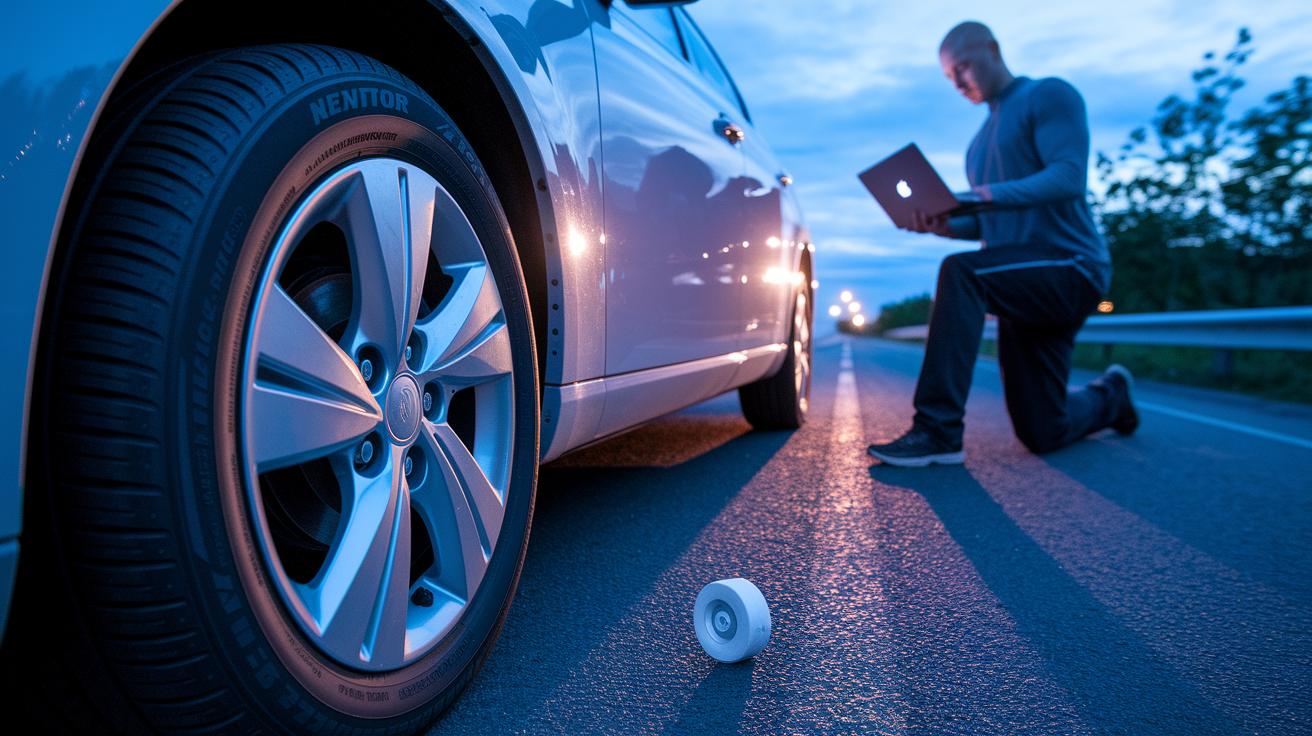
The road ahead for wireless tire sensors isn’t without bumps. Experts say the biggest challenges come from keeping the calibration smooth and beefing up cybersecurity. In plain terms, calibration (adjusting the sensor so it reads correctly) is about to get a remote upgrade, which means a tech person might soon tweak sensors from far away without needing to inspect every tire in person.
At the same time, there’s a push to get all devices speaking the same digital language. This digital standardization makes sure data from one tire to the next is trusted and clear. And, to keep everything secure, new safety steps like secure protocols (rules that protect real-time data in connected cars) are being put in place.
Looking forward, making the sensor firmware (the built-in software that runs the sensor) more reliable is key. Right now, updating firmware remotely is a bit of a hassle, especially when it means touching many vehicles. But new updates on the horizon promise to make these changes seamless and quick. This means less chance for glitches or delays in alerts.
Altogether, the work on calibration, cybersecurity, and firmware is all about making sure data stays trustworthy and the system runs smoothly. Imagine a future where your tire sensors are as reliable as your favorite car ride, always keeping you safe on the road.
Final Words
In the action, the post took us through modern sensor improvements that make tire checks faster and safer. It covered innovations in real-time diagnostics, smart data sharing, and sensor design that supports safety systems and vehicle performance.
This friendly discussion shows how paying attention to wireless tire sensor technology trends can boost safe and reliable driving. The content offers bite-sized details that help you choose quality tires and maintain them for years of smooth, confident rides.
FAQ
Q: What benefits does wireless tire sensor technology bring?
A: Wireless tire sensor technology brings improved vehicle safety through ADAS integration, real-time tire health updates via cloud connectivity, enhanced driving efficiency, automated condition reporting, and contactless performance monitoring. These features help drivers stay informed and vehicles well-maintained.
Q: What technical innovations drive modern wireless tire sensors?
A: Modern wireless tire sensors use low-power microcontrollers and energy-efficient RF transmissions. Their rugged composite designs withstand harsh weather and road conditions while providing real-time tire pressure insights needed for smarter vehicle management.
Q: How does IoT integration enhance wireless tire sensor performance?
A: IoT integration enhances performance by transmitting tire data from sensors to onboard computers and cloud platforms. See smart tire connectivity and iot in modern vehicles (https://tityres.com?p=2917) for details about real-time monitoring and automated alerts.
Q: How do wireless tire sensors support autonomous and semi-autonomous vehicles?
A: Wireless tire sensors provide real-time tire pressure data that improves features like lane-keeping assist, adaptive cruise control, and collision avoidance. These sensors support better decision-making for semi-autonomous and driverless systems.
Q: What are the future challenges for wireless tire sensor technology?
A: Future challenges include establishing robust cybersecurity measures, advancing remote calibration techniques, and boosting firmware reliability. Overcoming these challenges is key to making wireless tire sensor systems safer and more effective for all vehicles.

